
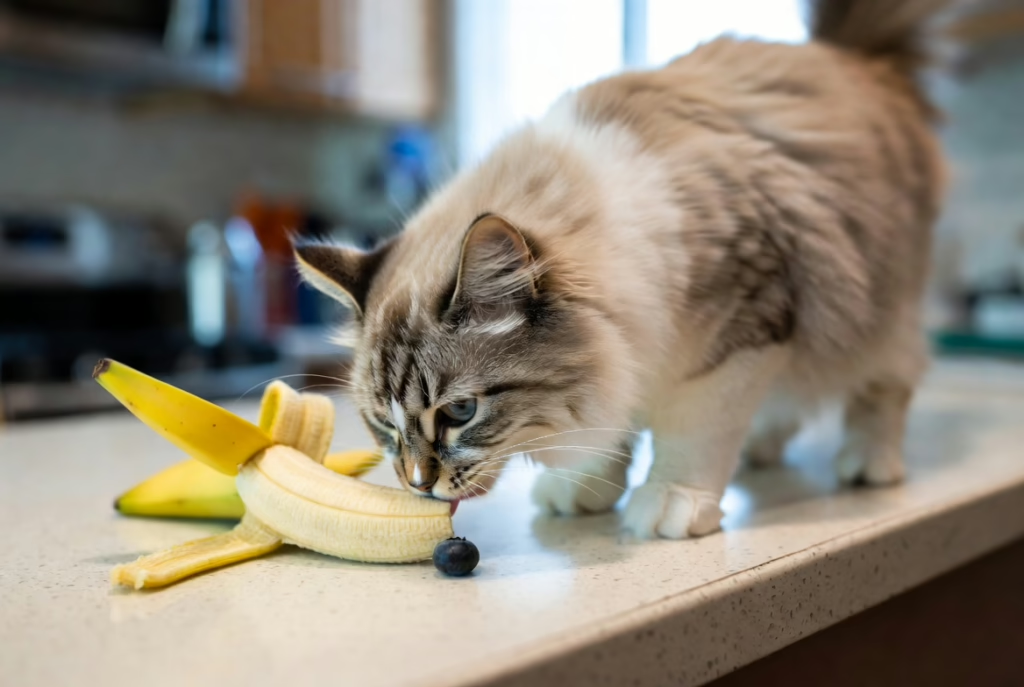
Cats have a reputation for being finicky eaters, yet many pet owners notice their feline companions showing curiosity about fruit. Whether your cat bats at a fallen blueberry or sniffs your morning banana, you might wonder if sharing these snacks poses any risk. The short answer: some fruits are perfectly safe in moderation, while others can cause serious harm.
Understanding which fruits belong in each category helps you make informed decisions about your cat’s diet. This guide breaks down the science behind cats and fruit, identifies safe options, flags toxic varieties, and explains how to introduce fruit without upsetting your pet’s digestive system.
Do Cats Need Fruit in Their Diet
Cats are obligate carnivores, meaning their bodies evolved to derive nutrition almost exclusively from animal tissue. Unlike omnivores, cats lack certain digestive enzymes needed to efficiently process plant matter. Their short digestive tracts are optimized for breaking down proteins and fats from prey, not fiber-rich produce.
The feline body requires specific nutrients found primarily in meat: taurine, arachidonic acid, vitamin A in its active form, and certain B vitamins. No fruit provides these in adequate amounts. A cat fed only plant-based foods would develop severe nutritional deficiencies within weeks.
That said, fruit isn’t inherently harmful when offered occasionally. Some cats enjoy the texture or moisture content, particularly during warm weather. The key word is “occasional”—fruit should never replace balanced cat food or constitute more than a tiny fraction of daily calories.
Think of fruit as you would cat treats: fine in small doses, but nutritionally unnecessary. A cat receiving complete commercial food or a properly formulated homemade diet needs nothing else to thrive. Fruit offers minimal nutritional benefit beyond hydration and trace vitamins that cats already obtain from their regular meals.

The cats and fruit diet concept doesn’t align with feline physiology. While a slice of melon won’t harm most cats, building fruit into their regular feeding routine serves no biological purpose and may displace more appropriate foods.
Safe Fruits for Cats
Several fruits pose no toxicity risk when prepared correctly. These options can serve as occasional treats or enrichment activities, though not all cats will show interest.
Blueberries top the safe list. Their small size makes them convenient, and the firm texture appeals to some cats who enjoy batting them around. Rinse thoroughly and offer one or two berries at a time. The antioxidants won’t benefit cats the way they do humans, but they won’t cause harm either.
Watermelon provides hydration on hot days. Remove all seeds and rind, offering only the pink flesh in small cubes. Many cats appreciate the high water content, especially those who don’t drink enough. A few quarter-inch pieces suffice.
Cantaloupe attracts cats more than most fruits. Some felines seem drawn to the aroma, possibly due to amino acids similar to those in meat. Cut away the rind completely and remove seeds. Limit portions to a few small chunks.
Strawberries work for some cats, though the texture deters others. Hull them completely and slice into tiny pieces. One small strawberry provides more than enough for a single serving.
Bananas are safe but calorie-dense. A thin slice (about the width of a pencil eraser) contains sufficient natural sugars for a cat. Overfeeding banana can lead to digestive upset purely from the volume of carbohydrates.
Apples require careful preparation. Remove all seeds, core, and stem—apple seeds contain cyanogenic compounds that release toxins when digested. Peel the skin and offer a small piece of flesh no larger than your pinky nail.
Pears follow the same rules as apples. Seeds must be completely removed, and only small amounts of peeled flesh should be offered.
How to Prepare Fruit for Your Cat
Preparation matters as much as selection. Always wash fruit thoroughly to remove pesticide residues, even if you plan to peel it. Cats are smaller than humans, making them more vulnerable to chemical exposure.
Remove all seeds, pits, stems, and leaves. Many of these parts contain compounds toxic to cats, even when the flesh is safe. Grape and cherry pits present choking hazards in addition to toxicity concerns.
Cut fruit into pieces smaller than a pea. Cats have relatively small throats, and chunks that seem tiny to you might obstruct their airway. Err on the side of too small rather than too large.
Never add sugar, salt, or seasonings. Plain fruit only—no fruit cups in syrup, no candied versions, no dried fruit with added sweeteners.
Serve fruit at room temperature. Cold fruit straight from the refrigerator can cause stomach discomfort in some cats.
Serving Sizes and Frequency
The 10% rule applies to all treats, including fruit: no more than 10% of daily calories should come from anything other than complete cat food. For an average 10-pound cat eating about 200 calories daily, that means roughly 20 calories from treats.
One blueberry contains approximately 1 calorie. A teaspoon of banana has about 3 calories. A small cube of watermelon has less than 2 calories. These numbers add up quickly when combined with other treats.
Realistically, feeding fruit to cats should happen no more than once or twice weekly. Some experts recommend even less frequent offerings, reserving fruit for special occasions or training rewards.
Watch your cat’s litter box after introducing any new food. Soft stools or diarrhea indicate the amount was too much or the fruit doesn’t agree with your cat’s system.
Toxic Fruits Cats Should Never Eat
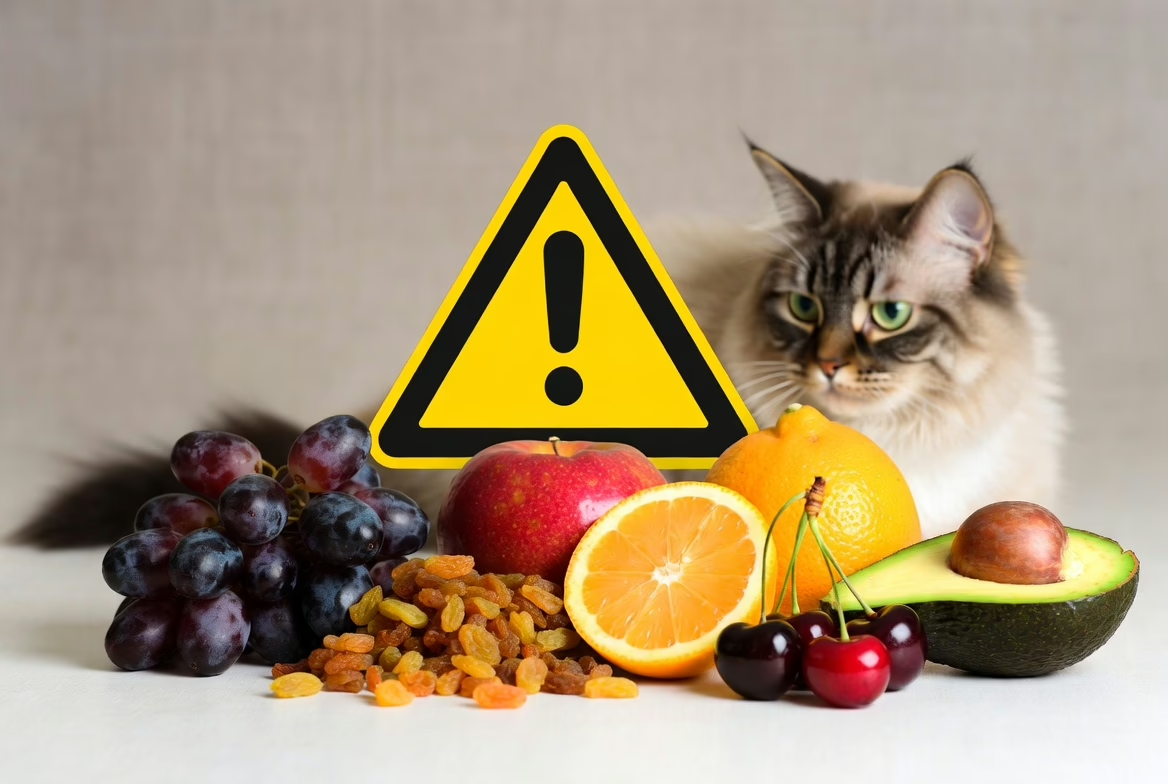
Certain fruits cause serious health problems in cats, ranging from digestive upset to organ failure. Memorize this list and keep these items completely away from your pet.
Grapes and raisins pose severe kidney toxicity risks. Even tiny amounts can trigger acute kidney failure in some cats. The toxic compound hasn’t been definitively identified, and sensitivity varies between individual animals—but no safe threshold exists. One cat might eat several grapes without obvious symptoms, while another develops kidney damage from a single raisin. Never take the gamble.
Citrus fruits (oranges, lemons, limes, grapefruits) contain essential oils and psoralens that cause gastrointestinal irritation. While rarely fatal, citrus can trigger vomiting, diarrhea, and central nervous system depression. The peels and oils are most dangerous, but even the flesh causes problems in many cats.
Cherries contain cyanogenic glycosides in their pits, stems, and leaves. If a cat chews a cherry pit, these compounds break down into cyanide. The flesh itself isn’t highly toxic, but the choking hazard and near-certainty that a cat will bite into the pit make cherries completely off-limits.
Persimmons can cause intestinal blockages. The seeds and pit present obstruction risks, while the fruit itself may contribute to enteritis.
Apricots, peaches, and plums all have pits containing cyanide-producing compounds. The flesh is less problematic, but the risk of a cat accessing the pit (and the difficulty of monitoring this) makes these fruits poor choices.
Avocado contains persin, a fungicidal toxin. While cats appear less sensitive to persin than some other animals, it can still cause vomiting and diarrhea. The high fat content also risks pancreatitis.
Safe vs. Unsafe Fruits for Cats Comparison Table
| Fruit Name | Safe/Unsafe | Notes/Risks |
|---|---|---|
| Blueberries | Safe | Small portions only; rinse well |
| Watermelon | Safe | Remove seeds and rind; hydrating |
| Cantaloupe | Safe | Remove rind and seeds; cats often enjoy the scent |
| Strawberries | Safe | Hull completely; small pieces only |
| Bananas | Safe | High in sugar; tiny portions only |
| Apples | Safe | Must remove all seeds, core, and stem |
| Pears | Safe | Remove all seeds; peel recommended |
| Grapes | Unsafe | Severe kidney toxicity; avoid completely |
| Raisins | Unsafe | Same toxicity as grapes in concentrated form |
| Citrus (all types) | Unsafe | Contains toxic essential oils; causes GI upset |
| Cherries | Unsafe | Pits contain cyanide compounds |
| Avocado | Unsafe | Contains persin; high fat content |
| Persimmons | Unsafe | Seeds cause intestinal blockage |
| Apricots | Unsafe | Pits contain cyanide-producing compounds |
| Peaches/Plums | Unsafe | Pits toxic; choking and obstruction risk |
Signs Your Cat Had a Bad Reaction to Fruit

Recognizing adverse reactions quickly can prevent minor issues from becoming emergencies. Symptoms vary depending on the fruit consumed and your cat’s individual sensitivity.
Digestive symptoms appear most commonly. Vomiting within a few hours of eating fruit suggests either the amount was too large or the fruit doesn’t agree with your cat. Diarrhea may develop 6-12 hours later. Single episodes usually resolve on their own, but repeated vomiting or diarrhea lasting more than 24 hours warrants veterinary attention.
Lethargy and loss of appetite signal more serious problems. A cat who becomes unusually quiet, hides, or refuses meals after eating fruit may be experiencing toxicity rather than simple digestive upset.
Excessive drooling often indicates oral irritation. Citrus fruits commonly cause this response. The drooling may be accompanied by pawing at the mouth or facial swelling.
Difficulty breathing, facial swelling, or hives suggest an allergic reaction. While rare with fruit, allergies can develop to any food. These symptoms require immediate emergency care.
Changes in urination after grape or raisin consumption demand urgent veterinary evaluation. Decreased urine output, straining to urinate, or blood in urine may indicate developing kidney failure. This can occur anywhere from 12-48 hours after ingestion.
When in doubt, contact your veterinarian or the ASPCA Animal Poison Control Center (888-426-4435). Provide information about which fruit was eaten, approximately how much, and when consumption occurred. Don’t wait for symptoms to worsen before seeking guidance.
While cats are obligate carnivores and don’t require fruit nutritionally, small amounts of certain fruits can provide hydration and enrichment. The key is understanding that what’s healthy for humans isn’t necessarily beneficial for cats, and some fruits that seem harmless can actually be quite dangerous.
Dr. Jennifer Coates
How to Introduce Fruit to Your Cat
Most cats show little interest in fruit, but if yours seems curious, introduce new items gradually and methodically.
Start with a single fruit type. Choose something from the safe list—blueberries work well for first attempts due to their small size and mild flavor. Offer one small piece and nothing else new that day.
Observe for 24-48 hours. Watch for any changes in behavior, appetite, or litter box habits. If everything remains normal, you can offer the same fruit again in a few days.
Never force fruit on an uninterested cat. Unlike dogs, cats rarely respond to food-based training rewards that don’t contain meat. If your cat sniffs fruit and walks away, respect that choice. Attempting to hide fruit in food or force-feeding creates stress without benefit.
Use fruit as enrichment rather than nutrition. Some cats enjoy chasing blueberries rolled across the floor. Others like licking frozen watermelon chunks on hot days. These activities provide mental stimulation—the fruit itself is incidental.
Keep a food diary. Note which fruits you offered, when, and any reactions. This record helps identify patterns if digestive issues develop and provides valuable information for your veterinarian.
Consider alternatives if your cat refuses fruit. Cat grass, catnip, or commercial cat treats designed for dental health offer enrichment without the trial-and-error of fruit introduction. Many cats prefer these options anyway.
If you’re introducing fruit primarily to increase hydration, consider a cat water fountain instead. Most cats drink more from moving water sources, and fountains address the root concern more effectively than fruit.
FAQs
No. Cats lack nutritional requirements that fruit fulfills, and daily fruit consumption may displace more appropriate foods. Fruit should appear no more than once or twice weekly as a small treat. The sugar content, even from natural sources, can contribute to obesity and diabetes when fed regularly. Stick to primarily meat-based diets that align with your cat’s carnivorous nature.
Grape and raisin toxicity in cats can cause acute kidney failure. Symptoms may include vomiting, diarrhea, lethargy, decreased appetite, and reduced urination within 12-24 hours of consumption. Not all cats react the same way—some show no immediate symptoms but develop kidney damage over time. Contact your veterinarian immediately if grape ingestion occurs, even if your cat seems fine. Early intervention significantly improves outcomes.
Some cats are attracted to the moisture content in fruits like watermelon, especially if they don’t drink enough water. Others enjoy the texture or find certain scents appealing—cantaloupe, for example, contains amino acids that may smell meat-like to cats. Individual preferences vary widely. However, many cats show zero interest in fruit, which is perfectly normal and healthier from a nutritional standpoint.
Kittens should focus exclusively on kitten-formulated food until at least 12 months old. Their rapid growth requires specific ratios of protein, fat, and nutrients that fruit doesn’t provide. Introducing unnecessary foods during development may create finicky eating habits or cause digestive upset in their still-maturing systems. Wait until your cat reaches adulthood before offering any fruit.
Dried fruits concentrate natural sugars and often contain added sweeteners, making them inappropriate for cats. The chewy texture also presents choking hazards. Dried grapes (raisins) are particularly toxic. Dried cranberries, commonly added to some pet foods, appear in such small amounts that they’re generally recognized as safe, but offering dried fruit as a standalone treat is not recommended.
The question of whether cats can eat fruit has a nuanced answer: yes, certain fruits are safe in very small amounts, but no, cats don’t need fruit in their diet. Your cat’s health depends on animal-based proteins and fats, not the vitamins and fiber that make fruit valuable for humans.
If you choose to offer safe fruits for cats like blueberries or watermelon, treat them as rare enrichment activities rather than dietary staples. Always prepare fruit carefully—removing seeds, pits, and peels—and monitor your cat for any adverse reactions. Keep toxic fruits like grapes, citrus, and cherries completely inaccessible.
Cat fruit safety ultimately comes down to informed choices. Know which fruits pose risks, understand proper portion sizes, and respect your cat’s preferences. Most cats thrive without ever tasting fruit, and that’s perfectly fine. When feeding fruit to cats, less is genuinely more. Your cat’s carnivorous biology hasn’t changed despite thousands of years of domestication, and their nutritional needs remain firmly rooted in meat-based diets.
Focus on providing high-quality cat food, fresh water, and appropriate treats designed specifically for feline health. If fruit becomes an occasional bonus your cat enjoys, keep portions tiny and frequency minimal. Your cat will thank you with good health and normal digestion—which matters far more than whether they develop a taste for strawberries.