
- Why Vaccinations Matter for Your Cat’s Health
- Core vs. Non-Core Vaccines for Cats
- Kitten Vaccination Timeline from Birth to One Year
- Adult Cat Vaccination Schedule and Booster Shots
- What to Expect During a Vaccination Appointment
- Side Effects and When to Call Your Vet
- Kitten and Adult Cat Vaccination Schedule at a Glance
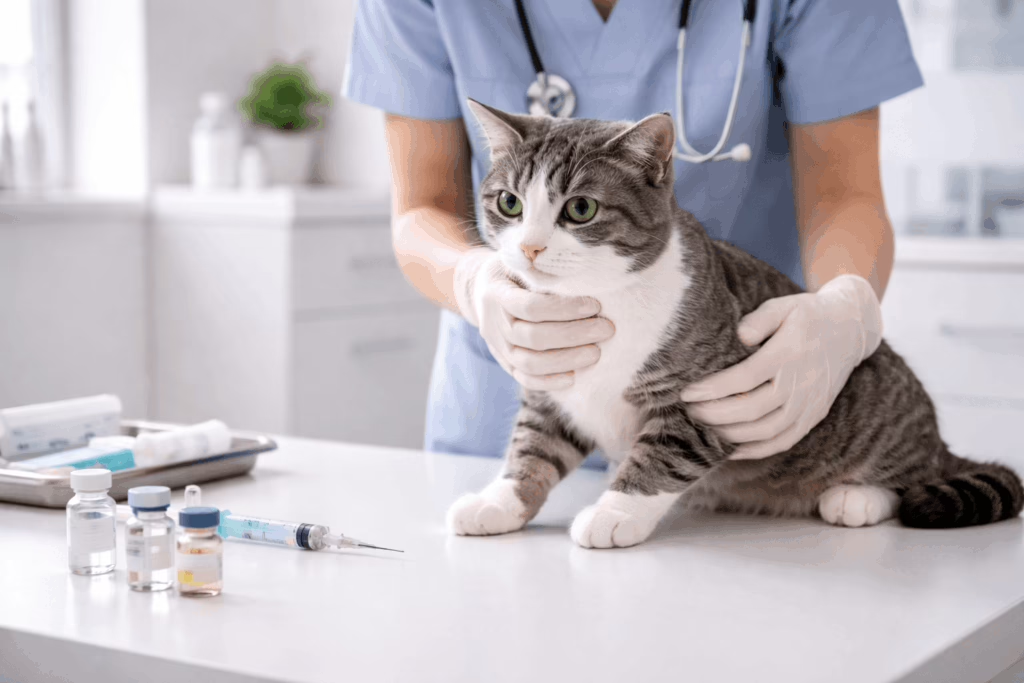
Vaccinations protect cats from life-threatening infectious diseases that once killed thousands of pets annually. A structured immunization plan tailored to your cat’s age, lifestyle, and health status gives them the best chance at a long, healthy life while reducing veterinary costs associated with treating preventable illnesses.
Why Vaccinations Matter for Your Cat’s Health
Vaccines train your cat’s immune system to recognize and fight specific pathogens before they cause serious illness. When a vaccine introduces a harmless version of a virus or bacteria, your cat’s body produces antibodies that remain ready to attack if the real disease appears later.
Disease prevention stands as the primary benefit. Rabies, feline panleukopenia (distemper), and feline leukemia virus kill or permanently disable cats who contract them. Vaccination dramatically reduces infection rates—panleukopenia vaccines have cut cases by more than 90% since their introduction.
Herd immunity protects vulnerable cats who cannot receive vaccines due to age, illness, or compromised immune systems. When most cats in a community are vaccinated, disease transmission slows, shielding those at highest risk. This matters especially in multi-cat households, shelters, and neighborhoods with outdoor cat populations.
Legal requirements vary by state and municipality. All 50 states mandate rabies vaccination for cats, though enforcement and penalty structures differ. Some jurisdictions require proof of rabies vaccination for licensing, boarding, or grooming services. Failure to comply can result in fines ranging from $50 to $500 and quarantine orders if your cat bites someone.
Long-term cost savings make vaccination economically sensible. A full kitten vaccine series typically costs $150–$250, while treating feline panleukopenia can exceed $2,000 with no guarantee of survival. Rabies treatment for humans exposed to an unvaccinated cat costs $3,000–$7,000 in post-exposure prophylaxis.
Core vs. Non-Core Vaccines for Cats
Veterinary organizations classify feline vaccines into two categories based on disease risk and severity. Understanding this distinction helps you make informed decisions with your veterinarian.
Core vaccines protect against diseases that are widespread, highly contagious, or pose serious health risks to all cats regardless of lifestyle. Non-core vaccines address threats that depend on geographic location, outdoor access, exposure to other cats, and specific environmental factors.
Your veterinarian evaluates your cat’s individual circumstances—whether they go outdoors, visit boarding facilities, live with other pets, or travel—to recommend an appropriate vaccine protocol.
Core Vaccines Every Cat Should Receive
Every cat should receive these vaccines starting in kittenhood:
Feline panleukopenia (FPV), also called feline distemper, causes severe vomiting, diarrhea, and immune system collapse. The virus survives in the environment for years and kills up to 90% of infected kittens. Vaccination provides strong, long-lasting protection.
Feline herpesvirus-1 (FHV-1) and feline calicivirus (FCV) cause upper respiratory infections with sneezing, nasal discharge, mouth ulcers, and eye inflammation. While usually not fatal in healthy adults, these viruses can kill kittens and cause chronic health problems. Most vaccines combine FPV, FHV-1, and FCV into a single injection called FVRCP.
Rabies is a fatal neurological disease transmissible to humans. Bats, raccoons, skunks, and foxes serve as primary wildlife reservoirs in the US. Even indoor cats risk exposure if a bat enters the home—a scenario that occurs more often than most owners realize. Rabies vaccination is legally required and medically essential.
Non-Core Vaccines Based on Lifestyle and Risk
These vaccines suit cats with specific exposure risks:
Feline leukemia virus (FeLV) spreads through saliva, nasal secretions, and bite wounds. Outdoor cats, cats living with FeLV-positive companions, and those with unknown exposure history benefit from this vaccine. Most veterinarians recommend FeLV vaccination for all kittens, then assess ongoing need based on lifestyle after the first year.
Feline immunodeficiency virus (FIV) vaccines exist but are rarely used in the US because they cause positive test results that are indistinguishable from actual infection, complicating future medical care and adoption prospects.
Bordetella bronchiseptica and Chlamydia felis vaccines target specific respiratory pathogens more common in shelters, catteries, and multi-cat environments. Most household cats don’t require these vaccines.
Kitten Vaccination Timeline from Birth to One Year
Kittens receive temporary immunity from their mother’s milk but need vaccines as this protection fades. The timing of first vaccines balances maternal antibody interference against disease vulnerability.
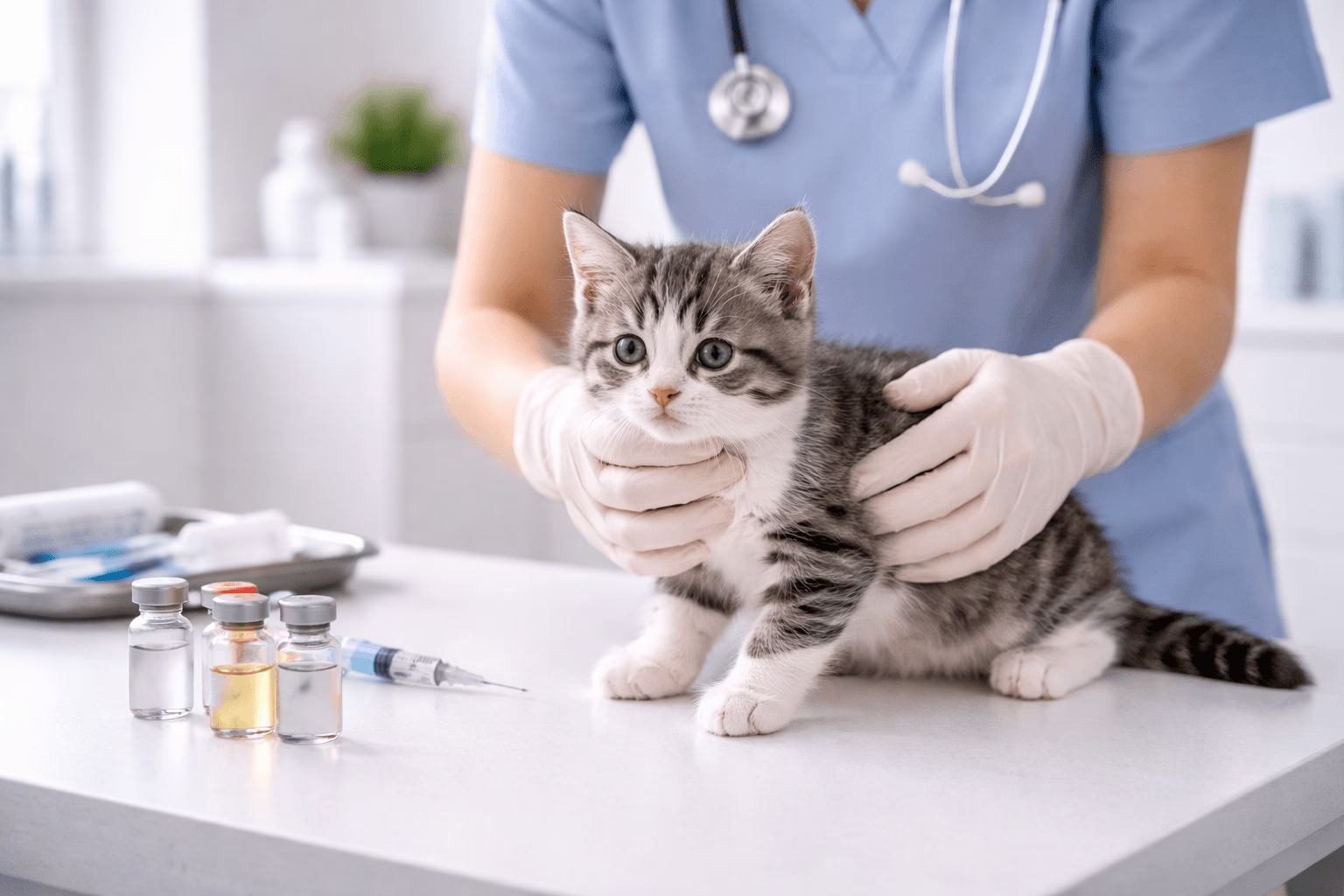
6–8 weeks: First FVRCP vaccine. Some veterinarians start as early as 6 weeks for high-risk kittens in shelters; others wait until 8 weeks for owned kittens with minimal exposure. This initial dose primes the immune system.
10–12 weeks: Second FVRCP booster. This dose strengthens the immune response as maternal antibodies decline. Many veterinarians also administer the first FeLV vaccine at this visit.
14–16 weeks: Third FVRCP booster and second FeLV vaccine (if the series was started). This final kitten dose ensures adequate protection once maternal antibodies have disappeared. Rabies vaccine is given at this visit or shortly after, depending on state law and vaccine product used. Most rabies vaccines are approved for use at 12 weeks or older.
One year (12–16 months): FVRCP and rabies boosters. This visit completes the initial immunization series and transitions your cat to the adult schedule.
Kittens adopted at unknown ages should start vaccines immediately and receive boosters every 3–4 weeks until they reach 16 weeks of age. Missing the proper window can leave gaps in protection.
Adult Cat Vaccination Schedule and Booster Shots
After completing the kitten series and one-year boosters, adult cats follow a maintenance schedule based on vaccine type and risk assessment.
FVRCP boosters are typically given every three years for most adult cats. Research shows that immunity to panleukopenia lasts many years, often for life after proper initial vaccination. Some veterinarians offer one-year FVRCP boosters for high-risk cats or those with uncertain vaccine history.
Rabies boosters follow state law and vaccine product labeling. One-year rabies vaccines require annual boosters. Three-year rabies vaccines allow boosters every three years after the initial one-year booster. Even if your state doesn’t enforce rabies vaccination strictly, maintaining current rabies status protects your family and prevents legal complications if your cat bites someone or is bitten by a potentially rabid animal.
FeLV boosters are recommended annually for cats with ongoing exposure risk. Indoor-only cats who tested negative and have no exposure to FeLV-positive cats may discontinue FeLV vaccination after kittenhood, though some veterinarians prefer continuing it in case the cat accidentally escapes or the household situation changes.
Titer testing measures antibody levels in your cat’s blood to assess immunity without revaccinating. This option appeals to owners concerned about over-vaccination, though it costs $100–$200 per test—often more than the vaccines themselves. Titer testing works well for FVRCP components but isn’t accepted as proof of rabies immunity for legal purposes. Most cats maintain protective titers for years, but low titers don’t always mean your cat is unprotected, since immune memory can produce rapid antibody response upon exposure.
What to Expect During a Vaccination Appointment
Understanding the vaccination process reduces anxiety for both you and your cat.
Before the appointment, make sure your cat is healthy. Vaccines work best when the immune system functions normally. Postpone vaccination if your cat shows signs of illness like lethargy, decreased appetite, vomiting, or diarrhea.
During the physical exam, your veterinarian checks your cat’s temperature, heart rate, respiratory rate, and overall condition. They palpate the abdomen, listen to the heart and lungs, examine the eyes, ears, and mouth, and assess body condition. This exam ensures your cat is healthy enough for vaccination and often catches early signs of other health problems.
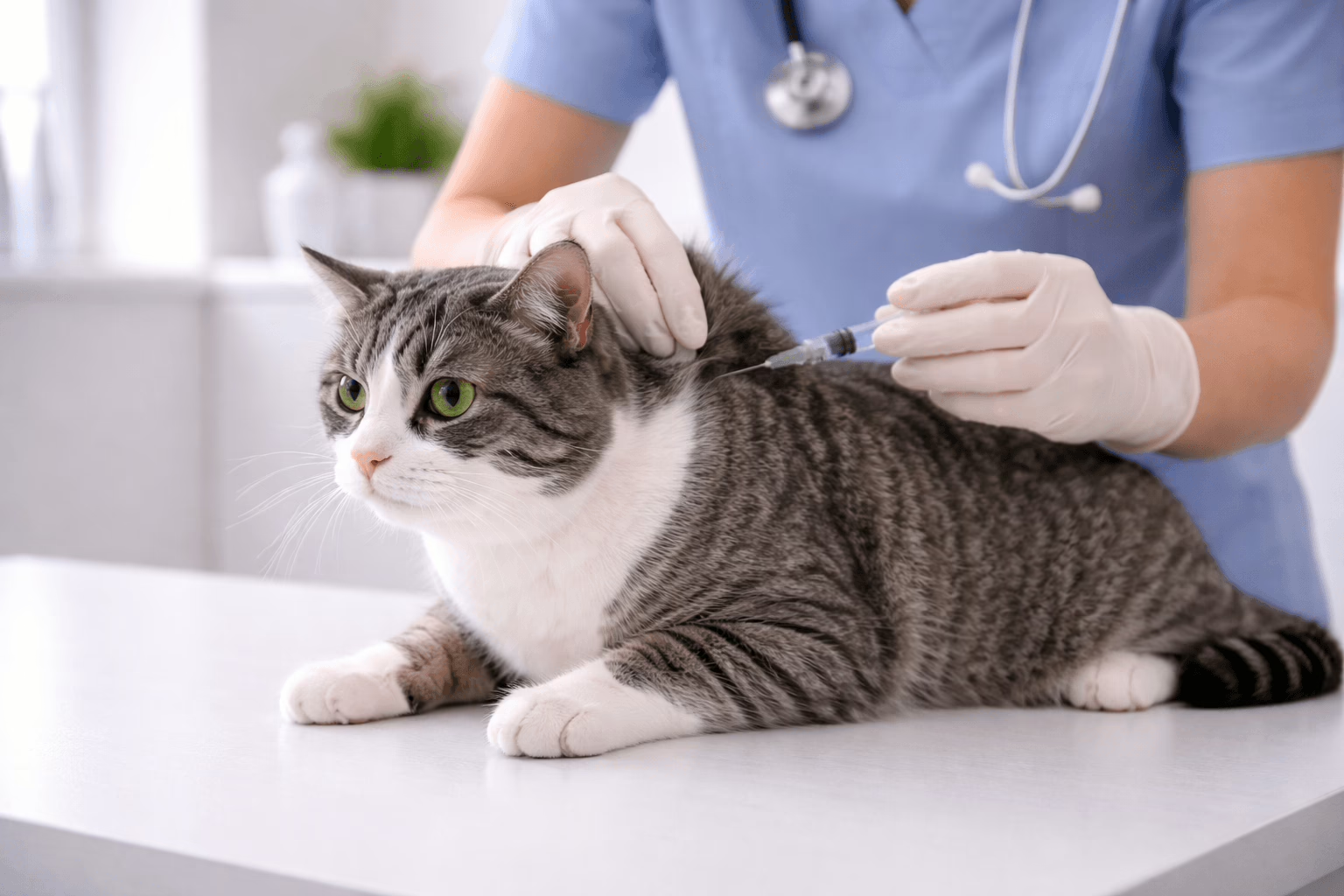
Vaccine administration takes only seconds. Most vaccines are injected subcutaneously (under the skin) in specific locations—typically the right shoulder for FVRCP and the right rear leg for rabies. This standardized placement helps track rare injection-site reactions. Your cat may flinch or vocalize briefly but shouldn’t experience significant pain.
Monitoring period: Many veterinarians ask you to wait 10–15 minutes after vaccination to watch for immediate allergic reactions, though these are uncommon. Severe reactions typically occur within the first 30 minutes.
Cost ranges vary by region and clinic type. Expect to pay $20–$40 per vaccine at a private veterinary practice, with exam fees adding $50–$100. Low-cost vaccination clinics charge $10–$25 per vaccine but may not include a full examination. Package deals for kitten series or wellness plans can reduce overall costs.
Side Effects and When to Call Your Vet
Most cats tolerate vaccines well, but mild side effects are common and expected as the immune system responds.

Normal mild reactions within 24–48 hours include:
- Soreness at the injection site
- Reduced appetite for one meal
- Mild lethargy or decreased activity
- Low-grade fever
- Small, firm swelling at the injection site that resolves within a few weeks
These signs indicate the immune system is working and typically resolve without treatment.
Moderate reactions that warrant a call to your veterinarian:
- Lethargy lasting more than 24 hours
- Refusing multiple meals
- Vomiting or diarrhea
- Lameness or pain when touching the injection area
- Swelling at the injection site that grows after the first week
Your veterinarian may recommend bringing your cat in for examination or providing supportive care at home depending on symptom severity.
Emergency signs requiring immediate veterinary attention:
- Facial swelling, especially around the eyes or muzzle
- Hives or widespread skin swelling
- Difficulty breathing or rapid breathing
- Collapse or severe weakness
- Persistent vomiting or diarrhea
- Seizures
These symptoms suggest anaphylaxis or other serious reactions. While rare (affecting fewer than 1 in 10,000 vaccinated cats), allergic reactions can be life-threatening and require prompt treatment with antihistamines, steroids, or epinephrine.
Injection-site sarcomas are rare cancerous tumors that can develop months to years after vaccination at the injection site. They occur in approximately 1 in 10,000 to 1 in 30,000 vaccinated cats. Report any lump at an injection site that persists longer than three months, grows larger than 2 centimeters, or increases in size one month after vaccination.
Kitten and Adult Cat Vaccination Schedule at a Glance
| Vaccine | Age for First Dose | Booster Schedule | Core or Non-Core |
|---|---|---|---|
| FVRCP (Panleukopenia, Herpesvirus, Calicivirus) | 6–8 weeks | Every 3–4 weeks until 16 weeks; booster at 1 year; then every 3 years | Core |
| Rabies | 12–16 weeks | Booster at 1 year; then every 1–3 years based on vaccine type and state law | Core |
| Feline Leukemia Virus (FeLV) | 8–12 weeks | Second dose 3–4 weeks later; booster at 1 year; then annually for at-risk cats | Non-core (core for kittens) |
| Bordetella | 8 weeks or older | Annual for at-risk cats | Non-core |
| Chlamydia | 8 weeks or older | Included in some FVRCP combinations; annual for at-risk cats | Non-core |
Vaccination is the single most important thing we can do to ensure cats live longer, healthier lives. Following the recommended schedule protects not only your cat but also the broader feline community by reducing disease transmission.
Dr. Sarah Miller
FAQs
No. Indoor cats still need core vaccines, especially rabies and FVRCP. Bats can enter homes through small openings, exposing indoor cats to rabies. Feline panleukopenia virus survives on shoes, clothing, and other objects you bring inside. If your indoor cat escapes or requires emergency boarding or veterinary hospitalization, unvaccinated status creates serious health risks. Rabies vaccination is legally required regardless of lifestyle.
Rabies vaccination is mandatory in all 50 states, though specific requirements vary. Most states require the first rabies vaccine by 3–6 months of age and regular boosters throughout life. Some municipalities also require licensing based on rabies vaccination status. No other cat vaccines are legally required, but boarding facilities, groomers, and veterinary hospitals typically require proof of FVRCP vaccination.
Kitten vaccine series typically cost $150–$250 total at private veterinary practices, including examination fees. Individual adult vaccines range from $20–$40 each, with exam fees adding $50–$100 per visit. Low-cost clinics and animal shelters often offer vaccines for $10–$25 each without examination fees. Wellness plans through veterinary practices may bundle vaccines with other preventive care at reduced annual rates.
While vaccines are available for purchase online and at farm supply stores, home vaccination is not recommended. Veterinarians provide proper storage, handling, and administration to ensure vaccine effectiveness. They also perform health examinations to confirm your cat can safely receive vaccines and monitor for adverse reactions. Home-administered vaccines aren’t accepted as proof of rabies vaccination for legal purposes, and improper technique can cause injury or vaccine failure.
Timing depends on which vaccine and how long it’s been. If your adult cat is a few months overdue for a three-year booster, one dose usually restores protection. If more than a year has passed since the last FVRCP or if your cat never completed the initial kitten series, your veterinarian may recommend restarting the series with two doses 3–4 weeks apart. For rabies, local laws determine whether a late booster requires restarting the series. Contact your veterinarian to create a catch-up plan specific to your cat’s situation.
Yes, but the protocol may change. Senior cats (generally considered 11 years and older) still need rabies vaccination to comply with legal requirements. For FVRCP and other vaccines, your veterinarian will weigh immune system changes, overall health status, lifestyle factors, and disease risk. Some senior cats with chronic health conditions may receive vaccines less frequently or undergo titer testing to assess immunity. Never discontinue vaccines without consulting your veterinarian, as older cats can still contract and suffer from vaccine-preventable diseases.
A proper vaccination schedule protects your cat from deadly diseases while fulfilling legal obligations and supporting community health. Start kittens on vaccines at 6–8 weeks, complete the series through 16 weeks with a one-year booster, then maintain adult boosters based on your cat’s risk factors and your veterinarian’s recommendations. Core vaccines—FVRCP and rabies—benefit every cat, while non-core vaccines suit specific situations. Watch for mild side effects after vaccination but seek immediate care for severe reactions. Work with your veterinarian to create a personalized immunization plan that balances disease protection with your cat’s individual health needs. Consistent vaccination, combined with regular wellness exams, gives your cat the best foundation for a long, healthy life.