
- The Science Behind Cat Scratching Behavior
- Why Cats Target Your Sofa and Other Furniture
- Health and Wellness Reasons Cats Scratch
- Common Mistakes That Make Scratching Worse
- Proven Methods to Prevent Furniture Scratching
- When to Consult a Veterinarian or Behaviorist
- Scratching Post Materials: What Cats Prefer
Every cat owner knows the sinking feeling of discovering fresh claw marks on their favorite armchair. Your cat isn’t being malicious—they’re simply following millions of years of evolutionary programming. Understanding these deep-rooted instincts transforms frustration into effective solutions that respect your cat’s natural needs while protecting your home.
The Science Behind Cat Scratching Behavior
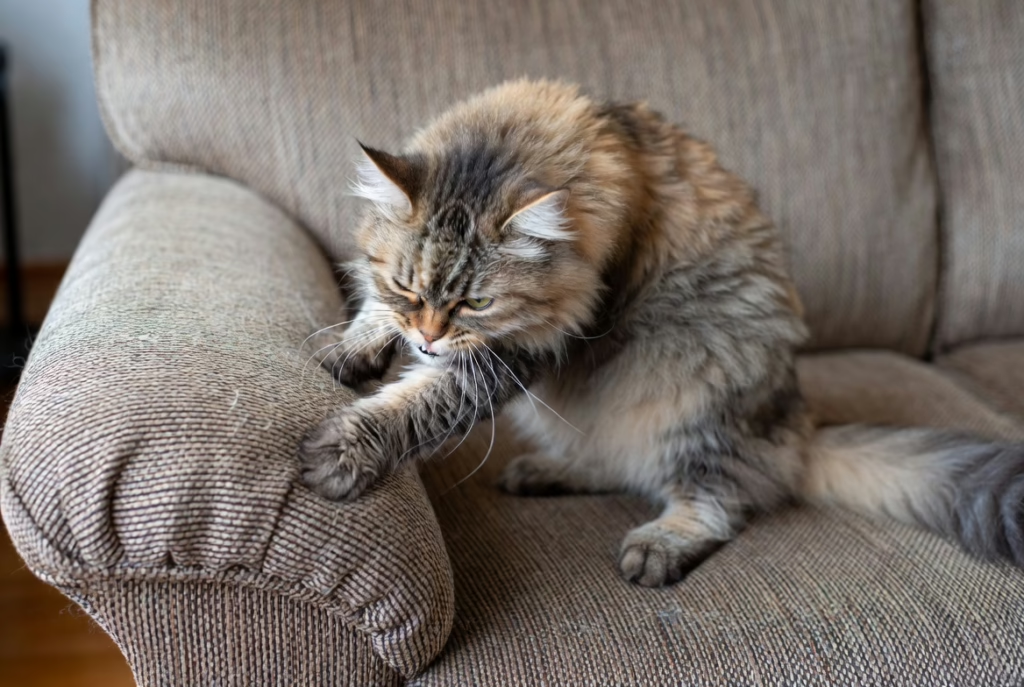
Cats scratch for reasons hardwired into their DNA. Wild felines use their claws for survival: hunting, climbing, and defending territory. Your domestic cat retains these same biological drives despite living in a predator-free apartment.
Territory marking ranks among the primary scratching reasons cats exhibit this behavior. Cats possess scent glands in their paw pads that deposit pheromones onto scratched surfaces. These chemical signatures communicate ownership to other cats and create a familiar scent environment that reduces anxiety. The visual marks serve as additional territorial flags, especially important in multi-cat households where boundary disputes arise frequently.
Claw maintenance represents another essential function. The outer sheath of a cat’s claw grows continuously and must be shed to reveal the sharp new claw underneath. Scratching strips away these dead layers efficiently. Indoor cats particularly need this activity since they lack the natural claw-wearing opportunities that outdoor cats encounter through climbing trees and digging.
Cat scratching behavior also serves as a full-body workout. When your cat reaches up to scratch, they’re stretching muscles throughout their spine, shoulders, and legs. This movement maintains flexibility and muscle tone—watch closely and you’ll notice cats often scratch immediately after waking from a nap, combining their morning stretch with claw care.
Emotional expression through scratching often gets overlooked. Cats scratch when excited, frustrated, or anxious. A cat might scratch vigorously after you return home from work (excitement) or when denied access to a window perch (frustration). These cat habits scratching create reflect their internal emotional state and provide a physical outlet for feelings they can’t verbalize.
Why Cats Target Your Sofa and Other Furniture
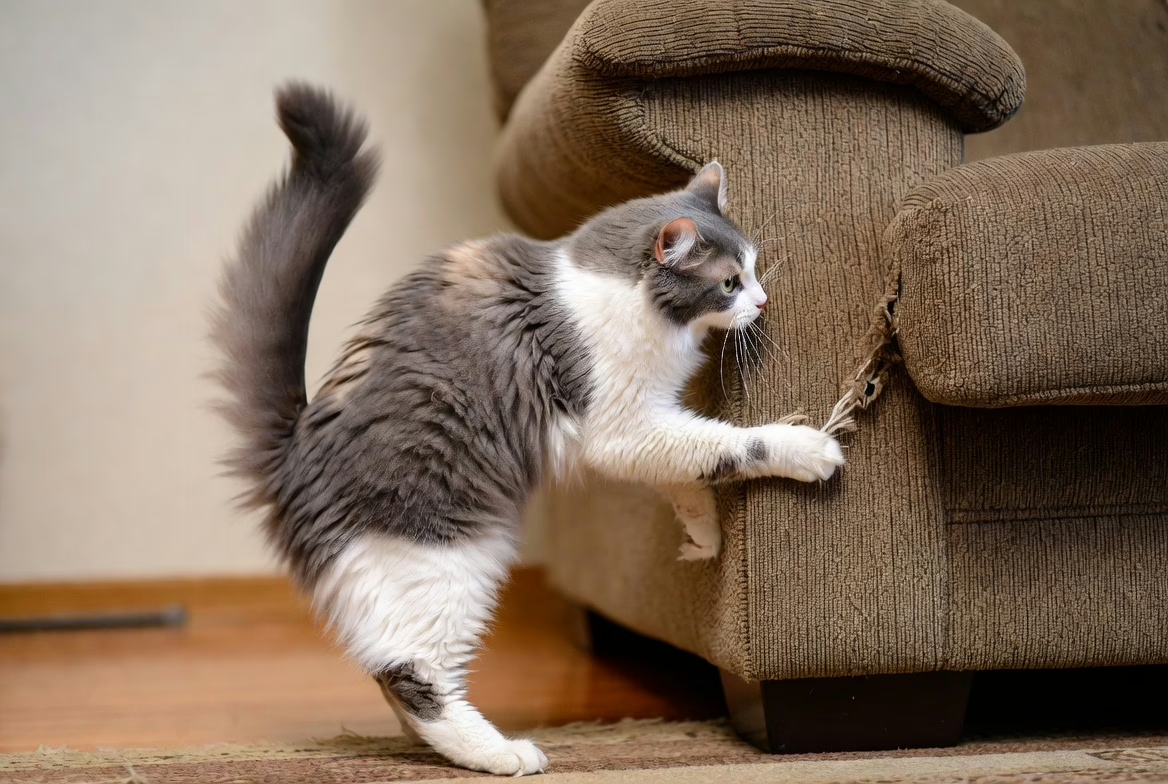
Your expensive sofa possesses qualities that make it irresistible to cats. Texture drives much of this preference. Woven fabrics catch claws perfectly, providing satisfying resistance that allows effective sheath removal. Smooth surfaces like finished wood or metal don’t engage claws properly, making them less appealing targets.
Location visibility matters tremendously when understanding why cats scratch furniture. Cats prefer scratching in high-traffic areas where their territorial marks receive maximum exposure. The living room sofa sits in a social hub where family members gather, making it prime real estate for scent marking. A scratching post hidden in a basement laundry room fails because it doesn’t fulfill the territorial communication function.
Why cats scratch sofas specifically often relates to height and stability. Cats need to stretch vertically, and a tall sofa back or armrest provides the perfect anchor point. Furniture weight prevents wobbling—cats immediately abandon unstable scratching surfaces because they can’t get proper leverage.
Existing damage creates a vicious cycle. Once your cat has scratched a spot, their scent remains embedded in the material. This familiar scent draws them back repeatedly, like a bookmark saying “scratch here.” Fresh furniture in the same location might initially escape damage, but cats often return to the same general area out of habit.
Corner placement also influences furniture targeting. Cats naturally gravitate toward edges and corners for scratching because these locations serve as territorial boundaries. An armchair positioned at the room’s corner becomes a triple threat: good texture, prominent location, and boundary marker.
Health and Wellness Reasons Cats Scratch
Cat claw behavior directly impacts physical health. Overgrown claws curve into paw pads, causing pain and infection. Regular scratching naturally limits claw length, though most indoor cats still require periodic trimming since they don’t wear down claws as quickly as outdoor cats.
The stretching component of scratching maintains spinal health and joint flexibility. Cats are crepuscular hunters designed for explosive bursts of activity. Their muscles and tendons require regular stretching to prevent stiffness. Elderly cats who stop scratching often develop mobility issues—the behavior itself serves as preventive medicine.
Stress relief through scratching functions similarly to human exercise. Anxious cats scratch more frequently, using the physical activity to burn nervous energy. Changes in household routine, new pets, or rearranged furniture can trigger increased cat scratching behavior as your cat attempts to re-establish territorial security and self-soothe.
Scratching also promotes healthy blood circulation to the paws and claws. The repetitive motion stimulates blood flow, keeping tissues healthy and responsive. Cats with restricted scratching opportunities sometimes develop brittle or malformed claws due to reduced circulation and lack of natural maintenance.
Common Mistakes That Make Scratching Worse

Punishment backfires spectacularly with cats. Yelling, squirt bottles, or physical corrections create fear and anxiety without addressing the underlying need to scratch. Your cat doesn’t understand the punishment relates to furniture damage—they only learn that you’re unpredictable and scary. Anxious cats actually scratch more, creating a counterproductive cycle.
Declawing remains one of the most damaging mistakes owners make. This surgical procedure amputates the last bone of each toe, equivalent to removing human fingertips at the last knuckle. Declawed cats frequently develop chronic pain, litter box aversion (painful paws make digging uncomfortable), and aggression issues. Most veterinary associations now condemn the practice except in rare medical emergencies. Declawing doesn’t prevent scratching cats—it just makes them do it ineffectively and painfully.
Wrong deterrent products waste money and frustration. Citrus sprays work for some cats but attract others. Aluminum foil deters certain individuals while others ignore it completely. Double-sided tape shows better success rates, but only if you simultaneously provide appealing alternatives nearby. Using deterrents alone without offering proper scratching outlets simply relocates the problem to different furniture.
Ignoring the root cause guarantees failure. Buying a single scratching post and expecting complete behavior change overlooks the complexity of cat scratching behavior. Cats need multiple scratching options in various locations, textures, and orientations. One post in a corner doesn’t address territorial marking needs throughout your home.
Inconsistent responses confuse cats. Allowing scratching sometimes (when you’re in a good mood) but punishing it other times (when you’re stressed) creates unpredictable consequences that increase anxiety. Cats thrive on consistency—your response to scratching should remain identical every time.
Proven Methods to Prevent Furniture Scratching
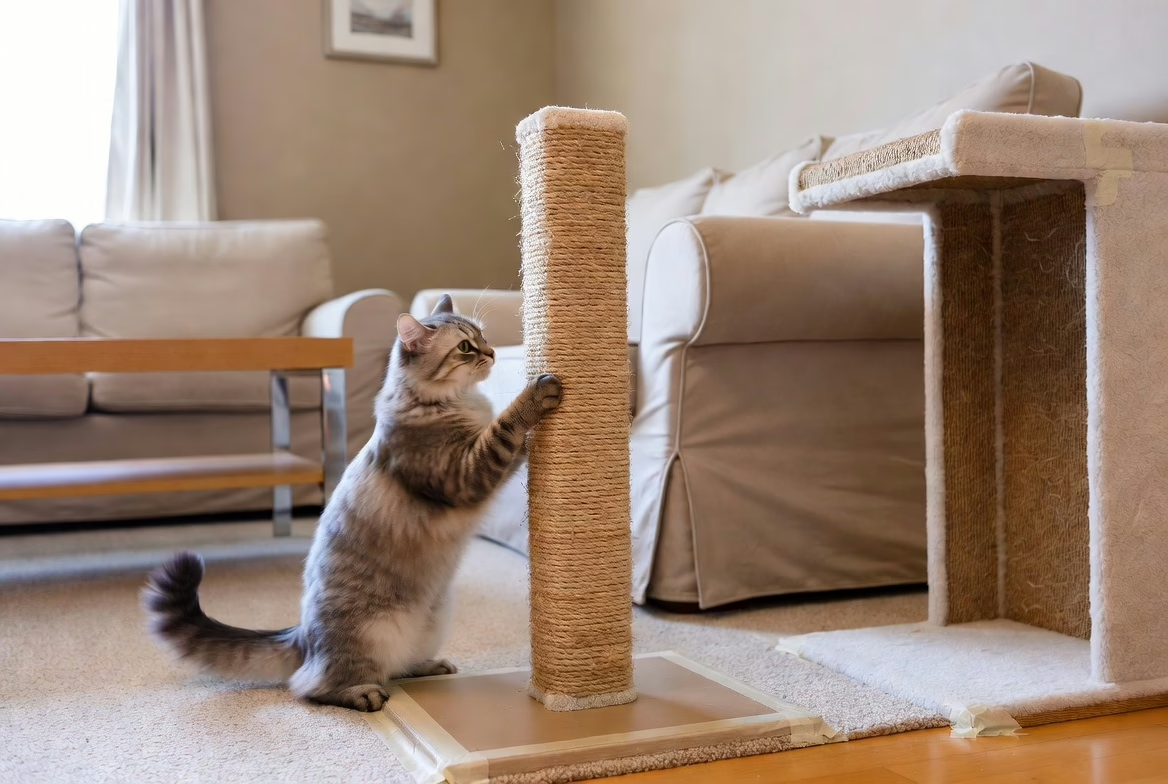
Successfully preventing scratching cats from damaging furniture requires a multi-pronged approach that satisfies their biological needs while protecting your belongings.
Strategic placement of scratching posts makes or breaks success. Position posts directly next to targeted furniture—within two feet initially. Cats already associate that location with scratching, so you’re redirecting existing behavior rather than creating new habits. Place additional posts near sleeping areas (for post-nap stretching), by windows (excitement scratching when birds appear), and in social areas (territorial marking).
Texture variety addresses individual preferences. Some cats prefer vertical sisal posts, others love horizontal cardboard scratchers, and many enjoy carpet-covered angles. Offer at least three different textures and observe which gets used most frequently. Cat habits scratching reveal clear preferences within days.
Positive reinforcement accelerates training. When your cat uses the scratching post, immediately reward with treats, praise, or play. Catnip rubbed on posts attracts many cats initially. Interactive play sessions that end at the scratching post create positive associations—drag a feather toy up the post and let your cat “catch” it there.
Deterrent sprays and physical barriers protect furniture during the transition period. Apply double-sided tape to scratched areas—cats dislike the sticky sensation on their paws. Furniture covers or plastic shields provide temporary protection. Combine deterrents with rewards for using appropriate scratching surfaces.
Nail caps offer a humane temporary solution. These soft plastic covers glue onto trimmed claws, blunting the damage potential. They last 4-6 weeks before naturally shedding with claw growth. Nail caps work well during training periods or for cats who refuse to adapt to scratching posts. Some cats tolerate them easily; others find them initially annoying.
Regular trimming reduces damage severity. Trim claw tips every 2-3 weeks, removing just the sharp point. This doesn’t eliminate scratching behavior but makes it less destructive. Pair trimming with treats to create positive associations.
Choosing the Right Scratching Post
Height matters more than most owners realize. Posts must allow full vertical stretching—minimum 30 inches tall for average cats, taller for large breeds like Maine Coons. Short posts frustrate cats and get ignored.
Stability is non-negotiable. Wobbly posts scare cats and won’t be used. The base should be heavy and wide enough to prevent tipping during vigorous scratching. Wall-mounted posts eliminate stability concerns entirely.
Material preferences vary by individual. Sisal rope provides excellent claw engagement and durability. Cardboard scratchers appeal to many cats but require frequent replacement. Carpet works if it differs from your furniture fabric. Wood posts satisfy cats who like bark-scratching.
Training Techniques That Work
Redirection requires patience and timing. When you catch your cat scratching furniture, calmly carry them to the appropriate post and praise enthusiastically when they scratch it. Never punish—simply redirect and reward.
Scent transfer helps establish new scratching locations. Rub a soft cloth on your cat’s cheeks (where scent glands concentrate), then rub that cloth on the scratching post. This deposits familiar pheromones that encourage investigation.
Gradual furniture protection allows habit formation. Cover targeted furniture completely for 2-4 weeks while intensively rewarding post usage. Slowly reduce coverage as your cat consistently chooses the post.
When to Consult a Veterinarian or Behaviorist

Sudden changes in cat scratching behavior warrant professional evaluation. A cat who never scratched furniture but suddenly starts may have developed arthritis, making their usual scratching post too difficult to use. Medical issues often manifest as behavior changes.
Excessive scratching accompanied by licking, biting, or hair loss suggests allergies, parasites, or skin conditions. Cat claw behavior that includes constant scratching at themselves rather than objects requires veterinary examination.
Aggression during scratching sessions indicates pain or extreme stress. A cat who hisses, swats, or bites when you approach their scratching areas may be guarding resources due to anxiety or experiencing discomfort that makes them defensive.
Anxiety indicators include scratching combined with hiding, appetite changes, litter box problems, or excessive vocalization. A certified cat behaviorist can identify environmental stressors and develop comprehensive treatment plans that address underlying emotional issues.
Obsessive-compulsive scratching—repetitive scratching in the same spot for extended periods—may require behavioral medication alongside environmental modifications. This level of intervention needs professional guidance.
Scratching Post Materials: What Cats Prefer
| Material Type | Durability | Cat Preference Rating | Best For | Price Range |
|---|---|---|---|---|
| Sisal Rope | Excellent (1-3 years) | High (8/10) | Vertical posts, aggressive scratchers | $25-$80 |
| Cardboard | Poor (1-3 months) | Very High (9/10) | Budget-conscious, texture variety | $8-$25 |
| Carpet | Good (6-12 months) | Medium (6/10) | Cats who scratch carpeted stairs | $20-$60 |
| Natural Wood | Excellent (2-5 years) | Medium-High (7/10) | Outdoor-minded cats, aesthetic appeal | $40-$120 |
| Sisal Fabric | Very Good (1-2 years) | High (8/10) | Horizontal scratchers, wall-mounted | $30-$70 |
Scratching is as natural and necessary for cats as grooming. Attempting to eliminate this behavior entirely causes psychological distress and often leads to worse behavioral problems. The solution isn’t stopping cats from scratching—it’s providing appropriate outlets that satisfy their biological needs while protecting household items. Owners who understand scratching as communication and self-care rather than destruction have far greater success in redirecting the behavior humanely.
Dr. Sarah Chen
FAQs
All cats possess the biological drive to scratch regardless of breed. However, activity levels influence scratching frequency. High-energy breeds like Bengals, Abyssinians, and Siamese tend to scratch more vigorously and frequently than laid-back breeds like Persians or Ragdolls. Individual personality matters more than breed—an energetic domestic shorthair will scratch more than a lazy purebred. Kittens and young cats scratch more than seniors due to higher energy levels and greater flexibility needs.
Scratching itself isn’t inherently emotional—it’s normal maintenance behavior. However, sudden increases in scratching intensity or frequency often indicate stress, anxiety, or excitement. Context matters: scratching after you return home signals happiness and territorial re-marking. Excessive scratching during household changes (new baby, moving, renovations) suggests anxiety. Aggressive scratching accompanied by hissing, flattened ears, or dilated pupils indicates anger or fear. Monitor the overall behavioral pattern rather than isolated scratching incidents.
Nail trimming reduces damage severity but doesn’t eliminate scratching behavior. Cats with trimmed nails still need to scratch for territory marking, stretching, and emotional expression. Trimming removes the sharp tip that causes deep fabric snags, making scratching less destructive. Combine regular trimming (every 2-3 weeks) with proper scratching post provision for best results. Trimming alone without addressing the underlying need to scratch fails to protect furniture long-term.
Most cats show preference for appropriate scratching surfaces within 2-4 weeks of consistent training. Young cats adapt faster than adults with established furniture-scratching habits—kittens often learn within days. Success depends on post placement, texture matching, and reward consistency. Older cats with years of furniture-scratching history may require 6-8 weeks of patient redirection. Some stubborn individuals need 2-3 months. Consistency determines speed: daily redirection and rewards produce faster results than sporadic efforts.
Nail caps are generally safe when properly applied and monitored. They don’t interfere with normal claw retraction and allow cats to scratch without causing damage. Potential issues include allergic reactions to adhesive (rare), caps falling off and being swallowed (usually pass harmlessly), or improper application causing discomfort. Outdoor cats shouldn’t wear nail caps since they need claws for climbing and defense. Replace caps as they shed naturally every 4-6 weeks. Some cats tolerate them immediately; others need gradual acclimation. Consult your veterinarian for proper application technique.
Scratching furniture stems from natural, healthy feline instincts rather than behavioral problems or spite. Your cat marks territory, maintains claw health, stretches muscles, and expresses emotions through this hardwired behavior. Successful solutions respect these biological needs while protecting your belongings through strategic scratching post placement, texture variety, and positive reinforcement.
Punishment and declawing create more problems than they solve, often resulting in anxious, aggressive cats with chronic pain. Instead, redirect scratching energy toward appropriate surfaces by understanding your cat’s preferences and motivations. Most furniture damage stops within a month when you provide appealing alternatives in the right locations with consistent rewards.
The investment in quality scratching posts, nail maintenance, and patient training pays dividends in preserved furniture and a happier, healthier cat. Your scratching cat isn’t destroying your home—they’re simply being a cat. Give them the tools to express their nature appropriately, and everyone wins.