


How to Travel with a Cat Safely and Stress-Free
Traveling with cats requires careful planning and preparation. This comprehensive guide covers everything from carrier selection and vehicle safety to airline policies and anxiety management, helping you transport your feline companion safely whether driving across town or flying cross-country.

How to Bathe a Cat Safely at Home
Most cats groom themselves, but sometimes a proper bath becomes necessary. Whether your cat has a medical condition, got into something messy, or needs help with hygiene, knowing the right bathing technique makes all the difference. Learn when cats need baths, what supplies you need, and step-by-step instructions.

Cat Age Chart for Every Life Stage
Discover how cats really age compared to humans using an accurate cat age chart. The old multiply-by-seven rule is wrong—learn the true conversion formula and understand your cat's life stage from kitten through geriatric years for better care at every age.

How Cat Smell Sense Works and Why It Matters
Cats navigate their world primarily through scent. With 200 million olfactory receptors, felines process their environment through an intricate system that influences everything from food choices to social bonds. Learn how your cat's nose works and why it matters.
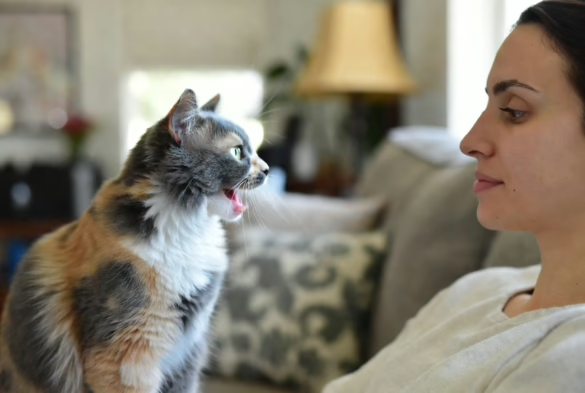
Why Cats Meow?
Adult cats rarely meow at each other—they developed this behavior specifically to communicate with humans. Learn to decode your cat's meows, from food demands to stress signals, and discover when increased vocalization indicates health concerns requiring veterinary attention.

Why Cats Knead and What This Behavior Means
Cat kneading behavior connects to nursing instincts, territorial marking, and emotional comfort. This rhythmic paw motion signals contentment, trust, and security. Understanding why your cat kneads helps you interpret their emotional state and respond appropriately to this endearing feline behavior.

Cat Stress Signs Every Owner Should Recognize
Cats hide discomfort remarkably well, but subtle shifts in behavior and physical presentation reveal stress. Learn to recognize body language indicators, grooming changes, litter box issues, hiding, aggression, and vocalization changes that signal your cat needs help before minor stress becomes serious.