


How to Provide Proper Cat Dental Care at Home?
Most cats show dental disease by age three, yet owners often miss the signs. Proper dental care prevents painful infections, preserves eating ability, and adds years to your cat's life. This comprehensive guide covers everything from tooth brushing techniques to recognizing gum problems.

How to Travel with a Cat Safely?
Traveling with cats requires careful planning and preparation. This comprehensive guide covers everything from carrier selection and vehicle safety to airline policies and anxiety management, helping you transport your feline companion safely whether driving across town or flying cross-country.

How to Bathe a Cat Safely at Home
Most cats groom themselves, but sometimes a proper bath becomes necessary. Whether your cat has a medical condition, got into something messy, or needs help with hygiene, knowing the right bathing technique makes all the difference. Learn when cats need baths, what supplies you need, and step-by-step instructions.

How Cat Smell Sense Works?
Cats navigate their world primarily through scent. With 200 million olfactory receptors, felines process their environment through an intricate system that influences everything from food choices to social bonds. Learn how your cat's nose works and why it matters.

Cat Digestive Problems Guide
Digestive upset ranks among the most frequent health complaints veterinarians hear from cat owners. Understanding the signs—from vomiting and diarrhea to constipation—helps you respond appropriately and know when professional care becomes necessary for your cat's health.

Cat Feeding Mistakes
Many cat owners unknowingly make feeding errors that shorten their pet's lifespan or trigger chronic illness. From portion control problems and wrong food types to hydration mistakes and ignoring life stage needs, these common missteps affect millions of cats across the United States.
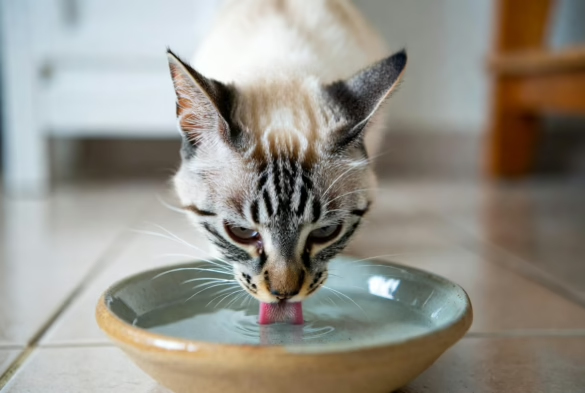
Cat Hydration Needs Guide
Water forms the foundation of feline health, yet many cat owners struggle to determine if their pets drink enough. Cats evolved from desert ancestors with naturally low thirst drives, making them prone to chronic dehydration. Understanding specific water requirements and early warning signs prevents serious complications.
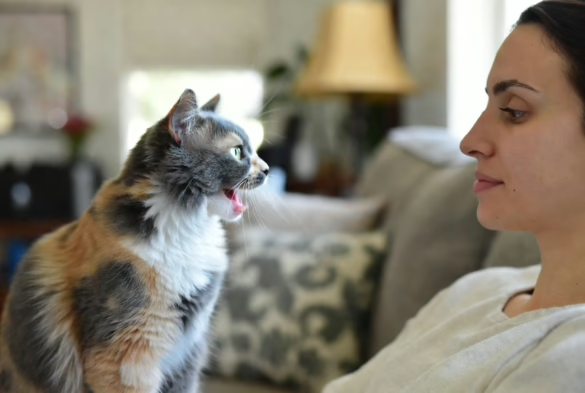
Why Cats Meow?
Adult cats rarely meow at each other—they developed this behavior specifically to communicate with humans. Learn to decode your cat's meows, from food demands to stress signals, and discover when increased vocalization indicates health concerns requiring veterinary attention.

Why Cats Knead and What This Means?
Cat kneading behavior connects to nursing instincts, territorial marking, and emotional comfort. This rhythmic paw motion signals contentment, trust, and security. Understanding why your cat kneads helps you interpret their emotional state and respond appropriately to this endearing feline behavior.

Cat Stress Signs Every Owner Should Recognize
Cats hide discomfort remarkably well, but subtle shifts in behavior and physical presentation reveal stress. Learn to recognize body language indicators, grooming changes, litter box issues, hiding, aggression, and vocalization changes that signal your cat needs help before minor stress becomes serious.