
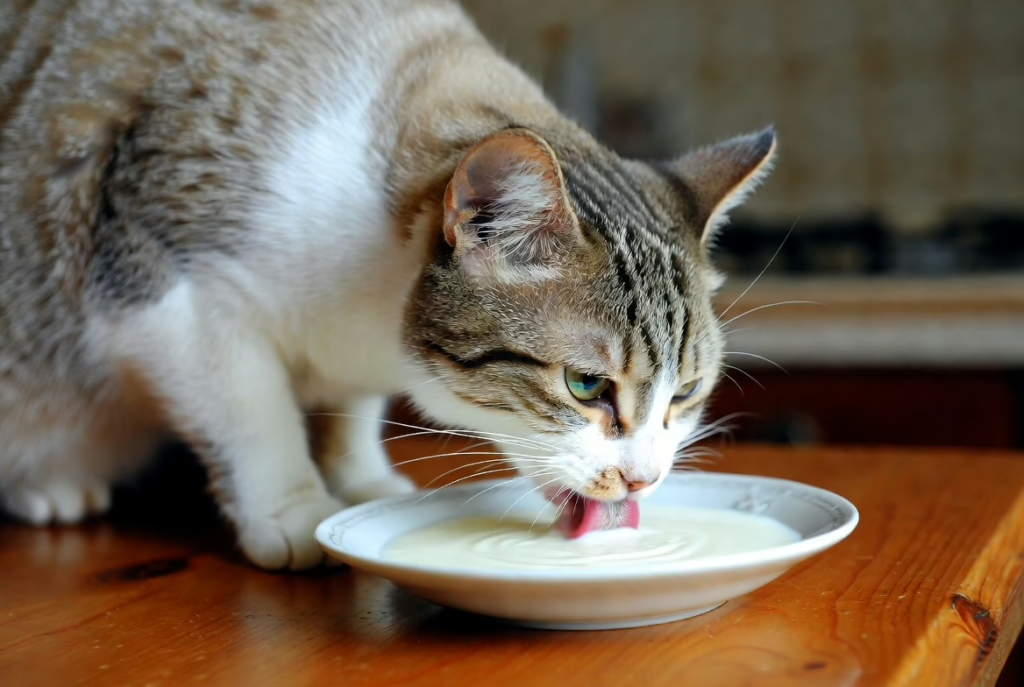
The image of a contented cat lapping up a saucer of milk appears in countless cartoons, children’s books, and advertisements. This charming scene has shaped generations of pet owners’ beliefs about feline dietary needs. Yet veterinary science tells a different story—one that contradicts decades of cultural conditioning and reveals why that bowl of dairy might send your cat running for the litter box within hours.
Most adult cats lack sufficient amounts of lactase, the enzyme required to break down lactose found in cow’s milk. When well-meaning owners pour milk for their pets, they’re often setting the stage for digestive distress rather than providing a treat. Understanding the biological reality behind feline dairy consumption helps protect your cat’s health while dispelling persistent misconceptions about what belongs in their diet.
Why Cats and Milk Don’t Mix
The cats and milk myth stems from historical farming practices where barn cats received fresh milk during milking sessions. These working cats controlled rodent populations and often consumed whatever dairy products farmers provided. The practice became romanticized in popular culture, cementing the association between felines and milk despite the digestive consequences many cats experienced.
Biologically, kittens produce lactase to digest their mother’s milk during the nursing period. As cats mature and wean off maternal milk—typically by eight to ten weeks of age—their bodies dramatically reduce lactase production. This evolutionary adaptation makes sense: adult cats in natural environments would never encounter milk after weaning, so maintaining lactase production would waste biological resources.
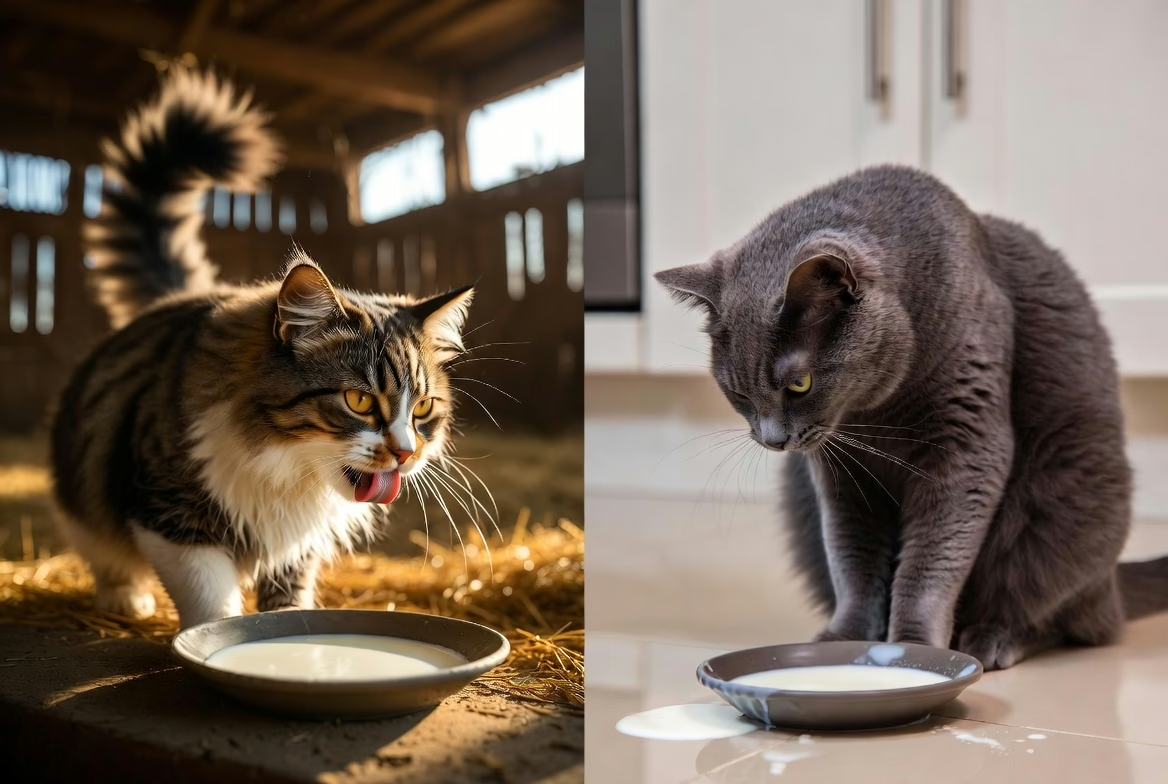
The composition of cow’s milk differs significantly from feline milk. Cat milk contains higher protein and fat levels while having less lactose than cow’s milk. When adult cats consume bovine dairy products, their digestive systems face a substance they’re no longer equipped to process efficiently. The mismatch between what their bodies expect and what they receive triggers the uncomfortable symptoms many owners witness but don’t always connect to that innocent-looking saucer of milk.
Cultural reinforcement keeps this myth alive. Pet food commercials, greeting cards, and media representations continue showing cats happily drinking milk without depicting the aftermath. New cat owners naturally assume this widely depicted behavior must be safe and appropriate, perpetuating the cycle across generations.
How Lactose Intolerance Affects Cats
Lactose intolerance in cats mirrors the condition in humans but affects a much higher percentage of the feline population. Studies indicate that approximately 50-90% of adult cats have some degree of lactose intolerance, with the severity varying among individual animals. This isn’t an allergy—it’s an enzymatic deficiency that impacts cat dairy digestion at a fundamental level.
When a lactose intolerant cat consumes milk, the lactose molecules pass through the stomach into the small intestine largely intact. Without adequate lactase enzymes to break these complex sugars into simpler, absorbable forms (glucose and galactose), the lactose continues through the digestive tract unprocessed. The undigested lactose draws water into the intestinal lumen through osmosis, creating the liquid environment that leads to diarrhea.
Simultaneously, bacteria in the large intestine ferment the undigested lactose, producing gas, short-chain fatty acids, and other byproducts. This fermentation process causes bloating, cramping, and the uncomfortable distension that leaves cats restless and clearly uncomfortable. The gas production can be substantial enough to cause audible gurgling sounds from your cat’s abdomen.
The severity of symptoms depends on several factors: the amount of milk consumed, the individual cat’s residual lactase production, and the specific bacterial populations in their gut microbiome. Some cats retain slightly more lactase activity than others, allowing them to tolerate very small amounts of dairy without obvious distress. However, even these cats aren’t truly digesting the lactose efficiently—they’re simply experiencing milder symptoms that owners might not immediately notice.
Cat dairy digestion also slows when processing dairy products, as the undigested lactose and resulting inflammation can temporarily impair the intestinal lining’s ability to absorb nutrients from other foods. Repeated dairy consumption can create a cycle of digestive upset that affects overall nutritional status.
What Happens When Cats Drink Milk
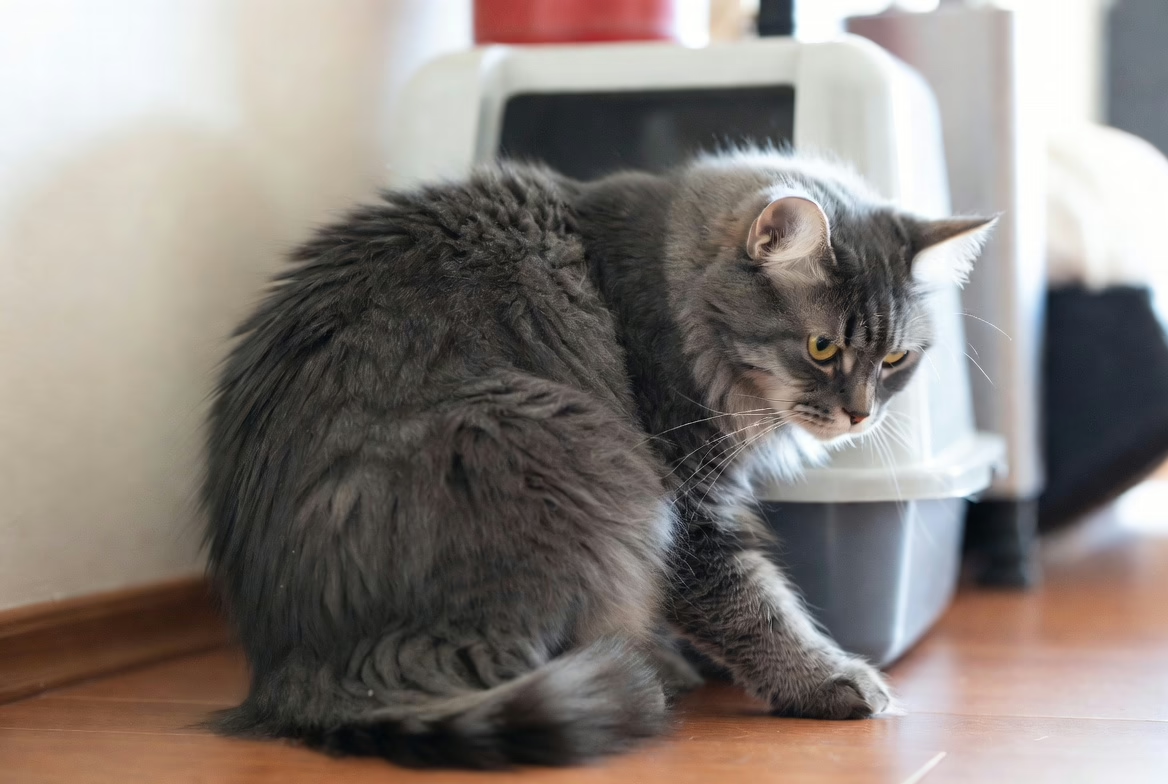
The milk effects cats experience typically begin within two to twelve hours after consumption, though the timeline varies based on individual digestive transit times and the volume ingested. The first sign many owners notice is increased trips to the litter box, often accompanied by loose or watery stools that may have an unusually strong odor due to bacterial fermentation.
Vomiting can occur in cats with severe lactose intolerance or those who consumed larger quantities of milk. The nausea results from the rapid fluid shifts in the intestines and the inflammatory response triggered by undigested lactose. Cats may exhibit the classic pre-vomiting behaviors: excessive swallowing, drooling, and seeking out cool surfaces to lie on.
Abdominal discomfort manifests in various ways. Your cat might assume a hunched posture, resist being picked up or touched around the midsection, vocalize more than usual, or exhibit restlessness—repeatedly changing positions without settling comfortably. Some cats become lethargic as their bodies divert energy toward managing the digestive crisis.
Gas production can make cats visibly uncomfortable. Unlike dogs, cats rarely release gas audibly, so the pressure builds internally, contributing to cramping and bloating. You might notice your cat’s abdomen appears distended or feels tighter than normal when gently palpated.
Dehydration becomes a concern when diarrhea is severe or prolonged. The rapid fluid loss through watery stools can quickly compromise a cat’s hydration status, particularly in kittens, senior cats, or those with underlying health conditions. Signs include tacky gums, decreased skin elasticity, sunken eyes, and reduced energy levels.
In rare cases, cats develop secondary complications. Severe diarrhea can irritate the rectal area, causing discomfort during defecation. The disruption to normal gut flora may create opportunities for harmful bacteria to proliferate. Cats with inflammatory bowel disease or other gastrointestinal sensitivities may experience exacerbated symptoms that persist beyond the typical recovery period.
Most cats recover fully within 24 to 48 hours once dairy consumption stops, assuming no other complications arise. However, the temporary distress and potential for dehydration make milk an unnecessary risk with no nutritional benefit that justifies its use.
Common Cat Nutrition Myths About Dairy
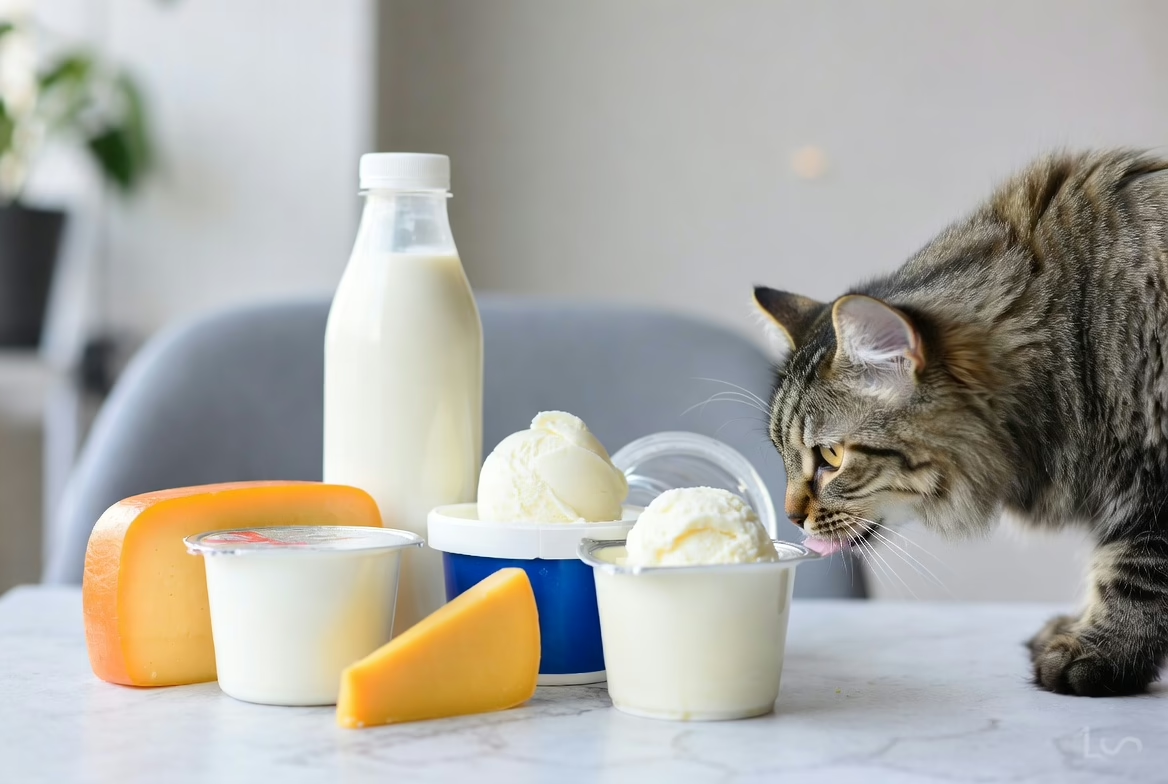
Beyond the milk question, cat nutrition myths surround numerous dairy products that owners consider offering as treats or supplements. Cheese frequently appears on this list, with owners assuming the solid form and aging process make it safer than liquid milk. While cheese contains less lactose than milk—aging reduces lactose content as bacteria consume it—most cheeses still contain enough lactose to trigger symptoms in sensitive cats. Hard, aged cheeses like cheddar or parmesan have the lowest lactose levels but remain high in fat and salt, creating different health concerns.
Yogurt carries a reputation as a “healthier” dairy option due to its probiotic content and reduced lactose levels. The bacterial cultures in yogurt do pre-digest some lactose, making it slightly more tolerable than milk. However, most cats still lack sufficient lactase to comfortably process yogurt, and the added sugars in many commercial yogurts introduce additional problems. Plain, unsweetened yogurt in very small amounts might not cause immediate distress in some cats, but it offers no nutritional advantages over cat-appropriate foods.
Ice cream combines multiple problematic elements: high lactose content, significant sugar levels, and often chocolate or artificial sweeteners like xylitol that are toxic to cats. Even “safe” flavors like vanilla contain enough lactose and sugar to cause digestive upset, and the cold temperature can shock sensitive stomachs.
Butter and cream represent concentrated milk fats with moderate lactose content. While some cats might tolerate tiny amounts without obvious symptoms, the high fat content can trigger pancreatitis in susceptible cats—a serious condition that causes severe abdominal pain, vomiting, and potentially life-threatening complications.
The underlying cats and milk myth extends to a broader misconception that cats need dairy for calcium or other nutrients. Adult cats obtain all necessary calcium from properly formulated cat food. Their nutritional requirements differ fundamentally from humans, and dairy products offer no essential nutrients that aren’t better supplied through species-appropriate diets.
Some owners believe “organic” or “raw” milk avoids the problems associated with conventional dairy. The lactose content remains identical regardless of processing method or farming practices. Raw milk introduces additional risks, including bacterial contamination with Salmonella, E. coli, or Listeria that can sicken cats and potentially transmit to humans through contact with infected feces.
The idea that cats should drink milk is deeply embedded in our culture, but it’s not based on feline nutritional needs. Most adult cats are lactose intolerant to some degree. While they may enjoy the taste, we’re essentially giving them something that causes gastrointestinal upset. It’s one of those situations where what seems like a treat is actually causing discomfort we don’t immediately witness.
Dr. Jennifer Coates
Safe Alternatives to Cow’s Milk for Cats
For owners wanting to offer liquid treats beyond water, several options exist that don’t compromise digestive health. Lactose-free cat milk products specifically formulated for felines appear in pet stores and veterinary offices. These products remove or break down lactose while adding taurine and other nutrients cats require. They provide the sensory experience of drinking milk without the digestive consequences, though they should remain occasional treats rather than dietary staples.
Fresh, clean water remains the most important liquid in any cat’s diet. Cats evolved from desert-dwelling ancestors and often don’t drink as much as they should, making water consumption a health priority. Some cats prefer running water from fountains, while others favor wide, shallow bowls that don’t touch their whiskers. Ensuring multiple water sources throughout your home encourages adequate hydration.
Unsalted bone broth offers nutritional benefits while providing flavor variety. Homemade broth from chicken or beef bones (never cooked bones, which splinter) simmered for several hours creates a nutrient-rich liquid containing collagen, amino acids, and minerals. Cool the broth and skim off excess fat before offering small amounts. Avoid commercial broths containing onion, garlic, or high sodium levels—ingredients that harm cats.
Goat’s milk contains slightly less lactose than cow’s milk and has smaller fat molecules that some cats digest more easily. However, it still contains enough lactose to cause problems in many cats, making it an unreliable alternative. If you choose to experiment with goat’s milk, offer only a teaspoon initially and monitor for symptoms over the following 24 hours.
What to avoid is equally important. Plant-based milk alternatives like almond, soy, oat, or coconut milk lack the lactose that causes immediate digestive distress, but they offer no nutritional value for cats and may contain additives, sweeteners, or thickeners that cause other problems. Almonds aren’t toxic to cats in small amounts, but almond milk provides no benefits worth the potential for digestive upset from additives.
Coconut milk’s high fat content can trigger pancreatitis. Soy products contain compounds that may interfere with thyroid function when consumed regularly. Oat milk often contains added vitamins that aren’t formulated for feline metabolism. The safest approach treats these plant-based alternatives as unnecessary risks rather than viable options.
When Kittens Can Drink Milk
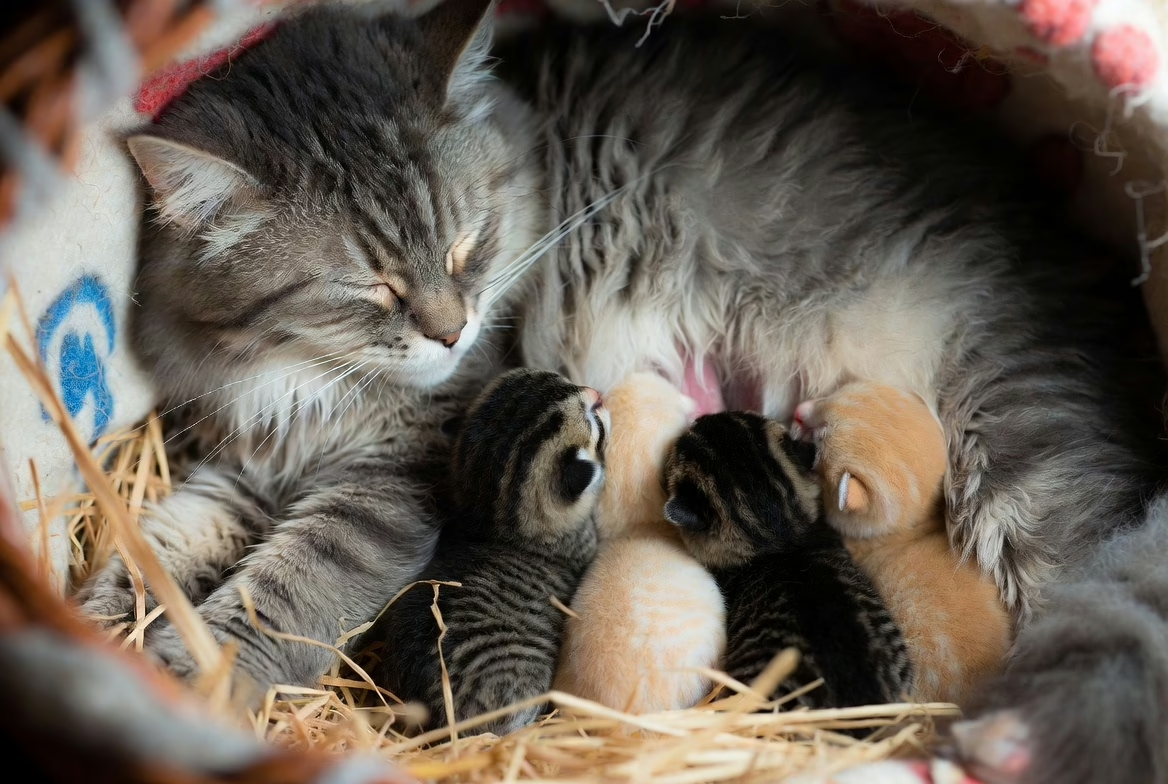
Newborn kittens require milk for survival, but the specific type matters enormously. Mother’s milk provides the ideal nutrition, containing the perfect balance of proteins, fats, antibodies, and other components that support healthy development. The colostrum produced in the first days after birth delivers crucial antibodies that establish the kitten’s immune system.
Orphaned kittens or those whose mothers cannot nurse need kitten milk replacer (KMR)—commercial formulas specifically designed to match feline milk composition. These products contain appropriate protein levels (around 40% on a dry matter basis), higher fat content than cow’s milk, and added taurine, an amino acid cats cannot synthesize in adequate amounts. Brands like KMR, Breeder’s Edge, or PetLac provide complete nutrition for growing kittens.
Cow’s milk fails as a kitten formula substitute on multiple levels. Beyond the lactose intolerance issue that affects even young kittens to varying degrees, cow’s milk lacks sufficient protein and contains the wrong fat profile for feline development. Kittens fed cow’s milk often develop diarrhea, fail to gain weight appropriately, and may suffer from nutritional deficiencies that impact long-term health.
The transition from milk to solid food typically begins around three to four weeks of age. Kittens start showing interest in their mother’s food and gradually develop the ability to chew and digest solid nutrition. By eight to ten weeks, most kittens complete weaning and simultaneously lose much of their lactase production. This natural developmental timeline explains why is milk safe for cats changes dramatically between kittenhood and adulthood.
Even during the nursing period, supplementing with cow’s milk alongside mother’s milk or proper formula creates unnecessary risks. The digestive system of a young kitten remains delicate, and introducing inappropriate dairy products can disrupt the beneficial bacteria establishing themselves in the gut microbiome—populations that influence lifelong digestive health.
Emergency situations where kitten formula isn’t immediately available might require temporary solutions, but cow’s milk should be the last resort. A mixture of goat’s milk with egg yolk and corn syrup provides marginally better nutrition than straight cow’s milk, though it remains inadequate for more than a few feedings. Veterinary guidance should be sought immediately to obtain proper kitten formula and ensure the orphaned kitten receives appropriate care.
Dairy Products and Their Safety for Cats
| Product | Lactose Content | Safe for Cats? | Notes |
|---|---|---|---|
| Whole milk | High (4.8-5%) | No | Causes digestive upset in most adult cats; no nutritional benefit |
| Skim milk | High (5%) | No | Slightly higher lactose than whole milk; fat removal doesn’t improve tolerance |
| Cheese (aged) | Low-Moderate (0.1-2%) | Rarely, minimal amounts | High in fat and salt; aged varieties have less lactose but other concerns remain |
| Yogurt (plain) | Moderate (3-4%) | Occasionally, very small amounts | Probiotics don’t offset lactose content for most cats; avoid sweetened varieties |
| Butter | Low-Moderate (0.5-1%) | No | High fat content risks pancreatitis; offers no nutritional value |
| Lactose-free cat milk | None | Yes, as occasional treat | Formulated specifically for cats with added nutrients; not a dietary staple |
| Cream | Moderate (3-4%) | No | Very high fat content; lactose still present; risk of pancreatitis |
FAQs
Almond milk and oat milk don’t contain lactose, so they won’t cause the same digestive issues as cow’s milk. However, they offer no nutritional benefits for cats and often contain additives, sweeteners, or thickeners that may cause stomach upset. Cats have no biological need for these plant-based alternatives, and the safest approach is avoiding them entirely. If your cat accidentally laps up a small amount, they’ll likely be fine, but these shouldn’t be offered intentionally as treats or dietary additions.
Lactose-free cow’s milk removes the primary digestive concern but still doesn’t provide appropriate nutrition for cats. The protein and fat ratios remain formulated for human consumption, not feline needs. Lactose-free cat milk products specifically designed for pets represent a better choice if you want to offer milk as an occasional treat. These contain added taurine and other nutrients cats require while eliminating the lactose that causes problems. Even these should be treats rather than regular dietary components, with fresh water remaining the most important liquid in your cat’s diet.
Cats are attracted to milk’s high fat content and rich flavor profile. Their taste receptors respond positively to fats and proteins, making dairy products appealing despite the digestive consequences. This attraction doesn’t indicate nutritional need—cats also show interest in many foods that aren’t safe for them. The evolutionary explanation is simple: cats didn’t encounter milk after weaning in natural environments, so no selective pressure existed to develop taste aversion to something that would cause digestive upset. Their immediate sensory experience (tastes good) overrides any association with later discomfort, especially since the symptoms appear hours after consumption.
The answer depends on your individual cat’s lactose intolerance severity and what you consider “small.” A few licks might cause no noticeable symptoms in some cats, while others experience digestive upset from even minimal exposure. The risk-benefit analysis doesn’t favor experimentation: milk offers no nutritional advantages, so even mild symptoms represent unnecessary discomfort. Repeated small exposures can create cumulative digestive irritation, and you won’t know your cat’s tolerance level until symptoms appear. The safest approach treats all dairy as something to avoid rather than testing your cat’s limits.
Monitor your cat for symptoms over the next 24 hours, particularly diarrhea, vomiting, lethargy, or signs of abdominal discomfort. Ensure fresh water is readily available to prevent dehydration if diarrhea develops. Most cats recover without intervention once the dairy passes through their system. Contact your veterinarian if symptoms are severe (profuse diarrhea, repeated vomiting, signs of pain), if your cat stops eating or drinking, if symptoms persist beyond 48 hours, or if your cat has underlying health conditions that complicate recovery. Kittens, senior cats, and those with compromised immune systems warrant closer monitoring and potentially earlier veterinary consultation.
No cat breed has been specifically bred for enhanced lactose tolerance or dairy digestion capabilities. Individual variation exists within all breeds—some cats retain slightly more lactase activity than others—but this represents normal biological variation rather than breed-specific traits. Claims that certain breeds handle dairy better lack scientific support. The safest assumption is that all adult cats, regardless of breed, have reduced lactase production and face potential digestive consequences from dairy consumption. Breed doesn’t provide reliable guidance for dairy tolerance, and the same caution applies across all feline varieties.
The persistent image of cats and milk represents one of pet care’s most enduring misconceptions, perpetuated through cultural repetition rather than biological reality. Most adult cats lack the enzymes needed to comfortably digest dairy products, making that iconic saucer of milk a recipe for digestive distress rather than a suitable treat.
Understanding your cat’s true nutritional needs protects them from unnecessary discomfort while strengthening the foundation of their overall health. Fresh water, properly formulated cat food, and species-appropriate treats provide everything your feline companion requires without the digestive consequences that follow dairy consumption.
The next time you’re tempted to share milk with your cat—whether influenced by nostalgic imagery or your pet’s enthusiastic interest—remember that what appeals to their taste buds doesn’t serve their digestive system. Choosing alternatives that respect feline biology rather than human sentiment demonstrates the informed care that keeps cats healthy and comfortable throughout their lives.