
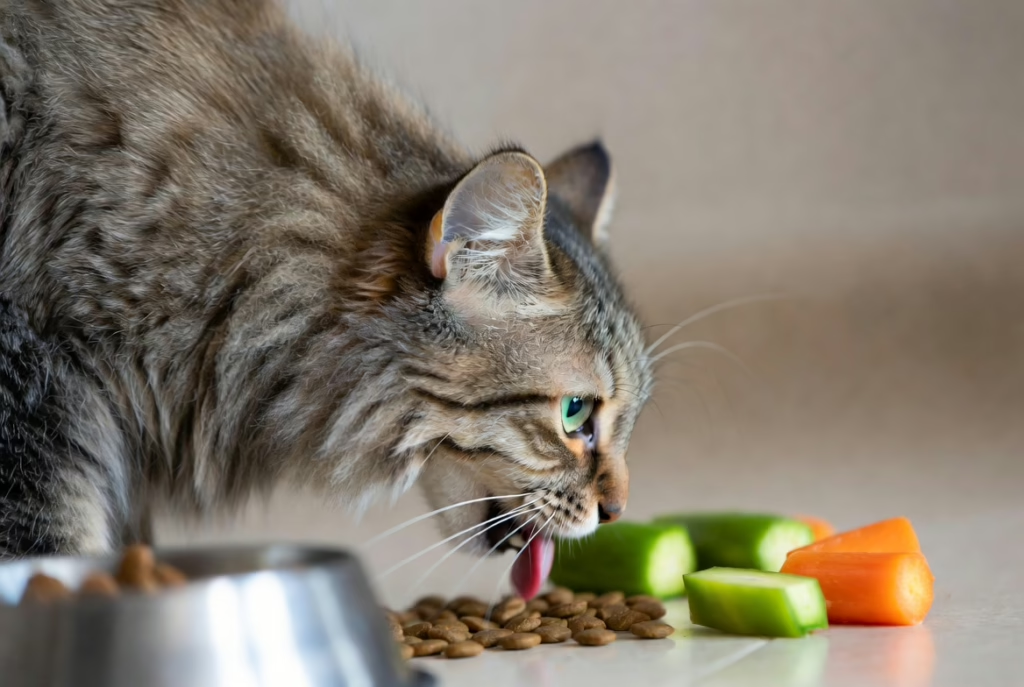
Cats are notorious for their finicky eating habits, yet many owners have watched their feline companions show surprising interest in vegetables. Whether your cat bats at a piece of lettuce or sniffs curiously at steamed broccoli, you might wonder if sharing these plant-based foods is safe. While cats can technically consume certain vegetables without immediate harm, understanding their unique dietary needs and the specific risks involved is essential before adding any greens to their bowl.
Why Cats Don’t Need Vegetables in Their Diet
Cats are obligate carnivores, meaning their bodies evolved to derive nutrition exclusively from animal tissue. Unlike omnivores such as dogs or humans, feline digestive systems lack the necessary enzymes to efficiently break down plant matter and extract meaningful nutrition from it. Their short digestive tracts are designed to process protein and fat from prey animals quickly, not to ferment fibrous plant material over extended periods.
The biological requirements of cats differ dramatically from other household pets. They need preformed vitamin A (retinol) from animal sources because they cannot convert beta-carotene from plants into usable vitamin A. Similarly, cats require taurine, an amino acid found almost exclusively in animal tissue, which is critical for heart function, vision, and reproduction. Plant-based diets simply cannot provide these essential nutrients in forms cats can utilize.
When examining cat plant foods safety from a nutritional standpoint, vegetables offer minimal value to felines. A cat’s natural prey—small rodents and birds—provides complete nutrition in the right proportions. The stomach contents of prey animals might contain some plant matter, but this represents less than 2% of a wild cat’s caloric intake. The feline veggie diet concept contradicts fundamental biology; cats lack the metabolic pathways to thrive on plant-based nutrition.
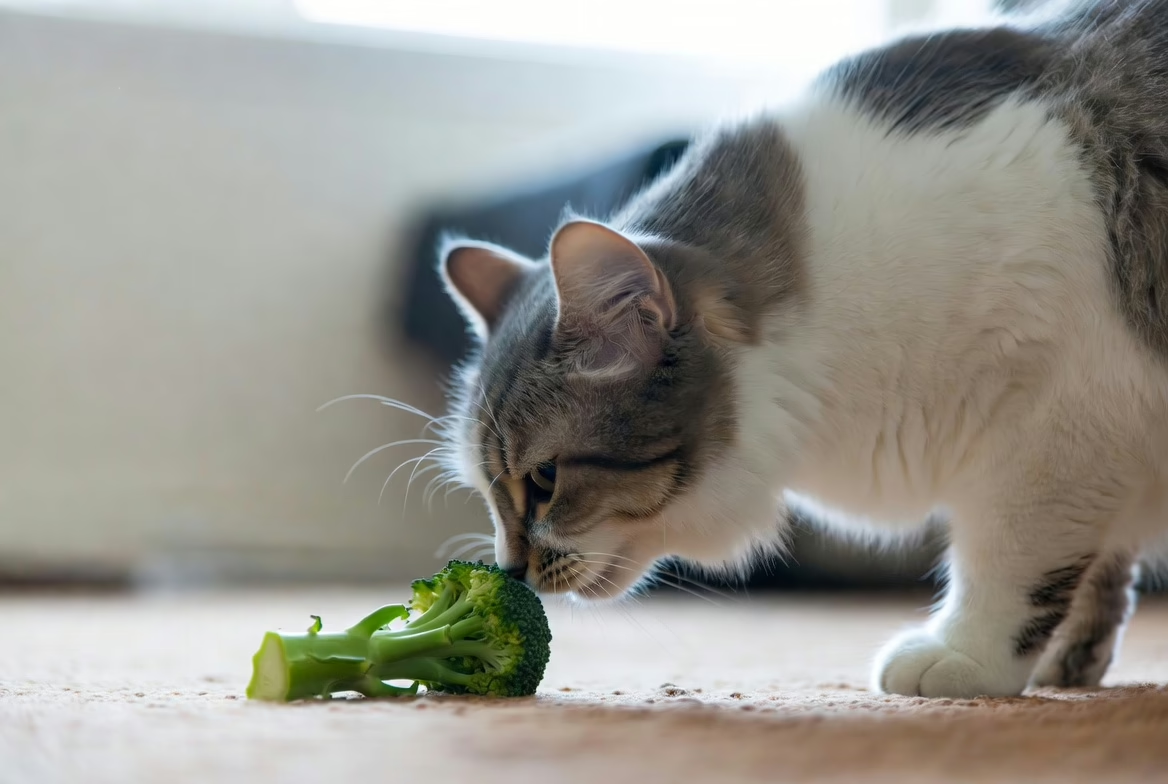
This doesn’t mean vegetables are automatically harmful, but they serve no essential nutritional purpose for cats. Any vegetables offered should be viewed as occasional supplements or treats rather than dietary staples, and they should never replace quality animal-based protein sources.
Safe Vegetables Cats Can Eat
While vegetables aren’t nutritionally necessary for cats, some safe vegetables cats can consume include steamed carrots, cooked green beans, plain pumpkin (not pie filling), steamed broccoli florets, cooked asparagus, and small amounts of cucumber. These options contain fiber and water but should only be offered in tiny quantities—think pea-sized portions rather than human serving sizes.
Zucchini and squash also make the safe list when properly prepared. Some cats surprisingly enjoy the mild flavor and soft texture of these cooked vegetables. Peas can be offered either fresh or cooked, though many cats find them easier to digest when lightly steamed. Spinach is technically safe for most cats in very small amounts, but cats with a history of urinary crystals or kidney issues should avoid it due to its calcium oxalate content.
What veggies cats eat varies dramatically by individual preference. One cat might eagerly consume a small piece of steamed carrot while another shows zero interest. This pickiness actually works in your favor—cats instinctively avoid foods their bodies cannot process well.
Vegetables to Prepare Before Feeding
Raw vegetables pose choking hazards and digestive challenges for cats. Their teeth are designed for tearing meat, not grinding fibrous plant matter. Always cook harder vegetables like carrots, sweet potatoes, and green beans until they’re soft enough to mash easily with a fork. Remove all seasonings, oils, butter, salt, and spices before offering any vegetable to your cat.
Cut vegetables into pieces no larger than a pea to prevent choking. Even soft vegetables like cucumber should be diced small. Remove seeds, stems, and tough outer skins that could cause intestinal blockages. For vegetables like pumpkin, use only plain, cooked pumpkin or pure canned pumpkin—never pumpkin pie filling, which contains sugar and spices harmful to cats.
Wash all vegetables thoroughly to remove pesticides and surface contaminants. Organic produce reduces exposure to chemical residues, though it still requires washing. Steam vegetables rather than boiling them to retain whatever minimal nutrients they contain, and never add garlic, onion, or other seasonings during cooking.
Raw vs. Cooked Vegetables for Cats
Feeding vegetables cats in raw form creates unnecessary risks. Raw vegetables are harder to digest and increase the likelihood of choking or gastrointestinal upset. The cellulose in plant cell walls remains intact when raw, making it even more difficult for cats’ short digestive systems to process.
Cooking breaks down cell walls and makes vegetables marginally more digestible, though cats still extract little nutritional value from them. Steaming is the preferred method—it softens vegetables without adding fats or oils. Avoid microwaving, which can create hot spots that might burn your cat’s mouth.
The exception is very soft vegetables like cucumber or lettuce, which some cats nibble on safely in raw form. Even then, chopping them finely reduces choking risk. When in doubt, cook it and cool it completely before offering.
Dangerous Vegetables and Plants for Cats
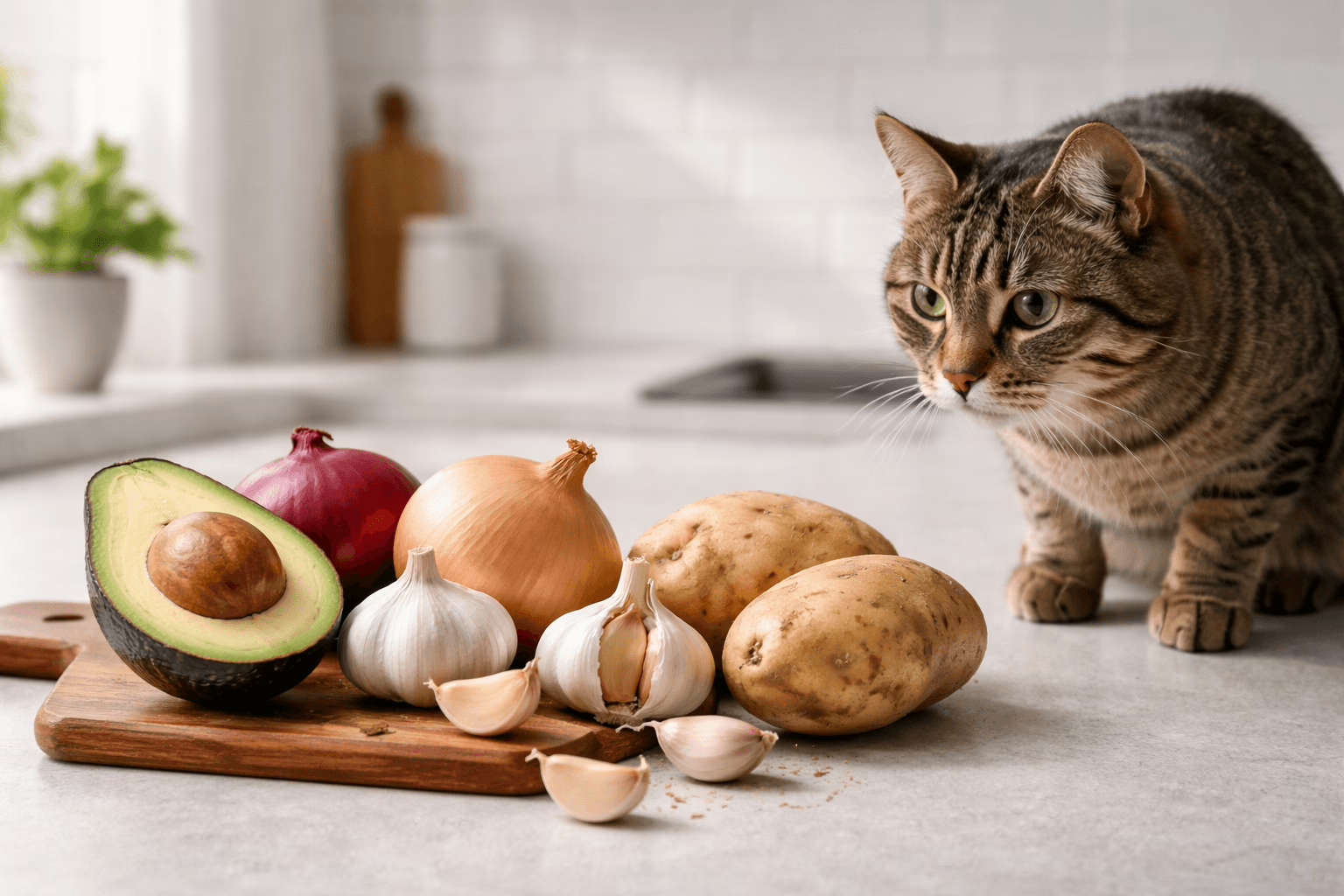
Several common vegetables pose serious health risks to cats. Onions, garlic, leeks, shallots, and chives—the entire allium family—are highly toxic to felines. These vegetables damage red blood cells, causing hemolytic anemia even in small amounts. A cat who consumes even a small piece of cooked onion from your dinner plate could develop symptoms within hours or days, including weakness, lethargy, pale gums, and orange-colored urine.
Tomatoes present a complicated case. Ripe tomato fruit in tiny amounts is generally considered safe, but the green parts of the plant—stems, leaves, and unripe tomatoes—contain solanine, which is toxic to cats. Given the confusion and risk, it’s better to avoid tomatoes entirely.
Raw potatoes and potato plants contain solanine as well. While a small amount of cooked, plain potato is unlikely to cause immediate harm, potatoes offer zero nutritional value to cats and can cause digestive upset. Sweet potatoes are safer than regular potatoes but should still be offered sparingly and only when fully cooked.
Mushrooms sold in grocery stores are generally non-toxic, but since cats cannot distinguish between safe and deadly wild mushrooms, it’s wise to keep all mushrooms away from curious cats. Wild mushrooms can cause liver failure, neurological damage, and death.
Rhubarb leaves contain oxalates that can cause kidney failure in cats. Avocado contains persin, which can cause vomiting and diarrhea in felines. Raw beans of any variety contain lectins that are toxic until thoroughly cooked, and even then, they’re inappropriate for cats.
Symptoms of vegetable poisoning vary depending on the toxin but may include vomiting, diarrhea, drooling, lethargy, difficulty breathing, tremors, or collapse. If you suspect your cat has consumed a toxic vegetable, contact your veterinarian or the ASPCA Animal Poison Control Center (888-426-4435) immediately. Time matters with poisoning cases—don’t wait for symptoms to worsen.
How to Introduce Vegetables to Your Cat
If you decide to offer vegetables despite their minimal nutritional value, start with a piece no larger than a grain of rice. Mix this tiny amount into your cat’s regular food rather than offering it separately. This approach allows you to monitor for adverse reactions without overwhelming your cat’s digestive system.
Wait 24-48 hours before offering vegetables again. Watch for signs of digestive upset including vomiting, diarrhea, decreased appetite, or changes in litter box habits. If any negative symptoms appear, discontinue vegetables immediately and consult your veterinarian if symptoms persist.
The cat vegetable diet should never exceed 5% of total daily caloric intake, and even that’s generous. For most cats, this translates to about one teaspoon of cooked vegetables per day at most. Many veterinarians recommend even less—vegetables should be rare treats, not daily additions.
Never force your cat to eat vegetables. If your cat shows no interest, respect that preference. Cats have evolved to recognize foods their bodies can use, and disinterest in vegetables is perfectly normal and healthy.
Some owners mix tiny amounts of pureed pumpkin or cooked green beans into food when addressing specific health issues, but this should only be done under veterinary guidance. The feeding vegetables cats approach requires careful monitoring to ensure it doesn’t cause nutritional imbalances or digestive problems.
Health Benefits and Risks of Feeding Vegetables to Cats
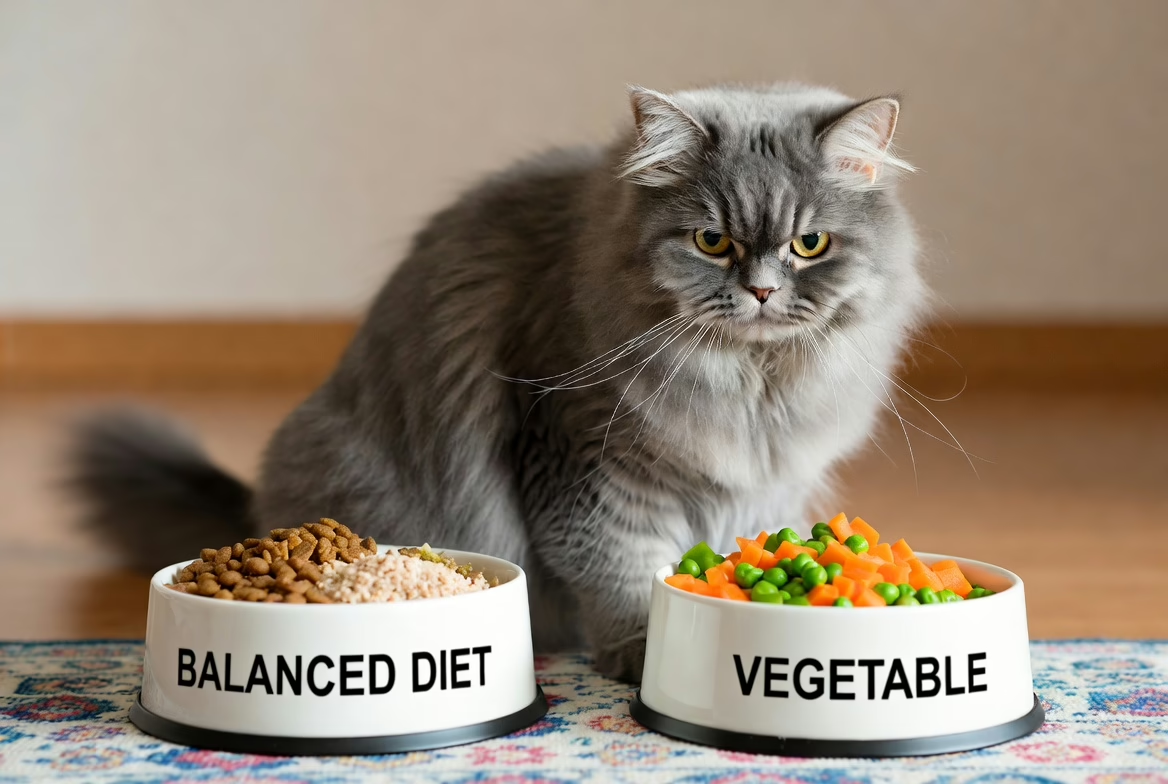
The primary potential benefit of vegetables for cats is fiber, which can help with specific digestive issues. A small amount of plain pumpkin may help firm up loose stools or add bulk to help with constipation. The moisture content in vegetables like cucumber might contribute minimally to hydration, though fresh water is far more important.
Some veterinarians recommend adding low-calorie vegetables like green beans to help cats feel fuller when managing weight loss. This strategy works for some cats but can backfire if it causes digestive upset or if the cat simply eats around the vegetables and demands more food.
The risks often outweigh these modest benefits. Cats who fill up on vegetables may eat less of their nutritionally complete cat food, leading to protein deficiency and other nutritional imbalances. Even safe vegetables can cause vomiting, diarrhea, or gas in cats with sensitive stomachs.
Overfeeding vegetables can disrupt the delicate balance of nutrients cats need. Too much fiber interferes with nutrient absorption in the intestines. Some vegetables contain compounds that, while not acutely toxic, may cause problems over time—spinach and calcium oxalates being one example.
The cat vegetable diet concept promoted by some pet food companies often involves adding vegetable fillers to reduce costs rather than improve feline health. Quality cat foods derive their fiber from appropriate sources when necessary, not from vegetables that cats cannot efficiently digest.
A cat may show curiosity toward vegetables, but its health depends on what aligns with its nature — a diet built on complete animal protein.
Dr. Laura Whitney
When Cats Might Benefit from Vegetables
Certain medical situations may warrant vegetable supplementation, but only under veterinary supervision. Cats suffering from chronic constipation sometimes benefit from small amounts of pureed pumpkin, which adds soluble fiber and moisture to stools. The typical recommendation is 1/4 to 1/2 teaspoon mixed into food once or twice daily.
Overweight cats on calorie-restricted diets might receive small amounts of low-calorie vegetables like steamed green beans to add volume without calories. This approach helps some cats feel satisfied while consuming fewer calories overall. However, this strategy requires veterinary oversight to ensure the cat still receives adequate protein and essential nutrients.
Some cats prone to hairballs may benefit from additional fiber to help move ingested fur through the digestive tract. A tiny amount of cooked pumpkin or squash might help in these cases, though specialized hairball remedies and regular grooming are typically more effective solutions.
Cats recovering from certain digestive issues might temporarily receive bland, easily digestible foods that include small amounts of cooked vegetables as recommended by a veterinarian. This is always a short-term intervention, not a permanent dietary change.
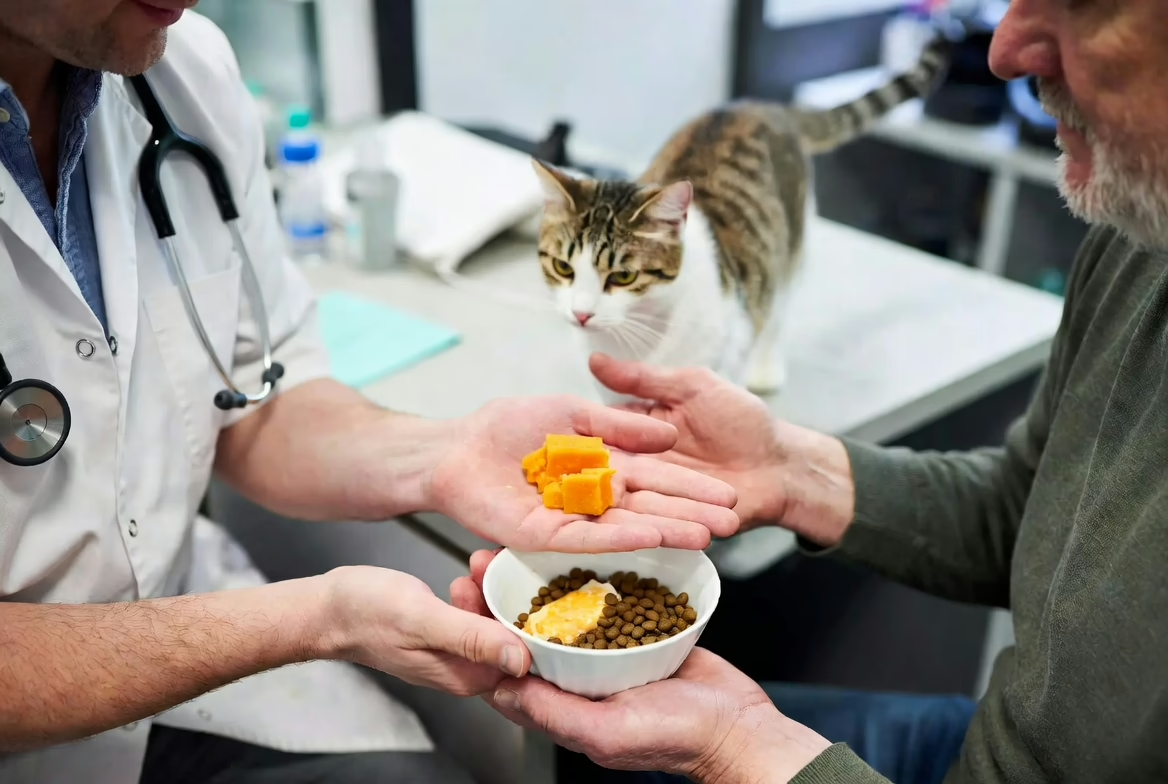
In all these scenarios, vegetables serve as therapeutic tools for specific problems, not as regular dietary components. Your veterinarian should evaluate your cat’s individual needs and recommend appropriate amounts and types if vegetables are warranted.
Safe vs. Unsafe Vegetables for Cats
| Vegetable | Safety Status | Preparation Method | Maximum Portion |
|---|---|---|---|
| Carrots | Safe | Steamed until soft, no seasonings | 1/2 teaspoon |
| Green Beans | Safe | Steamed or boiled, plain | 1/2 teaspoon |
| Pumpkin (plain) | Safe | Cooked or canned (not pie filling) | 1/2 teaspoon |
| Broccoli | Safe | Steamed florets only, small amounts | 1/4 teaspoon |
| Cucumber | Safe | Raw or cooked, finely chopped | 1/2 teaspoon |
| Peas | Safe | Fresh or cooked, no salt | 1/4 teaspoon |
| Asparagus | Safe | Cooked, cut small | 1/4 teaspoon |
| Onions/Garlic | TOXIC | Never feed in any form | None—avoid completely |
| Raw Potatoes | TOXIC | Never feed raw | None |
| Tomato Plants | TOXIC | Never feed green parts | None |
| Mushrooms | Risky | Avoid all types | None recommended |
| Avocado | TOXIC | Never feed any part | None—avoid completely |
| Rhubarb | TOXIC | Never feed leaves or stalks | None—avoid completely |
FAQs
Cats have very limited ability to digest vegetables. Their short digestive tracts and lack of specific enzymes mean most plant matter passes through largely undigested. While small amounts of cooked vegetables won’t typically harm healthy cats, they extract minimal nutritional value from them. The fiber may have some effect on digestion, but cats cannot break down cellulose efficiently or convert plant-based nutrients into usable forms.
All members of the allium family—onions, garlic, leeks, shallots, and chives—are highly toxic to cats and can cause life-threatening anemia. Raw potatoes, green tomatoes and tomato plants, rhubarb, and avocado are also dangerous. Even small amounts of these vegetables can cause serious health problems. Mushrooms should be avoided due to the difficulty in distinguishing safe from toxic varieties.
Vegetables should represent no more than 5% of your cat’s daily caloric intake, and less is better. For most cats, this means no more than 1/2 to 1 teaspoon of cooked vegetables per day at most. Many cats thrive with no vegetables at all. If you offer vegetables, start with tiny amounts—a piece the size of a grain of rice—and monitor for digestive upset before offering more.
Kittens should not eat vegetables. Growing kittens have extremely high protein and calorie requirements to support rapid development. Their small stomachs need to be filled with nutrient-dense, animal-based foods formulated specifically for kitten growth. Adding vegetables to a kitten’s diet risks displacing essential nutrition and can lead to developmental problems. Wait until cats reach full adulthood before considering any vegetable treats.
Small amounts of plain, cooked pumpkin may help some cats with constipation due to its soluble fiber and moisture content. Typically, 1/4 to 1/2 teaspoon mixed into food once or twice daily can help regulate bowel movements. However, constipation often indicates underlying health issues that require veterinary diagnosis. Chronic constipation should never be treated with vegetables alone—proper veterinary care is essential to identify and address the root cause.
Cats can safely consume small amounts of certain cooked vegetables like carrots, green beans, and pumpkin without immediate harm, but these foods offer minimal nutritional value to obligate carnivores. The feline digestive system evolved to process animal tissue, not plant matter, and vegetables cannot provide the essential nutrients cats need to thrive. While tiny portions of safe vegetables might help with specific issues like constipation or weight management under veterinary guidance, they should never replace or significantly supplement a complete, meat-based cat food.
The vegetables that are safe for cats require careful preparation—cooked until soft, cut into tiny pieces, and served completely plain without seasonings. Meanwhile, toxic vegetables like onions, garlic, and raw potatoes must be kept away from cats entirely, as even small amounts can cause serious health problems.
If your cat shows interest in vegetables, offering an occasional pea-sized piece of steamed carrot or green bean as a treat is unlikely to cause problems for most healthy adult cats. However, if your cat ignores vegetables completely, there’s no reason to encourage consumption. The best diet for your cat remains a high-quality, complete and balanced cat food formulated to meet feline nutritional needs, with fresh water always available. When in doubt about introducing any new food to your cat’s diet, consult your veterinarian for personalized guidance based on your cat’s individual health status and needs.