

Cats have lived alongside humans for thousands of years, yet they remain one of the most misunderstood companion animals. Unlike dogs, who were bred to work closely with people and respond to our cues, cats retained much of their independent, solitary hunter nature. This fundamental difference means that interpreting feline behavior requires a shift in perspective—one that respects their unique communication style and evolutionary background.
Why Understanding Your Cat’s Behavior Matters
Learning to read your cat’s signals transforms your relationship from simple cohabitation to genuine partnership. When you recognize the meaning behind a flattened ear, a twitching tail, or a particular vocalization, you can respond appropriately to your cat’s needs before minor discomfort escalates into chronic stress.
Understanding feline behavior basics serves three critical functions. First, it strengthens the bond between you and your cat. Cats who feel understood are more likely to seek interaction, display affection, and trust their humans during stressful situations like vet visits or household changes. Second, behavioral literacy helps you distinguish between normal quirks and early warning signs of illness. A cat hiding under the bed might simply be enjoying a quiet nap, or they could be experiencing pain that requires veterinary attention. Third, proper interpretation prevents unnecessary behavioral interventions. Many owners attempt to “correct” perfectly normal cat behaviors—like scratching or nighttime activity—when simple environmental modifications would address the underlying need.
Research from veterinary behaviorists consistently shows that most cats surrendered to shelters exhibit behaviors their owners found problematic, yet these same behaviors are often species-typical and manageable with basic environmental enrichment. The gap isn’t in the cat’s behavior; it’s in human understanding of what cats actually need.

Common Cat Actions and What They Actually Mean
Cats express themselves through a sophisticated combination of body postures, facial expressions, and deliberate actions. Each behavior serves a purpose, though that purpose isn’t always immediately obvious to human observers.
Common Cat Behaviors Decoded
| Behavior | What It Means | When to Be Concerned |
|---|---|---|
| Kneading with paws | Contentment and comfort; remnant of nursing behavior that stimulates milk flow | If accompanied by excessive drooling or done compulsively on one spot for hours |
| Slow blinking | Trust and affection; equivalent to a cat “kiss” | Never—this is always positive |
| Tail flicking or lashing | Irritation, overstimulation, or hunting focus | If paired with flattened ears and dilated pupils before aggression |
| Ears pinned back | Fear, aggression, or defensive posture | When this becomes the default position or occurs without clear triggers |
| Purring | Usually contentment, but also self-soothing during pain or stress | If purring occurs during obvious distress, hiding, or with other illness signs |
| Hissing or growling | Clear warning to back off; fear-based or territorial | If directed at familiar people/pets suddenly, or if cat seems unable to calm down |
| Scratching furniture | Claw maintenance, territory marking, stretching | Only if cat stops using provided scratching posts they previously used |
| Bringing prey/toys | Hunting instinct; teaching behavior or sharing resources | Never—this is normal, though you can redirect to toys instead of wildlife |
| Hiding for extended periods | Need for security, illness, or fear response | If lasting more than 24 hours or accompanied by appetite loss |
| Zoomies (sudden running) | Energy release, hunting practice, or response to bowel movement | If occurring excessively or followed by signs of pain |
Kneading deserves special attention because owners often misinterpret this behavior. When your cat pushes their paws rhythmically against you, a blanket, or a soft surface, they’re displaying one of the most primal comfort behaviors from kittenhood. Nursing kittens knead their mother’s belly to stimulate milk letdown. Adult cats retain this association between kneading and safety, warmth, and satisfaction. Some cats knead before settling down to sleep; others do it when being petted. The behavior often intensifies when cats are particularly content, sometimes accompanied by drooling—a sign of extreme relaxation, not a medical issue.
Head bunting, where a cat presses their forehead against you or rubs their cheeks on objects, combines affection with practical scent-marking. Cats have scent glands on their cheeks, chin, and forehead. When they rub these areas on you, they’re depositing pheromones that mark you as part of their territory and social group. This behavior strengthens after absences; many cats enthusiastically bunt their owners after work hours or trips.
Tail position functions as a real-time mood indicator. A tail held high with a slight curve at the tip signals confidence and friendly intentions. A tail tucked between the legs indicates fear or submission. A puffed-up tail—where the fur stands on end—occurs during extreme fear or aggression, making the cat appear larger to threats. The most nuanced signal is the tail-tip twitch: small, rapid movements usually indicate focused attention (watching birds through a window), while broader, slower swishing suggests growing irritation.
How Cats Communicate With Humans and Other Animals
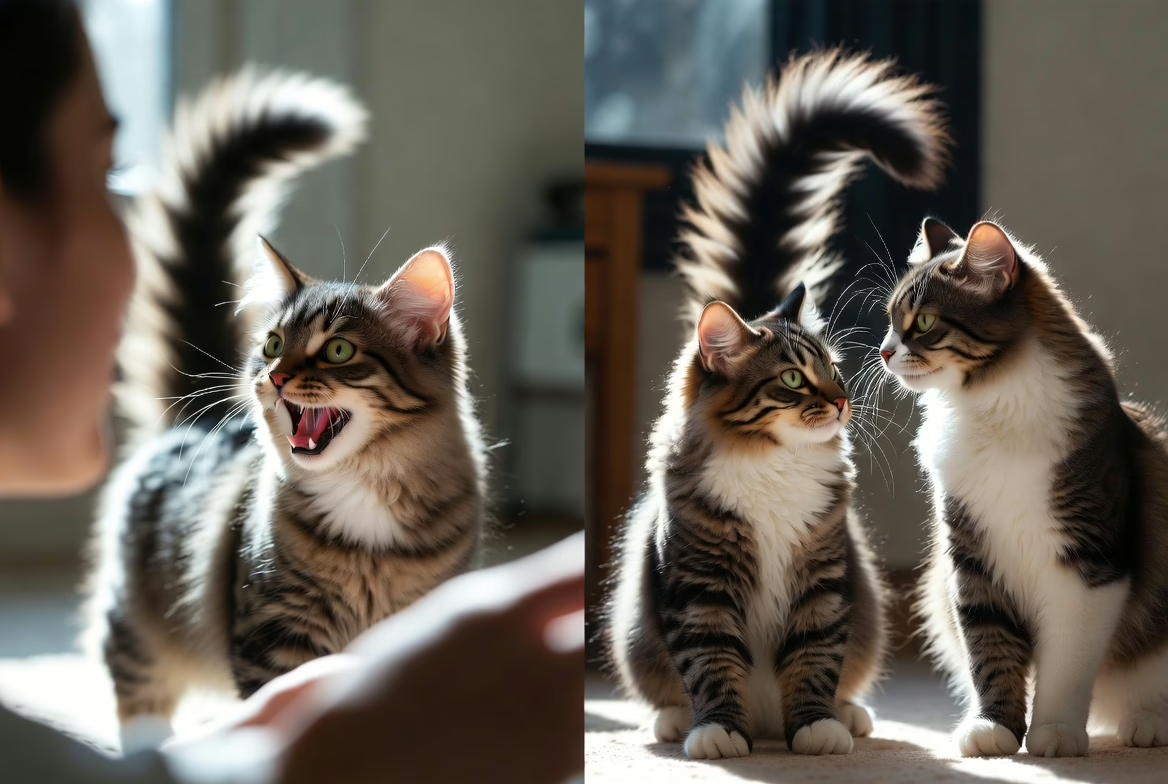
Cat communication basics differ dramatically depending on the audience. Adult cats rarely meow at each other; this vocalization is largely reserved for human interaction. Mother cats meow to kittens, and kittens meow to mothers, but adult cat-to-cat communication relies on body language, scent signals, and occasional hisses or yowls during conflicts.
Cats developed meowing specifically to communicate with humans, modifying the kitten distress call into a versatile tool for getting our attention. Different meows serve different purposes: short, high-pitched meows often mean greeting or mild requests; longer, lower meows can indicate complaints or demands; and repeated, urgent meowing might signal hunger, desire to go outside, or distress. Individual cats develop unique “vocabularies” with their owners over time, and attentive owners learn to distinguish between “I’m hungry,” “play with me,” and “something’s wrong.”
Chirping or chattering—that rapid, staccato sound cats make while watching prey—reflects hunting excitement and possibly frustration at being unable to reach the target. Some behaviorists theorize this sound mimics bird calls, though this remains debated. Yowling, a drawn-out, mournful sound, typically occurs during mating behavior, territorial disputes, or in senior cats experiencing cognitive decline or disorientation.
Body language forms the foundation of feline communication with both humans and other cats. A confident, relaxed cat moves with fluid grace, ears forward, tail up. A frightened cat crouches low, ears flattened, pupils dilated, possibly with piloerection (fur standing up). An aggressive cat might arch their back, turn sideways to appear larger, and combine hissing with a direct stare.
Scent marking through cheek rubbing, scratching, and urine spraying establishes territory and communicates reproductive status. While cheek rubbing is benign and social, urine spraying (different from urinating due to litter box issues) typically indicates stress, territorial insecurity, or intact reproductive status. Cats also communicate through scratching, which leaves both visual marks and scent from glands in their paws.
The difference in communication styles explains why cats often seem aloof compared to dogs. Dogs evolved to read human facial expressions and respond to pointing gestures. Cats communicate more subtly, expecting you to notice ear positions, tail angles, and pupil dilation. They’re not ignoring you; they’re speaking a different language.
Instinctive Behaviors Rooted in Your Cat’s Wild Ancestry
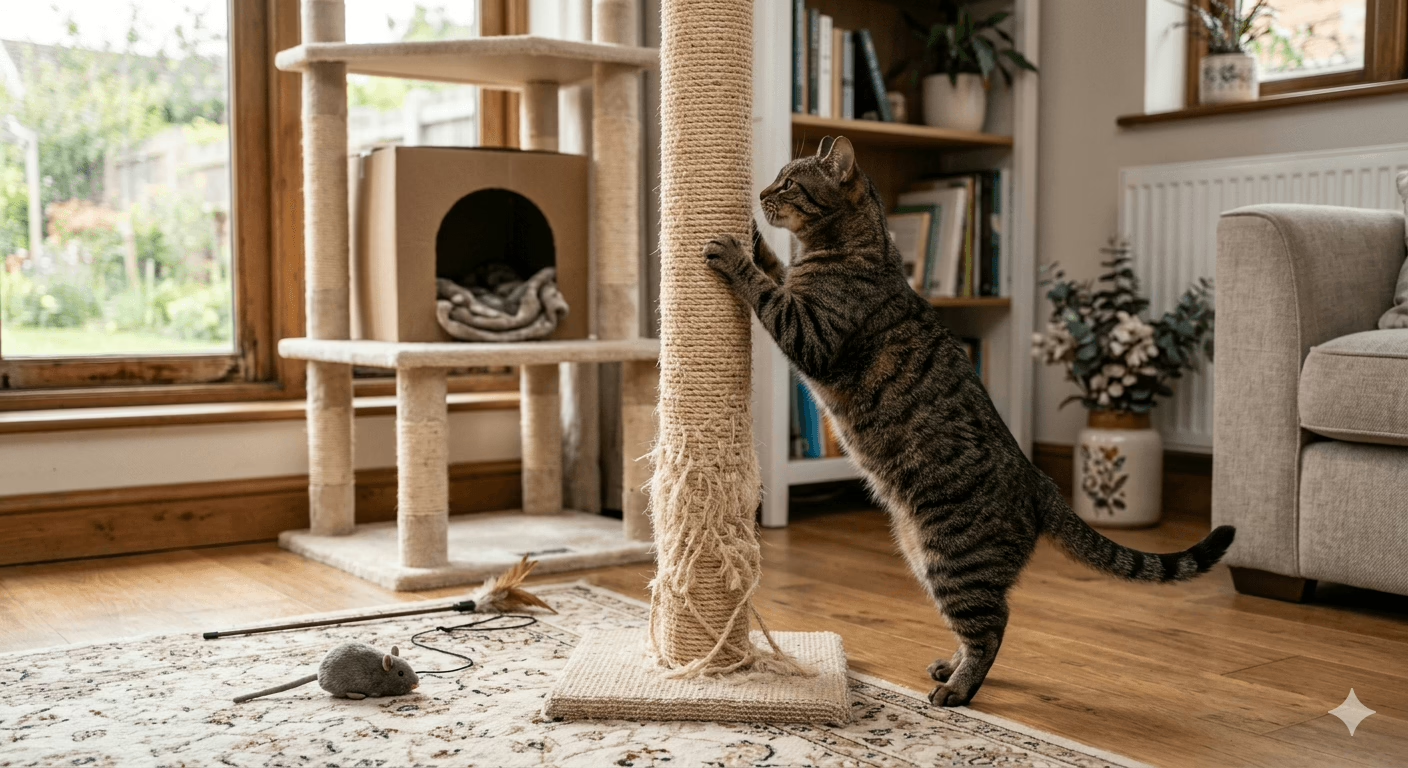
Cat instincts remain remarkably intact despite thousands of years of domestication. Unlike dogs, who underwent intensive selective breeding for specific tasks, cats largely domesticated themselves by hunting rodents near human grain stores. This self-domestication preserved most wild behaviors.
The hunting drive persists even in well-fed housecats. Hunger doesn’t trigger hunting; movement does. This explains why your cat might ignore food in their bowl but pounce on a toy mouse dragged across the floor. Wild cats are solitary hunters who catch multiple small prey throughout the day. Domestic cats retain this pattern, which is why many prefer several small meals rather than one or two large ones, and why they “hunt” toys even after eating.
Scratching serves multiple purposes rooted in survival. It maintains claw sharpness by removing the outer sheath, stretches the muscles in the shoulders and back, and marks territory through both visible scratch marks and scent from paw glands. Cats typically scratch after waking or when entering/leaving spaces—boundary-marking behavior inherited from territorial wild ancestors.
Nocturnal and crepuscular (dawn and dusk) activity patterns reflect when wild prey is most active. Domestic cats often adjust somewhat to human schedules but retain heightened activity during early morning and evening hours. The 3 a.m. “zoomies” aren’t random; they’re practice hunting runs timed to ancestral patterns.
Hiding behavior stems from the dual nature of cats as both predators and prey. Small wild cats face threats from larger predators, so they instinctively seek enclosed, elevated, or concealed spaces when feeling vulnerable. This explains why cats love boxes, high perches, and spaces under beds. A hiding cat isn’t necessarily scared of you; they might simply be following an instinct to rest in a secure location.
Grooming occupies up to 50% of a cat’s waking hours and serves purposes beyond cleanliness. It regulates body temperature, distributes skin oils, removes parasites, and reduces stress. Cats often groom after stressful events (like a vet visit) or when conflicted about a decision—a behavior called “displacement grooming.”
Domestication modified some instincts while preserving others. Modern cats are more social than their wild ancestors, accepting human companionship and sometimes bonding with other cats, especially when raised together. However, they remain fundamentally independent and don’t require constant social interaction the way pack animals do.
When Cat Behavior Signals a Problem
Most cat behaviors fall within normal species-typical ranges, but certain changes warrant attention. The key is recognizing deviations from your individual cat’s baseline.
Sudden aggression toward familiar people or animals, especially in a previously gentle cat, often indicates pain. Cats instinctively hide illness, but pain can trigger defensive aggression. Dental disease, arthritis, urinary tract infections, and injuries commonly cause pain-related behavioral changes. A cat who suddenly bites when touched in a specific area needs veterinary examination.
Litter box avoidance ranks among the most common behavioral complaints, yet it’s frequently medical rather than behavioral. Urinary tract infections, bladder stones, kidney disease, diabetes, and gastrointestinal issues can all cause inappropriate elimination. Rule out medical causes before addressing behavioral factors like litter type, box cleanliness, or location. One rule of thumb: if a cat urinates on smooth, cool surfaces (tile, bathtubs), suspect a urinary tract issue causing pain that the cat associates with the litter box.
Excessive vocalization, particularly in senior cats, may indicate hyperthyroidism, high blood pressure, cognitive dysfunction, or pain. While some cats are naturally chatty, a significant increase in yowling—especially at night—deserves investigation.
Hiding behavior becomes concerning when it’s prolonged or represents a change. A cat who normally greets you but suddenly hides for 24+ hours may be ill or injured. Similarly, a typically social cat who stops eating, grooming, or using the litter box while hiding requires immediate veterinary attention.
Appetite changes in either direction signal problems. Increased appetite with weight loss suggests hyperthyroidism or diabetes. Decreased appetite can indicate anything from dental pain to kidney disease to cancer. Cats can develop hepatic lipidosis (fatty liver disease) after just 2-3 days of not eating, making appetite loss a genuine emergency.
Over-grooming that creates bald patches or skin lesions stems from allergies, parasites, pain, or stress. Cats experiencing anxiety may groom compulsively as a coping mechanism. Determining whether the cause is medical or behavioral requires veterinary assessment, often starting with ruling out fleas, food allergies, and skin conditions.
Cats are often misunderstood because we expect them to behave like small dogs. Learning to read their subtle signals is key to a happy relationship. Most behavioral problems stem from unmet environmental needs or undiagnosed medical issues, not from cats being ‘difficult’ or ‘spiteful.
Dr. Sarah Ellis
When behavioral changes occur, document specifics: when the behavior started, frequency, duration, and any potential triggers. This information helps veterinarians and behaviorists identify patterns and causes.
FAQs
Kneading is a comfort behavior from kittenhood when kittens kneaded their mother’s belly to stimulate milk flow. Adult cats knead when feeling safe, content, and relaxed. It’s a compliment—your cat associates you with the security they felt as a kitten. Some cats knead before settling down to sleep; others do it during petting sessions. If the claws are uncomfortable, try placing a thick blanket on your lap or gently redirecting your cat to a soft surface.
A puffed tail (piloerection) makes your cat appear larger and occurs during extreme fear or aggression. It’s part of the classic “Halloween cat” posture, often accompanied by an arched back, sideways stance, and hissing. This defensive display aims to intimidate threats. If your cat’s tail puffs without obvious cause, they may have been startled by a sound you didn’t notice or seen something outside a window. Give them space to calm down.
This behavior likely stems from hunting instinct and social bonding. Mother cats bring prey to kittens to teach hunting skills, progressing from dead prey to injured prey to live prey. Your cat may view you as part of their social group and either share their “catch” or attempt to teach you to hunt. Some behaviorists suggest cats bring prey to safe locations (their home) rather than specifically “gifting” it to you. Either way, it’s normal behavior, though you can reduce it by keeping cats indoors or using bells on collars.
Yes. Cats are crepuscular, meaning they’re naturally most active during dawn and dusk when their prey is active. Many cats also show activity spikes during the night. While cats can adjust somewhat to human schedules, you can’t completely eliminate this instinct. Reduce nighttime disruptions by providing interactive play sessions before bedtime to tire your cat out, feeding a meal before you sleep, and ignoring attention-seeking behavior at night (responding reinforces it).
Stress signs include hiding more than usual, decreased appetite, over-grooming, aggression, litter box avoidance, excessive vocalization, and changes in sleep patterns. Some cats become clingy when stressed; others withdraw. Subtle signs include dilated pupils, flattened ears, excessive shedding, and displacement behaviors like sudden grooming during stressful situations. Common stressors include household changes, new pets or people, loud noises, and lack of environmental enrichment. Address stress by maintaining routine, providing hiding spots, using pheromone diffusers, and ensuring adequate resources (litter boxes, food stations, perches).
Adult cats developed meowing specifically to communicate with humans. In cat-to-cat communication, adult cats primarily use body language, scent marking, and occasional hisses or yowls during conflicts. Meowing is essentially a kitten behavior that domestic cats extended into adulthood because it effectively gets human attention. Your cat has learned that meowing prompts responses from you—whether that’s food, play, door-opening, or acknowledgment. Each cat develops a unique “vocabulary” with their owner over time.
Understanding cat behavior explained through the lens of their evolutionary history and communication style transforms how you interact with your feline companion. Cats aren’t small dogs, and they aren’t deliberately difficult. They’re expressing natural, species-typical behaviors that served their wild ancestors well. When you learn to recognize what your cat’s tail position, vocalizations, and daily rituals actually mean, you can respond to their needs more effectively and build a stronger bond.
The behaviors that seem mysterious or frustrating—the 3 a.m. zoomies, the “gifts” of dead mice, the kneading that involves claws—all make perfect sense within the context of cat instincts and communication. Rather than trying to eliminate these behaviors, successful cat ownership involves providing appropriate outlets. Offer scratching posts for territorial marking, schedule interactive play for hunting practice, and create vertical spaces for that instinctive need for high, secure resting spots.
Pay attention to changes in your cat’s typical patterns, as behavioral shifts often signal medical issues before obvious physical symptoms appear. A cat who suddenly stops greeting you at the door, hides more than usual, or changes litter box habits is communicating that something is wrong. Early intervention based on behavioral cues can prevent minor issues from becoming serious health problems.
Your cat is constantly communicating with you through subtle signals refined over thousands of years. Learning this language doesn’t require advanced training—just observation, patience, and a willingness to see the world from a feline perspective. The reward is a relationship built on mutual understanding rather than misinterpreted signals and unmet needs.