
- What Causes Dehydration in Cats
- How to Check If Your Cat Is Dehydrated
- Early Warning Signs of Mild Dehydration
- Severe Dehydration Symptoms That Need Emergency Care
- Which Cats Are at Higher Risk for Dehydration
- Preventing Dehydration in Your Cat
- When to Contact Your Veterinarian
- Dehydration Severity Comparison
Cats are notorious for being finicky about water. Unlike dogs, who lap up water enthusiastically, felines evolved from desert-dwelling ancestors and developed a low thirst drive. This biological quirk makes them vulnerable to dehydration—a condition that can escalate from mild discomfort to life-threatening emergency within hours.
Recognizing the warning signs early can mean the difference between a simple fix and an expensive veterinary emergency. Most cat owners miss the subtle cues until their pet is already in moderate to severe distress.
What Causes Dehydration in Cats
Cat water deficiency develops when fluid loss exceeds intake. The body loses water constantly through urination, breathing, and even through paw pads. When these losses aren’t replenished, organs begin to malfunction.
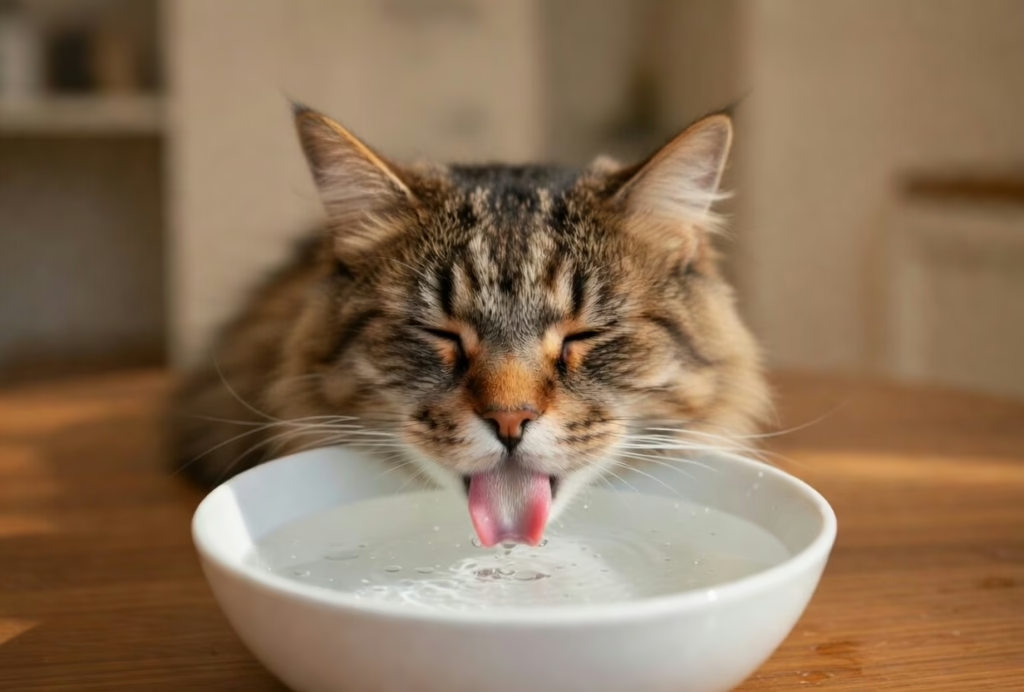
Inadequate water intake tops the list. Cats drinking exclusively from stagnant bowls may simply refuse to drink enough. Some dislike water placed near food—an instinct from wild ancestors who avoided water sources near kill sites to prevent contamination.
Illness-related causes create a vicious cycle. Kidney disease, affecting roughly 30-40% of cats over age ten, impairs the body’s ability to concentrate urine. These cats urinate excessively, flushing out fluids faster than they can replace them. Diabetes mellitus causes similar problems through glucose-driven water loss.
Vomiting and diarrhea drain fluids rapidly. A cat with gastrointestinal upset can lose significant volume in just a few hours. Hairballs, food sensitivities, inflammatory bowel disease, or parasites trigger these episodes.
Environmental heat stresses cats poorly equipped to cool themselves. Unlike humans, cats have minimal sweat glands (located only on paw pads). During summer months or in overheated homes, they rely on panting and seeking cool surfaces—both increase water loss.
Medication side effects sometimes reduce thirst or increase urination. Diuretics, certain pain medications, and even some flea treatments affect cat hydration problems in ways owners don’t anticipate.
How to Check If Your Cat Is Dehydrated
You don’t need veterinary training to perform basic hydration checks at home. These physical tests reveal signs cat dehydrated before the situation becomes critical.
The Skin Tent Test Explained
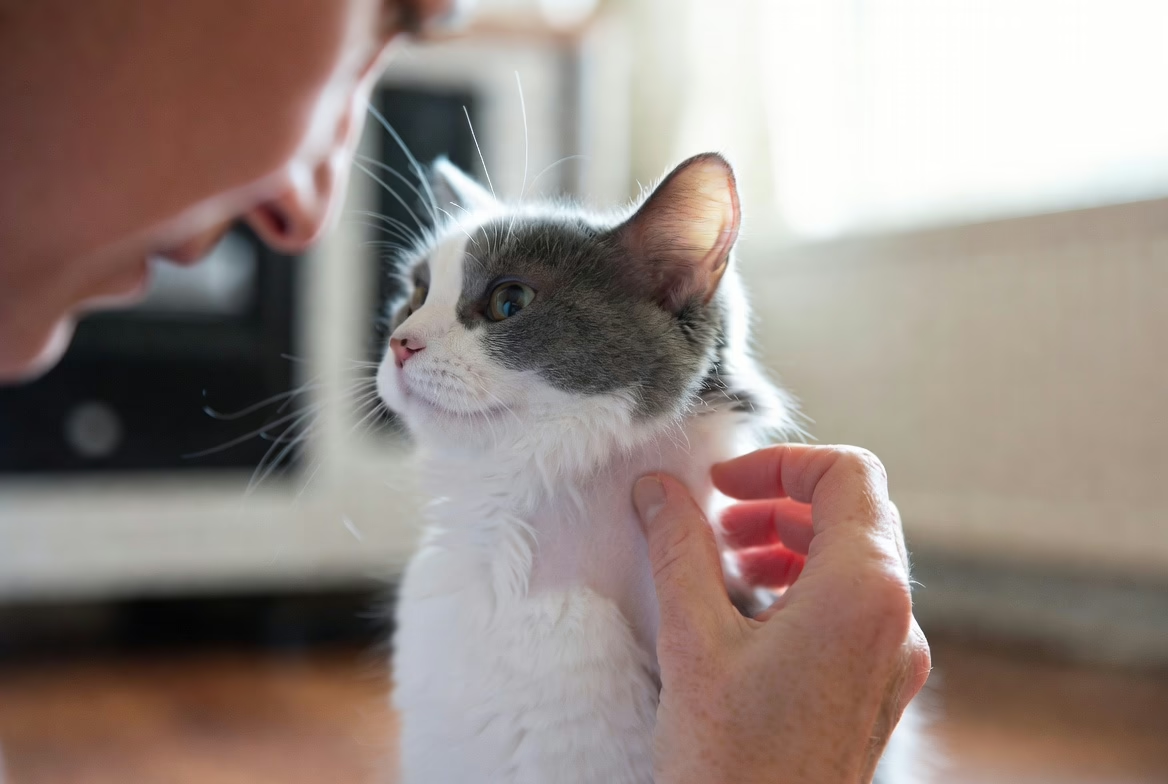
Grasp the loose skin between your cat’s shoulder blades gently. Pull it up about an inch, then release. In a well-hydrated cat, the skin snaps back instantly—within a fraction of a second.
Delayed return indicates fluid deficit. If the skin takes one to two seconds to flatten, your cat is mildly dehydrated. Three seconds or longer suggests moderate to severe dehydration requiring immediate veterinary attention.
This test works less reliably on overweight cats (excess fat tissue masks results) and elderly cats (aging skin loses natural elasticity regardless of hydration status). For these cats, combine the skin test with other assessment methods.
Checking Your Cat’s Gums and Eyes
Lift your cat’s upper lip and press your finger against the gums. They should feel slippery-wet, not sticky or tacky. Press gently on the gum tissue until it blanches white, then release. The pink color should return within two seconds—this capillary refill time indicates adequate blood flow and hydration.
Dehydration cats signs include sticky, dry gums and delayed capillary refill (three seconds or more). The gums may also appear darker or paler than normal.
Check the eyes next. Bright, clear eyes that sit normally in their sockets indicate good hydration. Sunken eyes—where the eyeball appears to have receded into the skull—signal significant fluid loss. You might notice a visible gap between the eyelid and eyeball, or the third eyelid (nictitating membrane) may partially cover the eye.
Early Warning Signs of Mild Dehydration
Catching cat dehydration symptoms early prevents progression to dangerous levels. These subtle changes often go unnoticed because cats instinctively hide weakness.
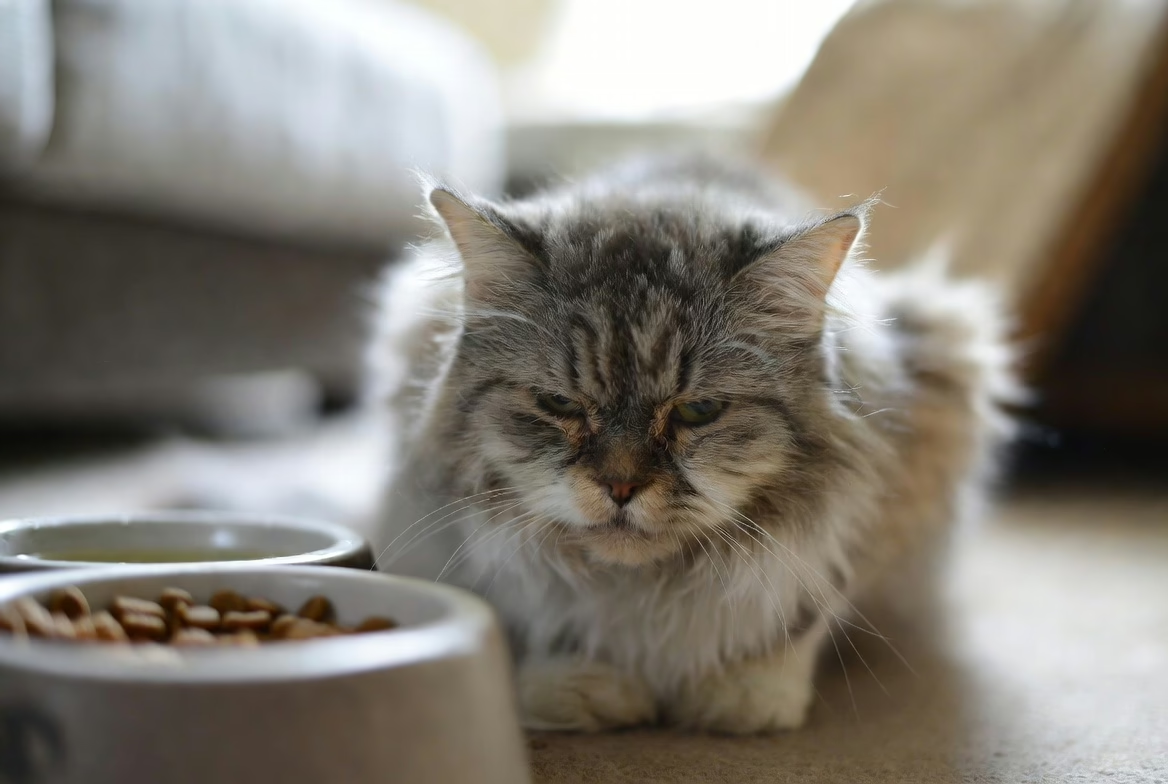
Reduced energy and playfulness emerge first. Your typically active cat may sleep more, show less interest in toys, or move more slowly. This isn’t dramatic lethargy—just a noticeable decrease in usual enthusiasm.
Decreased appetite follows closely. Cats feeling unwell often refuse food before showing obvious illness signs. A cat who normally inhales breakfast but picks at it instead deserves attention.
Less frequent urination means fewer clumps in the litter box. Track your scooping routine—if you’re finding smaller or fewer urine clumps over several days, your cat isn’t processing enough fluids.
Dry mouth and thick saliva develop as moisture levels drop. You might notice your cat licking its lips more frequently or see stringy saliva when it yawns.
Constipation results from the body extracting every possible drop of water from waste. Stools become harder, smaller, and more difficult to pass.
One owner noticed her seven-year-old tabby stopped jumping to his favorite window perch. She attributed it to laziness until she realized his litter box habits had changed too—classic early signs cat dehydrated that she caught just in time.
Severe Dehydration Symptoms That Need Emergency Care
When cat dehydration symptoms progress beyond mild stages, organ damage begins. These critical signs demand immediate veterinary intervention—not a wait-and-see approach.
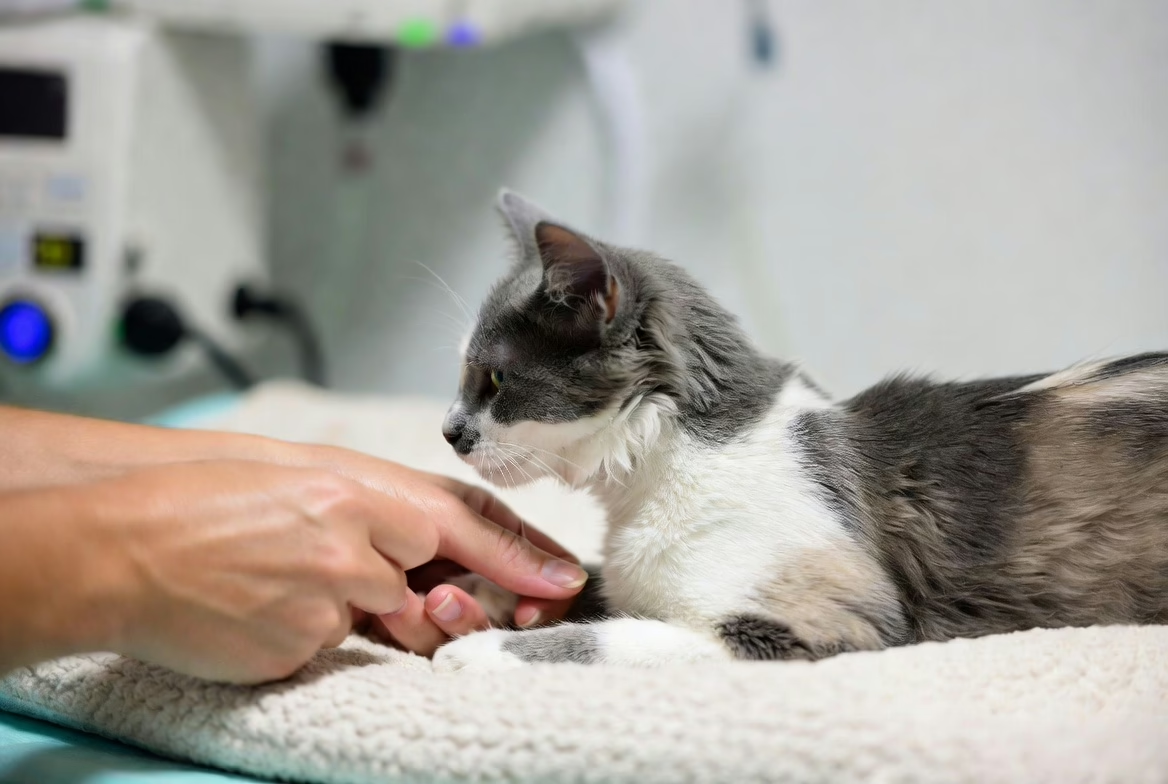
Sunken eyes and hollow appearance give cats a gaunt, skeletal look even if they haven’t lost weight. The face appears drawn, with prominent bone structure.
Extreme lethargy or unresponsiveness means your cat barely reacts to stimuli. It may lie in one spot for hours, ignore favorite treats, or fail to acknowledge your presence.
Panting in cats is never normal (unlike dogs). A panting cat is either severely overheated or in respiratory distress—both medical emergencies often complicated by dehydration.
Rapid or weak heart rate develops as the cardiovascular system struggles to circulate thickened blood through narrowed vessels. You might feel a racing pulse when checking your cat’s femoral artery on the inner thigh.
Collapse or inability to stand indicates multi-organ involvement. The feline dehydration risks at this stage include kidney failure, shock, and death within hours without aggressive fluid therapy.
Cold extremities occur when blood shunts away from the skin toward vital organs. Ear tips, paw pads, and tail feel noticeably cooler than normal.
Time matters critically. Cats showing severe symptoms need intravenous or subcutaneous fluids that only veterinary clinics can provide. Home rehydration won’t reverse this level of deficit.
Which Cats Are at Higher Risk for Dehydration
Certain cats face elevated feline dehydration risks based on factors beyond their control.
Senior cats (over 11 years) develop decreased kidney function as a normal part of aging. Their bodies lose the ability to concentrate urine efficiently, meaning they need more water intake just to maintain baseline hydration. Arthritis may also prevent elderly cats from reaching water bowls as frequently.
Kittens dehydrate rapidly due to their small body size and high metabolic rate. A kitten with diarrhea can reach dangerous dehydration levels within 12 hours—much faster than adults.
Cats with chronic health conditions require vigilant monitoring. Kidney disease, diabetes, hyperthyroidism, and cancer all increase fluid needs. Cats on prescription diets for these conditions often need supplemental water sources.
Exclusively dry-food diets provide only 10% moisture content compared to 75-80% in wet food. Cats evolved to get most hydration from prey, not drinking water. A cat eating only kibble must drink substantially more water—which many simply won’t do.
Indoor-only cats in dry climates face environmental challenges. Low humidity in heated or air-conditioned homes increases respiratory water loss. Geographic areas with naturally dry air (like the Southwest) compound the problem.
Single-water-bowl households limit access points. Cats are particular about water freshness and location. A bowl too close to the litter box or in a high-traffic area may be avoided entirely.
Cat health hydration depends heavily on recognizing which risk factors apply to your specific situation and adjusting care accordingly.
Preventing Dehydration in Your Cat
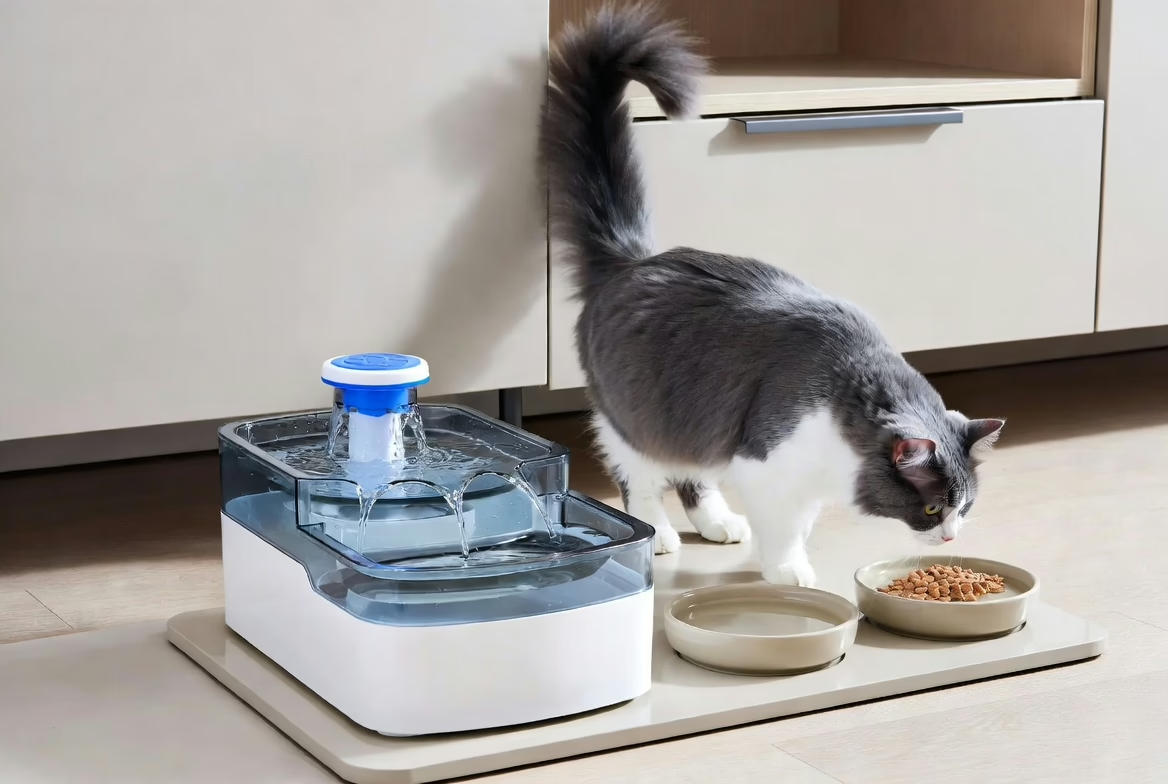
Prevention beats treatment every time. These practical strategies address cat hydration problems before they start.
Multiple water stations throughout your home give cats options. Place bowls in quiet locations away from food and litter boxes. Cats often prefer separation—it’s not pickiness, it’s instinct.
Water fountains appeal to cats’ preference for moving water. The sound and motion attract attention, and circulating water stays fresher longer. Many cats who ignored bowls will drink readily from fountains. Clean the fountain pump weekly to prevent bacterial buildup.
Wet food provides substantial hydration. Switching from 100% dry to at least 50% wet food dramatically increases moisture intake. A 5.5-ounce can of wet food contains roughly 4 ounces of water—equivalent to half a cup that your cat doesn’t need to drink separately.
Flavor the water if your cat is particularly stubborn. Add a teaspoon of low-sodium chicken broth or tuna juice to make water more appealing. Start with heavily flavored water and gradually dilute it over weeks.
Wide, shallow bowls prevent whisker fatigue—the uncomfortable sensation cats experience when whiskers repeatedly touch bowl sides. Ceramic or stainless steel bowls are preferable to plastic, which can harbor bacteria and develop off-putting odors.
Ice cubes as toys work for playful cats. Some enjoy batting ice cubes across tile floors, licking them as they melt. This isn’t a primary hydration source but adds supplemental moisture.
Monitor intake actively. Measure the water you put in bowls each morning and check how much remains at night. You should see noticeable decreases. For multi-cat households, this becomes trickier—consider separating cats temporarily to assess individual drinking habits.
One veterinary technician shared that she adds a tablespoon of water to her cat’s wet food at each meal, creating a “gravy” that ensures extra hydration her senior cat with early kidney disease desperately needs.
When to Contact Your Veterinarian
Knowing when to seek professional help prevents both unnecessary panic and dangerous delays.
Contact your vet within 24 hours if: – Your cat hasn’t drunk water for 12+ hours despite encouragement – You notice decreased urination over two days – The skin tent test shows mild delay (1-2 seconds) – Your cat seems slightly less active than usual with no other symptoms
Seek same-day urgent care if: – Your cat refuses both food and water for 24 hours – Vomiting or diarrhea occurs more than twice in 12 hours – The skin tent test shows moderate delay (2-3 seconds) – Gums feel tacky or sticky instead of moist – Your cat is noticeably lethargic but still responsive
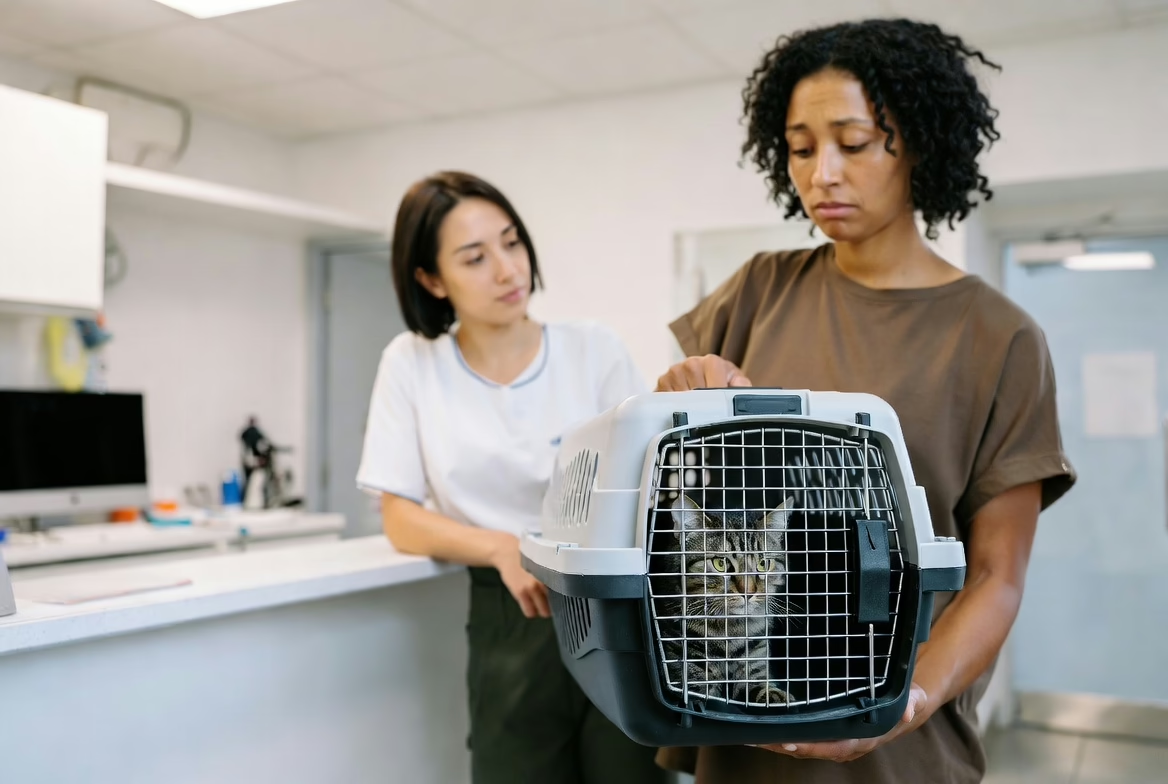
Go to emergency care immediately if: – Your cat shows sunken eyes or hollow facial appearance – Collapse, extreme weakness, or inability to stand occurs – Panting, rapid breathing, or respiratory distress develops – The skin tent test shows severe delay (3+ seconds) – Gums are pale, gray, or dark red with slow capillary refill – Your cat hasn’t urinated in 24+ hours
What to tell the veterinarian: – When you first noticed symptoms and how they’ve progressed – Your cat’s water and food intake over the past 48 hours – Any vomiting, diarrhea, or changes in urination – Results of your home hydration tests – Current medications and any recent changes – Whether your cat has been outdoors or exposed to heat
Veterinarians appreciate owners who monitor carefully and report specific observations. “My cat seems off” provides less actionable information than “She’s urinated only once in two days, her skin tent test takes three seconds, and she refused breakfast and dinner yesterday.”
Dehydration Severity Comparison
| Severity Level | Physical Symptoms | Behavioral Signs | Recommended Action | Recovery Time |
|---|---|---|---|---|
| Mild (5% fluid loss) | Slightly tacky gums, skin tent returns in 1-2 seconds, normal eyes | Reduced energy, slightly decreased appetite, normal interaction | Encourage drinking, offer wet food, monitor closely | 12-24 hours with home care |
| Moderate (5-10% fluid loss) | Tacky/dry gums, skin tent returns in 2-3 seconds, slightly sunken eyes, thick saliva | Noticeable lethargy, refuses some meals, less responsive to play | Veterinary visit same day, possible subcutaneous fluids | 24-48 hours with veterinary treatment |
| Severe (10-12% fluid loss) | Very dry gums, skin tent returns in 3+ seconds or stays tented, sunken eyes, cold extremities | Extreme lethargy or unresponsiveness, collapse, possible panting | Emergency veterinary care immediately, IV fluids required | 2-5 days with intensive treatment |
| Critical (12%+ fluid loss) | Shock symptoms, weak pulse, pale/gray gums, severe sunken eyes | Unconscious or near-unconscious, unable to stand, organ failure signs | Life-threatening emergency, hospitalization with aggressive IV therapy | Several days to weeks; permanent organ damage possible |
Expert Perspective on Feline Dehydration
Most cat owners don’t realize their pet is dehydrated until we’re dealing with a medical crisis. Cats are masters at hiding illness, and their naturally low thirst drive means they won’t necessarily seek water even when they desperately need it. I encourage all cat owners to perform the skin tent test monthly as part of routine at-home wellness checks. Early detection of even mild dehydration allows us to investigate underlying causes before kidney values become elevated or other complications develop. The cats I see for routine monitoring live significantly longer, healthier lives than those who only visit during emergencies.
Dr. Jennifer Martinez, DVM, DABVP (Feline Practice), Director of Feline Medicine at Metropolitan Animal Hospital in Portland.
FAQs
Cats typically need 3.5-4.5 ounces of water per five pounds of body weight daily. A 10-pound cat should consume roughly 7-9 ounces (about one cup) of total moisture from all sources—drinking water plus moisture from food. Cats eating wet food need to drink less than those on dry-food diets. Track intake over several days rather than obsessing over daily variations. Increased drinking (over 10 ounces daily for a 10-pound cat) warrants veterinary evaluation for diabetes or kidney disease.
Nausea from underlying illness suppresses thirst despite dehydration—a cruel biological paradox. Cats with kidney disease or gastrointestinal problems often feel too sick to drink. Mouth pain from dental disease, stomatitis, or oral tumors makes drinking uncomfortable. Some cats dislike water temperature (too cold or too warm), bowl material (plastic retains odors), or placement (near loud appliances or litter boxes). Dehydration itself causes lethargy that reduces motivation to seek water. This is why veterinary intervention becomes necessary—subcutaneous or IV fluids bypass the drinking problem entirely.
Yes, though cats won’t vocalize discomfort the way humans might. Dehydration causes headaches, muscle cramping, and joint pain as tissues lose fluid cushioning. Concentrated urine irritates the bladder, creating discomfort during urination. Severe dehydration triggers organ pain as kidneys, liver, and intestines struggle to function. The lethargy you observe isn’t just tiredness—it’s profound malaise. Cats may seek isolated, quiet spaces because they feel terrible. This is why early intervention matters: preventing progression from mild to moderate stages spares your cat significant suffering.
Mild dehydration (5% fluid loss) shows subtle signs: slightly tacky gums, one-second skin tent delay, reduced energy. Cats remain alert and responsive. Severe dehydration (10%+ fluid loss) presents dramatically: very dry gums, skin that stays tented for three or more seconds, sunken eyes, extreme lethargy or collapse, cold extremities. The difference is organ involvement—mild dehydration hasn’t yet impaired kidney or cardiovascular function, while severe dehydration causes measurable organ damage visible on bloodwork. Mild cases often resolve with home care; severe cases require hospitalization and intensive treatment to prevent permanent damage or death.
Recognizing cat dehydration symptoms transforms you from passive owner to active health advocate for your feline companion. The skin tent test takes five seconds. Checking gum moisture takes another five. These simple assessments, performed weekly, catch problems when they’re still fixable with minor adjustments rather than expensive emergency care.
Cats won’t tell you they’re thirsty. They won’t complain about feeling unwell until they’re seriously ill. Your vigilance fills that communication gap. Pay attention to litter box patterns, energy levels, and eating habits. Notice when something seems slightly off, even if you can’t pinpoint exactly what’s wrong.
Prevention strategies—multiple water sources, wet food, fountains—cost far less than treating dehydration complications. A $30 water fountain is cheaper than a $500 emergency vet visit for subcutaneous fluids and bloodwork.
Trust your instincts. If your cat seems “not quite right,” perform the basic hydration checks outlined here. When results concern you or symptoms worsen, contact your veterinarian without delay. Early intervention prevents minor issues from becoming life-threatening crises. Your cat depends on you to recognize the signs its biology evolved to hide.