
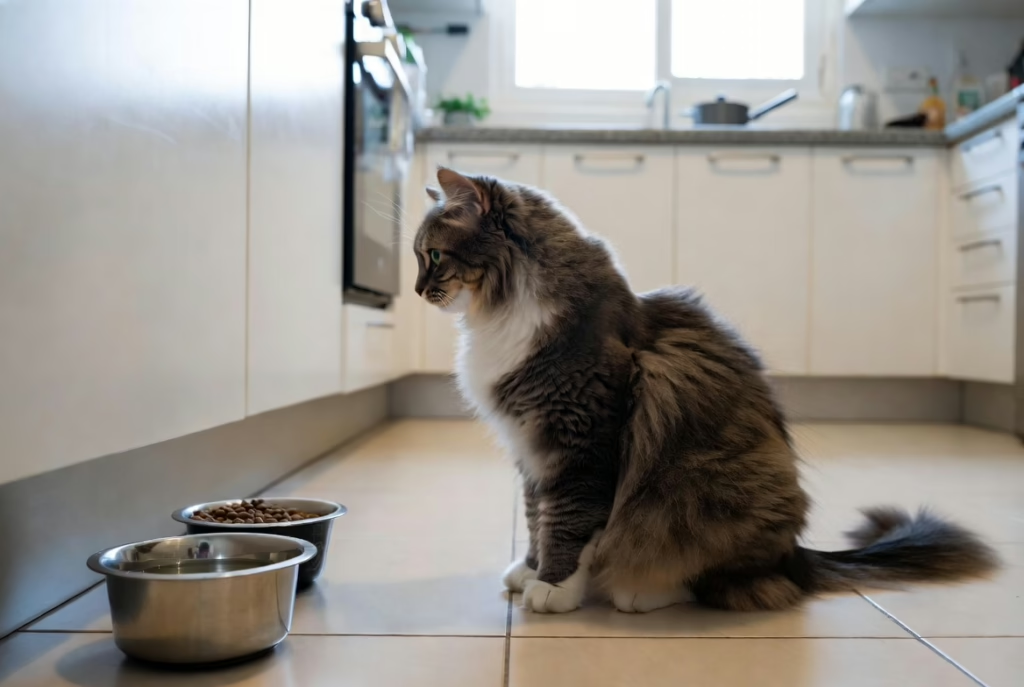
Digestive upset ranks among the most frequent health complaints veterinarians hear from cat owners. Your cat’s gastrointestinal tract processes food, absorbs nutrients, and eliminates waste—but when something goes wrong, the signs can range from mildly annoying to life-threatening. Understanding the difference helps you respond appropriately and avoid unnecessary panic or dangerous delays.
Common Signs Your Cat Has Digestive Issues
Recognizing digestive issues cats experience starts with knowing what’s normal for your pet. Cats are masters at hiding discomfort, so subtle changes often signal problems before they become obvious.
Vomiting appears in many forms. Some cats produce clear liquid or foam, while others expel undigested food shortly after eating. Hairballs occur occasionally in most cats, but frequent vomiting—more than once weekly—warrants attention.
Diarrhea ranges from soft, formed stool to liquid discharge. The color matters: brown suggests dietary issues, while black indicates possible bleeding in the upper digestive tract. Yellow or orange diarrhea often points to rapid intestinal transit or liver problems.
Constipation manifests as infrequent defecation, straining in the litter box, or hard, dry feces. Some cats vocalize during unsuccessful attempts to defecate. Owners sometimes mistake constipation for urinary blockage—a critical error, since urinary obstruction constitutes an immediate emergency.
Appetite changes provide important clues. Complete food refusal for more than 24 hours risks hepatic lipidosis, a dangerous liver condition in cats. Conversely, increased appetite with weight loss suggests malabsorption.
Weight loss develops gradually with chronic cat stomach issues. A loss of 10% body weight in a 10-pound cat means just one pound—easy to miss under fur until the condition advances.
Lethargy and behavior changes accompany many digestive problems. Cats may hide more, show reduced grooming, or adopt unusual postures like hunching due to abdominal pain.
What Causes Vomiting in Cats
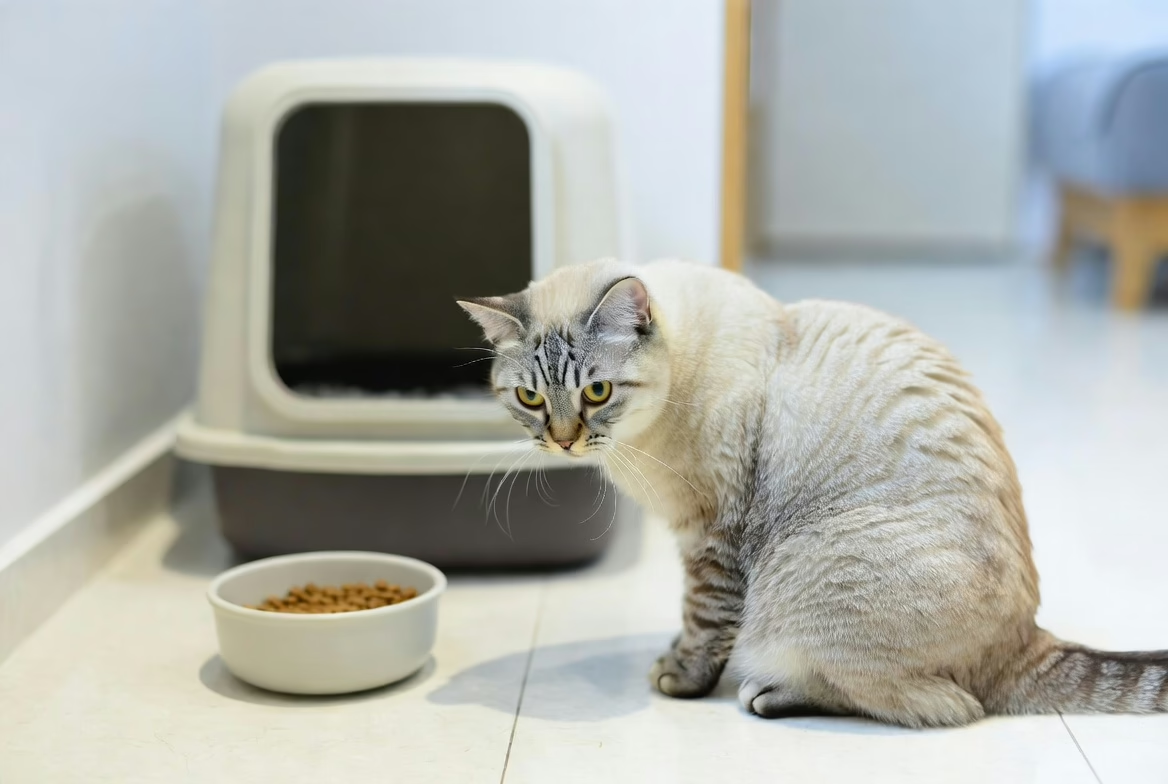
Cat vomiting causes span from benign to serious. The frequency, timing, and content of vomit help narrow the possibilities.
Hairballs vs. Medical Conditions
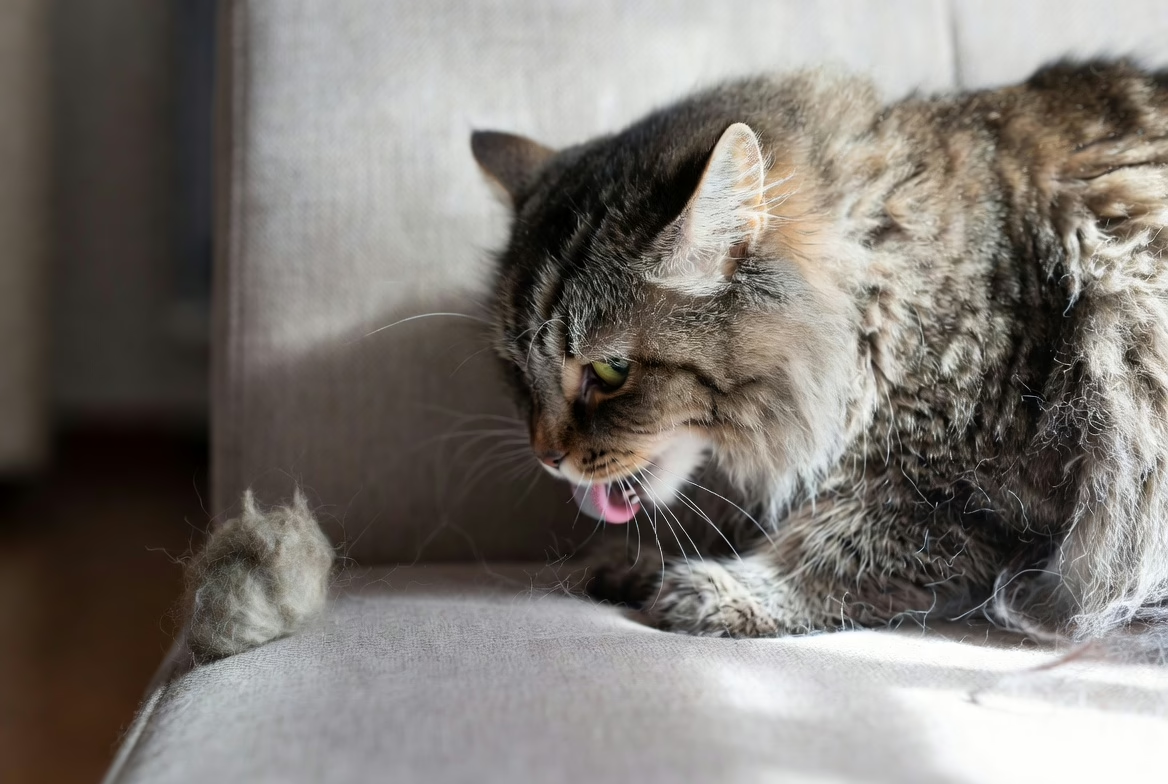
Hairballs (trichobezoars) form when grooming behavior sends fur into the digestive tract. Most cats expel hairballs occasionally—perhaps monthly. The classic cylindrical shape with hair matted in mucus distinguishes hairballs from other vomit.
Frequent hairballs—weekly or more—signal excessive grooming from stress, skin problems, or underlying nausea that prompts grooming as a coping behavior. Some cats actually have digestive motility problems that prevent normal hair passage.
Medical conditions producing similar symptoms include:
- Inflammatory bowel disease causes chronic vomiting and often responds poorly to diet changes alone
- Chronic kidney disease triggers nausea through toxin buildup
- Hyperthyroidism accelerates gut motility, causing both vomiting and diarrhea
- Pancreatitis produces severe, acute vomiting with abdominal pain
- Foreign bodies create intermittent vomiting as objects partially obstruct the intestines
Food-Related Vomiting
Eating too quickly causes regurgitation—food comes back up undigested, often in a tubular shape matching the esophagus. This differs from true vomiting, which involves abdominal contractions and partially digested food.
Food allergies or sensitivities develop over time, even to proteins cats have eaten for years. Common culprits include chicken, fish, and dairy. Unlike immediate allergic reactions in humans, food sensitivities in cats typically cause chronic, low-grade symptoms.
Sudden diet changes overwhelm the digestive system. Cats need gradual transitions over 7-10 days, mixing increasing amounts of new food with the old. Skipping this process invites vomiting and diarrhea.
Spoiled food or dietary indiscretion—eating plants, insects, or human food—causes acute vomiting that usually resolves within 24 hours if the cat remains hydrated.
Why Cats Get Diarrhea
Cat diarrhea reasons involve disruptions to normal intestinal function. The small intestine absorbs nutrients, while the large intestine absorbs water and forms stool. Problems anywhere along this path produce loose stools.
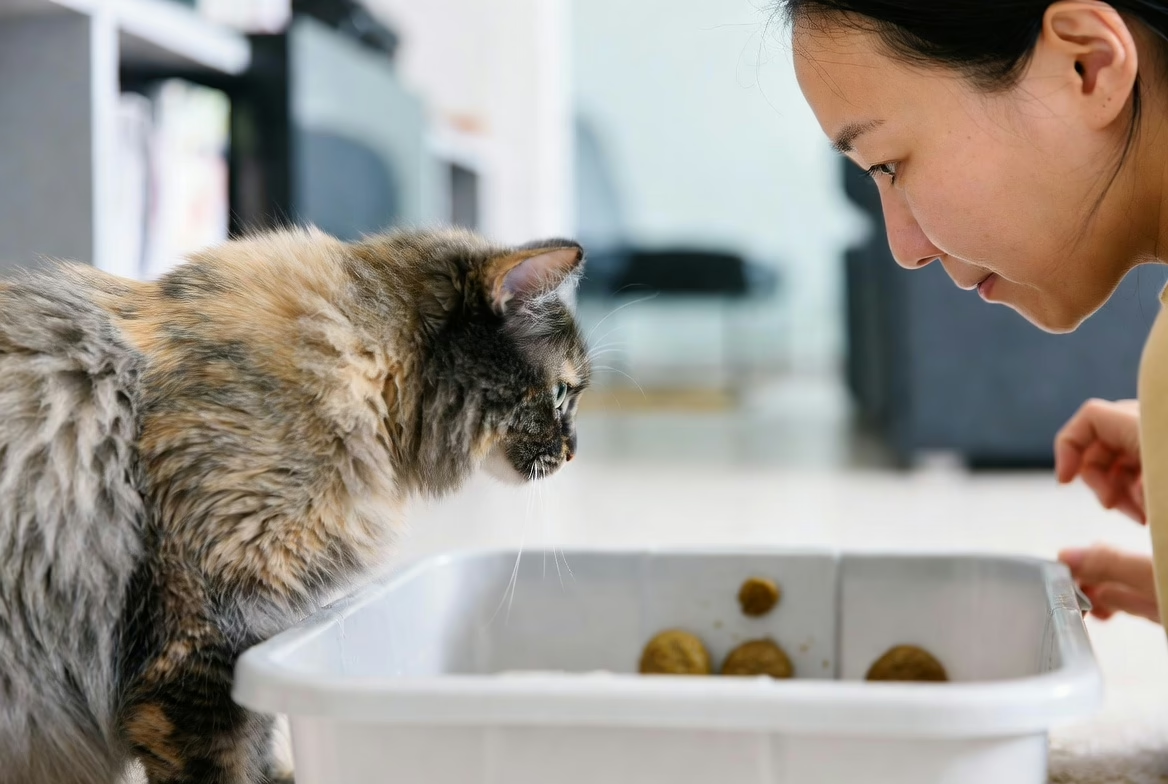
Dietary changes rank as the most common cause. New proteins, different fat levels, or unfamiliar carbohydrates alter gut bacteria populations. The microbiome needs time to adjust—hence the gradual transition rule.
Infections from bacteria (Salmonella, Campylobacter), viruses (panleukopenia, coronavirus), or protozoans (Giardia, Coccidia) cause acute diarrhea. Kittens face higher risk due to immature immune systems. Multi-cat households see rapid spread of infectious diarrhea.
Intestinal parasites like roundworms, hookworms, and tapeworms damage the intestinal lining and compete for nutrients. Even indoor cats contract parasites from insects or contaminated surfaces.
Inflammatory bowel disease (IBD) involves chronic immune system activation against the intestinal lining. Cats with IBD experience recurring diarrhea, vomiting, and weight loss. Diagnosis requires intestinal biopsies, and treatment involves immunosuppressive medications and specialized diets.
Food allergies and intolerances produce chronic diarrhea that persists despite standard treatments. Elimination diets using novel proteins or hydrolyzed formulas help identify triggers.
Stress and anxiety directly affect feline digestion problems through the gut-brain axis. Moving, new pets, construction noise, or changes in routine trigger stress-induced diarrhea in sensitive cats.
Other Digestive Problems in Cats
Beyond vomiting and diarrhea, cats experience several other feline digestion problems that affect comfort and health.
Constipation strikes older cats, overweight cats, and those with megacolon—a condition where the colon loses normal muscle tone. Dehydration concentrates stool, making passage difficult. Hairballs sometimes create obstructions. Cats with arthritis avoid the litter box due to pain, leading to voluntary stool retention.
Bloating and gas occur less commonly in cats than dogs but indicate fermentation of undigested food by gut bacteria. Sudden diet changes or high-carbohydrate foods promote gas production. Visible abdominal distension requires immediate veterinary assessment to rule out life-threatening conditions like gastric dilatation-volvulus (rare in cats) or intestinal obstruction.
Regurgitation differs from vomiting—food returns passively from the esophagus without abdominal effort. Causes include esophageal strictures, megaesophagus, or masses. Cats with regurgitation often eat again immediately since the food never reached the stomach.
Megacolon develops when chronic constipation stretches the colon beyond its ability to contract effectively. The condition becomes self-perpetuating: stretched muscle can’t push stool, leading to more stretching. Advanced cases require surgical removal of the affected colon section.
How to Support Your Cat’s Gut Health
Maintaining cat gut health involves proactive strategies that support normal digestive function and prevent problems before they start.
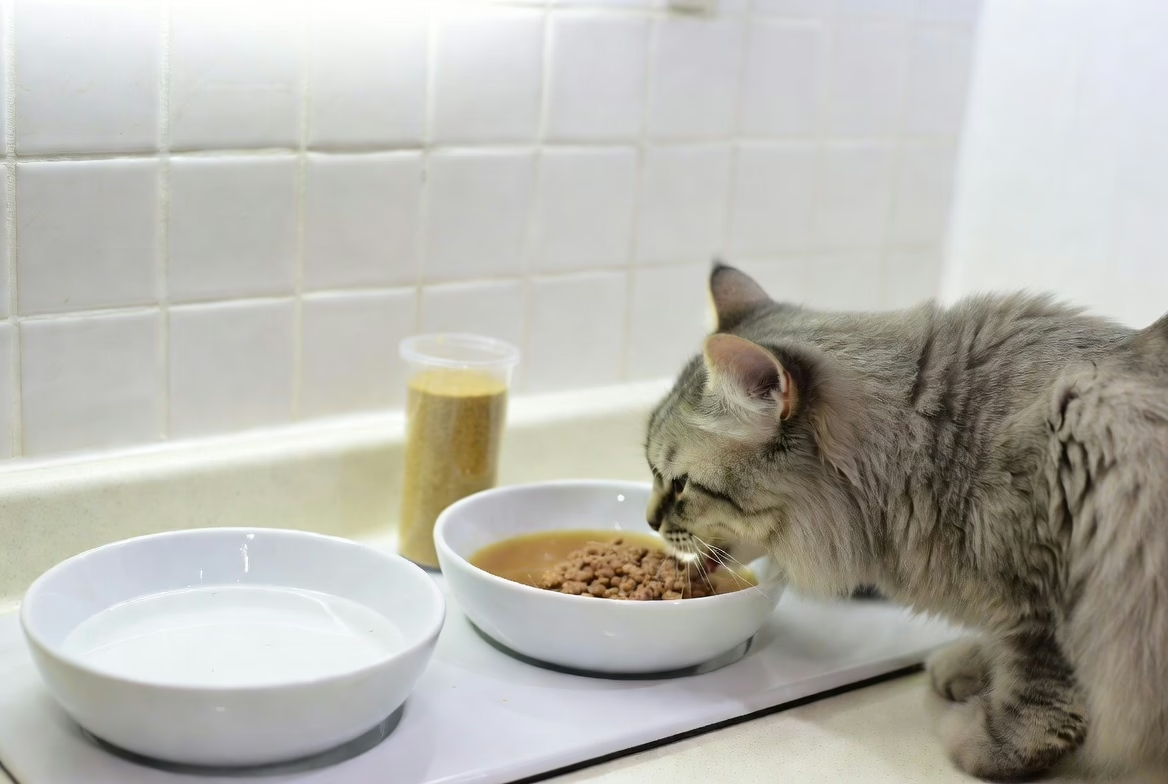
Choose appropriate nutrition. High-quality protein from named sources (chicken, turkey, salmon) provides essential amino acids. Moderate fat levels support nutrient absorption without overwhelming digestion. Fiber content matters: soluble fiber feeds beneficial bacteria, while insoluble fiber adds stool bulk. Cats with sensitive stomachs often benefit from limited-ingredient diets that minimize potential triggers.
Ensure adequate hydration. Cats evolved as desert animals with low thirst drives. Many subsist in chronic mild dehydration, concentrating urine and stool. Wet food contains 70-80% moisture compared to dry food’s 10%, making it superior for hydration. Water fountains encourage drinking through movement and freshness. Multiple water stations throughout the home increase access.
Consider probiotics and digestive supplements. Beneficial bacteria strains like Enterococcus faecium and Bifidobacterium support healthy gut flora. Probiotics help during antibiotic treatment, after dietary changes, or with chronic digestive conditions. Digestive enzymes assist cats with pancreatic insufficiency. Psyllium fiber supplements manage both constipation and diarrhea by normalizing stool consistency.
Establish consistent feeding schedules. Cats thrive on routine. Feeding at the same times daily regulates digestive hormone release and bowel movements. Scheduled feeding also allows monitoring of appetite changes—impossible with free-feeding. Most adult cats do well with two meals daily, spaced 8-12 hours apart.
Minimize stress. Environmental enrichment, vertical spaces, hiding spots, and predictable routines reduce anxiety. Gradual introductions of new pets or family members prevent stress-induced feline digestion problems. Pheromone diffusers create calming environments during unavoidable stressful periods.
Maintain healthy weight. Obesity strains all body systems, including digestion. Overweight cats face higher risks of hepatic lipidosis, inflammatory bowel disease, and constipation. Gradual weight loss—no more than 1-2% body weight weekly—prevents complications.
Regular parasite prevention. Monthly preventatives protect against intestinal parasites even in indoor cats. Annual fecal examinations catch infections before symptoms appear.
When to Take Your Cat to the Vet
Knowing when cat digestive problems require professional care prevents both unnecessary visits and dangerous delays.

Seek immediate emergency care for:
- Blood in vomit or stool (red or black/tarry)
- Projectile or violent vomiting
- Abdominal distension with pain or non-productive retching
- Straining to defecate with no stool production (possible obstruction)
- Collapse, weakness, or pale gums
- Known ingestion of toxins or foreign objects
Schedule a veterinary appointment within 24 hours if:
- Vomiting or diarrhea persists beyond 24 hours
- Multiple episodes occur within a few hours
- Your cat refuses food for more than 24 hours
- Lethargy accompanies digestive symptoms
- You notice progressive weight loss
- Symptoms recur frequently (weekly or more)
Dehydration signs require prompt attention. Check skin elasticity by gently lifting skin between the shoulder blades—it should snap back immediately. Slow return indicates dehydration. Sunken eyes, dry gums, and reduced urination also signal fluid loss.
Abdominal pain manifests as hunching, reluctance to move, vocalization when picked up, or guarding the belly. Cats in pain often hide and resist handling.
Monitor chronic conditions closely. Cats with diagnosed digestive diseases need regular veterinary follow-up even when stable. Medication adjustments, dietary modifications, and periodic testing optimize management.
Many cat owners wait too long before seeking veterinary care because they assume vomiting is normal for cats. While occasional hairballs happen, frequent vomiting always deserves investigation. The earlier we diagnose digestive problems, the better the outcome
Dr. Jennifer Coates, DVM, veterinary advisor and author
Comparison of Common Cat Digestive Problems
| Problem Type | Key Symptoms | Common Causes | Vet Visit Urgency |
|---|---|---|---|
| Acute Vomiting | 1-2 episodes, otherwise normal behavior | Hairballs, eating too fast, mild dietary indiscretion | Monitor 24 hours; call if persists |
| Chronic Vomiting | Weekly or more frequent episodes | IBD, food allergies, kidney disease, hyperthyroidism | Schedule appointment within days |
| Acute Diarrhea | Sudden soft/liquid stool, normal appetite | Diet change, mild infection, stress | Monitor 24 hours; ensure hydration |
| Chronic Diarrhea | Loose stools lasting weeks | IBD, parasites, food sensitivities, chronic infections | Schedule appointment within week |
| Constipation | Straining, hard/dry stool, infrequent defecation | Dehydration, hairballs, megacolon, pain | Call if no stool for 48+ hours |
| Bloody Stool/Vomit | Visible red blood or black tarry appearance | Ulcers, severe inflammation, clotting disorders, tumors | Emergency—seek immediate care |
FAQs
Healthy adult cats tolerate mild diarrhea for 24-48 hours if they maintain appetite, energy, and hydration. Beyond two days, or if diarrhea is severe (liquid, frequent), veterinary evaluation becomes necessary. Kittens, senior cats, and those with underlying health conditions shouldn’t wait—contact your veterinarian within 24 hours. Dehydration develops quickly in small or compromised cats.
Occasional vomiting—once monthly or less—may occur in otherwise healthy cats, often from hairballs. However, “normal” doesn’t mean optimal. Frequent vomiting (weekly or more) always indicates a problem requiring investigation. Some owners normalize excessive vomiting because it’s been happening for years, but chronic conditions still deserve diagnosis and treatment.
Highly digestible proteins like chicken, turkey, and white fish place less strain on the digestive tract. Novel proteins (venison, duck, rabbit) help cats with food sensitivities by avoiding previous allergen exposure. Wet food’s high moisture content aids digestion and prevents constipation. Limited-ingredient diets minimize potential irritants. Avoid foods with artificial colors, excessive fillers, or unnamed protein sources like “meat by-products.”
Absolutely. The gut-brain connection in cats means psychological stress directly impacts digestive function. Moving, new household members, construction noise, or changes in routine trigger stress responses that alter gut motility, increase inflammation, and disrupt normal bacterial populations. Some cats develop stress-induced diarrhea within hours of a stressful event. Managing environmental stressors often resolves digestive symptoms without medication.
Not immediately. Sudden diet changes often worsen digestive problems. First, consult your veterinarian to identify the underlying cause—changing food won’t help if parasites, infections, or diseases are responsible. If diet modification is recommended, transition gradually over 7-10 days. Prescription digestive diets may be necessary for conditions like IBD or food allergies. Random food switching without veterinary guidance usually creates more problems than it solves.
Cat digestive problems range from minor inconveniences to serious medical emergencies. The key lies in recognizing patterns, understanding what’s normal for your individual cat, and knowing when professional care becomes necessary. Most digestive upset resolves with supportive care—hydration, bland diet, stress reduction—but persistent or severe symptoms demand veterinary diagnosis.
Supporting your cat’s gut health through appropriate nutrition, adequate hydration, stress management, and preventive care reduces the likelihood of digestive problems. When issues do arise, early intervention produces better outcomes and often prevents complications that make treatment more difficult and expensive.
Your cat depends on you to notice subtle changes and advocate for their health. By staying observant and responding appropriately to digestive symptoms, you protect your cat’s comfort, health, and longevity. Regular veterinary care, combined with informed home management, gives your cat the best chance at a healthy digestive system throughout their life.