
- Why Proper Cat Nutrition Matters
- Overfeeding and Portion Control Problems
- Feeding Cats the Wrong Types of Food
- Common Cat Diet Errors with Treats and Supplements
- Hydration and Feeding Schedule Mistakes
- Ignoring Your Cat’s Life Stage and Health Needs
- How to Fix Your Cat’s Feeding Routine
- Comparison of Common Cat Feeding Mistakes and Their Solutions
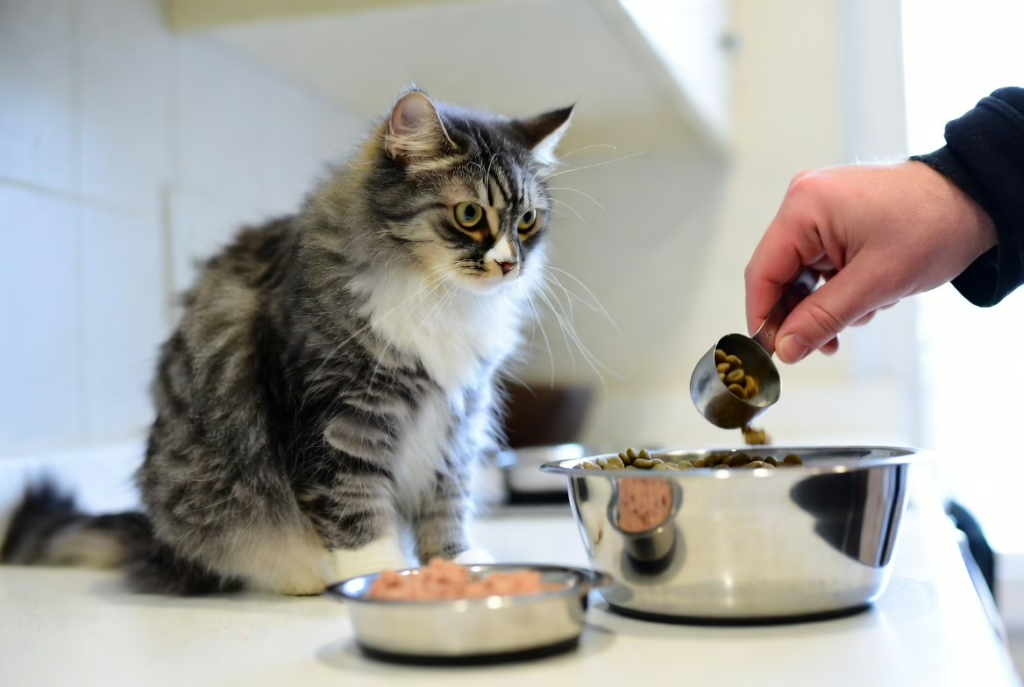
Cats are obligate carnivores with specific nutritional requirements that differ dramatically from dogs, humans, and even other pets. Yet many well-meaning cat owners make feeding errors that can shorten their pet’s lifespan, trigger chronic illness, or create behavioral problems. Understanding these missteps helps you provide better care and avoid costly veterinary bills down the road.
Why Proper Cat Nutrition Matters
Your cat’s diet directly influences everything from coat quality and energy levels to kidney function and immune response. Unlike dogs, cats cannot synthesize certain amino acids like taurine and require animal-based proteins to thrive. A diet lacking these essential nutrients can lead to dilated cardiomyopathy, blindness, or reproductive failure within months.
Poor feeding practices contribute to the rising obesity epidemic among domestic cats—recent veterinary surveys show that approximately 61% of cats in the United States are overweight or obese. This excess weight increases the risk of diabetes mellitus, hepatic lipidosis, arthritis, and lower urinary tract disease. Conversely, nutritional deficiencies from homemade diets or low-quality foods can cause anemia, poor wound healing, and stunted growth in kittens.
The consequences extend beyond physical health. Cats fed inconsistently or given inappropriate foods often develop food aggression, anxiety around mealtimes, or refuse to eat altogether. These behavioral issues stem from nutritional stress and can be difficult to reverse once established.
Overfeeding and Portion Control Problems
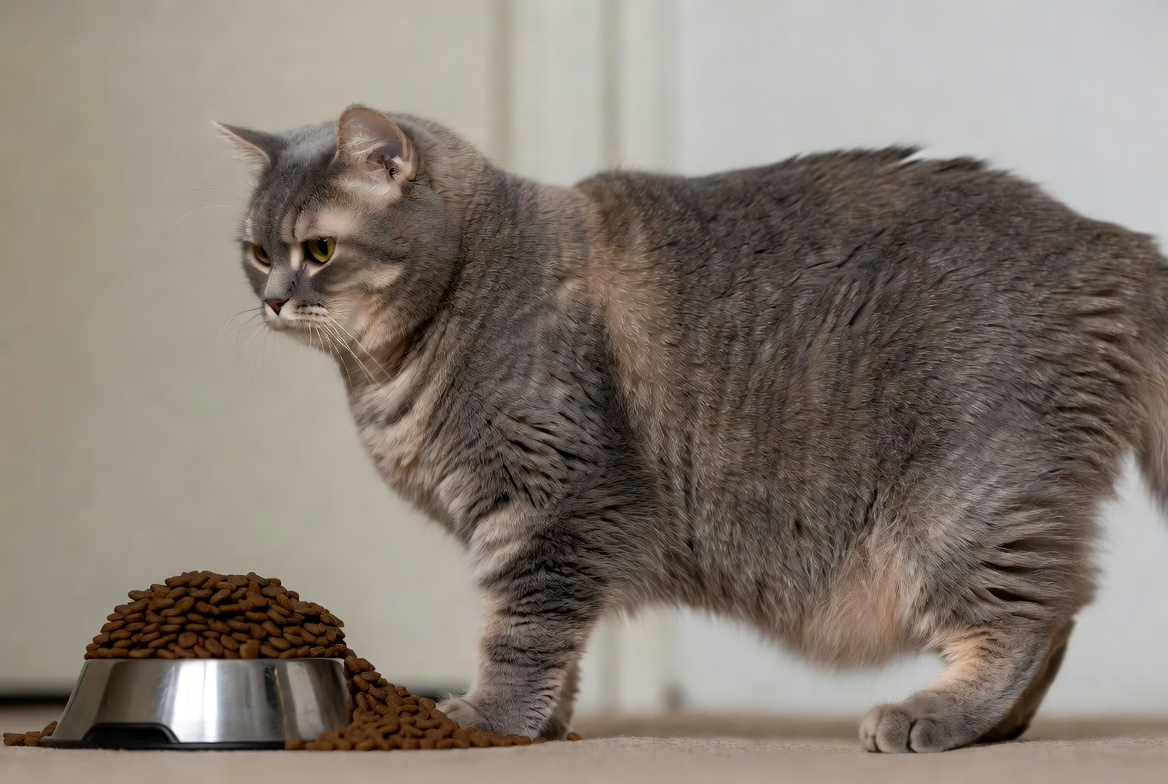
Free-feeding—leaving food available at all times—ranks among the most common feeding mistakes cats experience. While convenient for busy owners, this practice makes it nearly impossible to monitor intake and often leads to constant grazing. Cats evolved to eat multiple small meals throughout the day, but unlimited access to calorie-dense kibble overwhelms their natural satiety signals.
Many owners eyeball portions rather than measuring them with a kitchen scale or measuring cup. A “scoop” can vary by 30-40% depending on how densely you pack it. If you’re off by just a quarter cup daily, your cat could gain several pounds over a year—significant for an animal that should weigh 8-10 pounds.
Treating poses another challenge. Those crunchy treats or bits of chicken seem harmless, but they add up quickly. Treats should comprise no more than 10% of daily caloric intake. A single ounce of many commercial cat treats contains 80-120 calories—nearly a quarter of what an average indoor cat needs per day. Owners who give treats multiple times daily without adjusting meal portions inadvertently create a calorie surplus.
Obesity in cats isn’t just about aesthetics. Excess weight stresses joints, making jumping and grooming painful. It also triggers insulin resistance, setting the stage for diabetes. Overweight cats face higher surgical risks and often develop fatty liver disease if they stop eating suddenly. Recognizing portion control as a cornerstone of cat health prevents these cascading problems.
Feeding Cats the Wrong Types of Food
Not all pet food is created equal, and what works for one species can harm another. Several feeding cats wrong food scenarios occur with alarming frequency.
Why Dog Food Isn’t Safe for Cats
Dog food lacks adequate taurine, arachidonic acid, and vitamin A in forms cats can utilize. Dogs convert beta-carotene to vitamin A, but cats cannot—they need preformed vitamin A from animal tissues. A cat eating dog food regularly will develop taurine deficiency within weeks, leading to heart disease and vision loss. The protein levels in dog food also fall short of feline requirements, often containing more plant-based proteins that lack complete amino acid profiles.
Even a few meals of dog food won’t immediately harm a cat, but making it a habit creates serious nutritional gaps. If you have both species at home, feed them separately and store foods where the cat cannot access the dog’s bowl.
Human Foods That Are Dangerous for Cats
Certain human foods are toxic to cats, even in small amounts. Onions and garlic damage red blood cells, causing hemolytic anemia. Chocolate contains theobromine, which cats metabolize slowly, leading to cardiac arrhythmias and seizures. Grapes and raisins cause acute kidney failure in some cats, though the toxic mechanism remains unclear.
Raw dough expands in the stomach and produces ethanol as it ferments, creating a life-threatening obstruction and alcohol poisoning. Xylitol, a sugar substitute in many products, triggers insulin release and liver failure. Alcohol, caffeine, and macadamia nuts also pose serious risks.
Less obviously, feeding cats tuna meant for human consumption can lead to mercury accumulation and thiamine deficiency. Milk and dairy products, despite popular belief, cause digestive upset in most adult cats who lack sufficient lactase enzyme.
Raw diet enthusiasts sometimes feed cats unbalanced homemade meals without veterinary guidance. While cats are carnivores, they need more than just muscle meat. Whole prey provides bones for calcium, organs for vitamins, and connective tissue for other nutrients. A diet of only chicken breast creates severe nutritional imbalances. Raw diets also carry bacterial contamination risks—Salmonella and E. coli can sicken both cats and their owners.
Low-quality commercial foods present subtler problems. Products listing corn or wheat as the first ingredient, or those containing excessive fillers, by-products from unknown sources, or artificial colors provide poor nutrition. Cats require animal protein, not grain-based calories. Reading labels carefully and choosing foods meeting AAFCO standards for complete and balanced nutrition makes a measurable difference.
Common Cat Diet Errors with Treats and Supplements
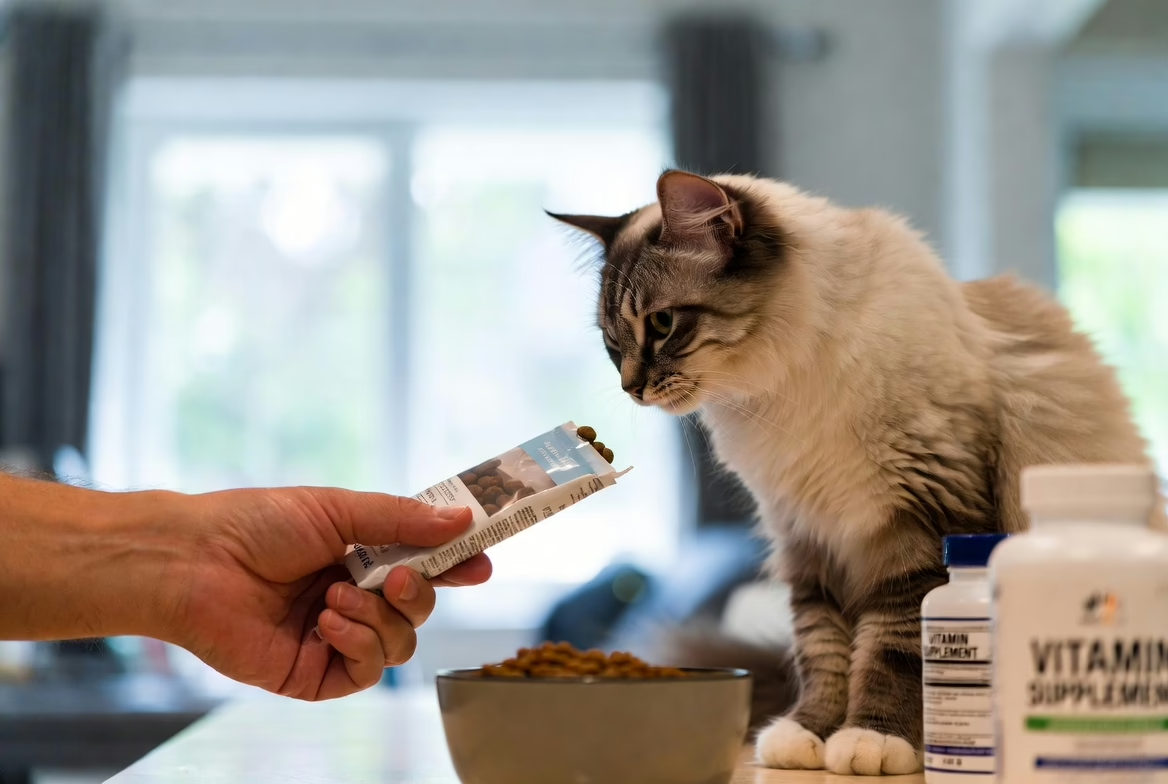
Treats serve as training tools and bonding opportunities, but excessive treating undermines balanced nutrition. Some owners give treats every time their cat meows or looks cute, creating a pattern where treats replace substantial portions of the regular diet. This leads to nutrient imbalances even if total calories remain appropriate.
Unnecessary supplementation represents another frequent cat diet error. Cats eating complete and balanced commercial diets don’t need additional vitamins or minerals. In fact, over-supplementation can cause toxicity—excess vitamin A damages bones, while too much calcium interferes with phosphorus absorption. Unless your veterinarian identifies a specific deficiency, adding supplements to a proper diet does more harm than good.
Using food as the primary reward system creates cats who only respond when treats appear. This makes medication administration difficult and can lead to obesity. Incorporating play, petting, or verbal praise as rewards maintains a healthier relationship with food.
Some owners fall into the trap of “variety for variety’s sake,” constantly rotating treats and foods without medical reason. While occasional variety isn’t harmful, frequent changes can trigger digestive upset and make it harder to identify food sensitivities if they develop.
Hydration and Feeding Schedule Mistakes
Cats evolved from desert-dwelling ancestors and have a low thirst drive, making hydration a critical concern. Many cat feeding problems stem from inadequate water intake.
Feeding exclusively dry food without ensuring sufficient water consumption concentrates urine and promotes crystal formation. Cats on dry-food-only diets often develop lower urinary tract disease, bladder stones, or chronic kidney disease earlier than those eating wet food or drinking more water. Wet food contains 70-80% moisture, contributing significantly to hydration.
Not providing fresh water or placing bowls in unappealing locations reduces intake. Cats prefer water away from their food (in nature, prey carcasses contaminate water sources nearby). Stagnant water develops biofilm and tastes stale. Many cats drink more from fountains with circulating water or wide ceramic bowls that don’t touch their whiskers.
Irregular meal times create anxiety and digestive issues. Cats thrive on routine—feeding at inconsistent times elevates stress hormones and can trigger vomiting or diarrhea. Establishing set meal times (typically two to three per day for adult cats) regulates metabolism and makes monitoring intake easier.
Sudden diet changes rank among the most common diet issues cats face. Switching foods abruptly causes vomiting, diarrhea, and food refusal. Proper transitions take 7-10 days, gradually mixing increasing amounts of new food with decreasing amounts of old food. This allows intestinal bacteria to adjust and helps you identify adverse reactions before fully committing to a new product.
Ignoring Your Cat’s Life Stage and Health Needs
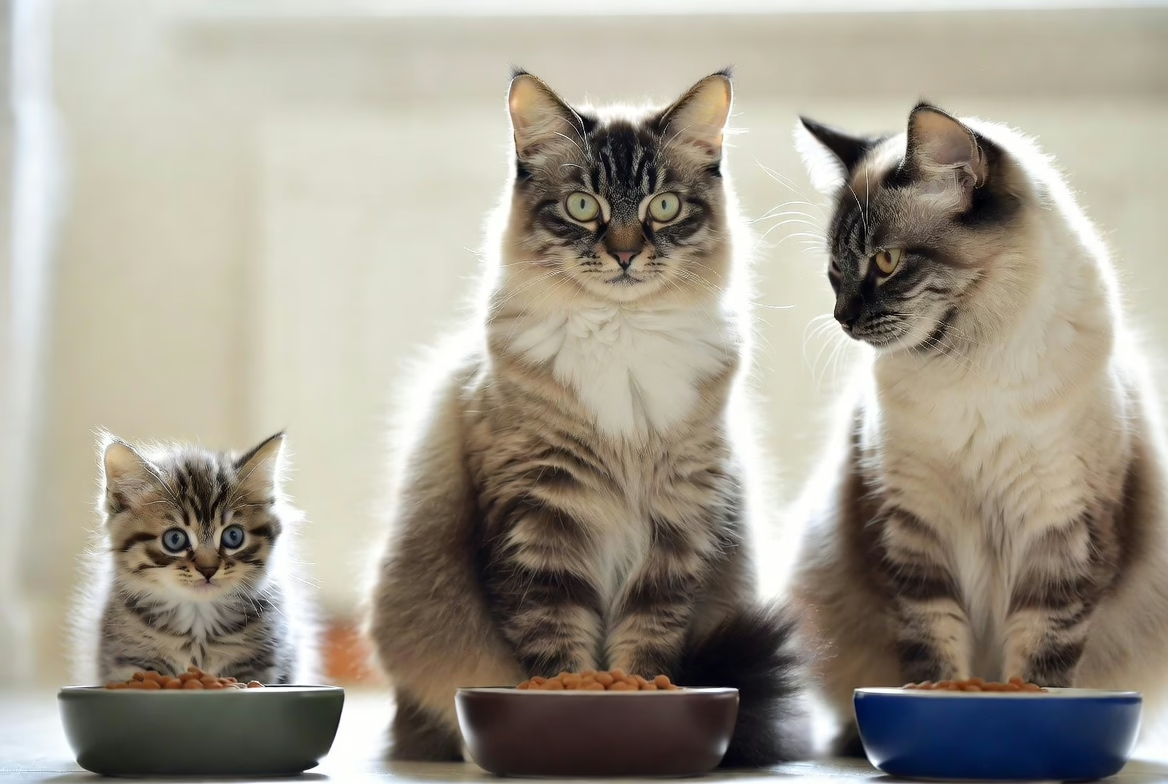
A kitten, adult, and senior cat have vastly different nutritional requirements. Feeding kitten food to adults provides excess calories and protein that stress kidneys over time. Conversely, feeding adult food to kittens deprives them of the energy and nutrients needed for growth, potentially causing developmental problems.
Kittens need approximately twice the calories per pound of body weight compared to adults, plus higher levels of protein, fat, and certain vitamins. They should eat kitten-formulated food until at least 12 months of age (18 months for large breeds).
Senior cats—generally those over 11 years—often need fewer calories but higher-quality protein to maintain muscle mass. Many develop dental disease that makes eating kibble painful, yet owners don’t adjust food texture. Senior formulas typically contain joint-supporting ingredients and are easier to digest.
Medical conditions demand dietary modifications that many owners overlook. Cats with chronic kidney disease need phosphorus restriction and omega-3 fatty acids. Diabetic cats benefit from high-protein, low-carbohydrate diets that stabilize blood glucose. Food-allergic cats require limited-ingredient or hydrolyzed protein diets. Feeding a cat with urinary crystals the same food that caused the problem guarantees recurrence.
Failing to adjust portions for activity level creates problems too. Indoor cats burn fewer calories than outdoor cats and need smaller portions. Pregnant or nursing cats have dramatically increased energy needs that standard portions don’t meet.
The most overlooked feeding mistake I see is owners not recognizing that cats are strict carnivores with zero biological need for carbohydrates. Many popular dry foods contain 30-40% carbohydrates, which contribute to obesity and diabetes. Species-appropriate nutrition means prioritizing animal protein and moisture—if you remember nothing else, remember that cats are designed to eat prey, not grains.
Dr. Jennifer Morrison
How to Fix Your Cat’s Feeding Routine
Correcting feeding mistakes begins with a veterinary consultation. Your vet can assess your cat’s body condition score, identify any existing health issues, and recommend appropriate foods and portions. They’ll calculate daily caloric needs based on ideal weight, not current weight if your cat is overweight.
Measure portions using a kitchen scale for accuracy—weight is more precise than volume. Follow feeding guidelines on quality cat food as a starting point, then adjust based on your cat’s response. Monitor weight monthly and body condition weekly by feeling ribs and observing waist definition.
When transitioning foods, use the gradual method: days 1-2 offer 75% old food with 25% new, days 3-4 use 50/50, days 5-6 shift to 25% old and 75% new, then switch completely on day 7. Extend this timeline if digestive upset occurs.
Establish a consistent feeding schedule. Most adult cats do well with two meals daily, spaced 8-12 hours apart. Kittens need three to four meals. Feed at the same times each day in a quiet location away from litter boxes.
Ensure fresh water availability in multiple locations. Clean bowls daily and consider a fountain if your cat drinks reluctantly. Incorporate wet food to boost moisture intake, even if you also feed dry food.
Limit treats to 10% of daily calories and use them strategically for training or medication administration. Choose high-protein, low-calorie options when possible.
Monitor your cat’s response to dietary changes. Healthy cats have consistent energy, shiny coats, firm stools, and stable weight. Signs of problems include vomiting, diarrhea, lethargy, excessive thirst, or appetite changes—contact your veterinarian if these develop.
Comparison of Common Cat Feeding Mistakes and Their Solutions
| Mistake | Why It’s Harmful | Correct Approach |
|---|---|---|
| Free-feeding dry food all day | Leads to overeating, obesity, inability to monitor intake | Offer measured portions at scheduled meal times (2-3x daily) |
| Feeding dog food to cats | Lacks taurine and adequate protein; causes heart disease and blindness | Feed only cat-specific food; separate feeding areas for multi-pet homes |
| Giving excessive treats | Creates nutrient imbalances and weight gain | Limit treats to <10% of daily calories; use for training only |
| Sudden food changes | Triggers vomiting, diarrhea, and food refusal | Transition gradually over 7-10 days, mixing old and new food |
| Using only dry food without adequate water | Concentrates urine, promotes kidney disease and urinary crystals | Incorporate wet food; provide multiple fresh water sources |
| Feeding kitten food to adult cats | Excess calories and nutrients stress organs | Switch to adult formula at 12 months; senior formula at 11+ years |
| Not adjusting for health conditions | Worsens diseases like diabetes, kidney disease, or allergies | Work with vet to select therapeutic diets for diagnosed conditions |
FAQs
Daily caloric needs vary by weight, age, and activity level. An average 10-pound indoor adult cat needs approximately 200-250 calories per day. Kittens need about twice that per pound of body weight, while senior or less active cats may need fewer. Check your cat food label for feeding guidelines, then adjust based on your cat’s body condition. Weigh your cat monthly and consult your veterinarian for personalized recommendations, especially if your cat needs to lose or gain weight.
No. Cats are obligate carnivores requiring nutrients found only in animal tissue, including taurine, arachidonic acid, and preformed vitamin A. Unlike dogs or humans, cats cannot synthesize these from plant sources. Vegan or vegetarian diets cause severe deficiencies leading to blindness, heart failure, and death. Even with synthetic supplements, plant-based diets lack appropriate protein structures and ratios for feline health. Feeding cats according to their evolutionary biology is essential.
Unless your cat develops health issues, food sensitivities, or your veterinarian recommends a change, there’s no need to switch brands regularly. Cats benefit from consistency. Frequent changes can cause digestive upset and make identifying food allergies difficult. If you must change foods due to discontinuation or health needs, transition gradually over 7-10 days. Some owners rotate between two or three high-quality foods every few months to provide variety, but this isn’t necessary for cats eating complete, balanced diets.
Free-feeding works for some cats with excellent self-regulation, but most cats overeat when food is constantly available, leading to obesity. It also makes monitoring intake impossible—critical for detecting illness early, since appetite loss is often the first disease sign. Scheduled meals (two to three times daily) allow portion control, help maintain healthy weight, and let you notice changes in eating behavior. If you work long hours, automatic feeders can dispense measured portions at set times.
Warning signs include unexplained weight loss or gain, dull or greasy coat, excessive shedding, vomiting more than once monthly, chronic diarrhea or constipation, increased thirst or urination, lethargy, and food refusal. Skin problems, excessive scratching, and ear infections may indicate food allergies. Healthy cats maintain stable weight, have shiny coats, produce firm stools, and show consistent energy levels. Any persistent changes warrant veterinary evaluation, as many serious conditions manifest through dietary symptoms.
Avoiding cat feeding mistakes requires understanding your cat’s unique biology as an obligate carnivore. Measure portions carefully, provide species-appropriate nutrition from quality sources, maintain consistent feeding schedules, and adjust for life stage and health conditions. Small changes—like adding wet food for hydration, limiting treats to 10% of calories, or transitioning foods gradually—make substantial differences in your cat’s long-term health.
Work closely with your veterinarian to develop a feeding plan tailored to your cat’s individual needs. Regular weight monitoring and body condition assessments catch problems early, when they’re easiest to correct. Remember that proper nutrition is preventive medicine—the investment you make in quality food and mindful feeding practices today prevents expensive medical interventions and extends your cat’s healthy years with you.