

- What Are Cat Food Allergies and How Do They Develop
- How to Recognize Cat Allergy Symptoms from Food
- Common Foods That Trigger Allergic Reactions in Cats
- Diagnosing Food Sensitivities in Your Cat
- Managing Cat Diet Allergies Through Nutrition
- When to See a Veterinarian for Cat Nutrition Issues
- Preventing Food-Related Allergic Reactions Long-Term
- Cat Food Allergy Symptoms vs. Food Intolerance Symptoms
When your cat scratches incessantly, develops bald patches, or experiences recurring digestive upset, food allergies might be the culprit. Unlike seasonal allergies or flea sensitivities, adverse reactions to food can persist year-round and significantly impact your pet’s quality of life. Understanding the distinction between true allergies and intolerances—and knowing how to manage both—can transform your cat’s health.
What Are Cat Food Allergies and How Do They Develop
Cat food allergies occur when the immune system mistakenly identifies a harmless protein as a threat. This triggers an inflammatory response, releasing histamines and other compounds that cause visible symptoms. The immune system “remembers” this protein, so each subsequent exposure produces a reaction.
True allergies differ fundamentally from feline food intolerance. An allergy involves immune system activation, while intolerance stems from digestive difficulties processing certain ingredients. A cat with lactose intolerance lacks sufficient enzymes to break down dairy sugars, causing diarrhea without immune involvement. An allergic cat, conversely, mounts a full immune response to milk proteins, potentially causing skin inflammation, gastrointestinal distress, or both.
Most food allergies develop after prolonged exposure to a specific protein. Cats typically need months or years of eating the same ingredient before sensitization occurs. This explains why a cat can suddenly react to a food they’ve eaten without problems for three years—the immune system gradually became sensitized.
Common allergen proteins include beef, dairy products, fish, and chicken. These proteins are prevalent in commercial cat foods, increasing exposure frequency. Interestingly, cats rarely develop allergies to proteins they’ve never encountered, which forms the basis of novel protein diets used in allergy management.
Genetic factors influence susceptibility. Siamese and Balinese cats show higher predisposition to food allergies, though any breed can develop them. Age matters less than exposure duration—kittens and senior cats both can develop new allergies.

How to Recognize Cat Allergy Symptoms from Food
Cat allergy symptoms food reactions manifest differently than environmental allergies. While pollen allergies typically cause seasonal respiratory issues, food allergies produce year-round symptoms concentrated in two body systems: skin and digestive tract.
Skin and Coat Warning Signs
The most visible indicators appear on the skin. Affected cats develop intense itching, particularly around the head, neck, and ears. You might notice your cat scratching behind the ears until the skin bleeds or rubbing their face against furniture obsessively.
Hair loss follows persistent scratching. Unlike the symmetrical hair loss seen in hormonal conditions, allergy-related baldness appears patchy and irregular. The skin underneath often looks inflamed—red, bumpy, or covered in small scabs called miliary dermatitis.
Some cats develop hot spots: localized areas of moist, inflamed skin that worsen rapidly. Others experience chronic ear infections with dark, waxy discharge. If your cat shakes their head frequently or holds one ear at an odd angle, food allergies could be triggering secondary yeast or bacterial infections in the ear canal.
Less commonly, cats develop eosinophilic granulomas—raised, ulcerated lesions typically found on the lips, thighs, or abdomen. These pink-to-red plaques have a distinctive appearance and warrant immediate veterinary attention.
Digestive System Reactions
Gastrointestinal symptoms accompany skin issues in roughly 10-15% of food-allergic cats, though some cats show only digestive signs. Chronic vomiting—more than once weekly—suggests possible food sensitivity. Pay attention to timing: vomiting within hours of eating points toward food reactions rather than hairballs.
Diarrhea or soft stools that persist despite deworming and standard treatments indicate potential cat allergic reactions food. The stool might contain mucus or small amounts of blood. Increased bowel movement frequency, even if stools appear normal, can signal intestinal inflammation.
Behavioral changes often go unrecognized. Food-allergic cats may become irritable due to constant discomfort. Some develop excessive grooming behaviors, creating bald patches on accessible body areas. Others show decreased appetite—not from pickiness, but because they associate eating with feeling unwell.
Symptoms typically appear within hours to two days after consuming the triggering food. However, chronic low-grade reactions can make timing difficult to pinpoint without systematic elimination trials.
Common Foods That Trigger Allergic Reactions in Cats

Research examining feline food allergies consistently identifies certain proteins as frequent culprits. Beef tops the list, likely because it’s been a staple in commercial cat foods for decades. Dairy products rank second—ironic given the cultural image of cats drinking milk.
Fish causes more allergic reactions than many owners expect. Tuna, salmon, and other seafood proteins can sensitize cats, particularly those fed fish-based diets exclusively. The proteins in different fish species vary enough that a cat allergic to salmon might tolerate whitefish, though cross-reactivity remains possible.
Chicken appears problematic for many cats, creating a challenge since it’s the primary protein in countless commercial foods. Lamb and rabbit, once considered hypoallergenic, now trigger reactions in cats previously fed these proteins therapeutically.
Grains generate controversy. While cats can develop allergies to wheat, corn, or soy, true grain allergies remain less common than protein allergies. Many cats tolerate grain-containing foods without issue. The grain-free trend stems partly from marketing rather than medical necessity for most cats.
Additives and preservatives occasionally cause problems. Artificial colors, flavors, and certain preservatives can trigger reactions in sensitive cats, though distinguishing these from protein allergies requires careful elimination trials.
Breed predispositions exist but aren’t absolute. Siamese cats show higher rates of food allergies overall. Indoor cats may develop sensitivities more readily than outdoor cats, possibly due to limited dietary variety and different microbiome development.
Cross-contamination matters in households with multiple cats. If one cat requires a specialized diet, the allergic cat sneaking bites of the other’s food can perpetuate symptoms despite your best efforts.
Diagnosing Food Sensitivities in Your Cat
Definitive diagnosis requires methodical investigation. No blood test reliably identifies food allergies in cats. Serum allergy tests marketed for pets show poor correlation with actual food reactions—a cat testing “positive” for chicken might tolerate it perfectly, while an unlisted food causes severe symptoms.
The elimination diet protocol remains the diagnostic gold standard. This involves feeding a diet containing only novel proteins and carbohydrates—ingredients your cat has never consumed—for 8-12 weeks. During this period, absolutely nothing else can pass your cat’s lips: no treats, no flavored medications, no table scraps, not even a lick of butter.
Choosing the elimination diet requires knowing your cat’s complete dietary history. If your cat has eaten chicken, beef, fish, and turkey, you might trial venison, duck, or rabbit. Hydrolyzed protein diets offer an alternative—these contain proteins broken into fragments too small to trigger immune recognition.
Keeping a symptom diary proves invaluable. Document scratching frequency, bowel movement consistency, vomiting episodes, and skin appearance daily. Improvement should begin within 4-6 weeks if food allergy exists, though complete resolution may take the full 12 weeks as inflammation subsides.
After the elimination period, you’ll reintroduce previous foods one at a time—called provocative challenge testing. Feed the test ingredient exclusively for two weeks while monitoring for symptom return. If symptoms reappear, you’ve identified a trigger. If your cat remains symptom-free, that ingredient gets cleared and you test the next one.
This process demands patience and discipline. A single transgression—your cat stealing dog food or a well-meaning visitor offering treats—can invalidate weeks of effort, requiring you to restart the elimination phase.
Veterinary involvement improves success rates. Your veterinarian can recommend appropriate elimination diets, prescribe hypoallergenic prescription foods, and rule out other conditions mimicking food allergies: parasites, inflammatory bowel disease, hyperthyroidism, or skin infections.
Managing Cat Diet Allergies Through Nutrition

Once you’ve identified trigger foods, management focuses on avoidance. Hypoallergenic commercial diets simplify this process. Prescription formulas use either novel proteins (venison, rabbit, duck) or hydrolyzed proteins. Hydrolyzed diets work for most food-allergic cats because the protein fragments don’t trigger immune responses.
Limited ingredient diets (LID) contain fewer components than standard foods, reducing allergen exposure risk. A quality LID might list only salmon and sweet potato, making it easier to identify problems if symptoms recur. However, “limited ingredient” isn’t regulated—some products marketed this way contain multiple protein sources or common allergens.
Novel protein sources provide alternatives for cats allergic to common meats. Venison, rabbit, duck, kangaroo, and even insects (yes, cricket-based cat foods exist) offer options. Remember that “novel” means novel to your specific cat. If your cat previously ate rabbit, it’s no longer novel regardless of how exotic it seems.
Homemade diets allow complete control over ingredients but carry risks. Cats require specific nutrients—taurine, arachidonic acid, vitamin A—that improperly balanced homemade diets lack. Nutritional deficiencies develop slowly, causing serious health problems before symptoms appear. If pursuing homemade feeding, work with a veterinary nutritionist to formulate a complete, balanced recipe.
Commercial versus homemade involves trade-offs. Commercial hypoallergenic foods ensure nutritional completeness and consistency but cost significantly more than standard foods—sometimes $3-5 per day for an average cat. Homemade diets require substantial time investment, careful sourcing, and supplementation, but some cats with multiple allergies tolerate them better.
Rotating proteins seems logical but can backfire. Frequent protein rotation increases the number of proteins your cat becomes sensitized to over time. Once you’ve identified a safe protein, many veterinarians recommend maintaining it long-term rather than rotating.
Cat nutrition issues extend beyond allergies. Some cats develop secondary problems from chronic inflammation: inflammatory bowel disease, small intestinal bacterial overgrowth, or vitamin malabsorption. Addressing the underlying allergy often resolves these complications, but some cats require additional interventions.
When to See a Veterinarian for Cat Nutrition Issues
Certain symptoms demand immediate veterinary attention. Facial swelling, difficulty breathing, or collapse suggest anaphylaxis—rare in food allergies but life-threatening. Seek emergency care immediately.
Chronic versus acute reactions require different approaches. A cat with persistent mild itching can wait for a regular appointment. A cat scratching until bleeding, refusing food, or showing severe diarrhea needs prompt evaluation.
If home management fails after 12 weeks of strict elimination diet adherence, specialist referral may help. Veterinary dermatologists have additional diagnostic tools and experience with complex cases. They can perform intradermal testing (though this primarily identifies environmental allergens), prescribe immunotherapy, or suggest advanced dietary strategies.
Secondary infections complicate food allergies. Bacteria and yeast colonize inflamed skin, worsening symptoms. Your cat might need antibiotics or antifungal medications alongside dietary changes. Treating infection without addressing underlying allergies provides only temporary relief—symptoms return once medication stops.
Weight loss during elimination trials warrants veterinary consultation. Some cats refuse novel protein diets initially. If your cat loses more than 10% of body weight, intervention is necessary. Cats that stop eating entirely for more than 48 hours risk hepatic lipidosis, a dangerous liver condition.
Preventing Food-Related Allergic Reactions Long-Term
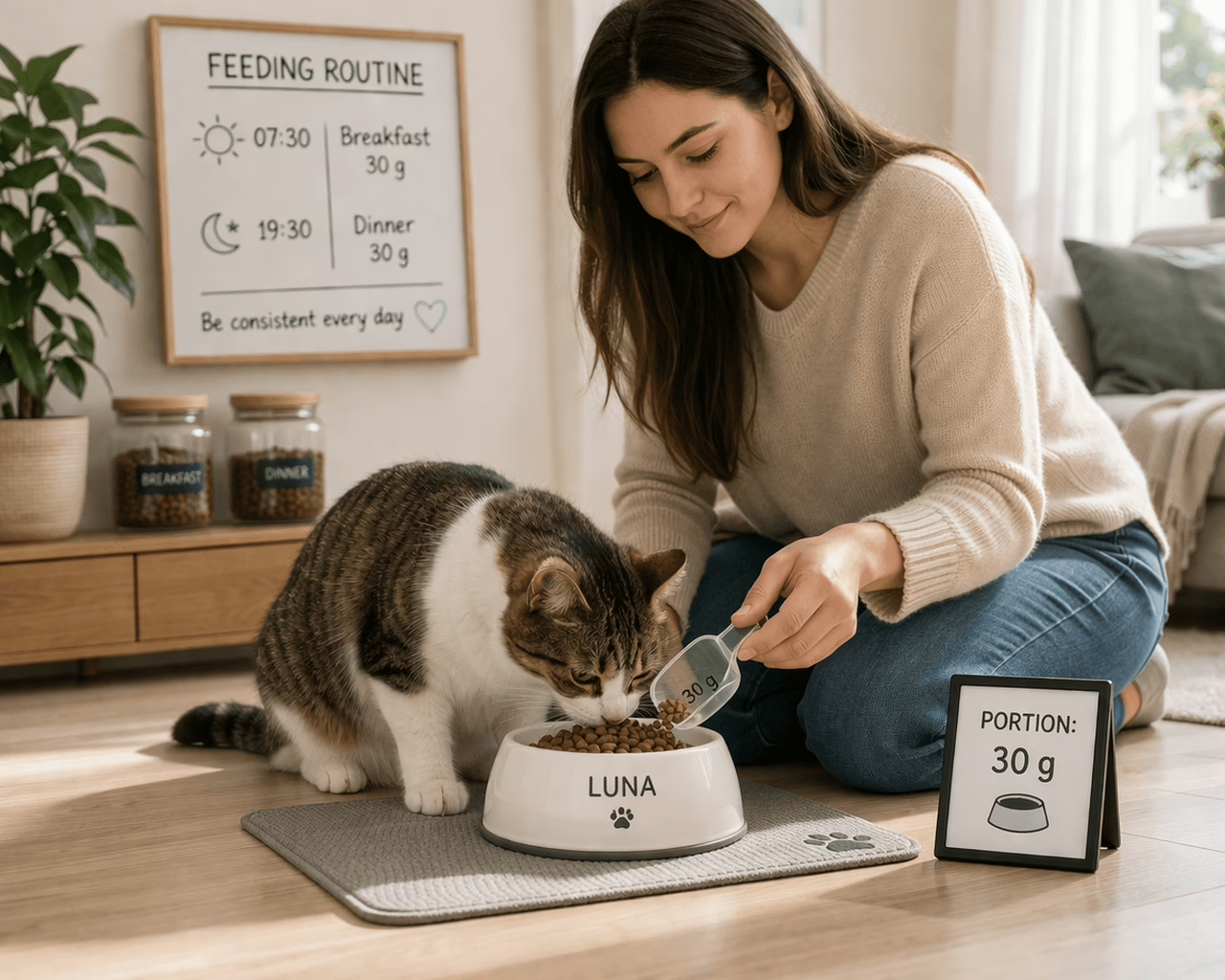
Once you’ve achieved symptom control, maintaining it requires vigilance. Gradual food transitions minimize digestive upset when changing foods, but for allergic cats, transitions should only occur when necessary—not routinely.
Reading labels becomes essential. Ingredient lists can be misleading. A food labeled “salmon” might contain multiple protein sources. Look for specific ingredient names rather than generic terms like “poultry” or “fish.” The first ingredient should be the named protein source.
Manufacturing cross-contamination affects highly sensitive cats. Facilities producing multiple formulas may have trace amounts of allergens in equipment. Some manufacturers produce hypoallergenic foods in dedicated facilities to prevent this issue.
In multi-cat homes, preventing the allergic cat from accessing other cats’ food requires creativity. Feed cats in separate rooms with closed doors. Use microchip-activated feeders that open only for designated cats. Remove uneaten food promptly rather than free-feeding.
Medication flavoring poses hidden risks. Many veterinary medications contain beef, chicken, or fish flavoring. Request unflavored versions or compounded medications in hypoallergenic bases when possible.
Treat options for allergic cats seem limited but exist. Freeze-dried novel protein treats, certain vegetables (small amounts only—cats are obligate carnivores), or prescription hypoallergenic treats provide safe options. Always verify ingredients match your cat’s diet.
Communicate your cat’s allergies to everyone interacting with your pet: family members, pet sitters, veterinary staff. A well-meaning person offering a “harmless” treat can trigger weeks of symptoms.
Long-term prognosis for food-allergic cats is generally excellent with proper management. Most cats live comfortably once trigger foods are identified and avoided. Unlike environmental allergies, which may worsen over time, food allergies remain stable if dietary compliance continues.
Cat Food Allergy Symptoms vs. Food Intolerance Symptoms
| Symptom Type | Food Allergy | Food Intolerance | Onset Time |
|---|---|---|---|
| Skin itching/inflammation | Common (primary symptom) | Rare | Hours to 2 days |
| Vomiting | Occasional | Common | 2-12 hours |
| Diarrhea | Occasional | Very common | 2-12 hours |
| Ear infections | Common (secondary) | Rare | Days to weeks |
| Facial swelling | Rare but possible | Does not occur | Minutes to hours |
| Immune system involvement | Yes (IgE antibodies) | No | N/A |
| Can develop over time | Yes (requires sensitization) | No (present from first exposure) | Months to years |
Dr. Rebecca Martinez, DVM, DACVD, board-certified veterinary dermatologist at the Colorado Veterinary Specialists, emphasizes the importance of proper diagnosis:
Food allergies account for approximately 10-15% of all feline allergic skin disease cases we see. The challenge is that symptoms are virtually identical to environmental allergies or flea allergy dermatitis. Many cats are misdiagnosed and treated symptomatically for years before anyone pursues a proper elimination diet trial. The good news is that once correctly identified, food allergies are completely manageable through diet alone—no lifelong medications required.
Dr. Rebecca Martinez
FAQs
Yes, cats can develop food allergies to proteins they’ve eaten without problems for years. The immune system requires repeated exposure to become sensitized, which is why allergies often appear suddenly after months or years of eating the same diet. A cat eating chicken-based food for three years might develop a chicken allergy seemingly overnight, though the sensitization process was gradual.
A proper elimination diet trial requires 8-12 weeks of strict adherence. Some cats show improvement within 4-6 weeks, but complete resolution of skin inflammation can take the full 12 weeks. Cutting the trial short or allowing any dietary transgressions can produce false results, wasting your effort and prolonging your cat’s discomfort.
Not necessarily. While cats can develop grain allergies, protein sources like beef, dairy, and fish cause allergic reactions far more frequently than grains. Unless your cat has been specifically diagnosed with a grain allergy through elimination diet trials, grain-free foods offer no advantage. The protein source matters more than grain presence for most food-allergic cats.
Food allergies involve the immune system mounting an inflammatory response against a protein, typically causing skin symptoms like itching and inflammation. Food intolerance is a digestive issue where the cat lacks enzymes to properly process an ingredient, causing primarily gastrointestinal symptoms like vomiting or diarrhea without immune involvement. Allergies require immune sensitization over time, while intolerances occur from first exposure.
Yes, though it’s less common than in adult cats. Kittens can develop food allergies, particularly if they have genetic predisposition or are exposed to limited protein variety early in life. However, most food allergies develop after prolonged exposure, so adult and senior cats more commonly show symptoms. Kittens with persistent skin or digestive issues should be evaluated for other conditions first, as parasites and infections are more likely culprits.
Managing cat food allergies transforms from overwhelming to routine once you understand the process. The elimination diet trial demands patience and precision, but it provides definitive answers that blood tests cannot. Identifying your cat’s specific triggers empowers you to make informed decisions about their nutrition for life.
Remember that improvement takes time. Skin inflammation doesn’t vanish overnight—expect gradual reduction in scratching, hair regrowth over weeks, and complete healing within months. Digestive symptoms typically resolve faster than skin issues.
Your commitment to strict dietary management directly determines your cat’s comfort and health. Every unauthorized treat or food transgression potentially triggers symptom relapse, undoing weeks of progress. Educate household members, communicate with pet care providers, and remain vigilant about ingredient labels.
Food allergies, while frustrating to diagnose, offer a significant advantage over environmental allergies: complete symptom control through diet alone, without lifelong medications. Your cat can live comfortably, itch-free, and healthy simply by avoiding identified triggers. That’s a worthwhile outcome for the effort invested in proper diagnosis and management.