
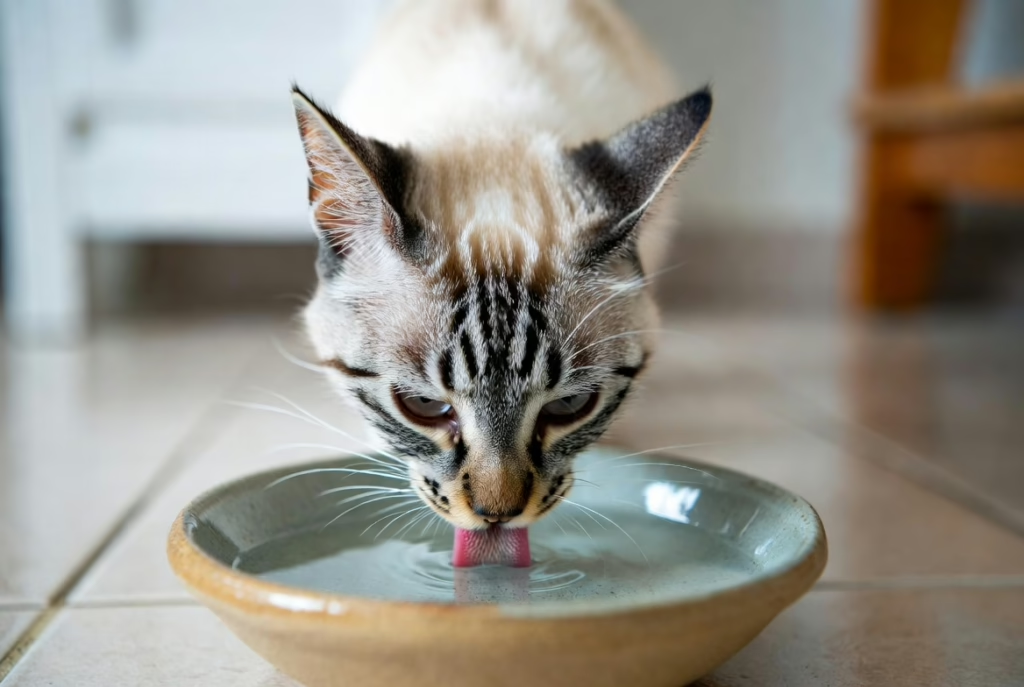
Water is the foundation of feline health, yet many cat owners struggle to gauge whether their pets drink enough. Unlike dogs, cats evolved from desert-dwelling ancestors and developed a low thirst drive, making them prone to chronic mild dehydration. Understanding your cat’s specific water requirements and recognizing early warning signs can prevent serious health complications down the road.
How Much Water Should a Cat Drink Daily
The general rule for cat water intake is straightforward: cats need approximately 3.5 to 4.5 ounces of water per five pounds of body weight daily. A ten-pound cat should consume roughly 7-9 ounces of water each day from all sources combined—drinking, food moisture, and metabolic water production.
However, this baseline shifts dramatically based on diet composition. Cats eating exclusively dry kibble must drink significantly more water than those on wet food diets. Dry food contains only 6-10% moisture, while canned food typically provides 75-80% water content. A cat on an all-dry-food diet might need to drink the full 7-9 ounces from a bowl, whereas a cat eating only wet food may drink just 1-2 ounces independently because most hydration comes from meals.
Activity level also influences how much water cats need. Indoor cats with sedentary lifestyles require less than outdoor cats who patrol territories, climb, and engage in more physical exertion. Nursing mothers, highly active young cats, and those living in warm climates need increased water intake to compensate for fluid loss.
To calculate your cat’s specific needs, weigh your pet accurately, consider their diet type, and monitor their drinking patterns over several days. Keep in mind that individual variation exists—some cats naturally drink more than others without any health concerns.
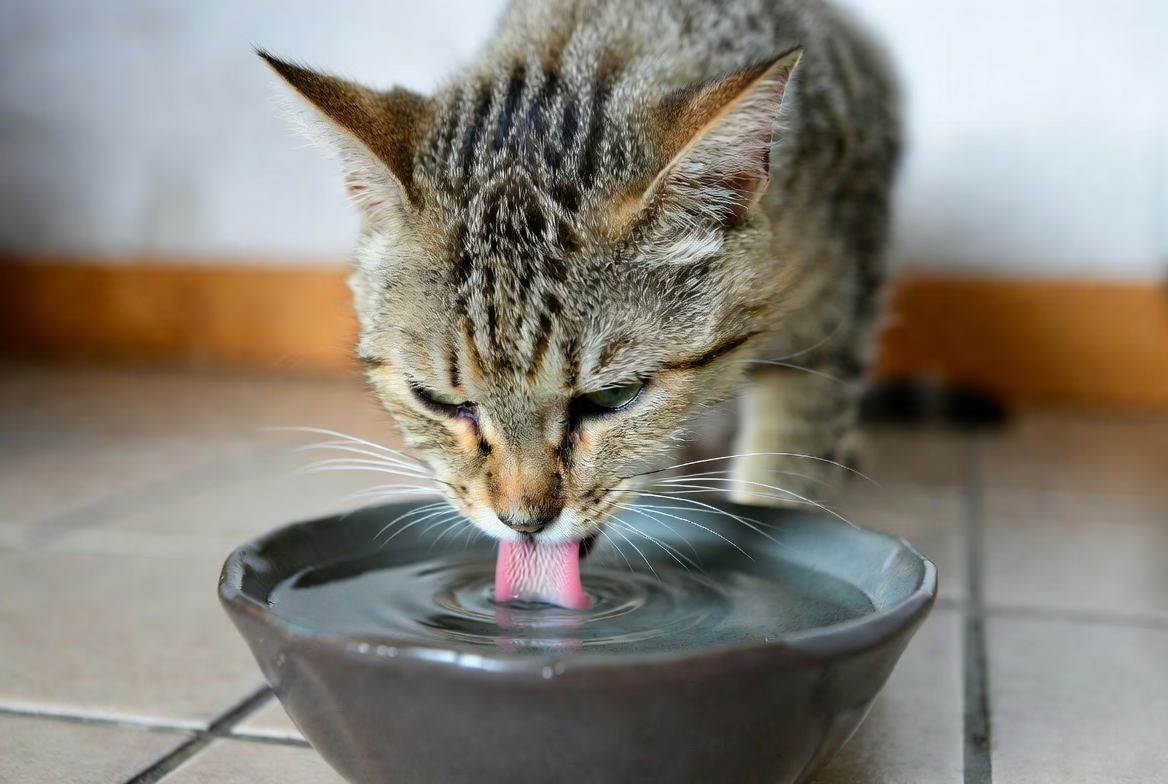
Why Proper Hydration Matters for Cats
Adequate water consumption directly impacts multiple organ systems. The kidneys, which filter waste products from blood, depend on sufficient fluid volume to function efficiently. Chronic dehydration forces kidneys to work harder with less fluid, accelerating wear on these vital organs and increasing the risk of chronic kidney disease—one of the leading causes of death in older cats.
The urinary tract benefits enormously from proper hydration. Concentrated urine creates an environment where crystals and stones form more easily. Dilute urine from adequate water intake helps flush the bladder regularly, reducing bacterial growth and mineral accumulation. Male cats face particular risk since their narrow urethras can become blocked by crystals, creating a life-threatening emergency.
Digestion relies on water to move food through the intestinal tract and absorb nutrients effectively. Dehydrated cats often develop constipation, which can progress to severe impaction requiring veterinary intervention. The cat water importance extends to temperature regulation as well—cats dissipate heat through panting and limited sweating through paw pads, both processes requiring adequate hydration for cats to work properly.
Blood volume and circulation depend on sufficient fluid levels. Dehydration thickens blood, making the heart work harder to pump it through vessels. This added strain affects energy levels, organ perfusion, and overall vitality.
Signs Your Cat Is Dehydrated
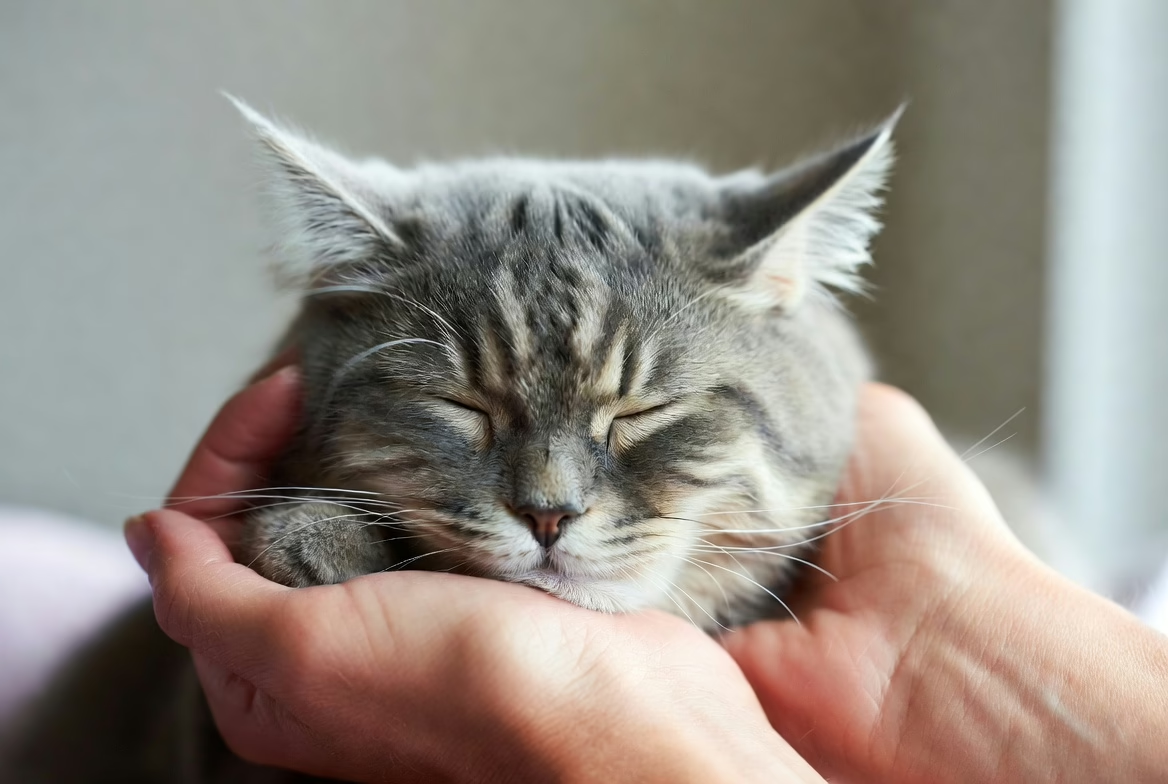
Recognizing dehydration early allows for prompt intervention before serious complications develop. The skin tent test provides a quick assessment: gently pinch the skin between your cat’s shoulder blades and release. Well-hydrated skin snaps back immediately. If the skin returns slowly or holds a tent shape for more than two seconds, dehydration is likely present.
Gum moisture offers another indicator. Healthy cat gums feel slick and wet. Press a finger against the gums—they should return to pink color within one to two seconds. Sticky, dry gums or prolonged capillary refill time suggest inadequate fluid levels.
Behavioral changes often accompany dehydration. Lethargy, reduced grooming, and decreased appetite frequently appear before physical signs become obvious. Some cats seek out unusual water sources—dripping faucets, toilet bowls, or houseplant saucers—when their regular water supply seems inadequate or unappealing.
Sunken eyes, though harder to detect in cats than other species, indicate moderate to severe dehydration. The eyes may appear dull or recessed into the skull. Concentrated urine produces a stronger ammonia smell and appears darker yellow or amber rather than pale straw color.
Severe dehydration constitutes a medical emergency requiring immediate veterinary care. Symptoms include panting, rapid heart rate, weakness, collapse, and unresponsiveness.
Factors That Affect Cat Water Intake
Diet Type and Moisture Content
The moisture content in your cat’s food dramatically alters their drinking requirements. Cats consuming exclusively wet food receive 3-4 ounces of water per 5.5-ounce can. A cat eating two cans daily already obtains 6-8 ounces of water before taking a single sip from their bowl.
Conversely, dry food eaters must compensate entirely through drinking. A cat consuming one cup of dry kibble gets less than half an ounce of moisture from food, requiring them to drink 7-9 ounces independently—a significant behavioral demand for an animal with naturally low thirst drive.
Mixed feeders fall somewhere between these extremes. If your cat eats one can of wet food and a quarter cup of dry kibble, they receive roughly 3-4 ounces from food and need to drink an additional 3-5 ounces.
Age and Health Conditions
Kittens have higher metabolic rates and smaller body reserves, making them more vulnerable to dehydration. They need proportionally more water per pound than adult cats but also nurse or eat wet kitten food frequently, which provides substantial moisture.
Senior cats face increased risk from declining kidney function and reduced thirst sensation. Many older cats develop chronic kidney disease, diabetes, or hyperthyroidism—conditions that increase water loss through urination. These cats require careful monitoring to ensure adequate cat water intake despite age-related changes.
Cats with kidney disease, diabetes, or hyperthyroidism often drink excessively (polydipsia) and urinate frequently (polyuria). While this seems like adequate hydration, these cats actually lose more fluid than they replace and need unlimited water access plus veterinary management.
Activity Level and Environment
Indoor cats in climate-controlled homes maintain relatively stable hydration needs year-round. Outdoor cats or those with access to enclosed patios (catios) experience seasonal variation. Summer heat increases water loss through panting and evaporation, while winter cold can reduce drinking if water sources freeze.
Highly active cats—especially young adults engaging in frequent play—burn more calories and lose more water through respiration and minor perspiration. Multi-cat households sometimes create competition for resources, causing subordinate cats to drink less if dominant cats guard water bowls.
Stress affects drinking behavior. Cats experiencing household changes, new pets, or environmental disruptions may reduce water intake temporarily. Providing multiple water stations in quiet locations helps anxious cats maintain proper hydration.
Common Cat Drinking Habits and Behaviors
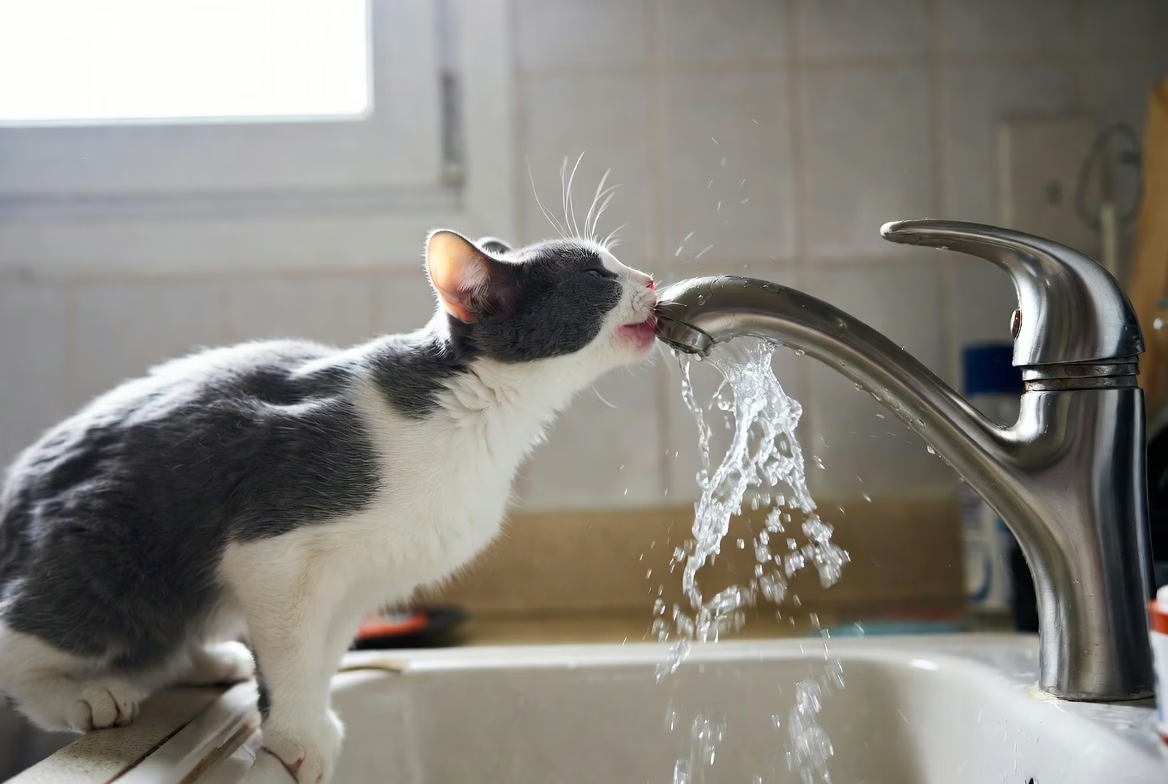
Cats exhibit peculiar cat drinking habits that often puzzle their owners. Many cats strongly prefer moving water over still water—a preference rooted in evolutionary history. In nature, flowing water from streams tends to be fresher and safer than stagnant pools, which harbor bacteria and parasites.
This instinct explains why cats paw at water bowls, creating ripples, or drink enthusiastically from dripping faucets while ignoring full bowls nearby. The sound and movement of running water triggers their interest and encourages drinking.
Water freshness matters intensely to cats. Their sensitive noses detect chemical changes and bacterial growth that humans miss. Water sitting in a bowl for 12-24 hours develops a stale taste and odor that many cats find unpalatable. Some cats refuse to drink water near their food bowls, possibly because wild cats instinctively avoid water sources near kill sites where decomposition could contaminate water.
Location preferences vary by individual. Some cats drink only in quiet, low-traffic areas where they feel secure. Others prefer elevated positions offering a view of their surroundings. Certain cats drink exclusively from wide, shallow containers that don’t touch their whiskers—a sensitivity issue called whisker fatigue.
Timing patterns differ too. Many cats drink most actively at dawn and dusk, aligning with their crepuscular hunting instincts. Don’t worry if you rarely observe your cat drinking; many cats hydrate when owners aren’t watching, particularly during nighttime hours.
How to Encourage Your Cat to Drink More Water
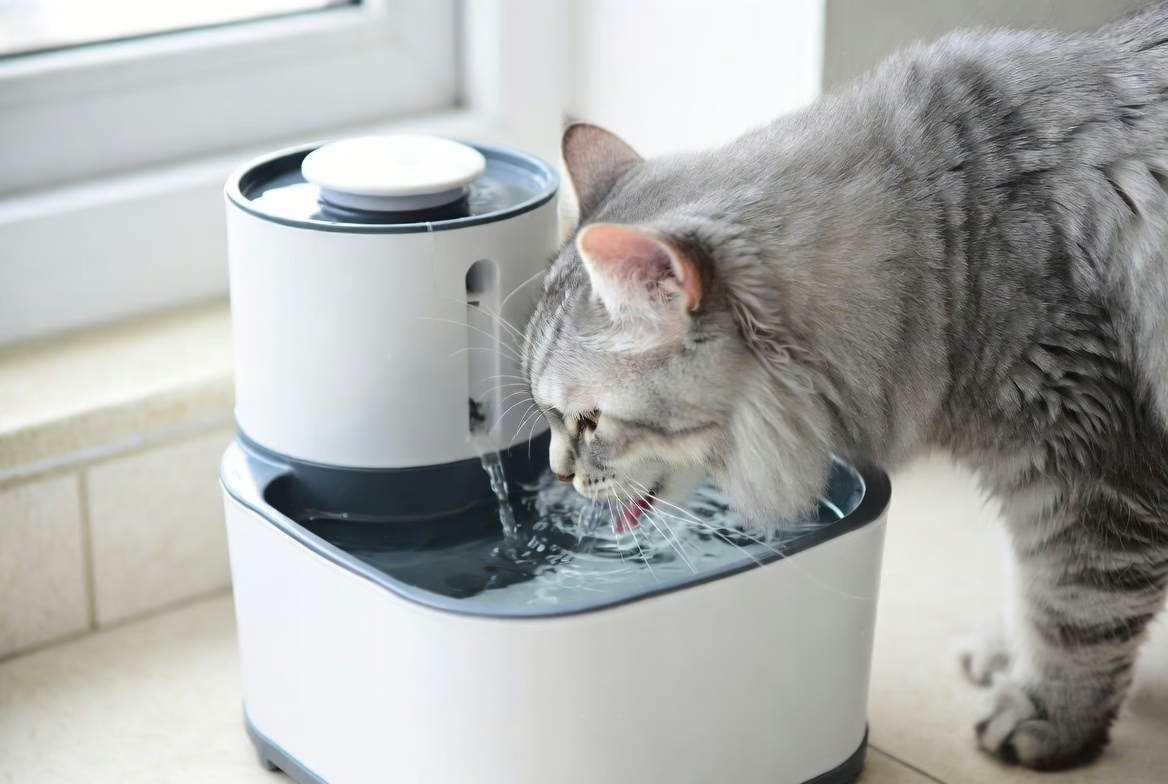
Implementing feline hydration tips requires understanding your individual cat’s preferences through trial and observation. Water fountains address the moving-water preference effectively. Models with adjustable flow rates, quiet pumps, and large reservoirs (70+ ounces) reduce maintenance while providing constant fresh, filtered water. Ceramic and stainless steel fountains prove easier to clean and more durable than plastic versions, which can harbor bacteria in scratches.
Bowl selection matters more than many owners realize. Wide, shallow ceramic or glass bowls prevent whisker contact and don’t retain odors like plastic. Place bowls in multiple locations—at least one per cat plus one extra in multi-cat homes. Strategic placement away from litter boxes and food bowls respects cats’ natural preferences.
Water quality influences acceptance. If your tap water has strong chlorine odor or mineral taste, your cat may reject it. Filtered water or allowing tap water to sit uncovered for several hours (letting chlorine evaporate) often improves palatability. Some cats prefer room-temperature water over cold water straight from the tap.
Flavor additions work for some cats but not others. A teaspoon of low-sodium chicken broth or tuna water per cup of water creates appealing flavor without significant calories. Test your cat’s response before committing to this approach—some cats ignore flavored water entirely.
Ice cubes intrigue many cats. Dropping one or two cubes into a bowl creates movement and changes temperature, sparking interest. Cats may bat the cubes around, then drink the cold water—turning hydration into enrichment.
Wet food supplementation provides the most reliable method to increase total water intake. Even adding one small can of wet food daily to a dry-food diet substantially boosts moisture consumption. You can also add warm water to wet food, creating a gravy consistency that many cats find irresistible.
For stubborn drinkers, try unconventional vessels. Some cats prefer drinking from wide containers like baking dishes, while others favor tall glasses or mugs. One client discovered her cat only drank from a specific blue ceramic bowl—no other color or material worked. Accommodate these quirks when possible.
Daily Water Intake by Cat Weight and Diet Type
| Cat Weight | Dry Food Only | Wet Food Only | Mixed Diet (50/50) |
|---|---|---|---|
| 5 lbs | 3.5-4.5 oz | 0.5-1.5 oz | 2-3 oz |
| 10 lbs | 7-9 oz | 1-2 oz | 4-5 oz |
| 15 lbs | 10.5-13.5 oz | 1.5-3 oz | 6-8 oz |
Note: These are approximate ranges. Individual cats may vary based on activity level, health status, and environmental conditions. Total daily water intake includes both drinking water and moisture from food.
Adequate hydration stands as one of the most important preventive measures cat owners can take. We see dramatically lower rates of chronic kidney disease and urinary blockages in cats whose owners prioritize water intake through wet food diets and environmental enrichment. The investment in proper hydration pays dividends throughout a cat’s lifespan.
Dr. Jennifer Martinez
FAQs
No, milk should never replace water for cats. Despite popular depictions, most adult cats are lactose intolerant and lack sufficient lactase enzyme to digest milk properly. Drinking milk causes digestive upset, diarrhea, and stomach discomfort. While kittens produce lactase to digest mother’s milk, this enzyme production decreases after weaning. Water remains the only appropriate primary beverage for cats of all ages.
Yes, cats eating wet food obtain 70-80% of their hydration needs directly from their food. A cat consuming two 5.5-ounce cans of wet food daily receives approximately 7-8 ounces of water from meals alone. These cats may drink only 1-2 ounces from bowls, which is completely normal. However, they still need constant access to fresh water since individual needs vary and some wet-food-fed cats still drink substantial amounts.
Monitor several indicators: check litter box output (healthy cats urinate 2-4 times daily), perform the skin tent test regularly, observe energy levels and grooming habits, and note urine color (pale yellow indicates good hydration). You can also measure water bowl levels daily—mark the water line each morning and check consumption after 24 hours. For a 10-pound cat on dry food, you should see 7-9 ounces disappear daily, accounting for evaporation (roughly 0.5 ounces).
Generally yes, if the tap water is safe for human consumption, it’s safe for cats. However, some municipal water contains high chlorine levels or minerals that affect taste, making cats reluctant to drink. Well water should be tested annually for contaminants. If your area has water quality concerns or your cat refuses tap water, filtered water or bottled water provides alternatives. Avoid distilled water long-term, as it lacks beneficial minerals.
Seek veterinary care immediately if your cat shows signs of dehydration (skin tenting lasting more than two seconds, dry gums, sunken eyes, lethargy), hasn’t urinated in 24 hours, or suddenly increases water consumption dramatically. Polydipsia (excessive drinking) often signals diabetes, kidney disease, or hyperthyroidism. Also consult your vet if your cat completely stops drinking for more than 12 hours or shows any combination of decreased appetite, vomiting, and reduced water intake.
Understanding cat hydration needs transforms from abstract concern to practical daily care when you recognize your cat’s individual patterns and preferences. The combination of appropriate diet moisture, accessible fresh water, and environmental enrichment creates the foundation for lifelong kidney and urinary tract health.
Start by calculating your cat’s baseline water requirements based on weight and diet type, then observe their actual consumption patterns over several days. Implement changes gradually—introduce a water fountain, relocate bowls to quieter spots, or add a small amount of wet food to their routine. Small adjustments often yield significant improvements in total water intake.
Remember that prevention costs far less than treatment. The investment in quality water fountains, premium wet food, or multiple water stations pales in comparison to managing chronic kidney disease or urinary blockages. Your cat’s hydration status today directly influences their health trajectory for years to come.
Pay attention to subtle changes in drinking behavior, litter box output, and energy levels. These early indicators allow intervention before dehydration or underlying disease progresses. When in doubt, consult your veterinarian—hydration concerns sometimes reveal serious health conditions requiring professional diagnosis and treatment.