

When you bring a cat into your home, one of the first questions that crosses your mind is: how many years will we share together? The typical domestic cat lives anywhere from 12 to 18 years, though watching your feline companion blow out 20 candles has become increasingly normal. These variations stem from inherited traits, living conditions, medical attention, and hundreds of small decisions you make throughout their life.
The length of your cat’s life isn’t written in stone. Yes, certain elements lie beyond your influence—inherited kidney problems or heart conditions, for instance—but most factors determining whether your cat reaches age 8 or 18 sit squarely under your control. The environment you create, the nutrition you provide, and the consistency of their medical care accumulate over time into wildly different life spans.
This guide explores what actually shapes how long cats live and which actions you can take to maximize those years.
The Typical Lifespan of Domestic Cats
Most household cats reach somewhere between 12 and 18 years of age. That’s your baseline expectation, though plenty of felines push well past it—hitting 20, 22, or occasionally 25 years isn’t considered remarkable anymore. Wind the clock back just thirty years, and a 12-year-old cat was considered genuinely elderly. Improved nutrition, consistent veterinary attention, and the shift toward indoor living have steadily pushed survival rates higher.
Standard mixed-breed cats—the domestic shorthairs and longhairs you find at shelters—generally fall within that 12-18 year window. Purebred varieties show more dramatic swings. Siamese cats commonly see their late teens or early twenties. Burmese cats often celebrate 18 or 19 birthdays. Persians, however, tend toward 12-15 years, partly due to polycystic kidney disease running through their gene pool. Maine Coons, despite their imposing presence, usually reach 12-15 years.
The all-time champion? Creme Puff, who lived in Austin, Texas, and survived to 38 years and three days. Her owner somehow also raised another cat that reached 34. These examples sit at the extreme edge of possibility, but they prove that exceptional genetics meeting exceptional care can yield incredible results.
Switch your attention to feral populations and the numbers crash. Cats living entirely outdoors without human intervention average a mere 2-5 years. Disease, traffic, predators, and harsh weather claim most of them young. That enormous gap between 2 years and 18 years should illuminate what actually determines feline survival.

Comparing Indoor and Outdoor Cat Life Expectancy
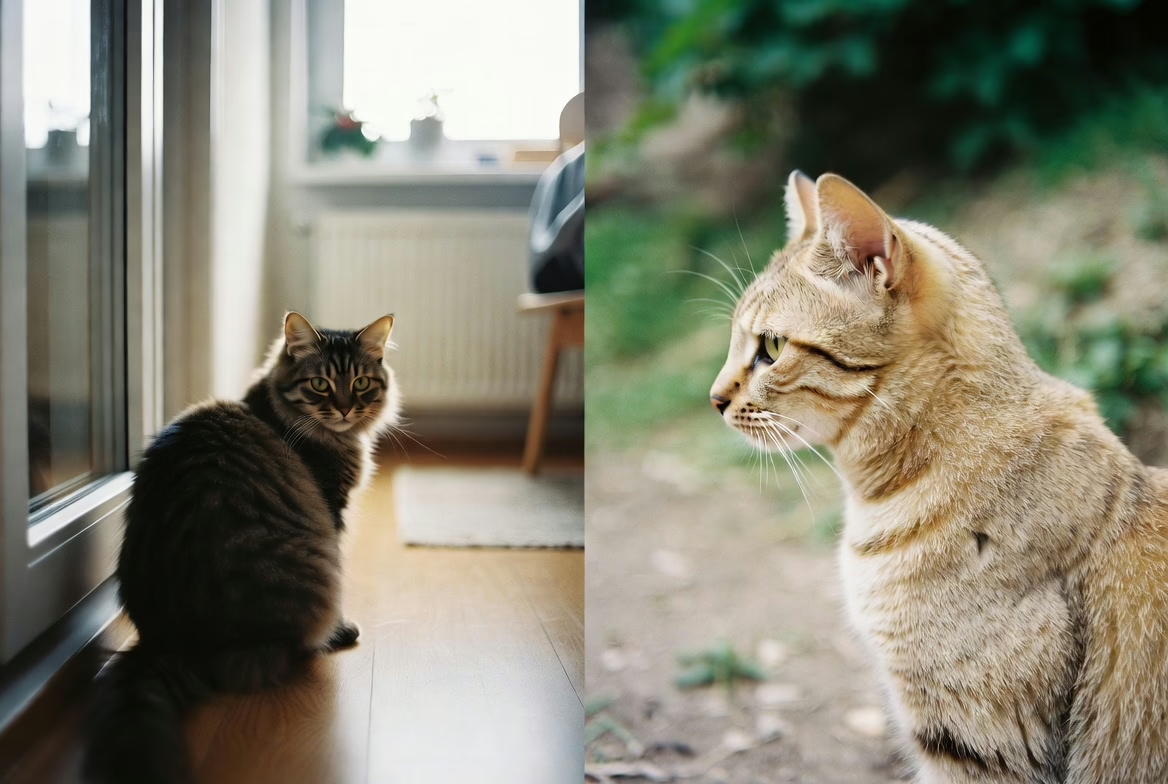
The single most influential factor in your cat’s longevity is straightforward: whether they spend time outside unsupervised. Cats living exclusively indoors typically reach 15-20 years. Cats with outdoor access average just 2-5 years. This isn’t hyperbole or exaggeration—the mortality difference really is this severe.
Cats who venture outside occasionally but primarily live indoors land somewhere between these extremes, usually 7-10 years depending on their outdoor exposure. Owners who build “catios”—enclosed outdoor spaces—see their pets achieve lifespans nearly identical to fully indoor cats.
Why Indoor Cats Live Longer
Indoor cats avoid virtually every major killer of outdoor felines. Automobiles claim more outdoor cat lives than any other single threat. Even in quiet suburban streets, cats instinctively freeze when frightened—exactly the wrong reaction to approaching vehicles.
They dodge diseases that plague outdoor populations. FeLV and FIV transmit through bite wounds and breeding. These viruses can’t reach a cat watching birds through window glass. Respiratory infections spreading through close contact between strays never penetrate your home’s walls.
Predators can’t reach indoor cats. Your location determines whether that means coyotes, foxes, hawks, owls, raccoons, or loose dogs. Any of these animals will kill a cat when opportunity strikes.
Poisoning becomes virtually impossible. Antifreeze has a sweet taste that attracts cats but causes rapid kidney failure. Rodenticides trigger slow internal hemorrhaging. Lawn chemicals, insecticides, and toxic ornamental plants all vanish as threats when cats remain inside.
Temperature extremes pose no danger. Heat stroke kills cats trapped in crawl spaces during summer afternoons. Frostbite claims ear tips and paw pads during winter cold snaps. Your climate-controlled home eliminates both risks entirely.
Risks That Shorten Outdoor Cat Lifespans
Vehicle collisions dominate the threat landscape. Even street-smart outdoor cats occasionally misjudge a car’s speed or panic at the critical moment. Survivors often face devastating injuries requiring emergency surgery—if they make it to the veterinarian at all.
Physical confrontations leave lasting damage beyond visible scratches. Puncture wounds from teeth frequently abscess, sometimes necessitating surgical intervention. More critically, these encounters spread FeLV and FIV—both incurable viruses that ultimately prove fatal. Each year spent outdoors increases the statistical probability of contracting one.
Parasitic infestations become ongoing battles. Fleas host tapeworm larvae. Ticks transmit multiple diseases. Outdoor cats constantly battle intestinal worm colonies. While veterinary medicine can address all these problems, the continuous parasite burden gradually weakens immune system function.
Human interference causes deaths both deliberate and accidental. Some people actively despise cats and will trap, relocate, or poison them. Others distribute rodent poison without considering that dying mice become easy prey for hunting cats. Property owners occasionally shoot cats destroying their gardens or bird populations.
Key Factors Influencing How Long Cats Live
Beyond the indoor-outdoor divide, several additional elements shape your cat’s eventual age at death.
Nutrition quality creates enormous differences. Cats evolved as obligate carnivores—they require animal protein to survive properly. Foods loaded with corn, wheat, or soy fillers might sustain life, but they won’t support optimal health. Low-grade protein sources combined with excessive carbohydrates pave a direct path to obesity, diabetes, and premature death. Select foods listing identifiable meats (chicken, turkey, salmon) as the primary ingredient. Respect life stage formulas—growing kittens require different nutrients than aging seniors.
Regular veterinary checkups identify problems early. Cats under seven need annual examinations; those older benefit from twice-yearly visits. This schedule allows veterinarians to detect kidney disease, hyperthyroidism, dental decay, and diabetes before symptoms become obvious. Blood panels reveal abnormalities months or years ahead of visible signs. Medical interventions succeed far more often when conditions are caught early.
Inherited traits establish certain limits. Some cats receive remarkably sturdy genetic constitutions. Others inherit predispositions toward hypertrophic cardiomyopathy (prevalent in Maine Coons and Ragdolls) or the polycystic kidney disease afflicting Persians. Ethical breeders test for known conditions, though you cannot screen for every possibility. Mixed-breed cats typically sidestep breed-specific problems through genetic diversity—hybrid vigor genuinely works.
Spaying and neutering extend lifespans. Fixed cats outlive intact ones by approximately 2-3 years overall. Spaying eliminates pyometra (a life-threatening uterine infection) and slashes mammary cancer risk by over 90%. Neutering prevents testicular cancer and dramatically reduces the roaming and fighting behaviors that kill male cats. Both surgeries also diminish hormone-driven stress and territorial aggression.
Body weight impacts every organ system. Approximately 60% of American pet cats carry excess weight. Just two extra pounds on a standard 10-pound cat proportionally equals a 150-pound human carrying an additional 30 pounds. That surplus weight triggers diabetes, joint problems, liver disease, and subtracts years from life expectancy.
Dental health affects total body wellness. Periodontal disease doesn’t confine itself to the mouth. Oral bacteria enter circulation through infected gums and cause damage to cardiac tissue, kidneys, and liver. Cats suffering chronic dental infections die younger from organ deterioration that originated with neglected teeth.

Cat Aging Stages and What to Expect
Veterinary medicine divides feline lives into six distinct phases. Recognizing these stages helps you deliver age-appropriate care and identify problems specific to each period.
Kitten (0-6 months): These miniature troublemakers grow with shocking speed. They require energy-dense kitten formulas to power that rapid development. Weeks 2-7 create a critical socialization window—experiences during this brief span shape adult temperament permanently. Vaccination sequences typically begin around 6-8 weeks. Most veterinarians recommend spay/neuter surgery around 4-6 months, before females experience their first heat cycle.
Junior (7 months-2 years): Your cat achieves physical and reproductive maturity during this phase. They’ve reached full adult size while retaining kitten-level energy. This period establishes behavioral patterns and daily rhythms. Multi-cat households see social hierarchies solidify during these months. Any cat still intact should be fixed immediately—unaltered animals exhibit more territorial behavior, increased aggression, and chronic spraying.
Prime (3-6 years): Your cat has reached peak physical fitness. They’ve transitioned from junior cat wildness but still actively engage during play. This stage produces fewer medical problems than any other, tempting owners to skip appointments—resist this urge. Building preventive care patterns now delivers benefits later. Monitor their weight vigilantly, as these years often see gradual accumulation of extra pounds.
Mature (7-10 years): Subtle aging indicators begin emerging. Your cat sleeps longer, plays less vigorously, and might display early joint stiffness. Dental disease frequently surfaces now without prior intervention. Metabolic rate decreases, making weight management more challenging. This is when biannual veterinary visits become critical—blood tests can identify kidney problems, thyroid issues, and diabetes during early, treatable phases.
Senior (11-14 years): Age-related conditions become commonplace. Kidney disease strikes numerous senior cats. Thyroid disorders appear regularly. Joint inflammation restricts jumping capability. You may need to install ramps to favorite perches or provide lower-entry litter boxes. Dietary modifications help manage developing health concerns. Pain medication can dramatically restore quality of life to arthritic cats.
Geriatric (15+ years): Cats reaching this age demand attentive monitoring. Multiple daily medications often become standard. Cognitive dysfunction syndrome—essentially feline dementia—may develop, producing confusion, disrupted sleep cycles, or elimination outside the litter box. Comfort becomes your primary objective. Supply soft, heated bedding. Ensure food, water, and litter boxes sit within easy reach. Practice patience regarding accidents and disorientation.
| Life Stage | Age Range | Human Age Equivalent | Observable Characteristics | Medical Care Focus |
|---|---|---|---|---|
| Kitten | 0-6 months | 0-10 years | Endless energy, boundary testing, rapid size increases | Core vaccinations, sterilization surgery, parasite prevention |
| Junior | 7 months-2 years | 12-24 years | Full size achieved, high energy output, territorial establishment | Completing vaccine series, beginning dental hygiene |
| Prime | 3-6 years | 28-40 years | Optimal fitness, established patterns, stable temperament | Weight maintenance, annual health screenings |
| Mature | 7-10 years | 44-56 years | Moderate slowing, initial age markers | Biannual examinations, dental prophylaxis, disease screening panels |
| Senior | 11-14 years | 60-72 years | Obvious aging, frequent chronic conditions | Disease management, dietary adjustments, pain control |
| Geriatric | 15+ years | 76-100+ years | Advanced aging, potential cognitive decline | Comfort prioritization, close observation, quality of life assessments |
The Real Math Behind Cat Years to Human Years
That popular “multiply by seven” formula? Completely inaccurate. Cats mature explosively at first, then age more gradually over time.
A one-year-old cat has achieved approximately the same development as a 15-year-old human—sexually mature yet not fully grown. By their second birthday, your cat matches a 24-year-old person. Beyond that point, the ratio shifts to roughly four human years for each additional cat year.
A 10-year-old cat therefore translates to approximately 56 in human equivalent terms. A 15-year-old cat? Around 76. That increasingly common 20-year-old cat has effectively reached 96 in human years.
This progression clarifies numerous behavioral patterns. Your two-year-old cat isn’t an adolescent—they’re a young adult. This explains why they’ve (hopefully) outgrown destructive kitten behaviors. Your 15-year-old cat isn’t merely “getting old”—they’re genuinely elderly, which explains their inability to leap five feet vertically and their tendency to sleep 20 hours daily.
Larger breeds age somewhat faster than compact ones, mirroring how Great Danes live shorter lives than Chihuahuas. A massive Maine Coon might be physiologically “older” at 10 years than a delicate Siamese of identical age. Individual health status, genetic background, and lifestyle choices all modify the rate at which your specific cat ages.
Proven Strategies to Extend Your Cat’s Life
Want to maximize your years together? These approaches deliver measurable results.
Provide appropriate nutrition consistently. Select products listing specific animal proteins (chicken, turkey, salmon) as primary ingredients, not “meat by-products” or grain fillers. Wet food assists with hydration, protecting kidney function over time. Measure portions instead of free-feeding—most cats will overconsume when given unlimited access. Senior formulas support kidney function and joint health in aging animals.
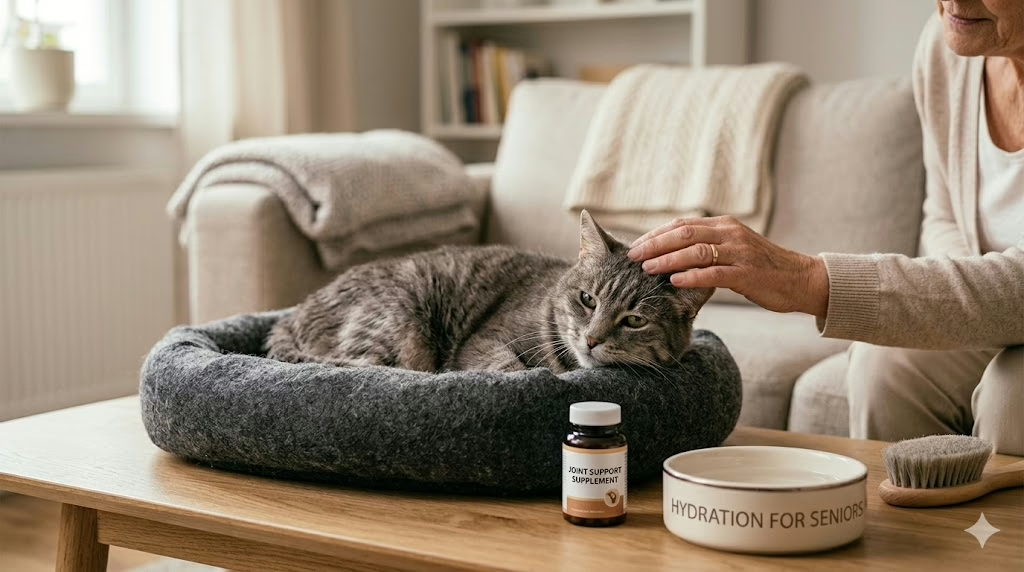
Maintain veterinary appointment schedules. Young, healthy cats require annual examinations. Cats beyond seven years benefit from checkups twice yearly. These appointments aren’t suggestions or optional extras. Standard blood panels detect thyroid disorders, kidney deterioration, and diabetes before symptoms emerge, when interventions succeed most reliably. Maintain current vaccinations appropriate to your cat’s risk factors. Follow through on dental cleaning recommendations, typically every 1-3 years.
Stimulate their cognitive function. Rotate toy selection every few weeks to sustain engagement. Employ puzzle feeders requiring cats to work for meals—this activates their predatory instincts. Create vertical territory using cat trees and wall-mounted platforms. Even elderly cats benefit from gentle play adapted to their capabilities. Mental engagement helps prevent cognitive deterioration in aging brains.
Track their weight obsessively. Weigh your cat monthly at home or during clinic visits. You should readily feel their ribs without prominent visibility. An abdominal tuck should be apparent from the side when standing. Overweight? Collaborate with your veterinarian on gradual reduction—rapid weight loss triggers hepatic lipidosis, a potentially fatal liver disorder.
Prioritize dental hygiene seriously. Brush your cat’s teeth multiple times weekly using feline-specific toothpaste (human formulations are toxic to cats). Introduce this practice during kittenhood to build acceptance. Offer dental treats and toys engineered to scrape plaque. Actually implement professional cleaning recommendations—this isn’t optional if you want your cat reaching their twenties.
Maintain indoor living. This single decision could add 10-15 years to your cat’s lifespan. If they crave outdoor stimulation, consider leash training, constructing an enclosed catio, or supervising them in fenced yards. The enrichment advantages of outdoor access cannot justify the mortality hazards.
Minimize household stress. Cats struggle with change. Preserve consistent routines. Supply hiding spots and elevated perches where they feel secure. In homes with multiple cats, ensure adequate resources—one litter box per cat plus one additional, multiple feeding stations, several water sources, and abundant elevated resting areas.
Notice subtle behavioral changes. Cats instinctively conceal illness—it’s a survival adaptation. Minor changes frequently signal major problems. Increased water consumption, reduced appetite, litter box habit changes, weight decline, or behavioral shifts all warrant veterinary attention. Early problem detection dramatically improves treatment outcomes.
Obesity prevention and early chronic disease detection are the two most powerful tools owners possess for extending longevity. Cats maintained at ideal body condition and regularly screened for conditions like kidney disease and hyperthyroidism routinely exceed historical life expectancy averages by multiple years.
Dr. Jennifer Larsen
FAQs
The verified longevity record belongs to Creme Puff, who lived in Austin, Texas, and survived to 38 years and 3 days (1967-2005). Interestingly, her owner also raised another cat that reached 34 years. While these represent extraordinary outliers, they demonstrate what becomes possible when exceptional care combines with favorable genetics. Most cats surviving past 25 are already considered phenomenally old.
Generally speaking, yes. Mixed-breed cats enjoy genetic diversity, minimizing their chances of inheriting breed-specific disorders. They typically achieve 15-18 years compared to 12-16 for numerous purebred varieties. However, responsible breeders who rigorously screen for genetic problems and maintain diverse breeding lines produce purebred cats with equivalent lifespans. The determining factor is genetic soundness and diversity, not pedigree status.
Veterinary guidelines officially place cats in the senior category at 11 years. However, many practitioners begin senior-focused protocols between ages 7-10 (the mature phase) to identify age-related diseases earlier when treatment succeeds more readily. The designation “geriatric” generally applies once cats cross 15 years. These aren’t absolute boundaries—they’re frameworks helping determine appropriate care frequency and nutritional requirements.
Absolutely—in a beneficial direction. Sterilized cats outlive intact ones by approximately 2-3 years on average. Spaying eliminates pyometra risk (a deadly uterine infection) and reduces mammary tumor incidence by over 90% when performed before the first heat cycle. Neutering prevents testicular cancer and substantially reduces dangerous roaming and fighting behaviors. These procedures also decrease hormone-driven stress, territorial marking, and aggressive encounters.
Female cats possess a slight longevity advantage, averaging 1-2 years beyond males. This difference appears most pronounced in unaltered animals, where males encounter elevated risks from roaming and territorial battles. Among spayed and neutered cats, the gap narrows considerably. Individual variables—genetic background, nutritional quality, healthcare consistency—matter far more than biological sex.
Successfully aging cats maintain consistent weight, steady appetite, reliable litter box habits, and curiosity about their environment. They should display bright, clear eyes, well-maintained coats, and reasonable mobility—some stiffness is normal in seniors, but they shouldn’t struggle accessing food or litter boxes. Continued play engagement, even if less energetic than youth, signals good quality of life. Concerning indicators include unexplained weight reduction, social withdrawal, poor grooming, litter box avoidance, or pain signs like reluctance to jump or tenderness when handled.
How many years will you share with your cat? The answer depends primarily on the choices you make. Indoor cats receiving quality nutrition, consistent medical attention, and appropriate mental stimulation routinely achieve 15-20 years, with many celebrating birthdays in their early twenties.
The survival gap between indoor and outdoor cats—sometimes exceeding 15 years—makes the decision to keep cats inside perhaps the most consequential choice affecting their longevity. Combine that with weight control, dental maintenance, and early detection of age-related conditions through regular examinations, and you’ve constructed a solid foundation for maximum lifespan.
Understanding feline aging stages enables you to provide what they need during each phase. A 10-year-old cat is middle-aged, not elderly. A 15-year-old cat truly has reached advanced age. Adjusting your care approach and expectations accordingly makes their later years substantially more comfortable.
Your cat’s genetic inheritance establishes certain possibilities, but your ongoing decisions about nutrition, healthcare, safety, and mental enrichment determine whether they reach the lower or upper boundary of that range. Cats surviving into their twenties aren’t merely lucky—they have owners making informed, consistent choices year after year. That owner can be you.