
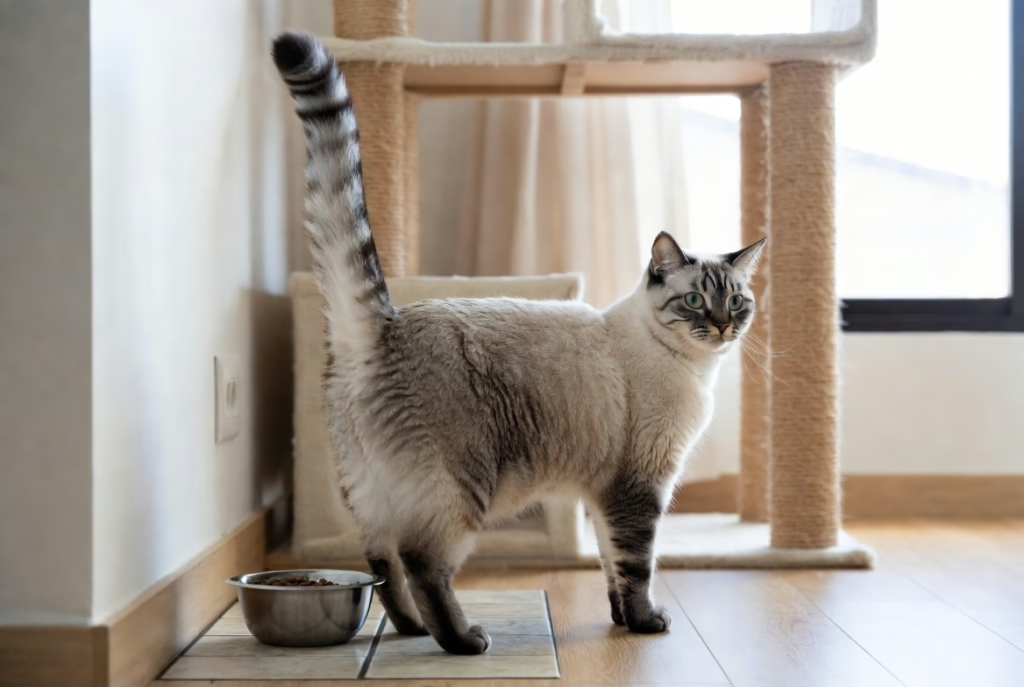
More than 60% of cats in the United States carry excess weight, making feline obesity dangers one of the most pressing veterinary concerns in 2026. Unlike the gradual weight gain many owners dismiss as normal aging, those extra pounds trigger a cascade of medical problems that veterinarians see daily in their practices.
The numbers tell a sobering story. A cat just two pounds over ideal weight experiences significant metabolic changes. For a typical domestic shorthair that should weigh nine pounds, carrying eleven pounds represents roughly 22% excess body mass—equivalent to a 150-pound person weighing 183 pounds. This seemingly modest difference strains organs, joints, and body systems in ways that accumulate over months and years.
Cat health weight issues develop quietly. Your cat won’t complain about aching knees or mention feeling winded after climbing stairs. By the time behavioral changes become obvious—reluctance to jump, decreased grooming, lethargy—internal damage has already begun. The pancreas struggles to regulate blood sugar. Cartilage wears thin in hip and knee joints. Fat infiltrates the liver. These processes start long before your cat looks noticeably heavy.
Indoor cats face particular vulnerability. Without the territory patrolling, hunting, and social interactions outdoor cats experience, house cats burn fewer calories while often eating the same portions. Add in the common practice of leaving food available all day, and weight creeps upward by ounces each month until suddenly your cat needs to lose three, four, or five pounds.
Health Risks Obese Cats Face Daily
The connection between excess weight and disease isn’t theoretical. Veterinary hospitals document these patterns in medical records across millions of patient visits. Overweight cats develop specific, measurable health problems at rates that far exceed their lean counterparts.
Diabetes and Insulin Resistance
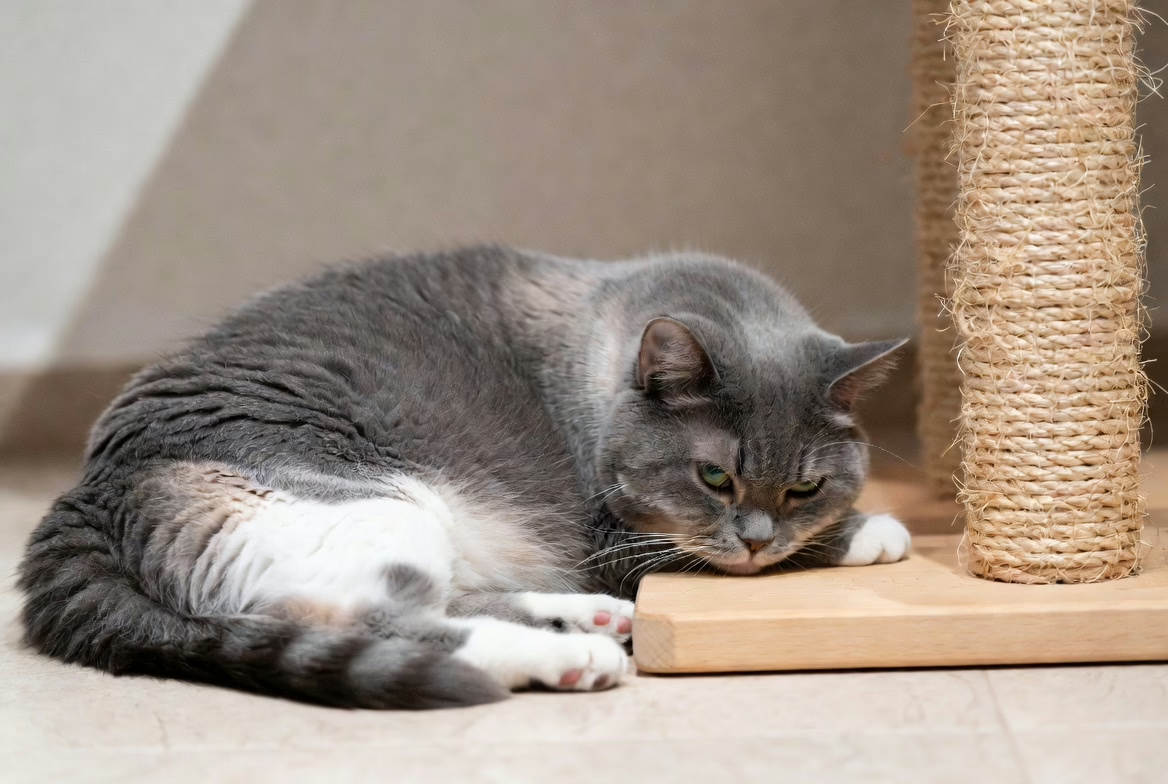
Feline diabetes has increased dramatically alongside rising obesity rates. Fat tissue actively interferes with insulin function, forcing the pancreas to produce more insulin to achieve the same blood sugar control. Eventually, pancreatic cells burn out from overwork, and diabetes develops.
An obese cat faces four times the diabetes risk of a lean cat. Once diagnosed, managing feline diabetes requires twice-daily insulin injections, regular glucose monitoring, and strict feeding schedules. Many owners spend $50 to $100 monthly on insulin, syringes, and testing supplies. More importantly, diabetic cats suffer complications including nerve damage in the hind legs, cataracts, and life-threatening ketoacidosis if blood sugar spikes too high.
Some diabetic cats achieve remission with weight loss and dietary changes, but this requires catching the disease early and committing to a structured weight-loss program. Cats that remain obese rarely escape insulin dependency.
Joint Pain and Arthritis
Carrying extra weight punishes feline joints with every step. The repetitive stress accelerates cartilage breakdown in hips, knees, and elbows. Studies using radiographs show that 90% of cats over ten years old have some arthritis, but obesity makes it appear earlier and progress faster.
Cats hide pain instinctively. Rather than limping obviously, an arthritic cat simply stops jumping onto counters or avoids stairs. Owners often attribute this to “slowing down with age” without recognizing it as pain. The cat that once slept on your bed now stays on the couch. The cat that greeted you at the door now waits wherever she was already resting.
Weight loss provides the single most effective arthritis treatment. Reducing body mass by just 20% can decrease joint pain by 50% or more. Unfortunately, arthritis makes exercise uncomfortable, creating a vicious cycle where pain leads to inactivity, which makes weight loss harder, which increases pain.
Heart and Breathing Problems
Excess fat doesn’t just sit passively under the skin. It infiltrates the chest cavity, pressing against the lungs and heart. The heart must work harder to pump blood through additional tissue. Blood pressure often increases. The lungs can’t expand fully, reducing oxygen intake.
Obese cats breathe faster at rest and tire quickly during activity. Some develop a chronic cough. In severe cases, fluid accumulates in the chest cavity, creating a medical emergency. These cats arrive at veterinary hospitals in respiratory distress, requiring oxygen therapy and diuretics to remove fluid.
Heart disease in obese cats often goes undetected until it’s advanced. The extra fat layer muffles heart sounds during physical exams, making murmurs harder to hear with a stethoscope. By the time symptoms appear—rapid breathing, weakness, collapse—significant damage has occurred.
How Excess Weight Shortens Your Cat’s Life
Research tracking thousands of cats over their lifetimes reveals a stark pattern: obesity subtracts years. Cats maintained at healthy weights live an average of two years longer than their overweight counterparts. For a species with a typical lifespan of 15 to 18 years, losing two years represents more than 10% of their expected life.
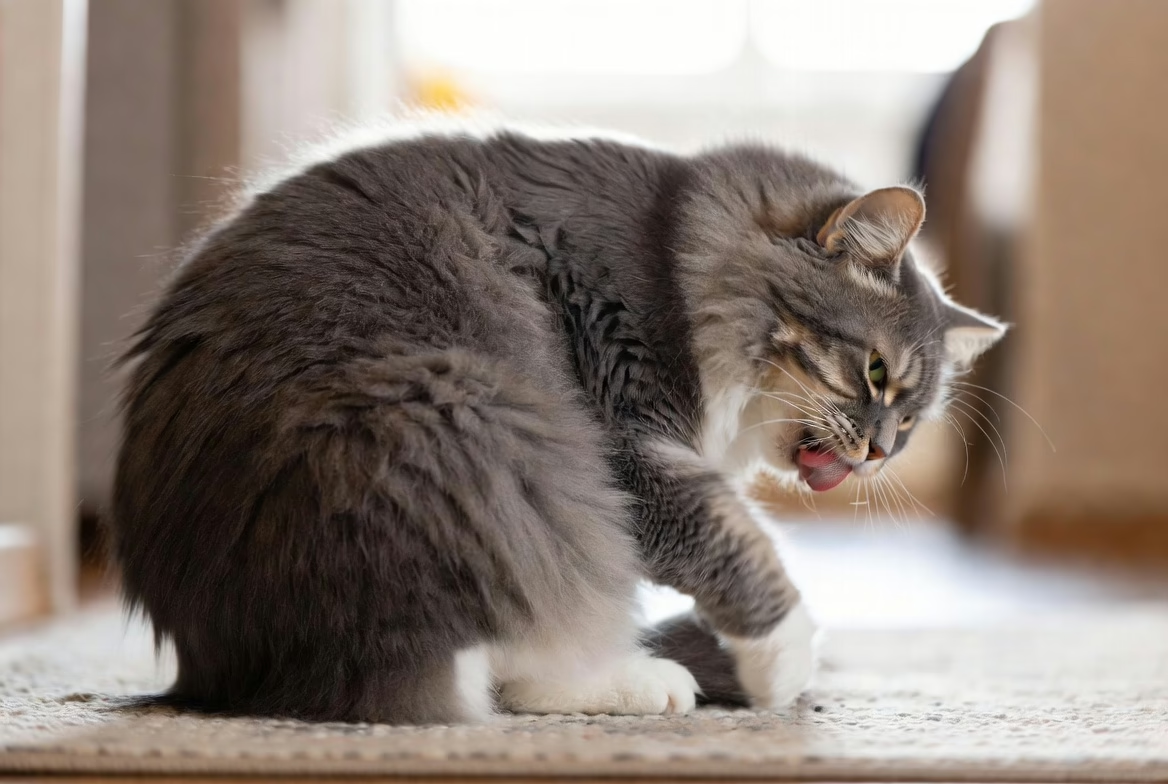
Beyond raw lifespan, quality of life deteriorates as cat weight problems progress. The playful, curious cat becomes sedentary and disengaged. Grooming suffers because flexibility decreases—obese cats can’t twist to reach their hindquarters, leading to matted fur and skin infections. Some develop painful skin fold dermatitis where moisture and bacteria accumulate in fat creases.
Surgical and anesthetic risks multiply with obesity. Veterinarians struggle to find veins hidden under fat layers. Anesthesia dosing becomes tricky because fat tissue affects drug distribution. Recovery takes longer, and complications occur more frequently. A routine dental cleaning carries significantly more risk for an obese cat than a lean one.
The progression follows a predictable timeline. In the first year of obesity, metabolic changes begin but symptoms remain invisible. Years two through four bring the onset of diabetes, arthritis, or both. By year five or six, multiple organ systems show stress. Cats that remain severely obese into their senior years face compounding health crises that become increasingly difficult and expensive to manage.
Signs Your Cat Has Weight Problems
Recognizing cat overweight issues early makes intervention easier, but many owners struggle to assess their cat’s body condition objectively. Cats come in different frame sizes and coat lengths, making weight assessment less straightforward than stepping on a scale.
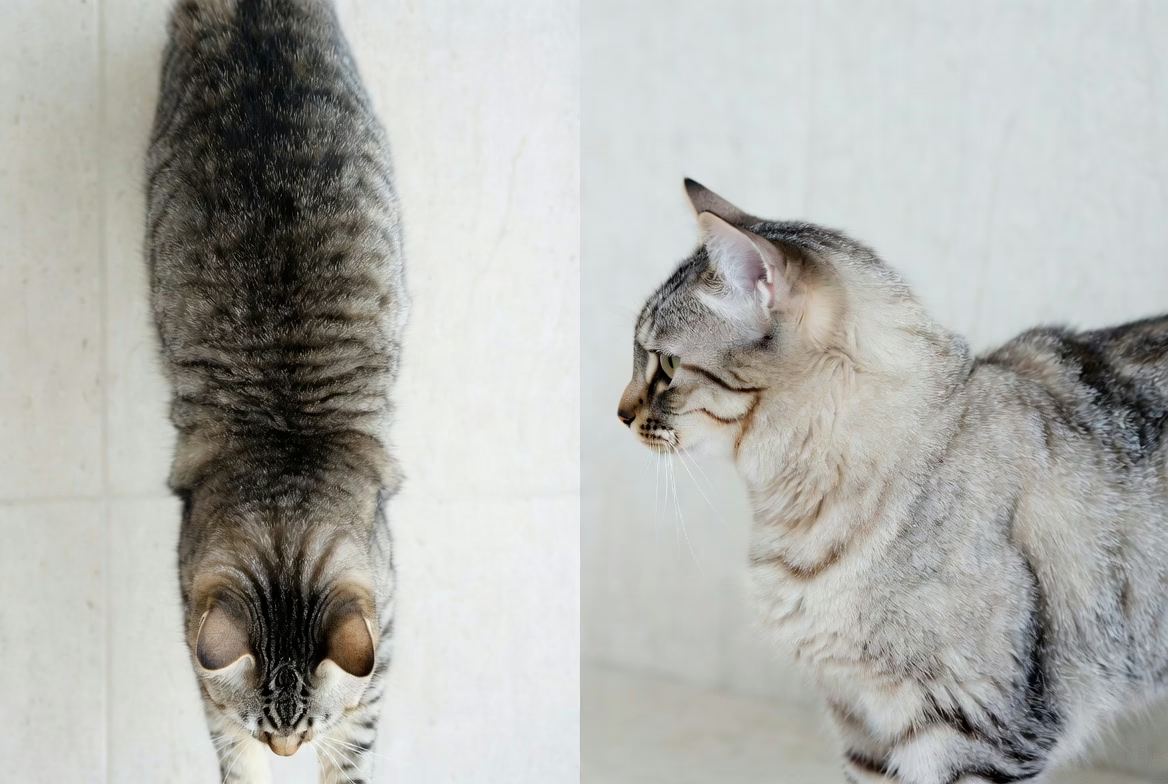
Veterinarians use a nine-point body condition scoring system. An ideal cat (score 5) has ribs easily felt under a thin fat layer, a visible waist when viewed from above, and a slight abdominal tuck when viewed from the side. Overweight cats (score 6-7) have ribs that require firm pressure to feel, no visible waist, and a rounded abdomen. Obese cats (score 8-9) have ribs that can’t be felt, a distended abdomen, and fat deposits on the lower back and tail base.
Run your hands along your cat’s sides. You should feel individual ribs without pressing hard, similar to feeling knuckles on the back of your hand. If the ribs disappear under a thick fat layer, requiring significant pressure to detect, your cat carries excess weight.
Look straight down at your cat from above while she’s standing. A healthy cat shows an hourglass figure with a narrowing behind the ribs before the hips. Overweight cats look oval or round from this angle, with no waist definition.
Behavioral changes often precede obvious physical changes. Decreased jumping, reluctance to play, extended sleeping hours, and reduced grooming all signal potential weight problems. Some cats develop a waddling gait as hip joints struggle under excess weight.
Regular weigh-ins provide objective tracking. Most veterinary clinics encourage owners to stop by monthly for free weight checks. A cat gaining more than a half-pound per year (unless she’s a young cat still growing) needs dietary intervention.
What Causes Cats to Become Overweight
Multiple factors contribute to feline obesity, often working in combination. Understanding these causes helps prevent weight gain before it starts.
Free-feeding—leaving dry food available all day—tops the list of culprits. Cats evolved as intermittent eaters who hunt small prey throughout the day, but domestic cats with unlimited food access often overeat from boredom or habit. A cat picking at food throughout the day can easily consume 20-30% more calories than she needs without owners noticing.
Portion sizes creep upward gradually. An owner adds an extra quarter-cup of food, then a bit more weeks later. Many owners pour food by eye rather than measuring, and “eyeballed” portions tend to grow over time. The difference between the recommended half-cup and an actual three-quarters cup adds up to thousands of extra calories monthly.
Indoor cat lifestyle health differs dramatically from outdoor living. Indoor cats walk fewer than 100 feet daily on average, compared to outdoor cats that may patrol territories spanning several acres. Without environmental stimulation, indoor cats sleep 16-20 hours per day and burn minimal calories during waking hours.
Spaying and neutering reduce metabolic rate by roughly 25%. The same food amount that maintained weight before surgery now exceeds caloric needs afterward. Many cats gain weight in the months following these procedures unless owners reduce portions proactively.
Treat calories add up invisibly. A few treats seem harmless, but ten small treats daily can represent 20% of a cat’s total caloric needs. Add in table scraps, and some cats consume half their calories from sources other than their measured meals.
Age-related changes slow metabolism. Senior cats burn fewer calories than young adults but often continue eating the same portions they’ve received for years. Without adjustment, weight gradually increases.
Preventing Cat Obesity Before It Starts
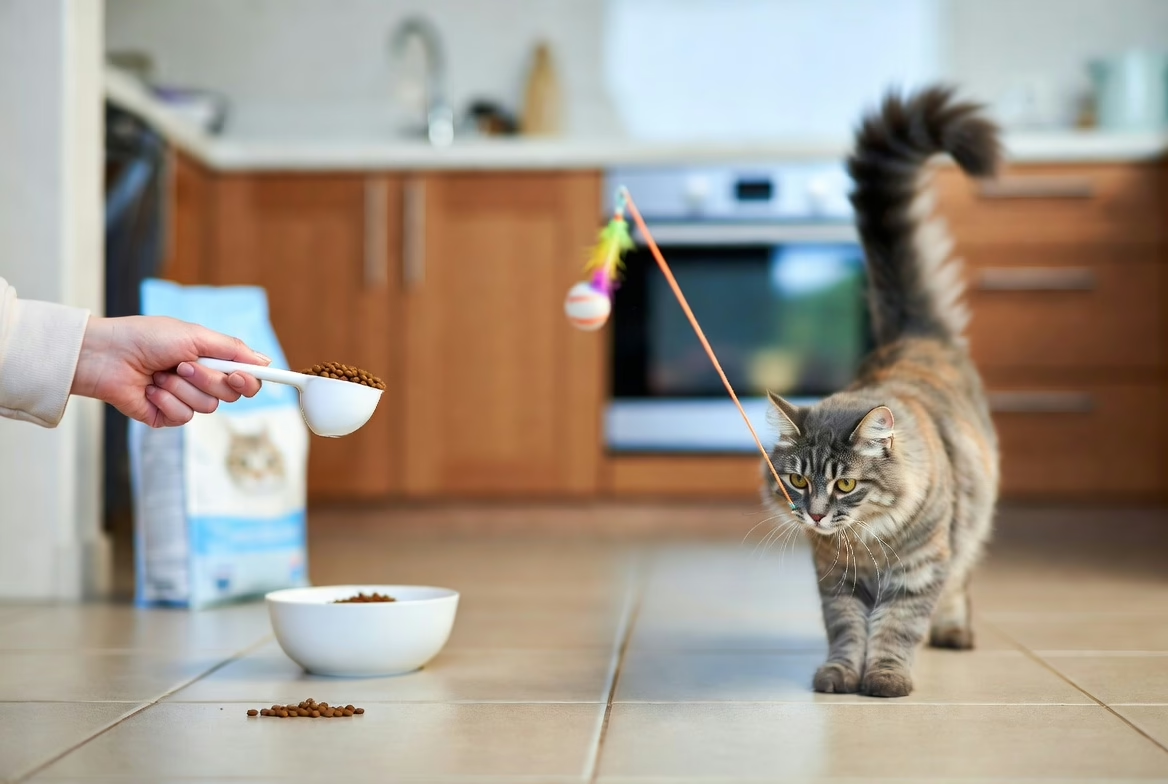
Prevention requires less effort than treating established obesity. Simple habits maintained consistently keep most cats at healthy weights throughout their lives.
Measure food precisely using a standard measuring cup or kitchen scale. Feeding guidelines on pet food bags provide starting points, but individual cats vary. A moderately active eight-pound cat typically needs 200-240 calories daily. Check your food’s caloric density (listed as kcal/cup on the bag) and calculate the appropriate portion.
Scheduled meals work better than free-feeding for weight management. Two or three measured meals daily allow you to monitor intake and prevent overeating. Cats adapt to meal schedules within a week or two, though they may protest initially.
Increase activity through environmental enrichment. Vertical space—cat trees, wall shelves, window perches—encourages climbing and jumping. Puzzle feeders make cats work for food, burning calories while eating. Rotating toys maintains novelty and interest. Even ten minutes of interactive play with a wand toy twice daily increases caloric burn and muscle maintenance.
Choose foods formulated for your cat’s life stage and activity level. Kitten foods contain more calories per cup than adult formulas. Senior cat foods often include joint-supporting supplements and modified protein levels. Indoor cat formulas typically have reduced calorie density to account for lower activity.
Monitor weight monthly, especially after spaying, neutering, or when transitioning from kitten to adult food. Catching a one-pound gain and adjusting portions immediately prevents that pound from becoming five pounds over the next year.
Limit treats to less than 10% of daily calories. For a cat eating 200 calories daily, that’s just 20 treat calories—roughly two to three small commercial treats. Use tiny portions or break treats into smaller pieces to make them last longer.
Health Conditions: Normal Weight vs. Obese Cats
| Health Condition | Normal Weight Cats | Obese Cats | Risk Increase |
|---|---|---|---|
| Type 2 Diabetes | 0.5% prevalence | 2.0% prevalence | 4x higher risk |
| Arthritis (under age 10) | 15% prevalence | 65% prevalence | 4.3x higher risk |
| Hepatic Lipidosis | Rare | Common during weight loss | 10x higher risk |
| Urinary Tract Disease | 3% annual incidence | 5% annual incidence | 1.7x higher risk |
| Anesthetic Complications | 2% complication rate | 8% complication rate | 4x higher risk |
| Average Lifespan | 15-18 years | 13-16 years | 2 years shorter |
Obesity is the most common nutritional disorder we see in small animal practice, and it’s entirely preventable. The extra weight doesn’t just reduce lifespan—it reduces quality of life every single day through pain, reduced mobility, and increased disease burden. The good news is that even modest weight loss produces measurable health improvements within weeks.
— Dr. Jennifer Larsen, DVM, PhD, Nutritionist at UC Davis Veterinary Medical Teaching Hospital
FAQs
Yes, but feline weight loss requires careful management. Cats should lose no more than 1-2% of body weight per week. Faster weight loss risks hepatic lipidosis, a potentially fatal liver condition where fat mobilizes too quickly and overwhelms the liver. A 15-pound cat should lose no more than 2-3 ounces weekly. Most cats need 6-12 months to reach target weight safely. Work with your veterinarian to establish calorie targets and monitor progress with regular weigh-ins.
Ideal weight varies by breed and frame size. Most domestic shorthairs weigh 8-11 pounds, but some healthy cats weigh 6 pounds while others reach 15 pounds depending on bone structure. Rather than focusing on a specific number, assess body condition. You should easily feel ribs under a thin fat layer, see a waist when viewing from above, and notice an abdominal tuck from the side. Your veterinarian can determine your individual cat’s ideal weight range based on body condition scoring and frame size.
Diabetes tops the list, affecting obese cats at four times the rate of lean cats. Arthritis develops earlier and progresses faster with excess weight stressing joints. Hepatic lipidosis becomes a risk if an obese cat stops eating for even 2-3 days. Urinary tract disease, heart disease, and respiratory problems all occur more frequently. Obese cats also face higher surgical risks and slower wound healing. Many of these conditions improve significantly with even modest weight loss of 10-15% of body weight.
Wet food typically supports weight loss better than dry food. Canned food contains 70-80% water, providing volume and satiety with fewer calories. A cat can eat a larger portion of wet food for the same calories as a small portion of dry food, reducing begging behavior. Wet food also increases water intake, supporting urinary tract health. However, food quality matters more than format—a high-quality dry food works better than a low-quality wet food. Many veterinarians recommend primarily wet food with measured portions for weight loss.
Metabolic changes begin within months of weight gain, though symptoms may not appear for years. Insulin resistance develops within the first year of obesity. Joint stress accumulates gradually, with arthritis symptoms typically appearing after 2-4 years of carrying excess weight. The timeline varies by how overweight the cat becomes and individual genetic factors. Some cats develop diabetes within two years of becoming obese, while others remain diabetic-free for longer. The key point: damage accumulates silently long before visible symptoms appear, making prevention and early intervention crucial.
Cat obesity risks extend far beyond aesthetics. Those extra pounds translate directly into diabetes, arthritis, heart disease, and shortened lifespans. The encouraging reality is that prevention requires simple, consistent habits: measured portions, scheduled meals, and regular activity. For cats already overweight, gradual weight loss under veterinary guidance reverses many complications and dramatically improves quality of life.
Your cat depends entirely on you to manage her diet and environment. She can’t choose low-calorie foods, measure appropriate portions, or understand that those extra treats contribute to joint pain years later. By maintaining your cat at a healthy weight, you’re not just adding years to her life—you’re ensuring those years remain active, comfortable, and free from preventable suffering. The investment of a few minutes daily to measure food and encourage play pays dividends in your cat’s health for years to come.