

Parasites pose a serious threat to your cat’s health, regardless of whether they spend their days lounging indoors or exploring the neighborhood. From microscopic worms that inhabit the digestive tract to blood-sucking fleas that infest the coat, these organisms can cause everything from mild irritation to life-threatening illness. Understanding which parasites threaten your cat, recognizing warning signs early, and implementing effective prevention strategies will help keep your feline companion healthy throughout their life.
Common Cat Parasites and How They Spread
Cats face threats from two main categories of parasites: external parasites that live on the skin and internal parasites that inhabit the body’s organs and systems.
External Parasites
Fleas remain the most prevalent external parasite affecting cats. A single flea can lay up to 50 eggs daily, which fall off into carpeting, bedding, and furniture where they develop into larvae and eventually emerge as adult fleas ready to jump onto your cat. Even a brief encounter with an infested environment—such as a veterinary waiting room or a friend’s home—can introduce fleas to your pet.
Ticks attach to cats less frequently than dogs, but outdoor cats in wooded or grassy areas face significant exposure. These parasites transmit diseases like cytauxzoonosis, which can be fatal if not treated promptly. Ear mites, though less dangerous, cause intense itching and discomfort, spreading easily between cats through direct contact.
Internal Parasites
Roundworms are the most common internal parasite, with kittens often infected through their mother’s milk. Adult cats acquire roundworms by ingesting eggs from contaminated soil or by eating infected prey animals like mice or birds.
Hookworms, smaller than roundworms, attach to the intestinal lining and feed on blood. They spread through contaminated soil and can even penetrate through the skin of a cat’s paw pads.
Tapeworms require an intermediate host—usually fleas or rodents. When your cat grooms and swallows an infected flea, or catches and eats an infected mouse, tapeworm larvae are released in the digestive system where they mature into segmented worms that can reach several inches in length.
Heartworms, transmitted through mosquito bites, develop in the heart and pulmonary arteries. While less common in cats than dogs, heartworm disease is often more severe in felines because even a small worm burden can cause significant respiratory distress.
Risk Factors
Outdoor cats face higher parasite exposure through contact with infected animals, contaminated soil, and prey. However, indoor cats are far from immune. Fleas can hitchhike indoors on clothing or other pets, mosquitoes enter through open windows, and even indoor cats occasionally catch mice that find their way inside. Multi-cat households see faster parasite transmission when one animal becomes infected.
Signs Your Cat May Have Parasites
Parasite symptoms vary widely depending on the type of infestation and its severity. Some cats show no obvious signs until the problem becomes advanced.
Physical Symptoms
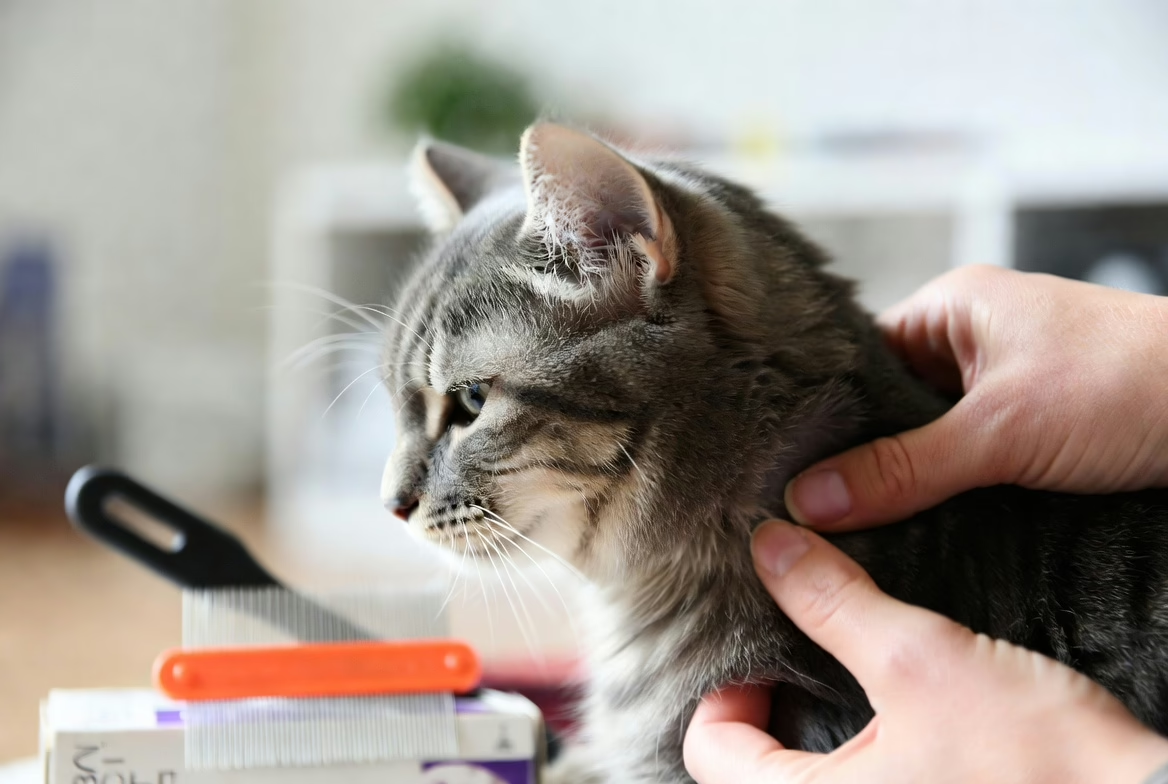
Visible flea dirt—small black specks that turn red when moistened—in your cat’s coat confirms flea presence. You might spot the insects themselves, particularly around the neck, base of the tail, and belly. Excessive scratching, hair loss, and skin inflammation often accompany flea infestations.
Tapeworm segments resembling grains of rice appear around the anus or in fresh feces. These segments may move when first passed but dry out quickly. Roundworms occasionally appear in vomit or stool, looking like spaghetti strands.
Weight loss despite normal appetite suggests intestinal parasites consuming nutrients. Conversely, a pot-bellied appearance in kittens often indicates heavy roundworm burden. Diarrhea, sometimes bloody, occurs with many internal parasites, while pale gums signal anemia from hookworms or heavy flea infestations.
Behavioral Changes
Cats with parasites may become lethargic, sleeping more than usual and showing less interest in play. Scooting across the floor can indicate tapeworms causing anal irritation, though this behavior also suggests full anal glands. Coughing and difficulty breathing may point to heartworms or lungworms, particularly if symptoms worsen during physical activity.
When to See a Veterinarian
Schedule an appointment immediately if your cat shows labored breathing, severe lethargy, bloody diarrhea, or sudden collapse. These symptoms can indicate life-threatening parasitic infections requiring urgent care. For milder symptoms like occasional scratching or minor changes in stool consistency, a routine visit within a few days is appropriate. Remember that many parasite infections remain asymptomatic, making regular veterinary examinations essential for early detection.
Flea Prevention Methods for Cats
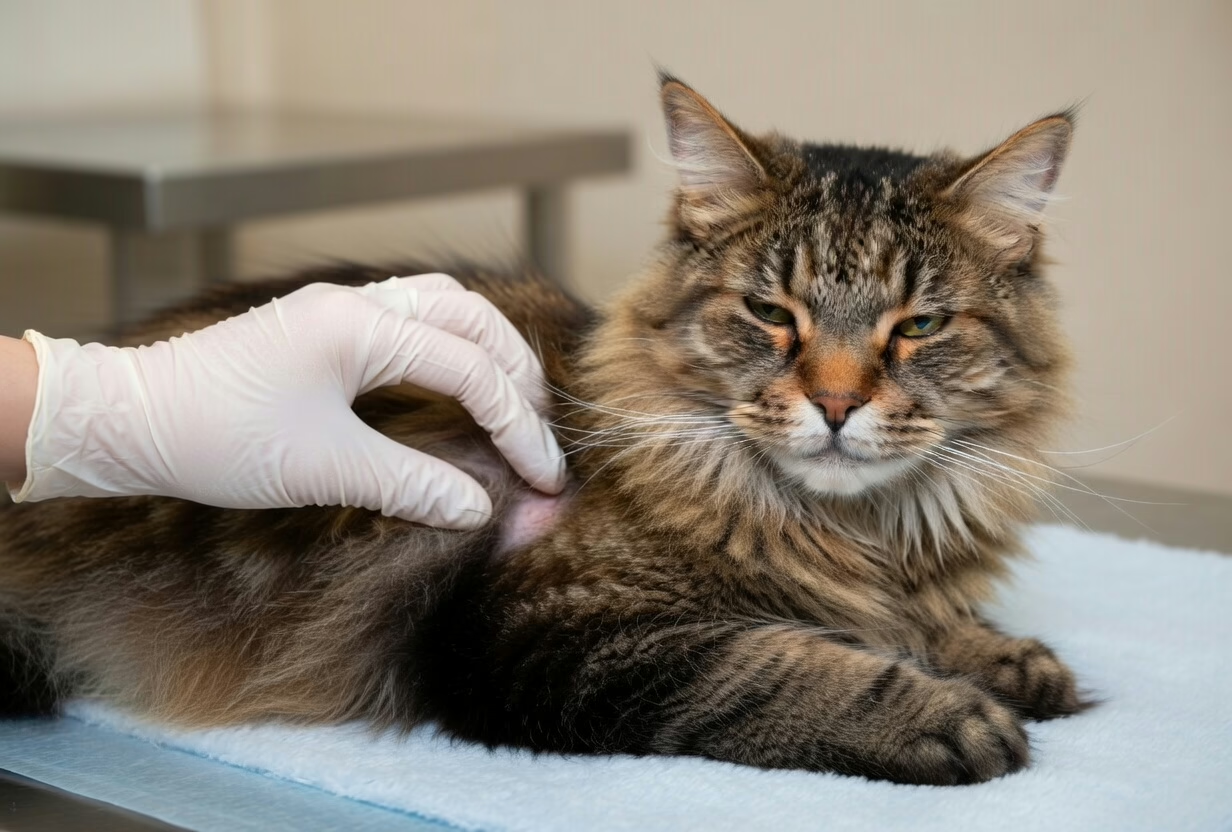
Effective flea prevention requires understanding the various product types and choosing options suited to your cat’s lifestyle and health status.
Topical Treatments
Monthly spot-on treatments applied between the shoulder blades offer broad protection. Products containing fipronil kill adult fleas and often include ingredients targeting ticks and mites. Selamectin-based treatments prevent fleas, ear mites, roundworms, and hookworms in a single application. Most topical treatments start working within hours, killing fleas before they can reproduce.
The main drawback is application difficulty with uncooperative cats. Some cats experience localized skin reactions, though these are usually mild and temporary. Never use permethrin-based dog products on cats—this ingredient is highly toxic to felines and can cause seizures or death.
Oral Medications
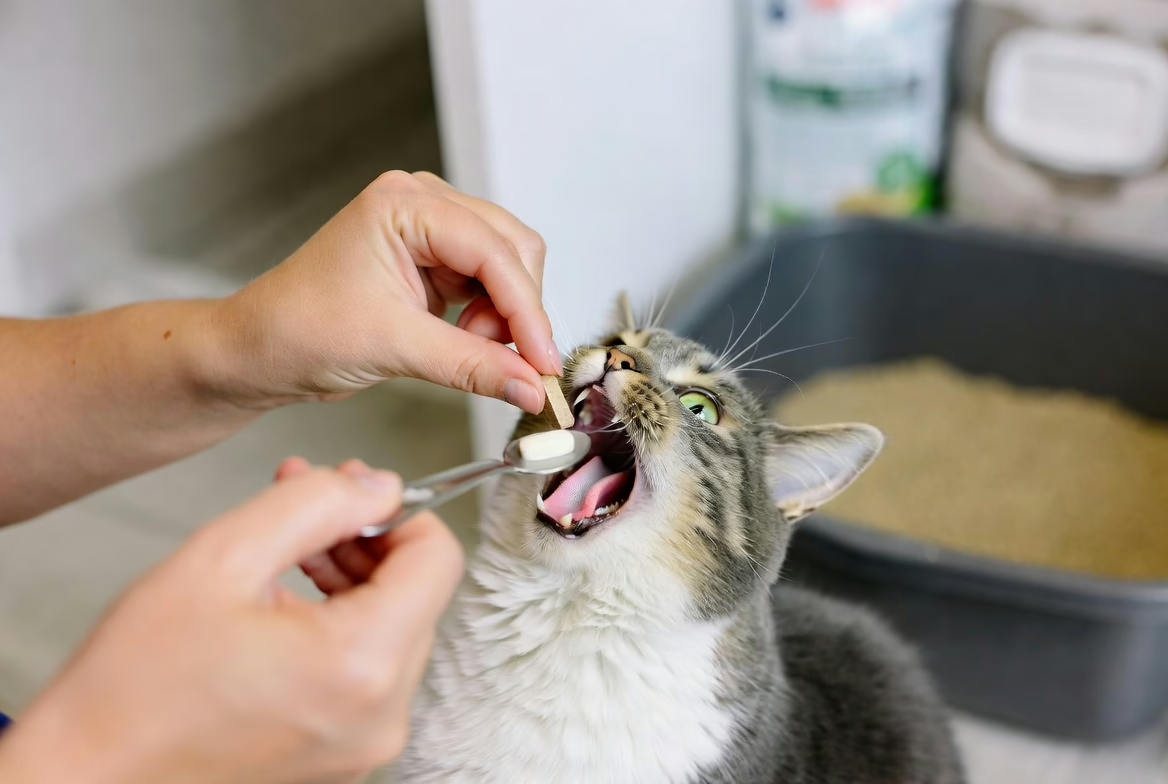
Oral flea preventives come in monthly pills or longer-lasting formulations. Spinosad tablets kill adult fleas within 30 minutes of ingestion. Newer isoxazoline-class medications provide up to 12 weeks of protection per dose, eliminating the need for monthly administration.
Oral products work well for cats who hate topical applications or live in multi-cat households where grooming might transfer topical treatments between animals. Picky eaters may refuse pills, though many products now come in flavored chewable forms.
Flea Collars
Modern flea collars have improved dramatically from earlier versions. Current collars release active ingredients gradually over eight months, providing long-term protection. They work well for owners who struggle with monthly treatments, though some cats dislike wearing collars or develop contact dermatitis where the collar touches skin.
Environmental Control
Products targeting only adult fleas on your cat address just 5% of the total flea population. The remaining 95%—eggs, larvae, and pupae—reside in your home environment. Vacuum carpets, upholstery, and pet bedding at least twice weekly, immediately disposing of the vacuum bag or canister contents. Wash bedding in hot water weekly. Environmental sprays containing insect growth regulators prevent flea eggs and larvae from developing, breaking the reproduction cycle.

Preventing Worms in Cats
Intestinal parasites require different prevention approaches than external parasites, with strategies varying based on your cat’s age and exposure risk.
Deworming Schedules
Kittens need aggressive deworming because of high infection rates from maternal transmission. Veterinarians typically deworm kittens every two weeks from two to eight weeks of age, then monthly until six months old. This intensive schedule addresses the rapid reproduction cycle of common worms.
Adult cats benefit from deworming at least twice yearly, with quarterly treatment recommended for outdoor cats or those who hunt. Cats with flea problems need more frequent deworming since tapeworms spread through flea ingestion.
Medication Types
Broad-spectrum dewormers containing pyrantel pamoate eliminate roundworms and hookworms. Praziquantel targets tapeworms effectively. Many combination products address multiple worm types simultaneously, simplifying treatment protocols.
Some monthly heartworm preventives also control intestinal parasites. These multi-purpose medications reduce the number of products you need to administer while providing comprehensive protection.
Lifestyle-Based Prevention
Preventing worm infections goes beyond medication. Keep litter boxes clean, removing waste daily to prevent reinfection from contaminated feces. Control rodent populations around your home to eliminate prey animals that serve as intermediate hosts for parasites. Prevent your cat from hunting if possible, though this proves challenging with outdoor cats.
In multi-cat households, isolate new cats until they’ve been examined and treated for parasites. This quarantine period prevents introducing infections to your existing pets.
Year-Round Parasite Control Strategies
Consistent, year-round prevention proves more effective and often more economical than treating active infections.
Combination Products
Many modern parasite preventives protect against multiple threats simultaneously. Monthly topical treatments may cover fleas, ticks, ear mites, roundworms, hookworms, and heartworms in a single application. These combination products simplify prevention protocols and improve compliance since you’re less likely to forget one of several different medications.
When selecting combination products, ensure they address the specific parasites prevalent in your region. Cats in the southeastern United States need heartworm prevention more urgently than those in drier climates with fewer mosquitoes, though climate change has expanded mosquito ranges into previously unaffected areas.
Seasonal Considerations
While flea and tick activity peaks during warm months, these parasites survive indoors year-round thanks to climate-controlled homes. Fleas can complete their lifecycle in your heated house during winter, emerging in spring with a vengeance if prevention lapses. Heartworm prevention requires year-round administration in most US regions—the American Heartworm Society recommends continuous prevention nationwide.
Some owners reduce prevention during winter months to save money, but this approach creates gaps in protection and allows parasite populations to rebound. Year-round prevention maintains consistent protection and often costs less than treating active infections.
Multi-Cat Households
When multiple cats share space, parasite transmission accelerates. Treat all cats simultaneously to prevent ping-pong reinfection where treated cats become reinfected from untreated housemates. This synchronized approach applies to both preventive medications and treatment of active infections.
Separate food bowls, litter boxes, and bedding reduce parasite transmission between cats, though complete isolation isn’t practical in most homes. Focus on treating all animals and maintaining environmental cleanliness.
Indoor/Outdoor Protocols
Outdoor cats need the most comprehensive prevention, including products that address ticks and the full range of intestinal parasites. Indoor cats still require flea, heartworm, and intestinal parasite prevention, though tick prevention becomes optional depending on your home’s location and whether other pets go outside.
Cats with catio access or supervised outdoor time fall somewhere between fully indoor and outdoor cats in terms of risk. Assess your individual cat’s exposure and consult your veterinarian about appropriate prevention levels.
Choosing the Right Prevention Products
The parasite prevention market offers dozens of products with varying ingredients, coverage, and safety profiles.
Prescription vs. Over-the-Counter
Prescription products generally offer superior efficacy and broader protection compared to over-the-counter alternatives. They’ve undergone more rigorous testing and often contain newer active ingredients. Your veterinarian can prescribe products tailored to your cat’s specific needs and health status.
Over-the-counter products cost less and offer convenience, but quality varies significantly. Some provide adequate protection for low-risk indoor cats, while others contain insufficient active ingredient concentrations or outdated formulations. Avoid grocery store flea collars and sprays, which rarely work well and may contain ingredients that irritate your cat’s skin.
Ingredient Safety
Always verify that products are specifically labeled for cats. Ingredients safe for dogs can be deadly to cats due to differences in metabolism. Permethrin, commonly used in canine flea products, causes severe neurological reactions in cats.
Check for potential drug interactions if your cat takes other medications. Some parasite preventives interact with drugs used to treat seizures, heart conditions, or behavioral issues. Your veterinarian can review your cat’s complete medication list to identify potential problems.
Age and Weight Considerations
Most parasite preventives have minimum age and weight requirements. Products labeled for adult cats may not be safe for kittens under eight weeks or weighing less than two pounds. Carefully weigh your cat and follow dosing instructions precisely—overdosing increases the risk of adverse reactions, while underdosing provides inadequate protection.
Senior cats and those with liver or kidney disease may need adjusted prevention protocols. These cats metabolize medications differently, potentially requiring lower doses or alternative products.
Veterinary Recommendations
Your veterinarian considers factors beyond just killing parasites when recommending products. They account for your cat’s health history, lifestyle, your budget, and your ability to administer different product types. A cat who fights pills might do better with topical treatments, while one who hides for hours after seeing a medication bottle might benefit from long-acting injections or extended-duration oral products.
Build a relationship with your veterinary team and communicate honestly about challenges you face with parasite prevention. They can suggest alternatives if your current protocol isn’t working.
Comparison of Common Parasite Prevention Products
| Product Type | Parasites Covered | Application Method | Frequency | Prescription Required | Approximate Cost |
|---|---|---|---|---|---|
| Topical (fipronil) | Fleas, ticks, mites | Applied to skin | Monthly | Yes | $15-25/dose |
| Topical (selamectin) | Fleas, heartworms, roundworms, hookworms, ear mites | Applied to skin | Monthly | Yes | $18-30/dose |
| Oral (spinosad) | Fleas only | Tablet | Monthly | Yes | $12-20/dose |
| Oral (isoxazoline) | Fleas, ticks | Tablet | 1-3 months | Yes | $25-45/dose |
| Flea collar | Fleas, ticks | Worn continuously | 8 months | No | $40-60/collar |
| Injectable heartworm | Heartworms only | Injection at vet | 6-12 months | Yes | $50-100/dose |
| Dewormer (broad-spectrum) | Roundworms, hookworms, tapeworms | Oral tablet | As needed | Some formulations | $8-15/treatment |
The biggest mistake I see is pet owners stopping parasite prevention during winter months or assuming indoor cats don’t need protection. Parasites don’t respect seasons or walls—fleas thrive in heated homes, mosquitoes slip through doors, and even indoor cats can develop worm infections. Year-round prevention is the only way to ensure your cat stays protected, and it’s far easier and less expensive than treating active parasitic diseases.
Dr. Jennifer Martinez
FAQs
Most parasite preventives require monthly administration, though some newer products last up to three months per dose. Flea collars provide eight months of protection. The key is maintaining consistent coverage without gaps—set phone reminders or mark your calendar to avoid missing doses. Some veterinary clinics offer text message reminders when your cat’s next dose is due.
Natural remedies like essential oils, diatomaceous earth, and herbal supplements lack scientific evidence supporting their effectiveness against parasites. Some, particularly essential oils, can be toxic to cats. While maintaining a clean environment and good nutrition supports overall health, these measures don’t replace proven parasite preventives. If you prefer more natural approaches, discuss options with your veterinarian who can recommend the safest products with the least chemical load while still providing adequate protection.
Never use dog products on cats unless explicitly labeled as safe for both species. Many canine parasite preventives contain permethrin or other ingredients that are highly toxic to cats, causing seizures, tremors, and potentially death. Even small amounts transferred from a treated dog to a cat through grooming or close contact can cause serious reactions. Always use products specifically formulated and labeled for cats.
Timing varies by product and parasite type. Most flea preventives kill adult fleas within hours to one day of application. However, eliminating a flea infestation completely takes several months since products don’t kill eggs and pupae already in your environment—you must wait for these to mature and contact the treated cat. Dewormers typically eliminate intestinal parasites within days, though you may need repeated treatments. Heartworm prevention works by killing larvae before they mature, so it prevents infection rather than treating active disease.
Parasite prevention represents one of the most important investments you can make in your cat’s health and longevity. The small monthly cost and minimal effort required to administer preventives pale in comparison to the expense, stress, and potential complications of treating parasitic diseases. Heartworm disease has no approved treatment for cats, making prevention literally a life-or-death issue. Severe flea infestations can cause anemia requiring blood transfusions, while heavy intestinal worm burdens can lead to intestinal blockages or ruptures.
Work closely with your veterinarian to develop a prevention protocol tailored to your cat’s individual needs. This partnership should include annual or semi-annual fecal examinations to check for intestinal parasites, heartworm testing for cats at risk, and regular discussions about whether your current prevention strategy is working or needs adjustment.
Remember that parasite prevention protects not just your cat but also your human family members. Some parasites, including certain roundworms and hookworms, can infect people—particularly children who may come into contact with contaminated soil or litter. Maintaining your cat on effective parasite prevention contributes to the health of your entire household.
The landscape of parasite prevention continues to evolve with new products offering longer duration, broader coverage, and improved safety profiles. Stay informed about advances in parasite control and remain flexible in your approach. What works perfectly for your cat today may need adjustment as they age, if they develop health issues, or when you move to a different geographic area with different parasite pressures.
Consistency matters more than perfection. Even if you occasionally miss a dose or face challenges getting your cat to accept medications, maintaining prevention most of the time provides far better protection than giving up entirely. When obstacles arise, communicate with your veterinary team to find solutions rather than abandoning parasite prevention altogether. Your cat depends on you to protect them from these invisible threats, and with the right tools and information, you can keep them parasite-free for years to come.