
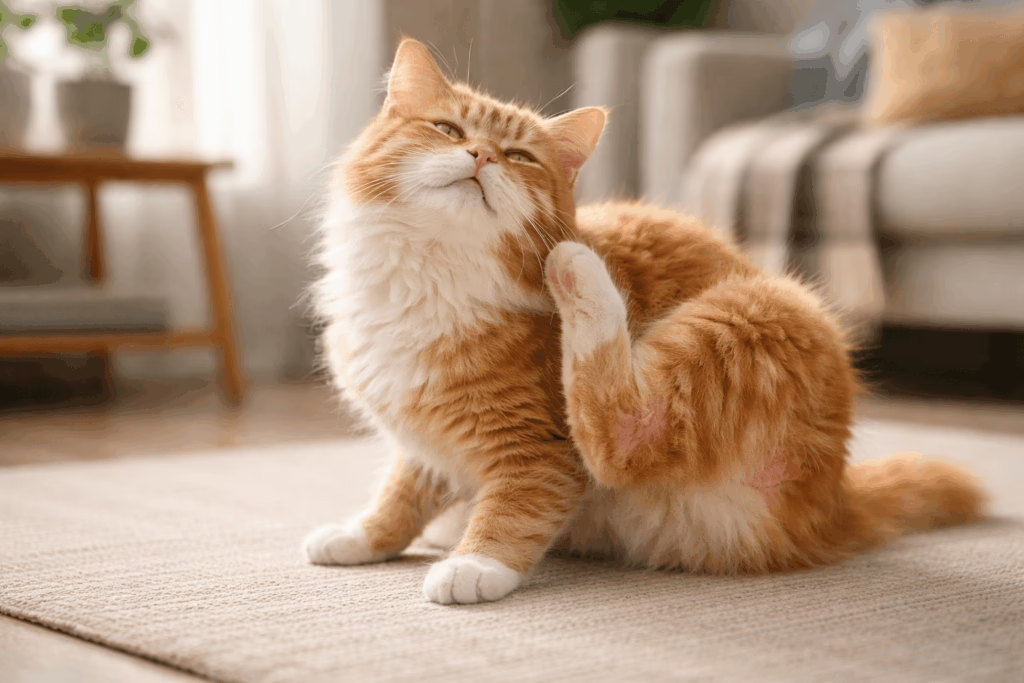
When your cat scratches incessantly, develops bald patches, or shows red, inflamed skin, it signals something more than typical grooming behavior. Skin problems rank among the top five reasons cat owners visit veterinary clinics, affecting felines across all ages and breeds. Understanding these conditions helps you respond quickly and appropriately, potentially preventing minor irritations from escalating into chronic health issues.
Common Types of Feline Skin Conditions
Feline skin issues manifest in numerous forms, each with distinct characteristics and underlying mechanisms. Allergic dermatitis tops the list, triggered by environmental substances like pollen, dust mites, or mold spores. Food-related allergies also cause significant skin reactions, though they’re less common than many pet owners assume.
Bacterial and fungal skin infections cats develop often emerge as secondary complications. When cats scratch damaged skin, they introduce bacteria from their claws or environment into the wound. Staphylococcus bacteria frequently colonize these compromised areas, creating pustules, crusts, and oozing lesions. Fungal infections, particularly ringworm (despite its name, actually a fungus), spread through direct contact with infected animals or contaminated surfaces.
Parasitic infestations remain prevalent despite modern prevention methods. Fleas cause flea allergy dermatitis, where cats react to proteins in flea saliva rather than the bites themselves. A single flea can trigger intense itching in sensitized cats. Ear mites, though primarily affecting ear canals, sometimes migrate to surrounding skin. Demodex mites, normally present in small numbers, occasionally multiply excessively in immunocompromised cats.
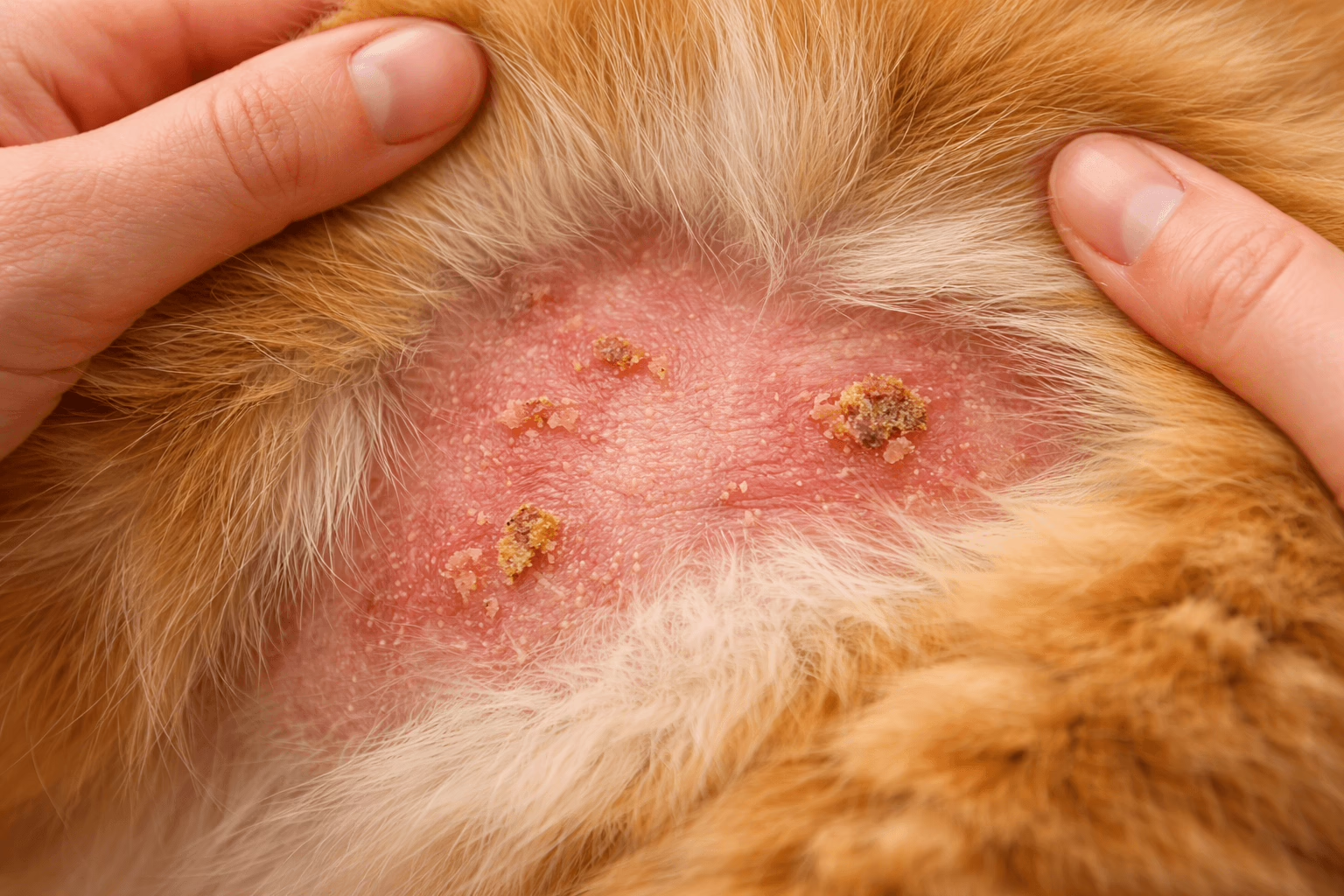
Autoimmune disorders represent less common but serious cat skin conditions. Pemphigus foliaceus, the most frequent autoimmune skin disease in cats, causes the immune system to attack connections between skin cells. This results in crusting, particularly around the face, ears, and paws. Eosinophilic granuloma complex encompasses several related conditions producing raised, ulcerated lesions.
Psychogenic alopecia occurs when cats over-groom due to stress or anxiety, creating symmetrical hair loss patterns without underlying skin disease. Distinguishing this from medical causes requires careful evaluation, as the skin typically appears normal aside from missing fur.
| Condition Name | Primary Symptoms | Typical Causes | Treatment Approach | Average Healing Time |
|---|---|---|---|---|
| Flea Allergy Dermatitis | Intense scratching, hair loss at tail base, scabs | Hypersensitivity to flea saliva | Flea elimination, anti-inflammatory medication | 2-4 weeks with complete flea control |
| Ringworm | Circular patches of hair loss, scaling, mild itching | Fungal infection (Microsporum canis) | Antifungal medication, environmental decontamination | 6-12 weeks |
| Bacterial Pyoderma | Pustules, crusts, oozing sores, redness | Secondary bacterial infection (usually Staphylococcus) | Antibiotics, topical antiseptics | 3-6 weeks |
| Food Allergy | Non-seasonal itching, ear infections, gastrointestinal signs | Protein hypersensitivity (often chicken, fish, beef) | Elimination diet trial, novel protein sources | 8-12 weeks for diagnosis |
| Pemphigus Foliaceus | Crusting on face and ears, pustules, lethargy | Autoimmune disorder | Immunosuppressive drugs (steroids, cyclosporine) | Lifelong management required |
What Causes Skin Issues in Cats
Cat itching causes stem from multiple interconnected factors. Environmental allergens include pollen from trees, grasses, and weeds that peak during specific seasons, though indoor allergens like house dust mites persist year-round. Mold spores thrive in humid climates or damp homes. Unlike humans who develop respiratory symptoms, cats primarily show allergic reactions through their skin.
Food sensitivities develop when a cat’s immune system identifies specific proteins as threats. Contrary to popular belief, grain-free diets don’t automatically prevent allergies—cats most commonly react to animal proteins they’ve eaten repeatedly. The immune system requires exposure to develop sensitivity, which explains why cats suddenly become allergic to foods they’ve tolerated for years.
Parasites transmit between cats through direct contact or shared environments. Fleas jump between hosts and survive in carpets, bedding, and outdoor areas. Ringworm spores remain viable in the environment for 18 months, clinging to furniture, grooming tools, and clothing. Shelter cats or those with outdoor access face higher exposure risks.
Stress manifests physically in cats more dramatically than many owners realize. Moving to a new home, adding household members, changing routines, or introducing new pets can trigger excessive grooming. Cats lack obvious stress signals, so owners often miss the psychological component until hair loss becomes evident.
Underlying diseases compromise skin health indirectly. Hyperthyroidism, common in older cats, increases skin fragility and alters grooming behavior. Diabetes mellitus affects immune function, making infections more likely. Feline immunodeficiency virus (FIV) and feline leukemia virus (FeLV) weaken disease resistance, allowing opportunistic skin infections to flourish.
Hormonal imbalances, while rare, occasionally cause symmetrical hair loss without itching. Overactive or underactive thyroid glands, though primarily affecting metabolism, also influence skin and coat quality. These cases require blood testing for diagnosis.
How to Recognize Symptoms of Cat Skin Problems
Visual signs vary depending on the underlying cause. Redness (erythema) appears as pink to bright red discoloration, most visible on sparsely haired areas like the belly, inner thighs, and ear flaps. Scales and dandruff indicate rapid skin cell turnover or fungal infections. Crusts form when fluid dries on the skin surface, often following pustule rupture or oozing wounds.
Hair loss patterns provide diagnostic clues. Symmetrical alopecia suggests hormonal issues or psychogenic grooming, while patchy, irregular hair loss points toward infections or parasites. Broken hairs with intact follicles indicate mechanical damage from scratching or over-grooming rather than follicle disease.
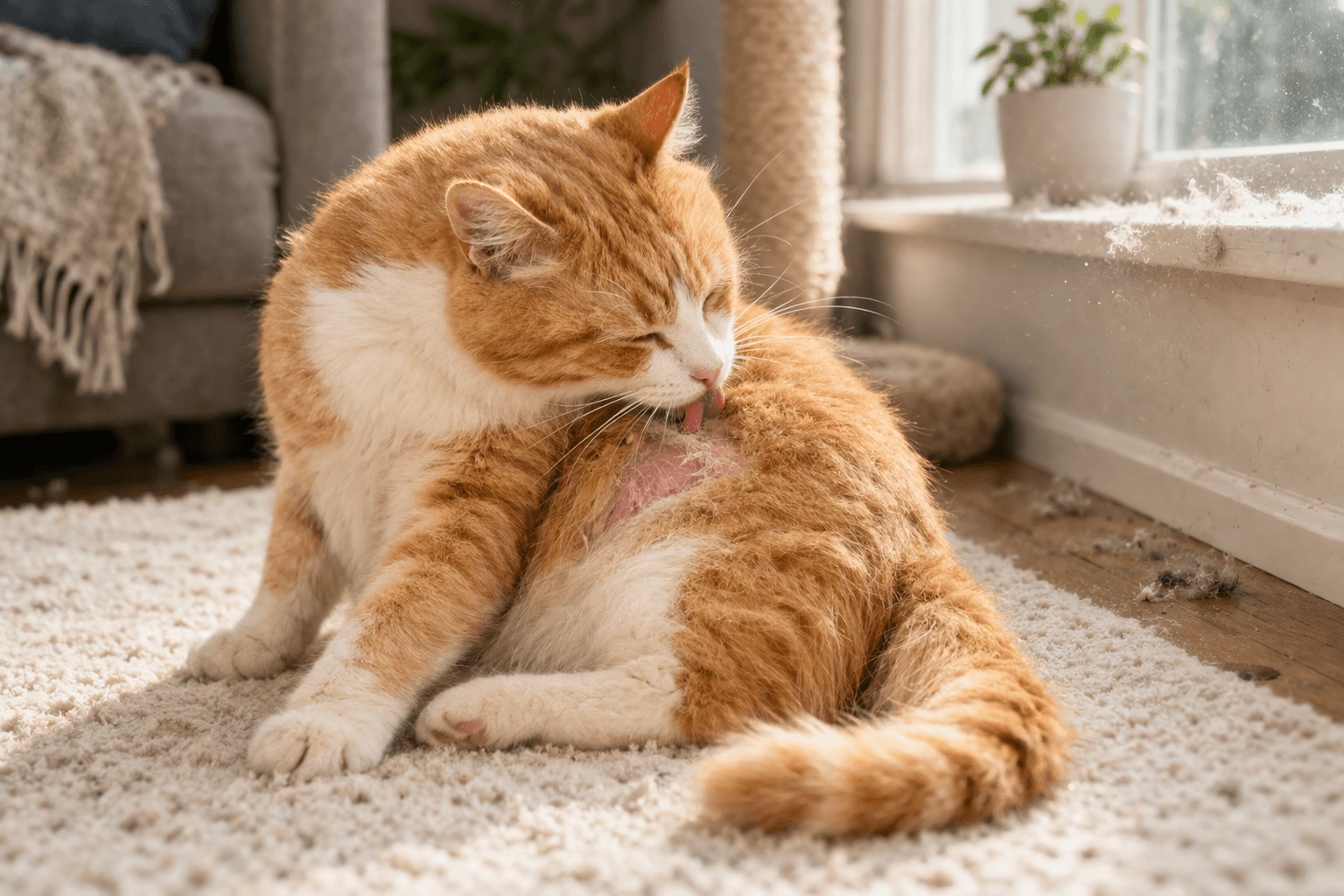
Behavioral changes accompany many cat skin problems. Increased scratching, particularly targeting specific areas repeatedly, signals discomfort. Excessive licking, especially of the belly, flanks, or legs, gradually removes hair. Head shaking or ear scratching suggests ear canal involvement. Some cats become irritable or withdrawn when experiencing chronic discomfort.
Location-specific symptoms narrow diagnostic possibilities. Face and ear crusting commonly occurs with autoimmune conditions or food allergies. Tail base problems strongly suggest flea allergy, even if you haven’t seen fleas—remember, allergic cats react to minimal exposure. Belly and inner thigh lesions often result from contact allergies or atopy (environmental allergies). Paw pad inflammation might indicate pemphigus or plasma cell pododermatitis.
Secondary infections develop when primary conditions damage the skin barrier. Watch for pustules (small pus-filled bumps), foul odors, or sticky discharge—these indicate bacterial colonization requiring specific treatment beyond addressing the original cause.
When Itching Becomes a Medical Emergency
Most cat fur problems develop gradually, but certain situations demand immediate veterinary attention. Sudden, severe swelling of the face, particularly around the eyes or muzzle, might indicate an acute allergic reaction requiring emergency intervention. Rapidly spreading lesions that appear within hours suggest aggressive bacterial infections or rare conditions like toxic epidermal necrolysis.
Self-trauma leading to bleeding wounds needs prompt care to prevent further damage and infection. Cats with intense pruritus (itching) sometimes create deep wounds within hours. Lethargy combined with skin lesions, especially with fever (detected by warm ears or body), indicates systemic involvement rather than isolated skin disease.
Breathing difficulties accompanying skin symptoms could signal anaphylaxis, though extremely rare in cats. Any cat showing labored breathing, pale gums, or collapse requires emergency care regardless of skin condition.
Distinguishing Between Minor Irritation and Infection
Minor irritations typically remain localized, showing mild redness without discharge, crusting, or significant hair loss. The cat might scratch occasionally but continues normal activities like eating, playing, and grooming other body areas. These often resolve within a few days as the irritant clears.
Infections present with progressive worsening despite time passing. You’ll notice increased redness, warmth when touching affected areas, and possibly odor or discharge. The cat may guard the area, preventing you from touching it, or obsessively lick despite the irritation. Hair loss expands rather than remaining static.
A practical rule: if symptoms persist beyond 3-4 days, worsen despite home care, or affect your cat’s quality of life, veterinary evaluation is warranted. Waiting “just a bit longer” allows infections to establish deeper, requiring more aggressive treatment later.
Diagnosing Skin Conditions in Cats
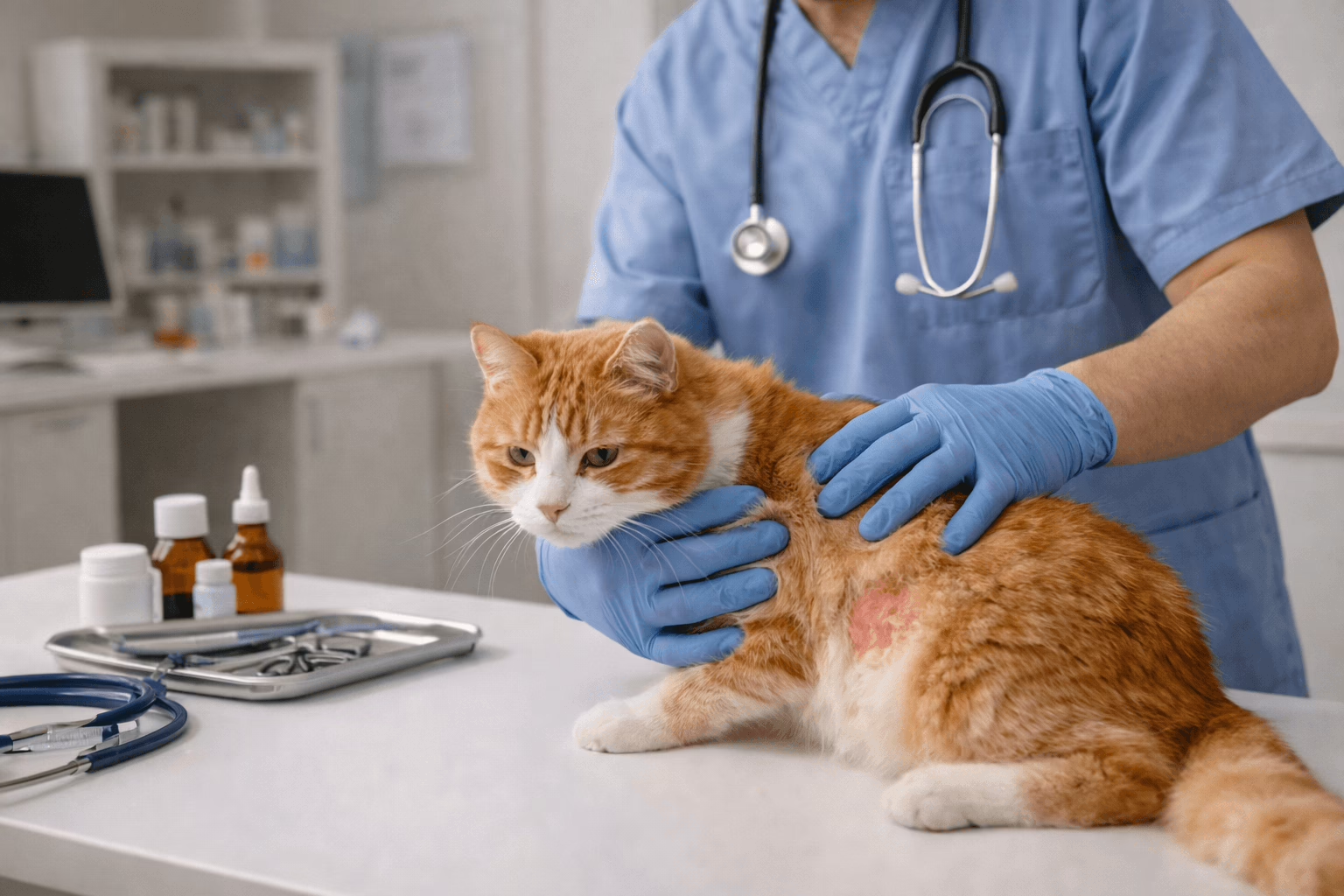
Veterinary dermatologists and general practitioners employ systematic approaches to identify feline skin issues. The examination begins with a thorough history: when symptoms started, their progression, your cat’s diet, environment, other pets, and previous treatments attempted. Seemingly unrelated details—like recent home renovations or new cleaning products—sometimes provide crucial clues.
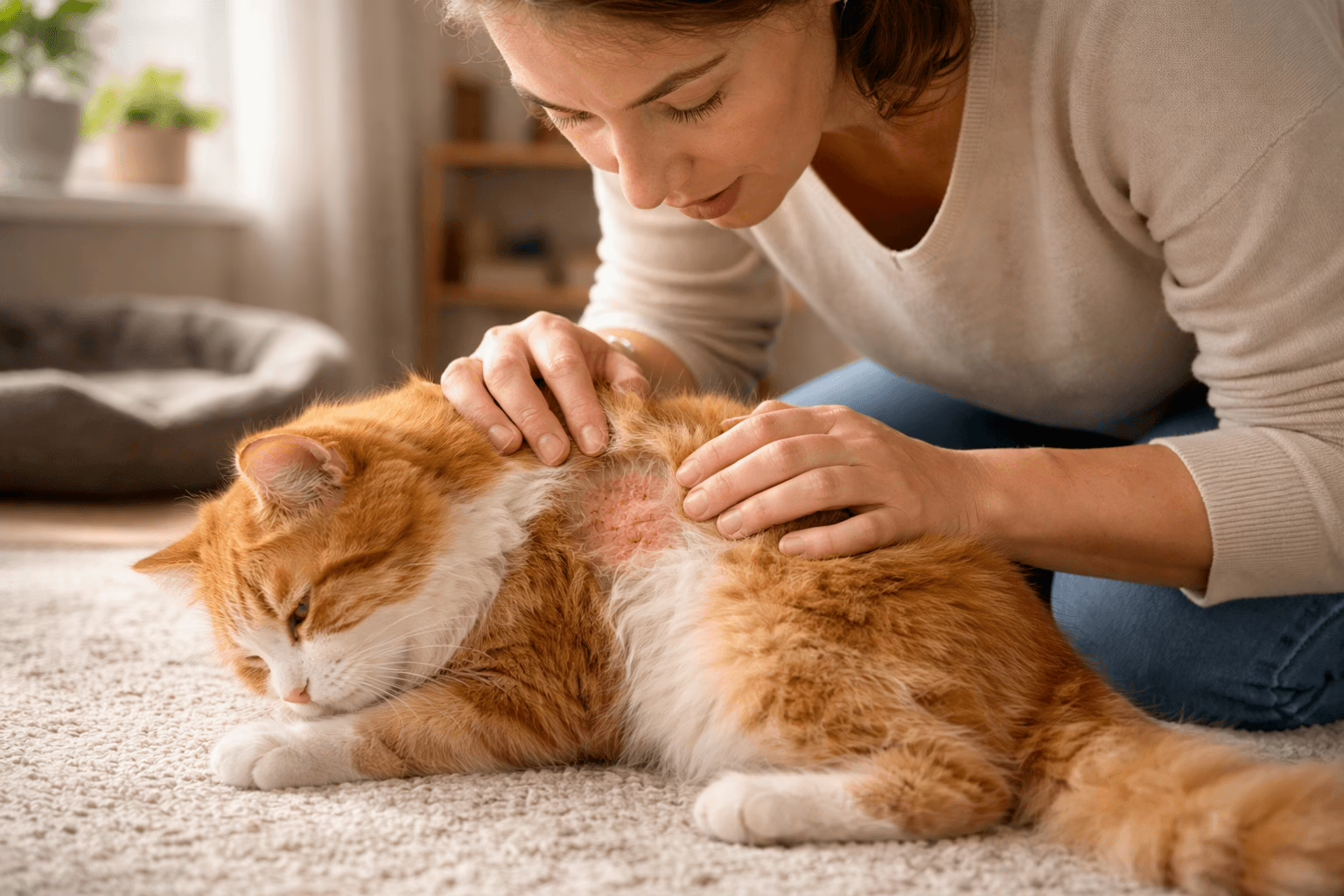
Physical examination assesses the entire skin surface, not just obviously affected areas. Veterinarians note lesion distribution, type, and severity. They check for external parasites using fine-toothed combs, looking for fleas, flea dirt (digested blood appearing as black specks), or mites.
Skin scraping involves gently scraping affected areas with a blade to collect surface cells and potential parasites for microscopic examination. This simple test detects Demodex mites, Cheyletiella mites, and sometimes fungal elements. Deep scrapings reach the level where Demodex mites reside, occasionally causing minor bleeding but providing essential diagnostic information.
Fungal cultures remain the gold standard for diagnosing ringworm. Hair and scale samples are placed on special media and monitored for growth over 10-14 days. Wood’s lamp examination (ultraviolet light) only detects about 50% of ringworm cases, so negative results don’t rule out infection.
Cytology examines cells from skin lesions under a microscope. Impression smears from moist lesions or tape strips from dry areas reveal bacteria, yeast, and inflammatory cells. This quick test guides initial treatment and monitors response.
Early, accurate diagnosis of cat dermatology basics prevents months of ineffective treatment and unnecessary suffering. Many owners try multiple over-the-counter remedies before seeking professional help, but skin conditions rarely resolve without addressing the underlying cause. What appears as a simple rash might actually be the first sign of systemic disease requiring comprehensive management.
Dr. Jennifer Martinez
Allergy testing comes in two forms: intradermal testing (injecting small amounts of allergens under the skin) and blood testing (measuring allergen-specific antibodies). Neither test diagnoses food allergies reliably—elimination diet trials remain necessary for that purpose. These tests help identify environmental allergens for cats receiving immunotherapy (allergy shots).
Biopsy provides definitive diagnosis for unusual, persistent, or suspected autoimmune conditions. Under sedation or anesthesia, veterinarians collect small skin samples for histopathological examination by specialized pathologists. Results take 5-10 days but offer comprehensive information about disease processes.
Elimination diet trials diagnose food allergies by feeding novel proteins (proteins your cat hasn’t eaten before) or hydrolyzed proteins (broken down too small to trigger immune reactions) exclusively for 8-12 weeks. Any treats, flavored medications, or table scraps invalidate the trial. If symptoms improve, individual ingredients are reintroduced to identify specific triggers.
Treatment Options for Different Skin Problems
Treatment strategies depend on accurate diagnosis, addressing both underlying causes and secondary complications. Skin infections cats develop from bacteria respond to antibiotics, though antibiotic resistance is growing concern in veterinary medicine. Culture and sensitivity testing identifies which antibiotics effectively target specific bacterial strains, particularly for recurrent or severe infections. Treatment typically lasts 3-6 weeks, continuing 1-2 weeks beyond visible resolution to prevent relapse.
Antifungal medications treat ringworm through topical applications, oral medications, or both. Lime sulfur dips, though malodorous, effectively kill fungal spores on the hair coat and reduce environmental contamination. Oral antifungals like itraconazole require 6-12 weeks of administration. Environmental decontamination—vacuuming, washing bedding in hot water, disinfecting surfaces with dilute bleach—prevents reinfection.
Antiparasitic treatments have evolved significantly. Modern flea preventatives combine quick kill with residual activity, breaking flea life cycles. For flea-allergic cats, strict year-round prevention is non-negotiable—even indoor cats benefit, as fleas hitchhike indoors on clothing or other pets. Treating all household pets simultaneously prevents cross-infestation.
Anti-inflammatory medications reduce itching and inflammation. Corticosteroids work rapidly and cost-effectively but carry side effects with long-term use, including increased thirst, urination, appetite, and potential diabetes. Newer medications like oclacitinib (though primarily developed for dogs, sometimes used off-label in cats) target specific itch pathways with fewer systemic effects.
Immunotherapy (allergy shots) offers long-term management for environmental allergies. After identifying specific allergens through testing, customized injections gradually desensitize the immune system. Success rates reach 60-70%, with improvement typically appearing after 6-12 months. Sublingual immunotherapy (drops under the tongue) provides an alternative to injections.
Dietary management addresses food allergies and supports skin health. Novel protein diets use unusual meat sources like venison, duck, or rabbit. Hydrolyzed diets break proteins into fragments too small for immune recognition. Omega-3 fatty acid supplementation from fish oil reduces inflammation and improves coat quality, though effects take 6-8 weeks to become apparent.
Topical treatments soothe affected areas and deliver medication directly. Medicated shampoos containing chlorhexidine or benzoyl peroxide treat bacterial infections and remove surface debris. Moisturizing sprays and mousse products hydrate dry, flaky skin. Spot treatments with antibiotic or antifungal creams address localized lesions, though cats’ grooming behavior limits their practical use.
Environmental modifications reduce allergen exposure. HEPA air filters capture airborne particles, while regular vacuuming removes dust mites and pollen from carpets and furniture. Washing cat bedding weekly in hot water kills mites and removes accumulated allergens. Wiping your cat with damp cloths after outdoor exposure removes pollen before grooming distributes it across the coat.
Stress reduction techniques help psychogenic cases. Environmental enrichment—climbing structures, puzzle feeders, regular play sessions—provides mental stimulation. Pheromone diffusers create calming environments. Some cats benefit from anti-anxiety medications when behavioral modifications alone prove insufficient.
Preventing Skin and Fur Problems in Cats
Proactive measures significantly reduce skin condition incidence. Regular grooming removes loose hair, distributes natural oils, and allows early problem detection. Short-haired cats benefit from weekly brushing, while long-haired breeds require daily attention to prevent matting. Mats trap moisture against skin, creating bacterial breeding grounds.
Parasite prevention should continue year-round, even for strictly indoor cats. Fleas survive in heated homes during winter, and gaps in prevention allow populations to establish. Modern products are safe and effective—consult your veterinarian about options appropriate for your cat’s age, weight, and health status.
Nutrition directly impacts skin health. High-quality proteins provide amino acids for skin cell production and hair growth. Essential fatty acids, particularly omega-3s from fish sources, maintain skin barrier function and reduce inflammation. Avoid frequent diet changes—cats’ digestive systems prefer consistency, and unnecessary switching increases food sensitivity risks.
Maintaining healthy weight prevents skin fold dermatitis in overweight cats. Excess skin folds trap moisture and debris, fostering bacterial and yeast growth. Weight loss through portion control and increased activity improves overall health while reducing skin problem risks.
Routine veterinary examinations catch problems early. Annual wellness visits for young to middle-aged cats and twice-yearly visits for seniors allow veterinarians to identify subtle changes before they become obvious. Many skin conditions show early signs visible to trained eyes but missed by owners during daily interactions.
Stress management prevents psychogenic alopecia. Maintain consistent routines when possible, provide adequate resources (litter boxes, food bowls, resting spots) in multi-cat households, and introduce changes gradually. Cats thrive on predictability—sudden disruptions trigger anxiety manifesting as excessive grooming.
Indoor environmental control limits allergen exposure. Keep windows closed during high pollen seasons, use air conditioning with HEPA filters, and maintain moderate humidity levels (30-50%) to discourage dust mites and mold growth. Regular HVAC filter changes reduce airborne allergens circulating through your home.
FAQs
Certain feline skin conditions transmit to humans, while others remain species-specific. Ringworm readily spreads from cats to people, particularly children and immunocompromised individuals, causing circular, itchy rashes. Some external parasites like Cheyletiella mites temporarily bite humans, creating itchy bumps that resolve once the cat receives treatment. However, most bacterial skin infections, allergies, and autoimmune conditions affecting cats don’t transfer to humans. Practice good hygiene—wash hands after handling affected cats, avoid direct contact with lesions, and seek medical advice if you develop skin changes after exposure.
Healing timeframes vary dramatically depending on the condition and treatment compliance. Minor irritations might resolve within days, while bacterial infections typically improve within 2-3 weeks of appropriate antibiotic therapy, though treatment continues 3-6 weeks total. Ringworm requires 6-12 weeks of antifungal treatment before cure. Allergic conditions need ongoing management rather than “healing”—symptoms improve with treatment but recur without continued control. Autoimmune diseases require lifelong management with periodic flare-ups. Food allergy symptoms improve within 4-8 weeks of strict diet elimination, though reintroducing trigger foods causes immediate relapse.
Breed predispositions exist for specific conditions. Persian and Himalayan cats develop seborrhea (excessive skin oil production) and face fold dermatitis more frequently due to their facial structure. Sphynx cats, lacking protective hair coats, experience more skin injuries and require regular bathing to remove accumulated oils. Devon Rex and Cornish Rex breeds show higher rates of Malassezia yeast infections. Siamese and related breeds demonstrate increased food allergy incidence. However, mixed-breed cats develop skin problems too—breed alone doesn’t determine risk, though it influences likelihood for certain conditions.
Limited home remedies offer safe, temporary relief while awaiting veterinary care, but none substitute for professional diagnosis. Plain, unflavored oatmeal baths (colloidal oatmeal specifically formulated for pets) soothe irritated skin without medication. Cool compresses applied to inflamed areas reduce swelling and discomfort temporarily. Preventing scratching through Elizabethan collars stops self-trauma. However, avoid applying human products—many contain ingredients toxic to cats. Never use tea tree oil, essential oils, hydrocortisone creams, or hydrogen peroxide without veterinary approval. Home remedies occasionally mask symptoms without addressing underlying causes, delaying appropriate treatment and allowing conditions to worsen.
Treatment costs vary widely based on condition complexity and geographic location. Simple bacterial infections might cost $150-300 including examination, cytology, and antibiotics. Ringworm treatment ranges $200-500 when including fungal culture, oral medications, and topical treatments. Allergy testing costs $300-600, with immunotherapy adding $50-150 monthly initially, decreasing over time. Chronic allergy management through medications and diet might run $50-200 monthly indefinitely. Autoimmune disease treatment, requiring immunosuppressive drugs and regular monitoring bloodwork, can exceed $200-400 monthly. Diagnostic workups for complex cases involving multiple tests may reach $500-1,000 before treatment begins. Pet insurance often covers skin conditions, though pre-existing conditions face exclusions.
Seek veterinary care when symptoms persist beyond 3-4 days, progressively worsen, or significantly affect your cat’s quality of life. Immediate attention is necessary for rapidly spreading lesions, facial swelling, bleeding wounds from self-trauma, or skin changes accompanied by lethargy, appetite loss, or fever. Don’t wait if you notice hair loss exceeding normal shedding, foul odors from skin, discharge or oozing, or behavioral changes like hiding or aggression related to skin discomfort. Cats instinctively hide illness, so visible symptoms often indicate problems have progressed beyond early stages. Earlier intervention typically means simpler, less expensive treatment with better outcomes.
Cat skin problems encompass diverse conditions requiring accurate diagnosis and targeted treatment. While some issues resolve quickly with appropriate care, others demand long-term management strategies. Recognizing symptoms early, seeking professional veterinary evaluation, and maintaining preventive measures significantly improve outcomes and your cat’s comfort. The relationship between skin health and overall wellbeing runs deeper than surface appearance—persistent skin conditions sometimes signal systemic diseases requiring comprehensive care. By understanding common cat skin conditions, their causes, and available treatments, you’re better equipped to advocate for your cat’s health and respond appropriately when problems arise. Remember that effective treatment depends on addressing underlying causes rather than just managing visible symptoms, and patience throughout the diagnostic and treatment process ultimately serves your cat’s best interests.