
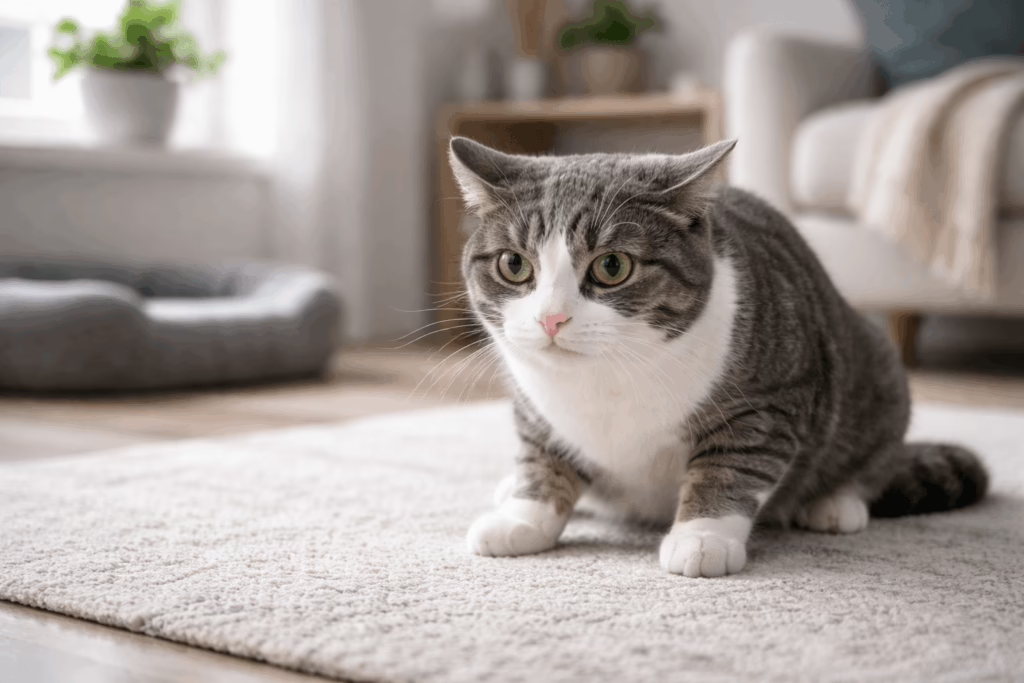
Stress doesn’t just make your cat uncomfortable—it can trigger serious medical conditions that reduce quality of life and longevity. Unlike humans who can verbalize discomfort, cats mask illness and distress as a survival instinct, making it critical for owners to recognize how chronic anxiety manifests in physical and behavioral symptoms. Understanding the stress impact on cats helps you intervene before temporary anxiety becomes a permanent health crisis.
How Stress Impacts Your Cat’s Physical Health
When your cat perceives a threat, their body releases cortisol and adrenaline—hormones designed for short-term survival. During acute stress, heart rate increases, pupils dilate, and blood redirects to muscles for the classic fight-or-flight response. This system works perfectly for escaping predators but causes damage when activated daily by household stressors like territorial disputes or unpredictable schedules.
Chronic cortisol elevation suppresses immune function by reducing white blood cell production and antibody response. A stressed cat becomes vulnerable to infections they’d normally fight off, from upper respiratory viruses to bacterial skin infections. Veterinarians frequently observe that cats in multi-pet households with ongoing conflict develop recurrent health issues that resolve once the social dynamic improves.
The digestive system shows immediate stress responses. Blood flow diverts away from the gastrointestinal tract during anxiety episodes, slowing digestion and altering gut bacteria composition. Many cats develop stress-induced vomiting, diarrhea, or constipation. Owners often mistake these symptoms for dietary issues, switching foods repeatedly without addressing the underlying feline stress health issues causing the digestive upset.
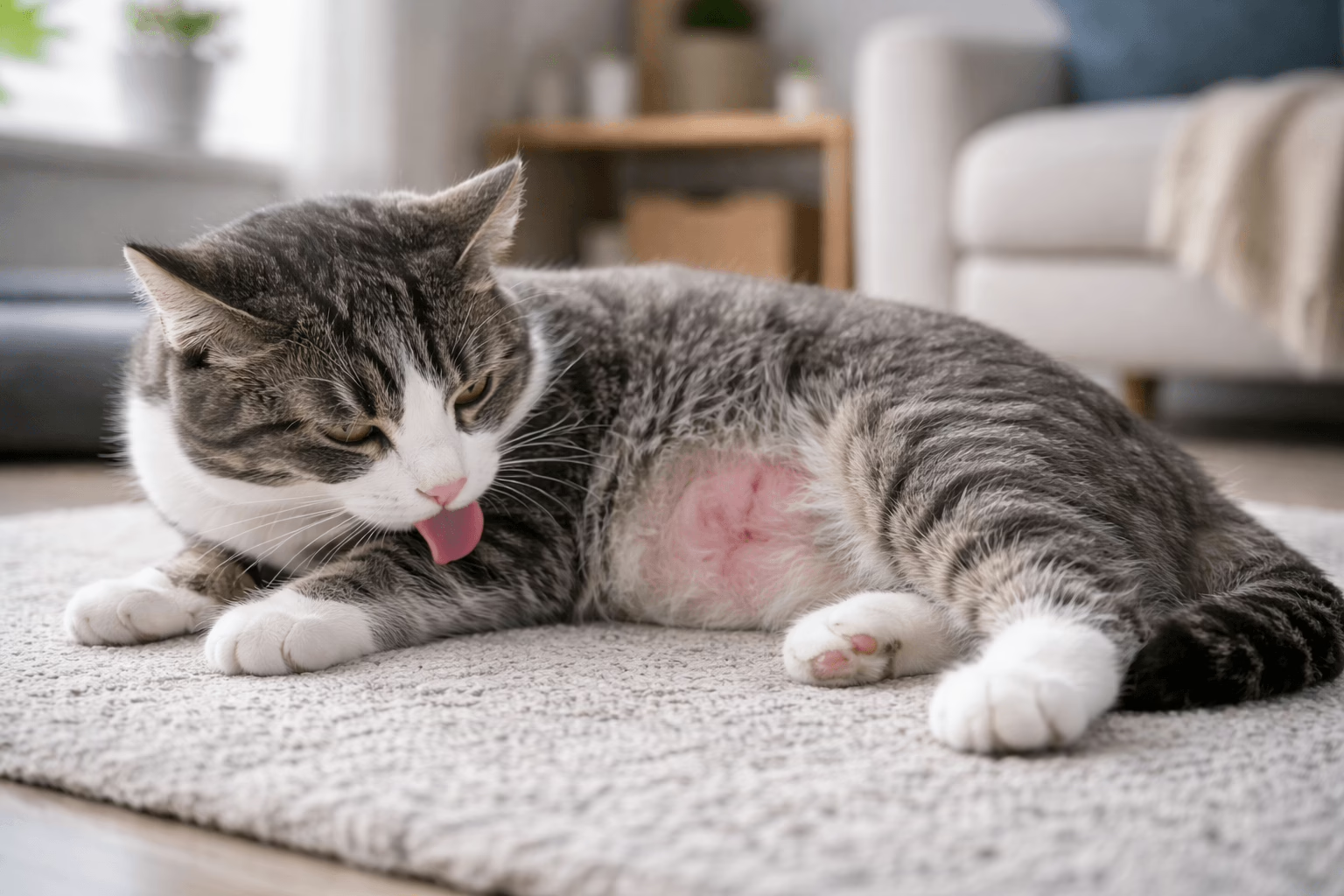
Skin conditions emerge as stress hormones trigger inflammatory responses. Over-grooming becomes both a coping mechanism and a health problem—cats lick themselves bald, creating hot spots and secondary bacterial infections. Others develop stress-induced acne on their chins or psychogenic alopecia (hair loss from excessive grooming) on their bellies and inner thighs.
Weight fluctuates in stressed cats, though the direction varies by individual. Some lose appetite entirely, dropping pounds quickly and risking hepatic lipidosis (fatty liver disease) if they stop eating for more than 48 hours. Others become stress-eaters, consuming excessive calories and developing obesity with its associated risks: diabetes, arthritis, and cardiovascular strain.
Mental and Behavioral Health Changes From Feline Stress
Cat anxiety health encompasses more than nervousness—it represents genuine psychiatric conditions affecting brain chemistry. Chronic stress depletes serotonin and dopamine, neurotransmitters regulating mood and behavior. Anxious cats may develop generalized anxiety disorder, showing constant hypervigilance, startling easily, and never fully relaxing even in safe environments.
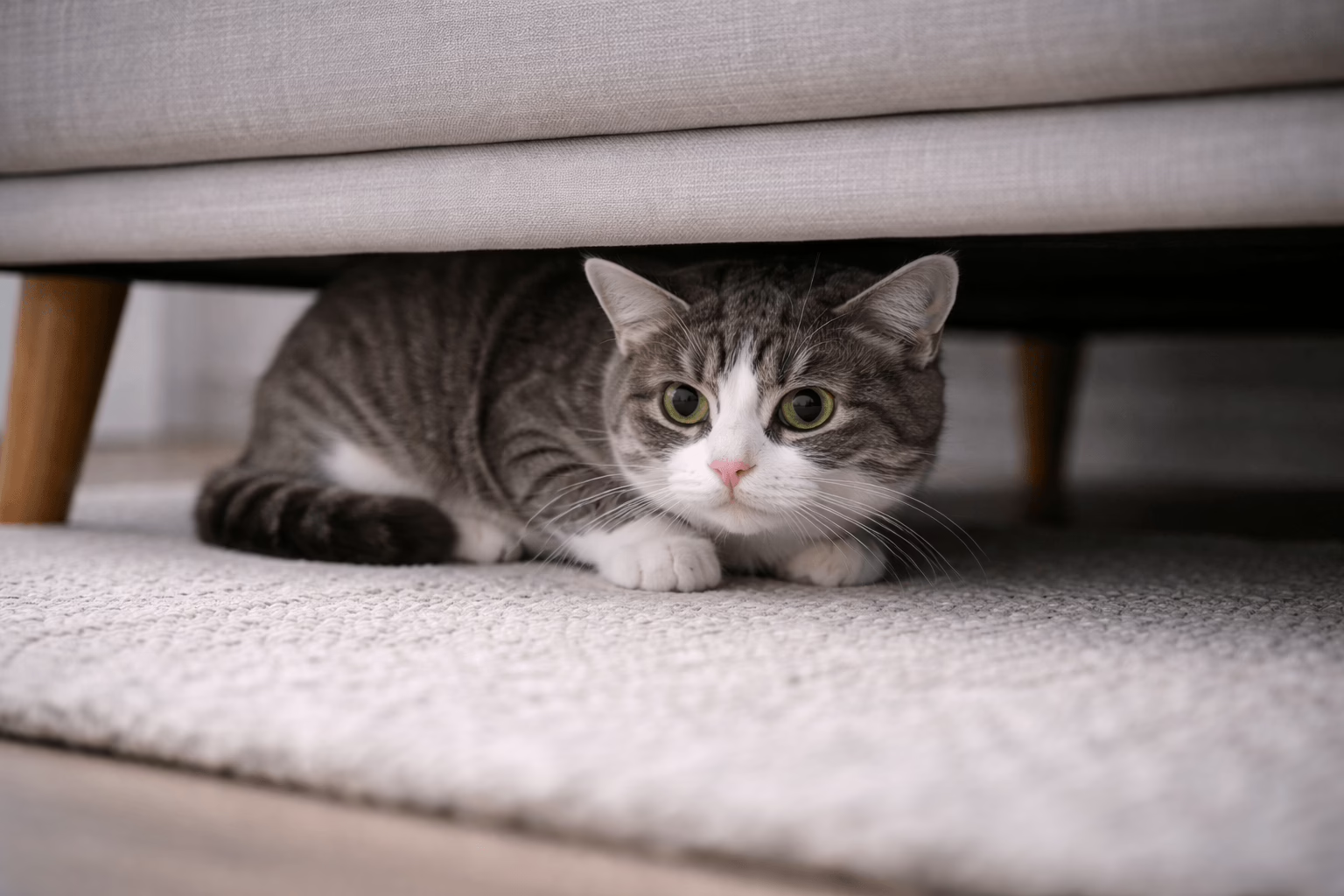
Depression in cats looks different than in humans but is equally debilitating. Affected cats withdraw socially, stop grooming, lose interest in play, and sleep excessively. One client’s cat stopped greeting family members at the door after a household move, spending entire days hidden under a bed—classic depressive behavior stemming from environmental upheaval.
Aggression often signals cat emotional health problems rather than “meanness.” Redirected aggression occurs when a cat, stressed by something they can’t access (an outdoor cat visible through a window), attacks a nearby housemate or human. Fear-based aggression develops when cats feel cornered or threatened, often in homes with insufficient escape routes or too many forced interactions.
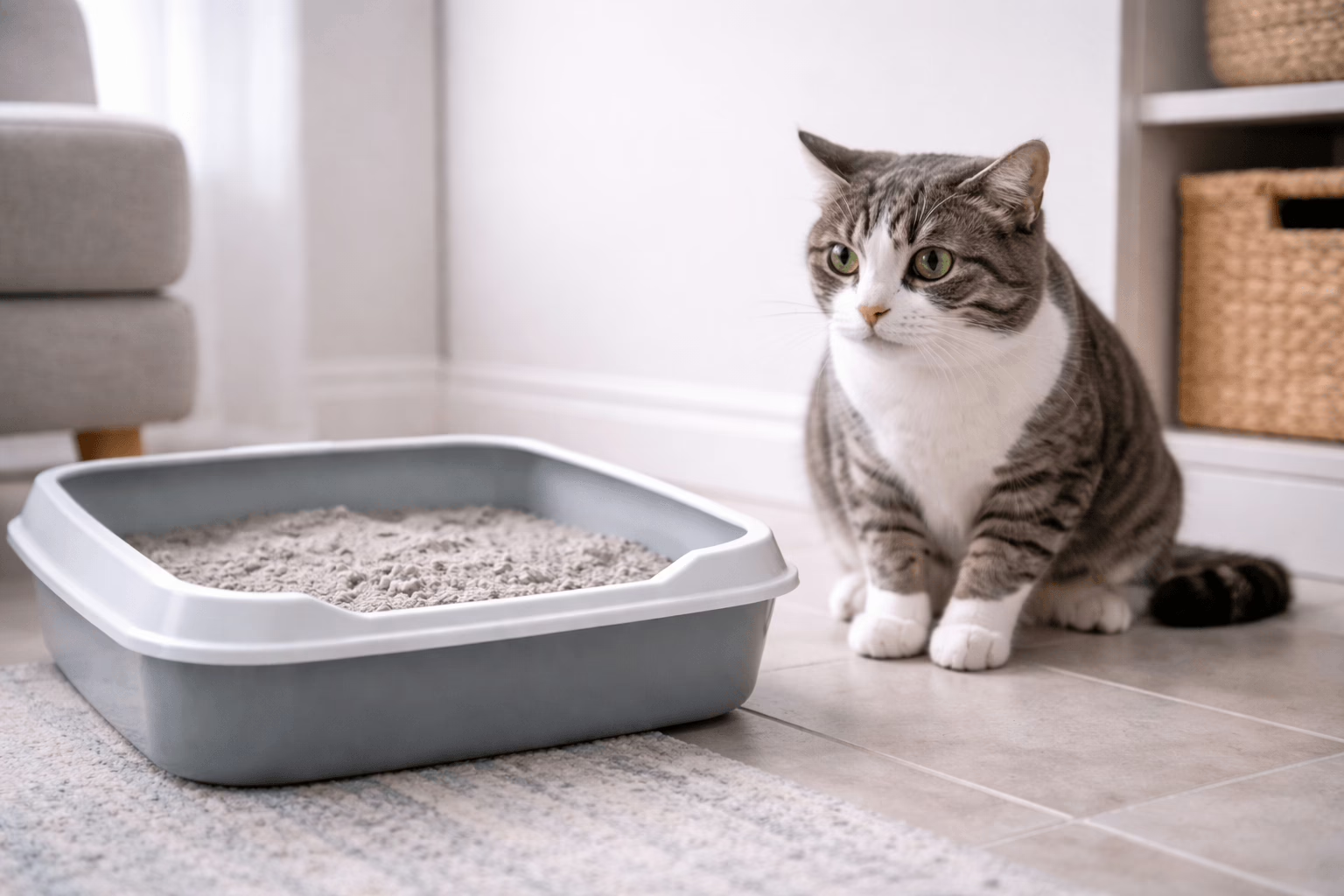
Litter box avoidance ranks among the most frustrating stress behaviors. The cat behavior health link here is straightforward: cats associate the litter box with vulnerability, and stressed cats avoid locations where they feel exposed. Territorial stress in multi-cat homes frequently causes this issue, with subordinate cats eliminating in hidden spots rather than risk confrontation at the box.
Compulsive behaviors represent severe anxiety manifestations. Cats may pace repetitively, vocalize excessively at night, chase invisible prey, or perform ritualized grooming sequences. These behaviors self-soothe temporarily but indicate the cat’s coping mechanisms are overwhelmed.
Common Stress Symptoms That Signal Health Problems
Early Warning Signs
Subtle changes often precede obvious illness. A cat who suddenly prefers sleeping in closets instead of their usual sunny spot may be seeking security from a new stressor. Decreased grooming—a dull, unkempt coat—suggests the cat feels too anxious to perform normal maintenance behaviors.
Appetite changes happen early. Some cats graze nervously, eating small amounts frequently rather than finishing meals. Others become finicky, refusing previously enjoyed foods. Pay attention to eating location changes too; a cat who stops eating in the kitchen but sneaks food at night may be avoiding another pet or household activity.
Increased vocalization, especially in previously quiet cats, signals distress. Yowling at night, excessive meowing when alone, or unusual crying sounds all warrant investigation. Senior cats sometimes vocalize due to cognitive decline, but stress symptoms cats health problems occur at any age.
Hiding behavior escalates with stress levels. While cats naturally seek enclosed spaces, a cat spending more than 50% of waking hours hidden has moved beyond normal behavior into problematic anxiety.
Severe Stress Indicators
Respiratory changes—panting, rapid breathing, or open-mouth breathing—indicate extreme stress or medical emergency. Cats rarely pant like dogs; this symptom demands immediate veterinary attention.
Self-mutilation through excessive licking creates raw, bleeding skin. Some cats bite their tails or flanks, causing significant tissue damage. This level of compulsive behavior requires both medical treatment for wounds and behavioral intervention for the underlying anxiety.
Complete loss of appetite lasting more than 24 hours is critical, especially in overweight cats. Stress-induced anorexia can trigger hepatic lipidosis within days, a potentially fatal condition where fat accumulates in the liver.
Inappropriate urination accompanied by blood, straining, or frequent trips to the box suggests feline lower urinary tract disease (FLUTD), often stress-triggered. This constitutes a medical emergency, particularly in male cats who can develop life-threatening blockages.
Medical Conditions Linked to Chronic Cat Stress
Feline lower urinary tract disease (FLUTD) encompasses several conditions, with feline idiopathic cystitis (FIC) being the most stress-related. Studies show that 50-70% of cats with recurrent urinary issues have FIC, characterized by bladder inflammation without infection. Stress triggers neurogenic inflammation—the nervous system directly causes tissue swelling and pain. Affected cats strain to urinate, produce bloody urine, and may develop complete urethral obstruction requiring emergency catheterization.
Inflammatory bowel disease (IBD) involves chronic gastrointestinal inflammation that stress exacerbates. While IBD has multiple causes, stress intensifies symptoms: chronic diarrhea, vomiting, weight loss, and poor nutrient absorption. The gut-brain axis means psychological stress directly impacts intestinal inflammation and motility.
Upper respiratory infections recur in stressed cats because cortisol suppresses immune surveillance. Herpesvirus, which 80-90% of cats carry dormantly, reactivates during stress periods, causing conjunctivitis, nasal discharge, and ulcers. Catteries and shelters see frequent outbreaks correlating with overcrowding and social stress.
Heart disease, particularly hypertrophic cardiomyopathy (HCM), worsens under stress. While HCM is genetic, stress-induced hypertension and increased cardiac workload can accelerate disease progression. Some cats experience stress cardiomyopathy, a condition where extreme anxiety causes temporary heart dysfunction.
Diabetes management becomes nearly impossible in chronically stressed cats. Cortisol raises blood glucose levels, creating insulin resistance. Diabetic cats in stressful environments require higher insulin doses and experience more frequent crises. Conversely, stress reduction sometimes allows dose reduction or even remission in early cases.
The connection between chronic stress and physical illness in cats is undeniable. We’re seeing mounting evidence that environmental enrichment and stress reduction aren’t just ‘nice to have’—they’re essential preventive medicine that can reduce veterinary costs and extend lifespan.
Dr. Sarah Chen
| Condition | Primary Symptoms | Severity Level | Typical Treatment Approach |
|---|---|---|---|
| Feline Idiopathic Cystitis (FIC) | Bloody urine, straining, frequent urination | Moderate to Severe | Environmental modification, pain management, anti-anxiety medication, increased water intake |
| Stress-Induced Vomiting/Diarrhea | Intermittent GI upset, hairballs, loose stool | Mild to Moderate | Dietary management, probiotics, stress reduction, anti-nausea medication |
| Psychogenic Alopecia | Hair loss from over-grooming, skin lesions | Mild to Moderate | Behavioral modification, environmental enrichment, possible anti-anxiety medication |
| Stress Cardiomyopathy | Rapid breathing, lethargy, decreased appetite | Severe | Emergency stabilization, cardiac medications, complete stress elimination |
| Recurrent Upper Respiratory Infections | Sneezing, eye discharge, nasal congestion | Mild to Moderate | Antiviral medications, immune support, stress reduction, environmental optimization |
Environmental and Lifestyle Stress Triggers
Moving homes ranks among the most severe stressors, disrupting territorial security and familiar scent markers. Cats need 2-4 weeks to fully adjust to new environments, and some develop lasting anxiety if the transition isn’t managed carefully. Keep one room initially familiar with their belongings before gradually expanding access.
New pets—whether cats, dogs, or other animals—challenge established hierarchies and territorial boundaries. The stress impact on cats intensifies when introductions happen too quickly. Proper introduction protocols spanning 2-3 weeks allow gradual scent exchange and visual acclimation before physical contact.
Schedule disruptions affect cats more than owners realize. Cats thrive on routine; they anticipate feeding times, play sessions, and sleep schedules. A owner switching from day to night shifts, frequent travel, or irregular work hours creates unpredictability that elevates baseline anxiety.
Lack of environmental enrichment causes chronic understimulation stress. Indoor cats without vertical space, hiding spots, scratching surfaces, and interactive play opportunities develop anxiety and depression. The minimum recommendation includes three vertical perches, two hiding boxes, and 15 minutes of daily interactive play per cat.
Multi-cat households generate complex social stress, especially when cats lack choice in interactions. Insufficient resources—fewer litter boxes, food bowls, or resting spots than cats—force competition and conflict. The rule of thumb is one resource per cat plus one extra, distributed throughout the home to prevent guarding behavior.
Construction noise, household renovations, or frequent visitors create unpredictable auditory and social stress. Cats with limited escape options in small apartments face intensified anxiety during these periods.
When to Consult Your Veterinarian About Cat Stress
Any behavior change lasting more than 48 hours warrants veterinary evaluation. What appears as stress behavior might actually indicate pain, neurological issues, or metabolic disease. A cat hiding constantly could have arthritis making movement painful, not just anxiety.
Urinary symptoms require same-day veterinary attention. Male cats straining without producing urine need emergency care within hours—complete obstruction causes kidney failure and death within 24-72 hours. Even female cats with bloody urine or frequent box trips need prompt evaluation.
Appetite loss exceeding 24 hours, especially with lethargy or vomiting, demands immediate assessment. Cats can’t safely fast like dogs; prolonged anorexia causes hepatic lipidosis, particularly in overweight individuals.
Self-trauma—bleeding from over-grooming, bite wounds from self-mutilation, or raw skin patches—requires both medical treatment and behavioral intervention. Your veterinarian may prescribe pain relief, antibiotics for secondary infections, and anti-anxiety medication while you address environmental triggers.
Diagnostic approaches for cat anxiety health typically include physical examination to rule out medical causes, bloodwork assessing organ function and hormone levels, and urinalysis for cats with elimination issues. Some veterinarians use behavioral questionnaires to identify specific stressors and measure treatment progress.
Treatment options range from environmental modification (always first-line) to pharmacological intervention. Pheromone diffusers like Feliway can reduce general anxiety. Prescription medications—fluoxetine, gabapentin, or trazodone—help severe cases. Nutraceuticals including L-theanine, alpha-casozepine, and CBD products show promise, though research remains limited.
Veterinary behaviorists offer specialized expertise for complex cases. These board-certified specialists develop comprehensive treatment plans addressing medical, behavioral, and environmental factors. Referral makes sense when standard interventions fail or when aggression poses safety risks.
FAQs
Yes, chronic stress demonstrably reduces lifespan through multiple mechanisms. Sustained cortisol elevation damages cardiovascular, immune, and metabolic systems. Studies on shelter cats show those in high-stress environments have significantly higher mortality rates from infectious disease and organ failure. While exact numbers vary by individual, reducing chronic stress likely adds 1-3 years to a cat’s life expectancy by preventing stress-related diseases and supporting immune function.
Timeline varies by stressor intensity and individual resilience. Acute severe stress—like a dog attack—can trigger stress cardiomyopathy within hours. Moderate ongoing stress typically produces observable health changes within 2-4 weeks: weight loss, digestive upset, or upper respiratory symptoms. Chronic low-grade stress may take months to manifest as diagnosable conditions like FLUTD or IBD, though subtle behavioral changes appear much earlier.
Many stress-induced conditions improve substantially with stressor removal and appropriate treatment. Psychogenic alopecia resolves as hair regrows once over-grooming stops. Stress-induced cystitis episodes decrease in frequency with environmental modification. However, some conditions cause permanent changes—chronic IBD may improve but rarely completely resolves, and repeated FIC episodes can cause bladder scarring. Early intervention dramatically improves reversibility odds.
Not necessarily. While indoor cats avoid outdoor dangers (predators, vehicles, territorial fights), they face different stressors: boredom, lack of choice, forced proximity to incompatible cats, and insufficient enrichment. Well-managed indoor environments with adequate stimulation produce lower stress than outdoor life, but poorly designed indoor spaces create chronic anxiety. The key is environmental quality, not simply indoor versus outdoor status.
Breed differences exist but individual variation exceeds breed tendencies. Ragdolls and Maine Coons generally show more relaxed temperaments, while Siamese and Bengals tend toward higher anxiety and sensitivity. However, a well-socialized, confident Siamese handles stress better than an under-socialized Ragdoll. Early socialization (2-7 weeks of age), genetics, and life experiences matter more than breed alone.
Normal anxiety involves temporary behavioral changes resolving within hours once the stressor passes—hiding during a thunderstorm, then emerging to eat. Health emergencies include respiratory distress (panting, open-mouth breathing), complete urinary obstruction (straining without urine production), seizures, collapse, or uncontrolled bleeding from self-trauma. When in doubt, err toward veterinary consultation—cats hide illness effectively, and “waiting to see” often allows treatable conditions to become critical.
Recognizing feline stress health issues early prevents minor anxiety from escalating into chronic medical conditions. The cat behavior health link means every behavioral change potentially signals underlying health problems, whether purely stress-induced or stress-exacerbated medical disease. Most stress-related conditions respond well to environmental modification combined with veterinary treatment when needed.
Start by auditing your cat’s environment: count resources, identify potential conflict points in multi-cat homes, and evaluate daily enrichment opportunities. Small changes—adding vertical space, establishing predictable routines, or creating separate feeding stations—often produce dramatic improvements in cat emotional health.
Monitor your cat’s baseline behavior so you notice subtle changes quickly. Weekly weight checks, daily appetite observation, and attention to litter box habits help you catch problems early when they’re most treatable. Partner with a veterinarian who takes behavioral concerns seriously and is willing to investigate stress-related causes alongside medical diagnostics.
Remember that stress reduction isn’t optional pampering—it’s preventive medicine that protects your cat from painful, expensive, and potentially life-threatening conditions. The investment in proper environmental setup, regular enrichment, and prompt attention to behavioral changes pays dividends in quality of life and longevity for your feline companion.