
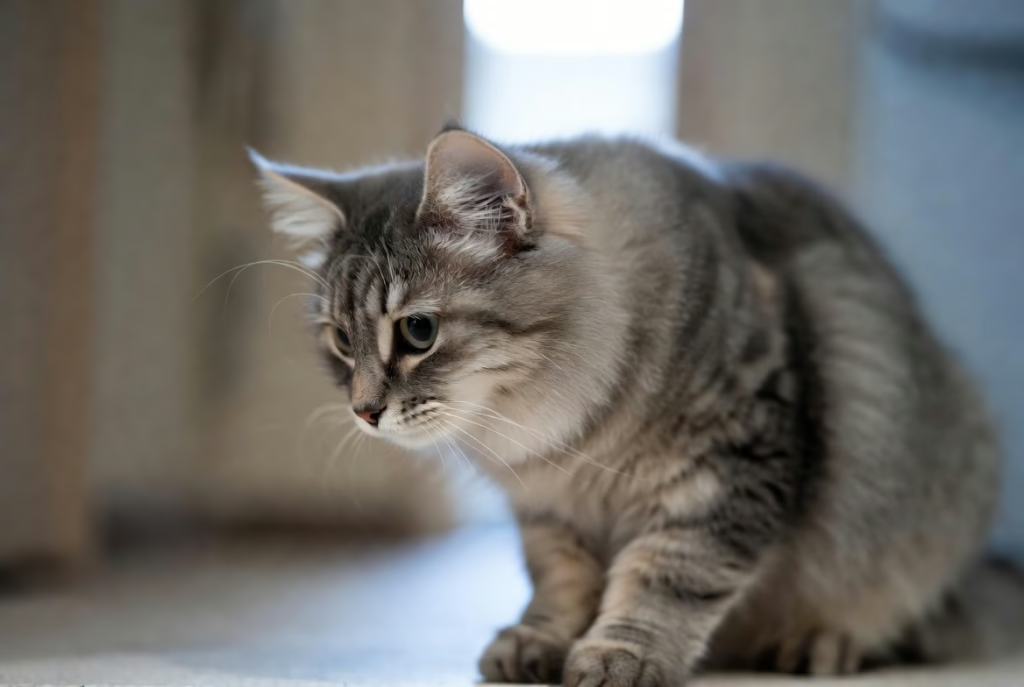
Cats hide discomfort remarkably well. This survival instinct, inherited from their wild ancestors, means your cat might be suffering silently while appearing perfectly fine. Recognizing the subtle shifts in behavior and physical presentation can mean the difference between a minor issue and a chronic health problem.
Stress affects cats differently than dogs or humans. Where a stressed dog might pace or whine, a stressed cat often becomes quieter, more withdrawn, or develops seemingly unrelated physical symptoms. Understanding these signals helps you intervene before stress compounds into serious behavioral or medical issues.
How to Tell If Your Cat Is Stressed
Normal cat behavior includes periods of activity and rest, curiosity about their environment, regular eating patterns, and consistent social interaction based on their personality. A relaxed cat moves fluidly, maintains their grooming routine without obsession, and engages with their surroundings at their own pace.
Stressed behavior deviates from your cat’s baseline. A typically social cat who suddenly avoids contact shows a clear shift. A cat who always greets you at the door but now stays hidden signals something’s wrong. The key is knowing what’s normal for your specific cat, not comparing them to generic breed descriptions or other cats.
Feline stress indicators matter because chronic stress suppresses immune function, triggers urinary problems, and can lead to aggressive behavior that damages the human-animal bond. Cats under prolonged stress develop cystitis, overgrooming injuries, and digestive issues. Early recognition prevents escalation.
Watch for changes that persist beyond a day or two. A single episode of hiding during a thunderstorm differs from a week of avoiding the living room. Duration and intensity separate temporary reactions from genuine stress responses requiring intervention.
Physical Cat Stress Signs
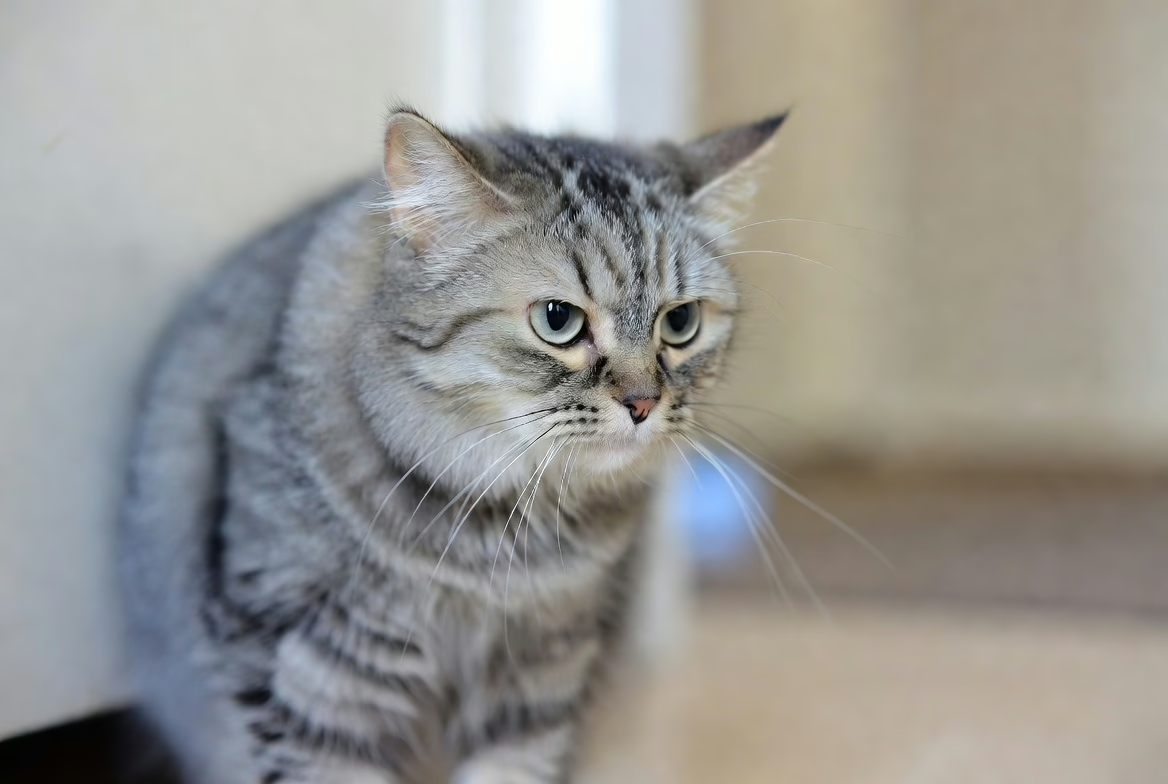
Body language reveals stress before behavioral problems emerge. Flattened ears pressed sideways or backward indicate fear or anxiety. A tail tucked tightly against the body or thrashing violently shows agitation. Dilated pupils in normal lighting conditions signal heightened arousal or fear. A crouched posture with weight shifted backward suggests your cat is preparing to flee or feels threatened.
Piloerection—when the fur along the spine and tail stands up—makes cats appear larger when frightened. This involuntary response accompanies significant stress. A cat with “Halloween cat” posture isn’t playing; they’re genuinely distressed.
Excessive grooming creates bald patches, typically on the belly, inner thighs, or flanks. Unlike grooming for cleanliness, stress-induced grooming becomes repetitive and focused on specific areas. The skin underneath may look irritated or develop sores. Some cats groom until they create painful lesions that require medical treatment.
Appetite changes manifest as either refusing food or stress-eating. A cat who normally finishes meals but suddenly picks at food shows emotional distress. Conversely, some cats eat more when anxious, though this is less common. Weight loss over several weeks often accompanies chronic stress, even when food is available.
Litter box issues rank among the most common physical stress signs. Cats may urinate outside the box, defecate in unusual locations, or strain without producing waste. Stress-induced cystitis causes frequent trips to the litter box with little output. Blood in urine or crying while eliminating requires immediate veterinary attention, as stress can trigger life-threatening urinary blockages in male cats.
Vomiting or diarrhea without dietary changes suggests stress affecting the digestive system. Cats with sensitive stomachs often develop loose stools when anxious. Hairballs may increase due to excessive grooming combined with digestive upset.
Behavioral Changes That Signal Cat Anxiety
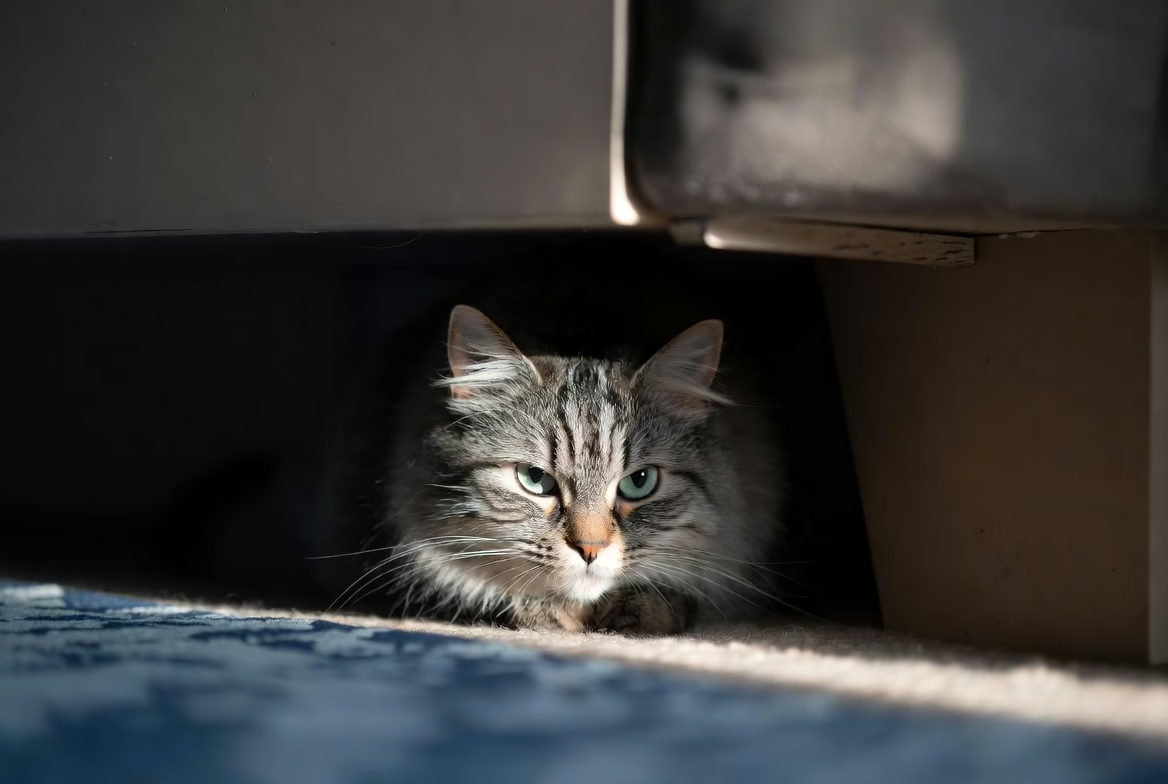
Hiding becomes problematic when it’s constant rather than occasional. A cat who spends entire days under the bed or behind furniture is avoiding something specific. They might emerge only when the house is completely quiet, typically late at night. This withdrawal prevents normal eating, drinking, and litter box use.
Aggression appears suddenly in previously gentle cats. They might swat, bite, or hiss at family members who approach. Some cats redirect aggression toward other pets when they can’t reach the actual stressor. A cat who attacks your ankle after seeing an outdoor cat through the window is redirecting stress-related aggression.
Vocalization changes include increased crying, yowling at night, or unusual sounds. Some stressed cats become completely silent, eliminating their normal chirps and meows. A chatty cat who goes quiet or a quiet cat who won’t stop crying both signal stress behavior cats experience under pressure.
Sleep pattern disruptions show up as restlessness, frequent position changes, or sleeping with eyes partially open. Stressed cats often sleep less overall or wake repeatedly during rest periods. They may patrol the house at night instead of sleeping, creating noise and disturbing household members.
Clinginess manifests as following you everywhere, demanding constant attention, or crying when you leave the room. This attachment behavior differs from normal affection—it’s desperate and anxiety-driven. The cat seems unable to settle unless touching you or maintaining visual contact.
Withdrawal is the opposite response. A previously affectionate cat stops seeking interaction, doesn’t greet you, and moves away when approached. They tolerate petting but don’t initiate contact. This emotional distance indicates significant cat mood changes related to stress.
Destructive behavior like scratching furniture more aggressively, knocking objects off surfaces, or chewing inappropriate items helps cats release tension. The behavior often targets new objects or occurs in new locations, distinguishing it from normal scratching post use.
Common Triggers of Feline Stress
Environmental changes top the list of stressors. Moving to a new home disrupts everything familiar. Even rearranging furniture within the same house can stress sensitive cats. New paint smells, construction noise, or renovations create prolonged uncertainty. Cats rely on familiar spatial arrangements and scent markers to feel secure.
New pets introduce competition for resources and territorial disputes. A new cat, dog, or even a small animal in a cage can trigger stress in resident cats. The introduction process matters—rushed introductions cause more problems than gradual, controlled meetings. Even a new pet next door whose scent drifts through windows can stress indoor cats.
New people in the household, whether temporary guests or permanent residents, alter social dynamics. Babies bring new sounds, smells, and unpredictable movements. Houseguests disrupt routines and occupy the cat’s preferred spaces. Some cats stress over a new roommate who works from home, suddenly occupying previously empty rooms during the day.
Loud noises from construction, fireworks, thunderstorms, or even new appliances create acute stress. Cats hear frequencies humans miss, so a “quiet” appliance might produce irritating sounds to feline ears. Chronic noise pollution from nearby highways or airports causes low-level persistent stress.
Veterinary visits combine multiple stressors: car travel, unfamiliar smells, other animals, and physical handling. The stress often begins when the carrier appears, as cats associate it with unpleasant experiences. Some cats remain stressed for days after vet visits.
Routine disruptions like schedule changes, different feeding times, or altered sleep patterns affect cats who thrive on predictability. Working different shifts, traveling frequently, or having irregular hours prevents cats from establishing comforting routines.
Illness or pain in another household pet creates stress through changed social dynamics and the sick animal’s altered behavior or scent. Cats detect illness in others and may react with avoidance or increased vigilance.
What to Do When You Notice Stress Symptoms
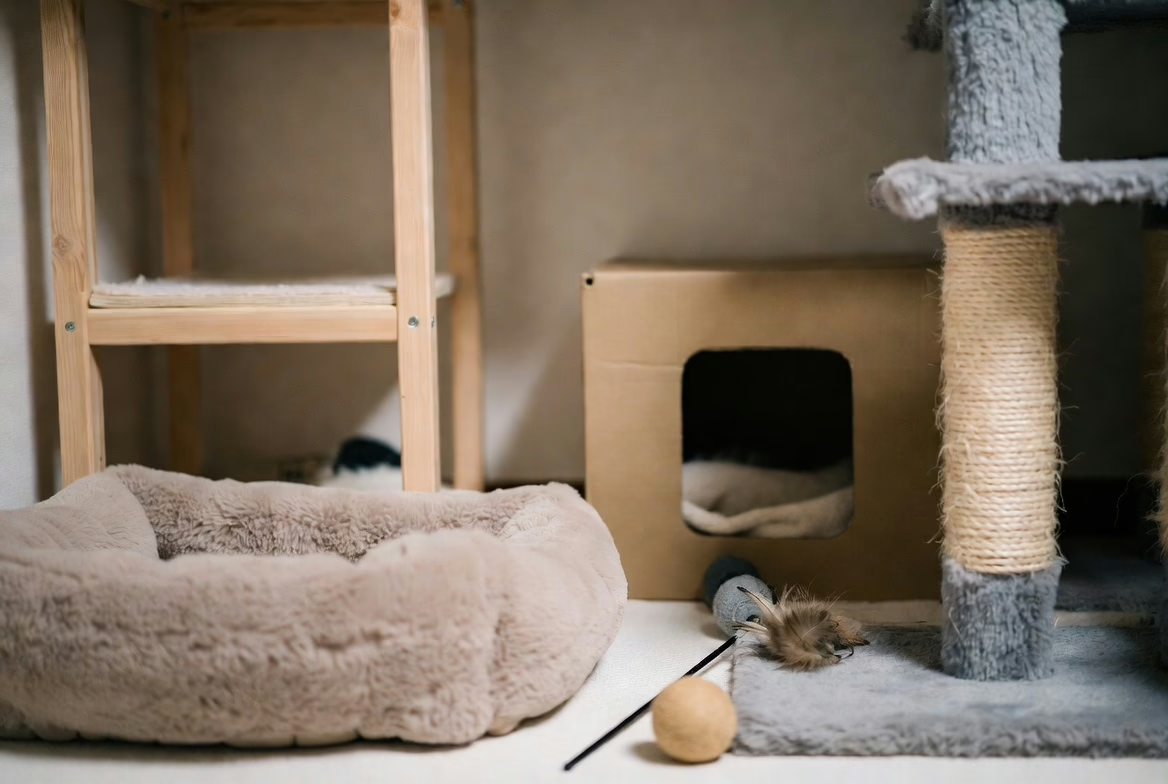
Create safe spaces immediately. Designate a quiet room where your cat can retreat without interruption. Include a litter box, food, water, comfortable bedding, and hiding spots like cardboard boxes or cat tunnels. Close doors to prevent other pets or children from entering. Even in small apartments, a closet with the door propped open provides sanctuary.
Maintain routines rigidly during stressful periods. Feed at exact times, play at consistent intervals, and keep your own schedule as predictable as possible. Cats find comfort in knowing what happens next. If you normally play with your cat at 7 PM, continue this even when dealing with household changes.
Provide vertical territory by adding cat trees or shelves. Elevated positions help cats feel secure and survey their environment. Stressed cats often prefer high perches where they can observe without being approached.
Use synthetic feline pheromones in plug-in diffusers or sprays. These products mimic the calming pheromones cats produce naturally and can reduce environmental stress. Place diffusers in rooms where your cat spends most time, not near litter boxes or food bowls.
Increase environmental enrichment through puzzle feeders, rotating toys, and interactive play sessions. Mental stimulation helps anxious cats focus on positive activities. Short, frequent play sessions work better than long, intense ones. Use wand toys that let you maintain distance if your cat is displaying aggression.
Consult a veterinarian when stress symptoms persist beyond a week, physical symptoms appear, or behavior becomes dangerous. Veterinarians can rule out medical causes that mimic stress and prescribe anti-anxiety medications if needed. Don’t wait if you notice blood in urine, complete appetite loss lasting more than 24 hours, or aggressive behavior that injures people or pets.
Avoid punishment, which increases stress and damages trust. Never yell at, spray, or physically discipline a stressed cat. These responses worsen anxiety and create new behavioral problems.
Consider professional help from a certified cat behavior consultant for complex cases involving multiple cats, severe aggression, or when home modifications don’t help. These specialists create customized behavior modification plans based on your specific situation.
The most critical mistake cat owners make is waiting too long to address stress signs, assuming the cat will ‘get over it’ on their own. Cats don’t simply adapt to chronic stressors—they develop increasingly severe behavioral and medical problems. Early intervention, often with simple environmental modifications, prevents the cascade of issues that make treatment much more difficult later.
Dr. Sarah Mitchell
Physical vs. Behavioral Cat Stress Indicators
| Physical Signs | Behavioral Signs |
|---|---|
| Excessive grooming creating bald patches, typically on belly, legs, or flanks | Hiding constantly under beds, in closets, or behind furniture for extended periods |
| Appetite changes including refusal to eat, picking at food, or stress-eating | Aggression toward people or other pets, including sudden swatting, biting, or hissing |
| Litter box avoidance with urination or defecation outside the box | Vocalization changes such as increased crying, yowling, or becoming unusually silent |
| Digestive issues like vomiting, diarrhea, or constipation without dietary cause | Sleep disruption including restlessness, frequent waking, or nighttime pacing |
| Dilated pupils in normal lighting, flattened ears, tucked tail, or tense posture | Clinginess or withdrawal showing extreme attachment or complete social avoidance |
FAQs
Acute stress from a single event like a vet visit typically resolves within 24-48 hours once the cat returns to their familiar environment. Stress from ongoing situations like a new pet or household move can persist for weeks or months without intervention. The duration depends on the stressor’s intensity, the cat’s personality, and whether you’ve implemented stress-reduction strategies. If symptoms continue beyond two weeks despite environmental modifications, consult your veterinarian to rule out medical issues and discuss additional interventions.
Yes, chronic stress directly causes medical problems. Feline idiopathic cystitis, a painful bladder condition, has strong links to stress. Stressed cats develop upper respiratory infections more frequently due to suppressed immune function. Stress also triggers inflammatory bowel disease flare-ups, contributes to diabetes development, and worsens chronic conditions like asthma. Stress-related overgrooming creates skin infections requiring antibiotic treatment. The mind-body connection in cats is powerful—emotional stress manifests as physical illness regularly.
Stress is a response to a specific, identifiable trigger—a thunderstorm, a vet visit, or a new dog in the home. Once the stressor disappears, stress typically decreases. Anxiety is a persistent state of worry or fear that continues even without an obvious trigger. An anxious cat remains hypervigilant, startles easily, and shows stress symptoms in situations that shouldn’t be threatening. Anxiety often requires longer-term management including behavior modification and sometimes medication, while stress may resolve with simple environmental changes.
Indoor cats aren’t inherently more stress-prone, but they have less control over their environment. An outdoor cat can leave a stressful situation; an indoor cat is trapped with the stressor. However, indoor cats avoid major stressors like predators, traffic, and fights with other animals. The key is providing sufficient environmental enrichment—vertical space, hiding spots, play opportunities, and routine. An enriched indoor environment actually reduces stress compared to outdoor life. Indoor cats in barren environments with no stimulation or control do experience more stress than those in thoughtfully designed spaces.
Schedule a veterinary visit if stress symptoms persist beyond two weeks, physical symptoms appear, or you notice blood in urine, complete appetite loss for 24+ hours, rapid weight loss, self-inflicted injuries from overgrooming, straining to urinate (especially in male cats), or aggression that injures household members. Also consult your vet before implementing major changes if your cat has existing health conditions, as stress can worsen chronic diseases. Don’t wait for stress symptoms to resolve on their own if they’re affecting your cat’s quality of life or causing physical harm.
Absolutely. Even cats who lived together peacefully for years can develop tension, particularly as they age or if household dynamics change. Resource competition over food, litter boxes, or favorite sleeping spots creates chronic stress. One cat blocking another’s access to resources—even through intimidating stares rather than physical aggression—causes significant anxiety. Signs include one cat waiting until another leaves before eating, litter box avoidance when another cat is nearby, or spending excessive time in separate areas. The solution involves adding resources (one litter box per cat plus one extra, multiple feeding stations), creating separate vertical territory, and sometimes temporarily separating cats to reduce tension.
Recognizing cat stress signs protects your cat’s physical health and emotional well-being. The subtle changes in grooming habits, litter box use, social interaction, and body language that signal stress are easy to miss if you’re not watching specifically for them. Your cat depends on you to notice these shifts and respond appropriately.
Most stress-related problems respond well to environmental modifications, routine maintenance, and patience. Creating safe spaces, adding resources, and maintaining predictability help most cats recover from stressful situations. When home interventions aren’t enough, veterinary professionals can provide medical treatment and behavioral guidance to address more complex cases.
The investment you make in understanding your cat’s stress signals pays dividends in preventing serious behavioral problems and medical conditions. A cat who feels safe and secure in their environment is healthier, more affectionate, and easier to live with. Start observing your cat’s baseline behavior now, so you’ll recognize immediately when something changes and can intervene before minor stress becomes a major problem.