

Cats are masters at hiding discomfort. This evolutionary trait helped wild felines avoid appearing vulnerable to predators, but it makes modern cat ownership challenging. Your seemingly healthy cat might be silently battling a serious condition, and by the time symptoms become obvious, the disease may have progressed significantly.
Understanding which illnesses most frequently affect cats gives you a critical advantage. Recognizing early warning signs can mean the difference between a simple treatment and a complicated medical crisis. This guide covers the feline health conditions veterinarians diagnose most often, what causes them, and how to spot trouble before it escalates.
Warning Signs Your Cat May Be Sick
Cats communicate illness through subtle behavioral shifts that owners often dismiss as personality quirks or aging. A cat who suddenly prefers sleeping in the closet instead of on your bed isn’t just being moody—isolation is a classic cat sickness symptom that warrants attention.
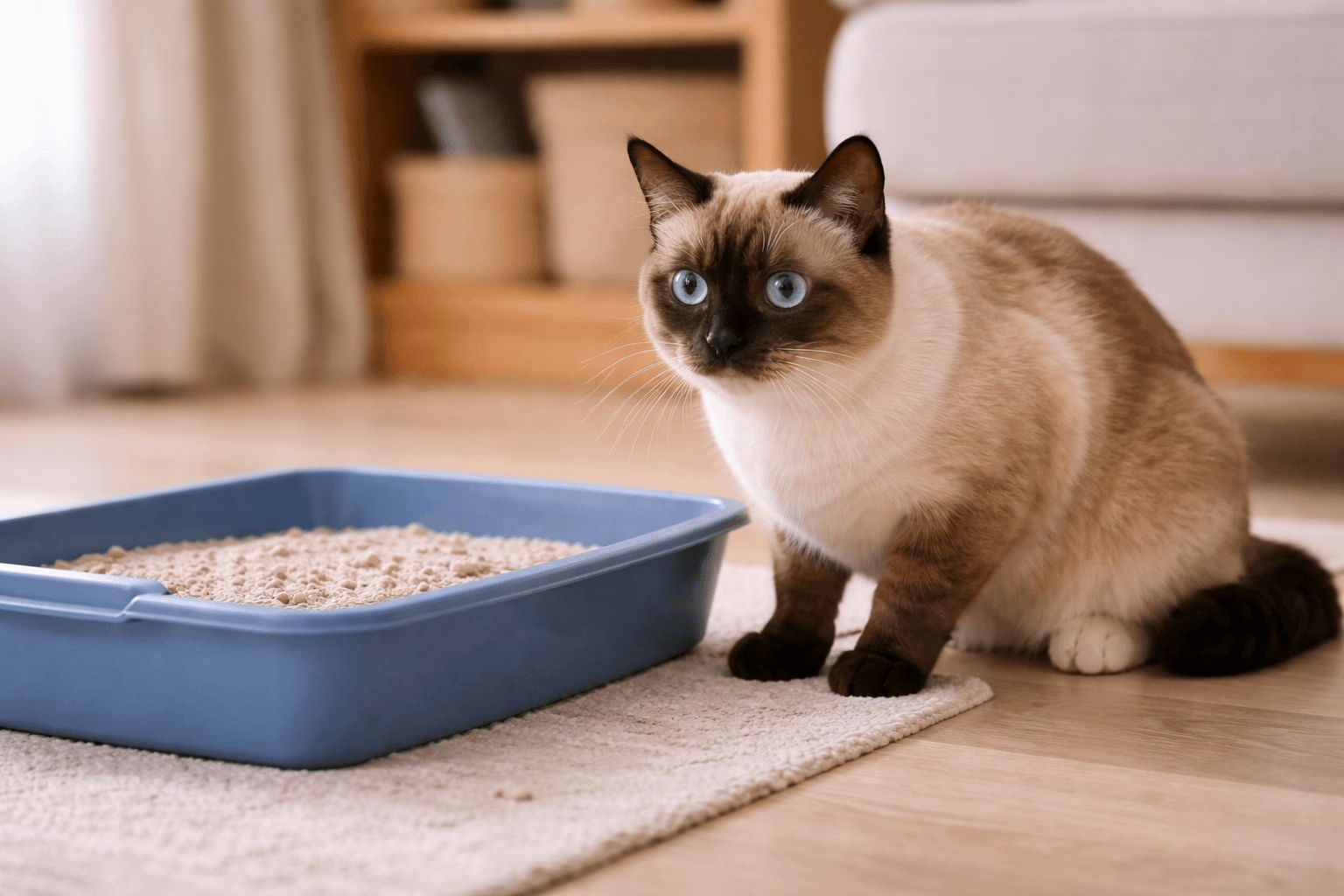
Changes in litter box habits rank among the most significant red flags. Urinating outside the box, straining while urinating, producing unusually small or large urine clumps, or visiting the box more frequently all suggest potential problems. Blood in urine or stool demands immediate veterinary care.
Appetite changes work both ways. Some sick cats stop eating entirely, while others develop ravenous appetites yet continue losing weight. A cat who ignores food for more than 24 hours risks hepatic lipidosis, a potentially fatal liver condition.
Grooming behavior reveals much about feline health. Cats who stop grooming develop matted, greasy coats. Conversely, excessive grooming that creates bald patches often indicates pain, allergies, or stress-related illness.
Respiratory changes include increased breathing rate while resting, open-mouth breathing (never normal in cats), coughing, sneezing, or nasal discharge. Healthy cats breathe quietly through their noses at roughly 20-30 breaths per minute when relaxed.
Vomiting more than once monthly, especially if accompanied by lethargy or appetite loss, signals a problem. Many owners accept frequent vomiting as “just hairballs,” but chronic vomiting damages the esophagus and often indicates underlying disease.
Weight changes happen gradually. Monthly weigh-ins help catch problems early—a scale showing your 10-pound cat now weighs 8.5 pounds reveals a significant 15% loss that might not be visually obvious under all that fur.
Upper Respiratory Infections in Cats
Upper respiratory infections (URIs) top every cat illness list, particularly in shelters, catteries, and multi-cat households. These infections mirror human colds but can become serious, especially in kittens, senior cats, or those with compromised immune systems.
Feline herpesvirus (FHV-1) and feline calicivirus cause roughly 90% of URIs. Both spread through direct contact with infected cats or contaminated surfaces. Sneezing launches viral particles several feet, and the viruses survive on bowls, bedding, and hands for hours.
Infected cats develop sneezing, nasal discharge (clear or colored), watery eyes, fever, and reduced appetite. Herpesvirus often causes corneal ulcers, while calicivirus may create painful mouth ulcers. Some cats develop secondary bacterial infections that produce thick, yellow-green discharge.
Most URIs resolve within 7-14 days with supportive care: keeping nasal passages clear, encouraging eating with warmed aromatic foods, and maintaining hydration. Severe cases require antibiotics for secondary infections, antiviral medications, or even hospitalization with IV fluids and feeding tubes.
The frustrating reality of feline herpesvirus: it never leaves. After recovery, the virus remains dormant in nerve cells, reactivating during stress—moving, new pets, boarding, or illness. These cats become lifelong intermittent shedders who can infect other cats even without showing symptoms themselves.
Prevention centers on vaccination. While vaccines don’t prevent infection entirely, they significantly reduce severity. The FVRCP vaccine (covering herpesvirus, calicivirus, and panleukopenia) is considered core for all cats, with boosters following your veterinarian’s recommendations.
Digestive System Diseases
Digestive problems rank among the most common cat health problems, manifesting through vomiting, diarrhea, weight loss, or appetite changes. Two conditions particularly plague felines: inflammatory bowel disease and pancreatitis.
Inflammatory Bowel Disease
Inflammatory bowel disease (IBD) occurs when inflammatory cells infiltrate the intestinal walls, disrupting normal digestion and nutrient absorption. The exact cause remains unclear, though theories include food sensitivities, bacterial imbalances, and immune system dysfunction.
Middle-aged and older cats develop IBD most frequently. Symptoms include chronic vomiting (often containing undigested food), diarrhea, weight loss despite normal or increased appetite, and poor coat quality. Some cats experience only intermittent symptoms that owners attribute to “sensitive stomachs.”
Diagnosis requires intestinal biopsies obtained through endoscopy or surgery, as blood tests and imaging only suggest IBD rather than confirming it. Many veterinarians initiate treatment trials before pursuing invasive diagnostics, especially in older cats.
Treatment typically involves dietary modification—novel protein diets, hydrolyzed protein foods, or high-fiber formulas depending on which intestinal section is affected. Moderate to severe cases need immunosuppressive medications like prednisolone or chlorambucil. Most cats require lifelong management, though some achieve remission.
Pancreatitis
Feline pancreatitis was once considered rare, but improved diagnostics reveal it’s actually common. The pancreas becomes inflamed, releasing digestive enzymes that damage surrounding tissue. Causes include infections, trauma, certain medications, and high-fat diets, though many cases have no identifiable trigger.
Symptoms are frustratingly vague: lethargy, reduced appetite, occasional vomiting, and abdominal discomfort. Unlike dogs with pancreatitis, cats rarely show obvious pain. This subtlety means many cases go undiagnosed until they become severe.
Specific blood tests (feline pancreatic lipase immunoreactivity) and abdominal ultrasound help diagnose pancreatitis. Treatment focuses on supportive care—IV fluids, anti-nausea medications, pain management, and nutritional support. Severe cases require hospitalization; mild cases may respond to outpatient treatment.
Chronic pancreatitis often coexists with IBD and cholangitis (liver inflammation) in what veterinarians call “triaditis.” These cats need comprehensive treatment addressing all three conditions simultaneously.
Kidney and Urinary Tract Problems
Kidney and urinary tract conditions represent significant cat health risks, particularly as cats age. Chronic kidney disease affects roughly one in three cats over 10 years old, making it one of the leading causes of feline death.
Chronic kidney disease (CKD) develops gradually as kidney tissue loses function. Early stages produce no symptoms—kidneys compensate remarkably well until approximately 75% of function is lost. Once symptoms appear (increased thirst and urination, weight loss, poor appetite, vomiting), significant irreversible damage has occurred.
Regular senior wellness screenings catch CKD early through blood work and urinalysis. Early detection allows interventions that slow progression: prescription kidney diets, phosphate binders, medications controlling blood pressure and proteinuria, and subcutaneous fluids when needed.
Cats with CKD require lifelong management. While the disease is ultimately fatal, proper care often provides years of good quality life. The key is catching it before your cat feels sick.
Lower urinary tract issues create different problems. Feline lower urinary tract disease (FLUTD) encompasses several conditions causing bloody urine, straining, frequent urination, and urinating outside the litter box. Causes include bladder stones, bacterial infections (less common in cats than dogs), stress-induced cystitis, and urethral obstructions.
Male cats face particular danger from urethral blockages. Crystals, stones, or inflammatory debris can completely block the narrow male urethra, preventing urination. This constitutes a life-threatening emergency—toxins build rapidly, and cats can die within 24-48 hours without treatment. Any cat straining in the litter box without producing urine needs immediate veterinary care.
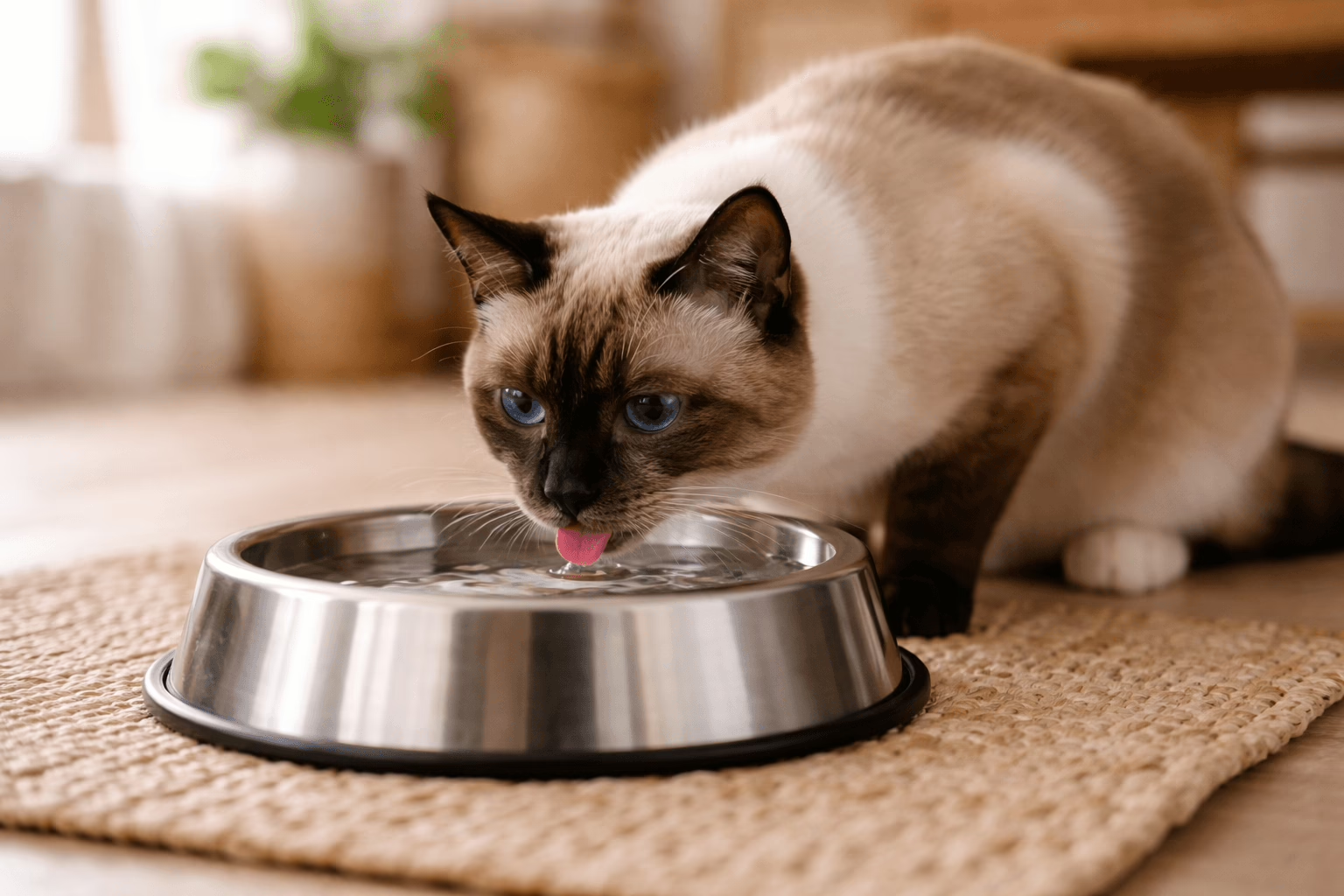
Treatment depends on the underlying cause. Bacterial infections require antibiotics. Stones may need dietary dissolution or surgical removal. Stress-induced cystitis responds to environmental enrichment, stress reduction, pain management, and sometimes anti-anxiety medications. Many cats benefit from increased water intake through fountains, wet food, or added water in meals.
Diabetes and Thyroid Disorders
Endocrine disorders—diseases affecting hormone-producing glands—create widespread effects throughout the body. Two conditions dominate the feline diseases overview for endocrine problems: hyperthyroidism and diabetes mellitus.
Hyperthyroidism affects primarily senior cats, typically those over 10 years old. The thyroid gland produces excessive thyroid hormone, dramatically increasing metabolism. Most cases result from benign thyroid tumors, though the underlying cause of these tumors remains unknown.
Classic symptoms include weight loss despite ravenous appetite, hyperactivity or restlessness, increased thirst and urination, vomiting, diarrhea, and poor coat quality. Some cats develop “apathetic hyperthyroidism,” becoming lethargic rather than hyperactive. Left untreated, hyperthyroidism causes dangerous heart changes and high blood pressure that can lead to sudden blindness or stroke.
Diagnosis is straightforward—a simple blood test measuring thyroid hormone (T4) confirms the condition. Treatment options include daily oral medication (methimazole), radioactive iodine therapy (curative but requires specialized facilities), surgical thyroid removal, or prescription diets limiting iodine intake.
Feline diabetes mellitus resembles type 2 diabetes in humans. The pancreas either doesn’t produce enough insulin or the body’s cells resist insulin’s effects, preventing glucose from entering cells for energy. Obesity is the primary risk factor—fat cats face dramatically higher diabetes risk.
Diabetic cats show increased thirst and urination, increased appetite with weight loss, and lethargy. Without treatment, they develop diabetic ketoacidosis, a life-threatening complication causing severe vomiting, dehydration, and collapse.
Treatment requires twice-daily insulin injections, regular blood glucose monitoring, and consistent feeding schedules. Many owners feel intimidated by giving injections, but most cats tolerate them well, and the technique becomes routine quickly.
Here’s the encouraging news: roughly 30-40% of diabetic cats achieve remission with proper treatment and weight loss. Early diagnosis and aggressive management offer the best remission chances. Even cats who don’t achieve remission can live comfortably for years with appropriate care.
Parasites and Infectious Diseases
External and internal parasites, along with viral infections, create substantial cat health risks. Some affect only cats, while others pose zoonotic threats—diseases transmissible to humans.
Fleas remain the most common external parasite. A single flea lays up to 50 eggs daily, and those eggs develop into larvae and pupae that survive in carpets and furniture for months. Beyond causing itching and skin irritation, fleas transmit tapeworms and can cause flea allergy dermatitis or severe anemia in heavy infestations.
Modern flea preventives are highly effective. Monthly topical or oral medications kill fleas before they reproduce, breaking the life cycle. Year-round prevention is essential—even indoor cats can get fleas carried inside on clothing or from other pets.
Intestinal parasites include roundworms, hookworms, and tapeworms. Outdoor cats contract parasites from hunting infected prey or contacting contaminated soil. Indoor cats can get tapeworms from ingesting fleas. Some intestinal parasites pose zoonotic risks, particularly to children.
Regular fecal testing and deworming protocols keep parasites controlled. Many heartworm preventives also protect against intestinal worms, simplifying parasite prevention.
Feline immunodeficiency virus (FIV) and feline leukemia virus (FeLV) are serious viral infections appearing on every comprehensive cat illness list. FIV spreads primarily through deep bite wounds, making it most common in outdoor intact male cats who fight. FeLV transmits through prolonged close contact—shared food bowls, mutual grooming, or from mother to kittens.
Both viruses suppress immune function, making infected cats vulnerable to secondary infections and certain cancers. No cure exists, though many FIV-positive cats live normal lifespans with indoor-only lifestyles and prompt treatment of secondary infections.
FeLV is more immediately serious—most infected cats die within three years of diagnosis. A vaccine exists for FeLV (though not for FIV), recommended for cats with outdoor access or exposure to FeLV-positive cats.
Testing for both viruses is simple and inexpensive. All new cats should be tested before joining a household with other cats. Regular testing is recommended for cats with outdoor access.
The majority of feline diseases we see could be prevented or caught much earlier with regular veterinary care and owner vigilance. Cats are incredibly stoic, so by the time owners notice something is wrong, the disease has often progressed significantly. Annual wellness exams for young cats and twice-yearly exams for seniors are not optional—they’re essential for catching problems while they’re still manageable.
Dr. Jane Brunt
When to See a Veterinarian
Distinguishing between “wait and see” situations and genuine emergencies challenges even experienced cat owners. Some symptoms demand immediate care, while others warrant scheduling an appointment within a few days.
Seek emergency veterinary care immediately for: difficulty breathing, straining without producing urine (especially males), seizures, collapse or inability to stand, severe trauma, suspected poisoning, profuse bleeding, extreme lethargy or unresponsiveness, body temperature below 99°F or above 104°F, or continuous crying suggesting severe pain.
Schedule an appointment within 24 hours for: vomiting or diarrhea lasting more than 24 hours, refusing food for 24+ hours, noticeable pain or limping, discharge from eyes or nose, coughing, blood in urine or stool, sudden behavior changes, or unexplained weight loss.
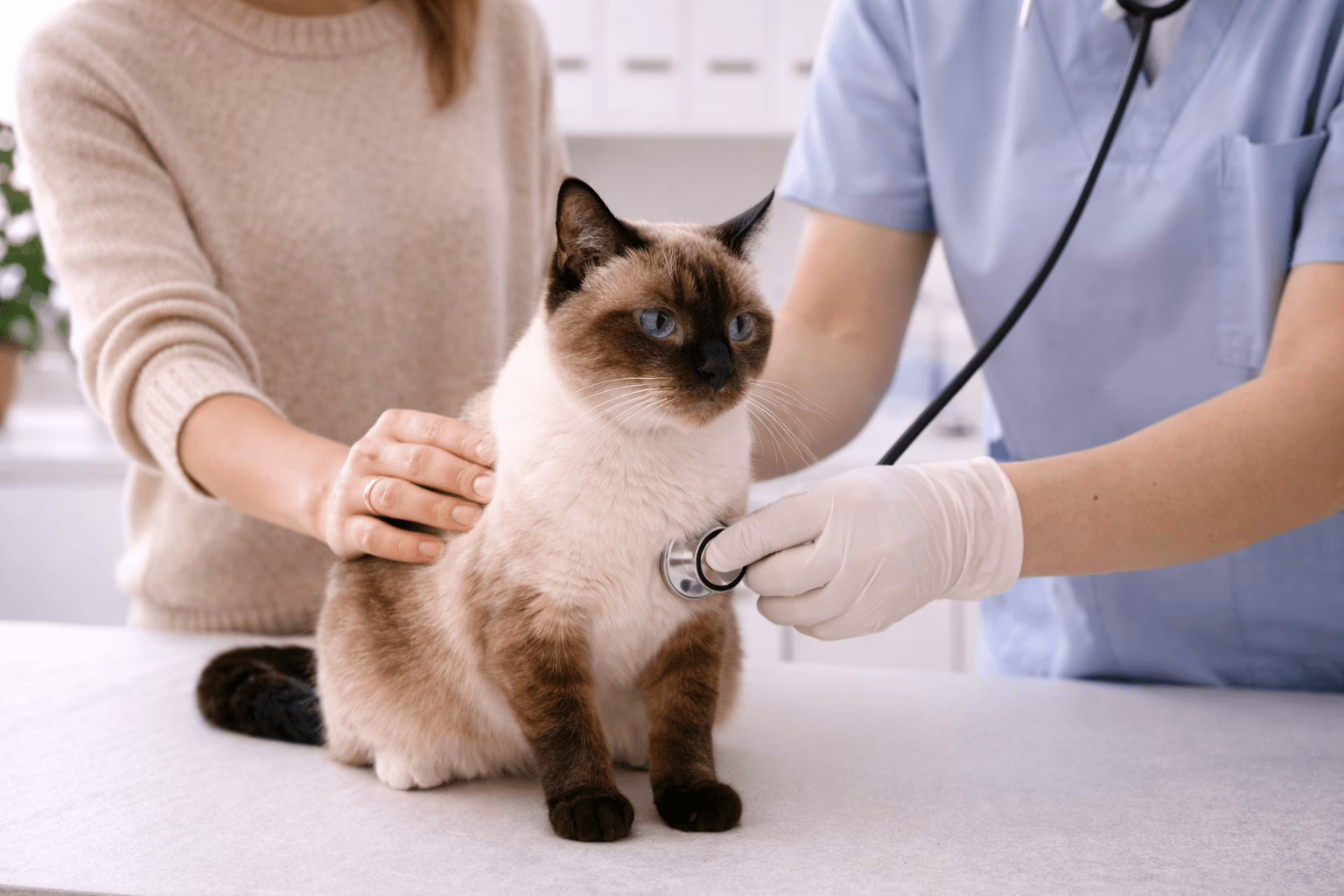
Routine veterinary visits remain your best defense against feline medical issues. Annual exams for cats under 7 years old and twice-yearly exams for seniors catch problems early. These visits should include physical examination, weight assessment, dental evaluation, and age-appropriate screening tests.
Preventive care proves far less expensive than treating advanced disease. A $200 annual wellness visit with blood work costs substantially less than managing diabetes ($50-150 monthly), treating advanced kidney disease ($100-300+ monthly), or hospitalizing a blocked cat ($1,500-3,000).
Vaccinations prevent several serious diseases. Core vaccines (FVRCP and rabies) are recommended for all cats. Non-core vaccines like FeLV are given based on lifestyle and risk factors. Your veterinarian will develop an appropriate vaccination schedule.
Dental care often gets overlooked but matters tremendously. Dental disease affects over 70% of cats by age 3, causing pain, difficulty eating, and allowing bacteria to enter the bloodstream and damage organs. Regular dental cleanings under anesthesia prevent these problems.
Common Cat Diseases: Quick Reference
| Disease Name | Primary Symptoms | Typical Age Affected | Treatment Difficulty | Prevention Available |
|---|---|---|---|---|
| Upper Respiratory Infection | Sneezing, nasal discharge, eye discharge | All ages, especially kittens | Easy to Moderate | Yes (FVRCP vaccine) |
| Chronic Kidney Disease | Increased thirst/urination, weight loss | Senior cats (10+ years) | Moderate (lifelong management) | No |
| Hyperthyroidism | Weight loss with increased appetite, hyperactivity | Senior cats (10+ years) | Easy to Moderate | No |
| Diabetes Mellitus | Increased thirst/urination, weight loss | Middle-aged to senior, obese cats | Moderate (requires injections) | Partially (weight management) |
| Inflammatory Bowel Disease | Chronic vomiting, diarrhea, weight loss | Middle-aged to senior | Moderate (lifelong management) | No |
| Feline Lower Urinary Tract Disease | Bloody urine, straining, frequent urination | Young to middle-aged | Easy to Moderate | Partially (diet, stress reduction) |
| Pancreatitis | Lethargy, reduced appetite, vomiting | All ages | Moderate to Difficult | No |
| Feline Leukemia Virus (FeLV) | Variable; immunosuppression, anemia | Young cats | Difficult (no cure) | Yes (FeLV vaccine) |
| Dental Disease | Bad breath, difficulty eating, drooling | Middle-aged to senior | Easy (with regular care) | Yes (dental care, diet) |
FAQs
Upper respiratory infections caused by feline herpesvirus or calicivirus are the most frequently diagnosed infectious diseases in cats. Among chronic conditions, dental disease affects over 70% of cats by age 3, while chronic kidney disease affects approximately one in three cats over age 10. The answer depends on whether you’re considering acute infections or chronic age-related conditions.
Watch for changes in normal behavior patterns: altered appetite, increased or decreased water intake, litter box changes (frequency, straining, or accidents), reduced grooming or excessive grooming, hiding or seeking isolation, reduced activity, vomiting more than once monthly, breathing changes, or unexplained weight loss. Cats instinctively hide illness, so subtle behavior shifts often indicate significant problems. Trust your instincts—you know your cat’s normal behavior better than anyone.
Yes, though their risks differ from outdoor cats. Indoor cats face lower risks for trauma, parasites, and infectious diseases like FIV or FeLV, but they still develop upper respiratory infections (if exposed before adoption or through new cats), obesity-related conditions like diabetes, kidney disease, hyperthyroidism, dental disease, and cancer. Indoor-only status protects against some diseases but not age-related or genetic conditions. All cats, regardless of lifestyle, need regular veterinary care.
Some feline diseases pose zoonotic risks, meaning they can transmit to humans. Parasites like roundworms and hookworms, bacterial infections like cat scratch disease (Bartonella), ringworm (a fungal infection), and rabies can spread from cats to people. However, common feline diseases like kidney disease, hyperthyroidism, diabetes, and feline-specific viruses (FIV, FeLV, herpesvirus, calicivirus) cannot infect humans. Basic hygiene—handwashing after handling litter boxes, treating your cat’s parasites, and keeping vaccinations current—minimizes zoonotic risks.
The FVRCP vaccine (also called the distemper vaccine) protects against feline viral rhinotracheitis (herpesvirus), calicivirus, and panleukopenia—three serious diseases. Rabies vaccination is legally required in most areas and protects against this fatal disease. The FeLV vaccine protects against feline leukemia virus and is recommended for cats with outdoor access or exposure to FeLV-positive cats. These core vaccines prevent some of the most dangerous feline infectious diseases. Your veterinarian will recommend an appropriate vaccination schedule based on your cat’s age, health status, and lifestyle.
Knowledge about common feline diseases transforms you from a passive pet owner into an active health advocate for your cat. Recognizing that your cat’s sudden preference for sleeping under the bed might signal illness rather than a mood change could save their life.
The diseases covered here represent the conditions veterinarians diagnose most frequently, but they’re not the only health problems cats face. Cancer, heart disease, arthritis, and numerous other conditions also affect felines. This makes the partnership between you and your veterinarian essential.
Schedule and keep regular wellness appointments, even when your cat seems perfectly healthy. These visits establish baseline values for your cat’s normal, making abnormalities easier to detect. Senior cats particularly benefit from twice-yearly exams, as their health can change rapidly.
Pay attention to subtle behavior changes. That slightly decreased appetite, minor increase in water consumption, or new tendency to sit hunched might seem insignificant individually, but together they paint a picture of developing illness. Keep notes if you’re unsure whether changes are meaningful—patterns become clearer when documented.
Invest in preventive care. Vaccinations, parasite prevention, dental care, and appropriate nutrition cost far less than treating advanced disease. A quality diet appropriate for your cat’s life stage supports overall health and may prevent obesity-related conditions like diabetes.
Finally, remember that cats age much faster than humans. A year between veterinary visits for a senior cat equals roughly five to seven human years—imagine going that long without a doctor’s visit. Prioritizing your cat’s health care isn’t overprotective; it’s responsible pet ownership that helps ensure your feline companion stays healthy and comfortable for years to come.