
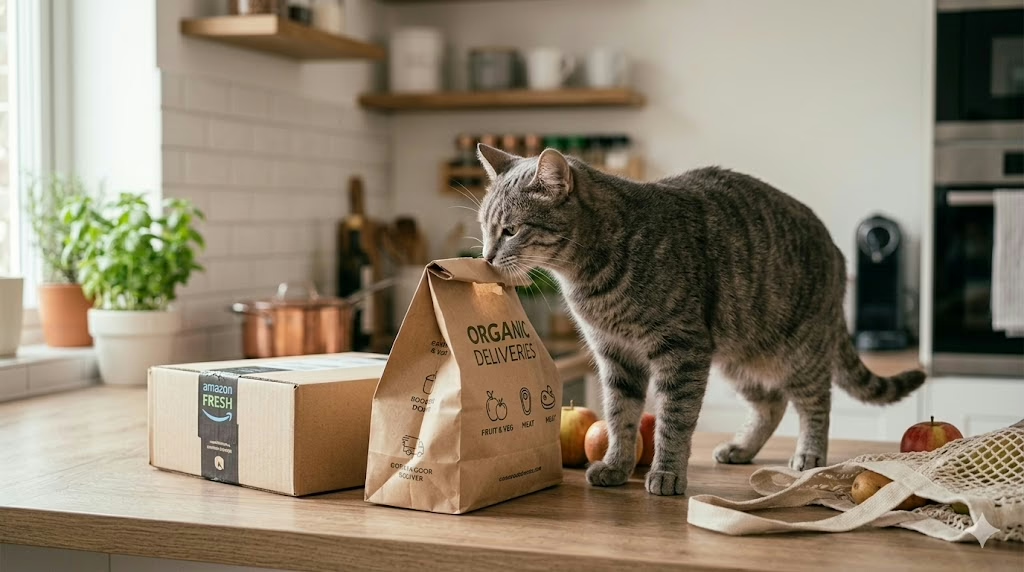
Your cat just spent three minutes intensely sniffing the grocery bag you set on the counter. Why? Because that bag carries more information than a newspaper—telling your cat where you’ve been, what you bought, and possibly which stranger’s cat rubbed against it at the store.
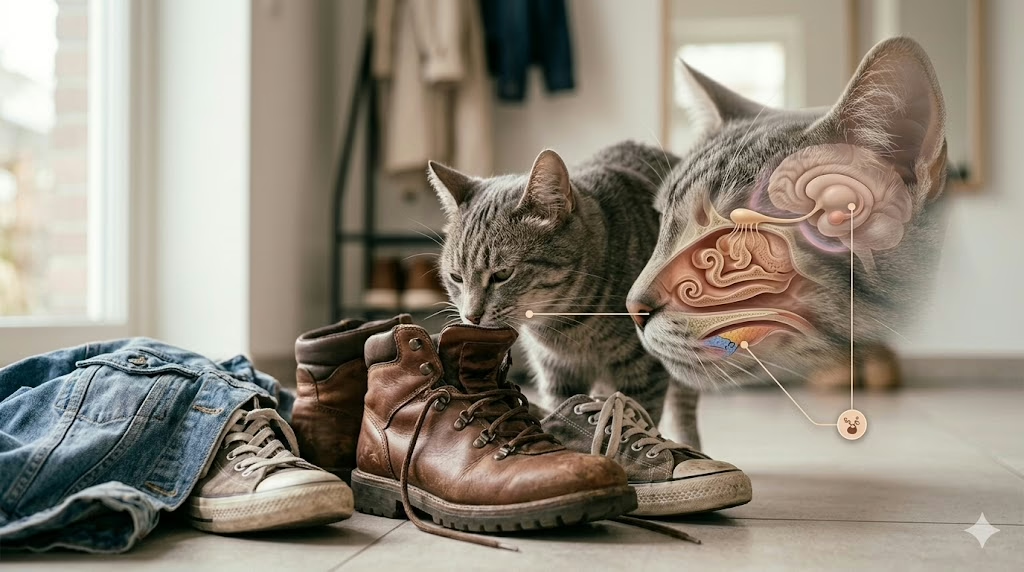
Felines live in a scent-driven reality that’s invisible to us. We humans bumble through life relying on our eyes, while cats decode their surroundings through nose-detected chemical signals. This olfactory dominance explains seemingly weird behaviors: the face planted in your shoe, the refusal to eat food that looks perfect, the sudden freeze with mouth hanging open after sniffing another cat’s behind.
Your cat’s nose does far more than pull in air. It’s really a chemical analysis laboratory that interprets territory boundaries, evaluates food freshness, reads emotional states, and creates detailed memory files of every person and pet in the household.
Here’s what you need to know about feline scent detection and how to keep this system working properly.
How the Cat Olfactory System Functions
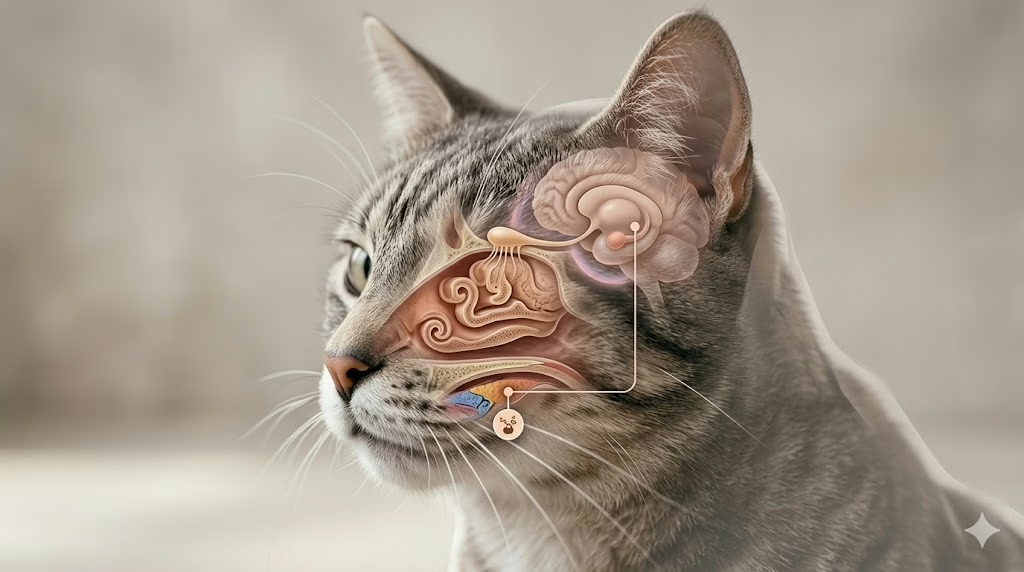
Inside your cat’s nose sit roughly 200 million specialized receptor cells designed to capture and identify scent molecules. Humans? We make do with about 5 million. That’s a 40-fold difference in raw detection hardware.
These receptors blanket the nasal passages, connecting straight into the olfactory bulb—the brain’s scent-processing department. What makes cats especially equipped for smell is the internal real estate: turbinate bones create a maze-like structure that dramatically increases surface area for capturing airborne molecules. Think of it like having crumpled aluminum foil instead of a flat sheet—same material, vastly more surface to work with.
Here’s where it gets interesting: cats also pack a bonus scent organ that humans completely lack. The vomeronasal organ (scientists call it Jacobson’s organ) sits in the roof of the mouth, slightly behind the front incisors. This quarter-inch-long structure specializes in capturing pheromones—those chemical messages other cats deposit through urine, feces, and facial gland secretions.
A tiny duct links this organ to both the nasal cavity and the mouth, which is why you’ll sometimes see cats inhaling with their mouths slightly open. They’re essentially taste-smelling—pulling chemical signals across this specialized detector that tells them things like “intact male cat marked here two hours ago” or “this female is approaching heat.”
The detection mechanism itself works like a lock-and-key system. Airborne molecules drift into the nose and latch onto receptor proteins on olfactory neurons. Each neuron responds to specific molecular shapes. Your cat’s brain reads the combination of activated receptors like a barcode, identifying not just what something is but subtle variations in concentration that signal freshness versus spoilage.
The feline brain dedicates disproportionate processing power to smell interpretation. The olfactory bulb occupies more brain volume percentage-wise in cats than in humans, reflecting just how central scent analysis is to feline thinking. Data from the nose feeds directly into the limbic system—emotion and memory headquarters—which explains instantaneous reactions to certain smells. Catnip triggers euphoria. An unfamiliar cat’s scent triggers wariness. Your scent triggers recognition and comfort.
Why Cats Smell Everything Around Them
Watch a cat enter a new room. The nose goes to work immediately, sweeping across furniture legs, carpet corners, and doorframes. Your cat is essentially reading scent-based graffiti left by previous occupants while simultaneously adding personal tags.
Facial rubbing deposits pheromones from glands clustered around the cheeks, chin, forehead, and ear base. Each rub says “I was here” to other cats while creating a reassuring scent blanket in the cat’s own territory. Your cat rubs on you for the same reason—marking you as part of the home colony. It’s a chemical hug.
Food inspection happens exclusively through the cat sense of smell before a single bite gets taken. Cats evolved hunting fresh-killed prey, which meant their survival depended on detecting early spoilage. Modern house cats retain this hair-trigger sensitivity to bacterial growth, oxidation, and chemical off-notes in food. Your cat can smell degradation at the molecular level, long before visible mold appears or human noses detect anything wrong.
This explains the frustrating scenario where you open a fresh can, and your cat walks away in disgust. The food isn’t necessarily bad by human standards—but your cat detected something in the chemical profile that signals “don’t risk it.” Could be the fat starting to oxidize. Could be an ingredient variation in this batch versus the last one your cat liked. Could be contamination from whatever soap residue remains on the bowl.
Pheromone reading governs nearly all cat-to-cat social interaction. When two cats meet and do the ritual sniff dance—nose to nose, then cheeks, then rear ends—they’re exchanging detailed dossiers. Sex, reproductive status, stress hormones, diet, health problems, group affiliation, individual identity: all of it’s encoded in scent.
Mother cats recognize their kittens through smell signatures established within hours of birth. Littermates maintain lifelong bonds partly through shared scent profiles created by mutual grooming sessions and sleeping in a pile together. Colony cats develop a group scent that identifies members versus outsiders.
Recognition of household humans follows the same pattern. Your cat has built a comprehensive scent file on you that includes your natural body chemistry, shampoo, laundry detergent, where you work, what you eat, and every animal you contact. Change too many variables at once—new cologne, different soap, plus you visited a house with three dogs—and you’ll temporarily smell like a stranger. Your cat needs a few investigative sniffs to match this altered scent profile to the stored “safe human” template.
Environmental monitoring never stops. Outdoor cats use feline scent detection to locate prey (that mouse is hiding under the shed), avoid predators (a fox marked this area yesterday), and track competitors (a stranger cat is hunting in my territory). Indoor cats deploy the same skills to anticipate dinner time (smelling food prep from two rooms away), monitor household routines, and notice environmental changes that might signal danger or opportunity.
Cat Scent Behavior Patterns You Should Know
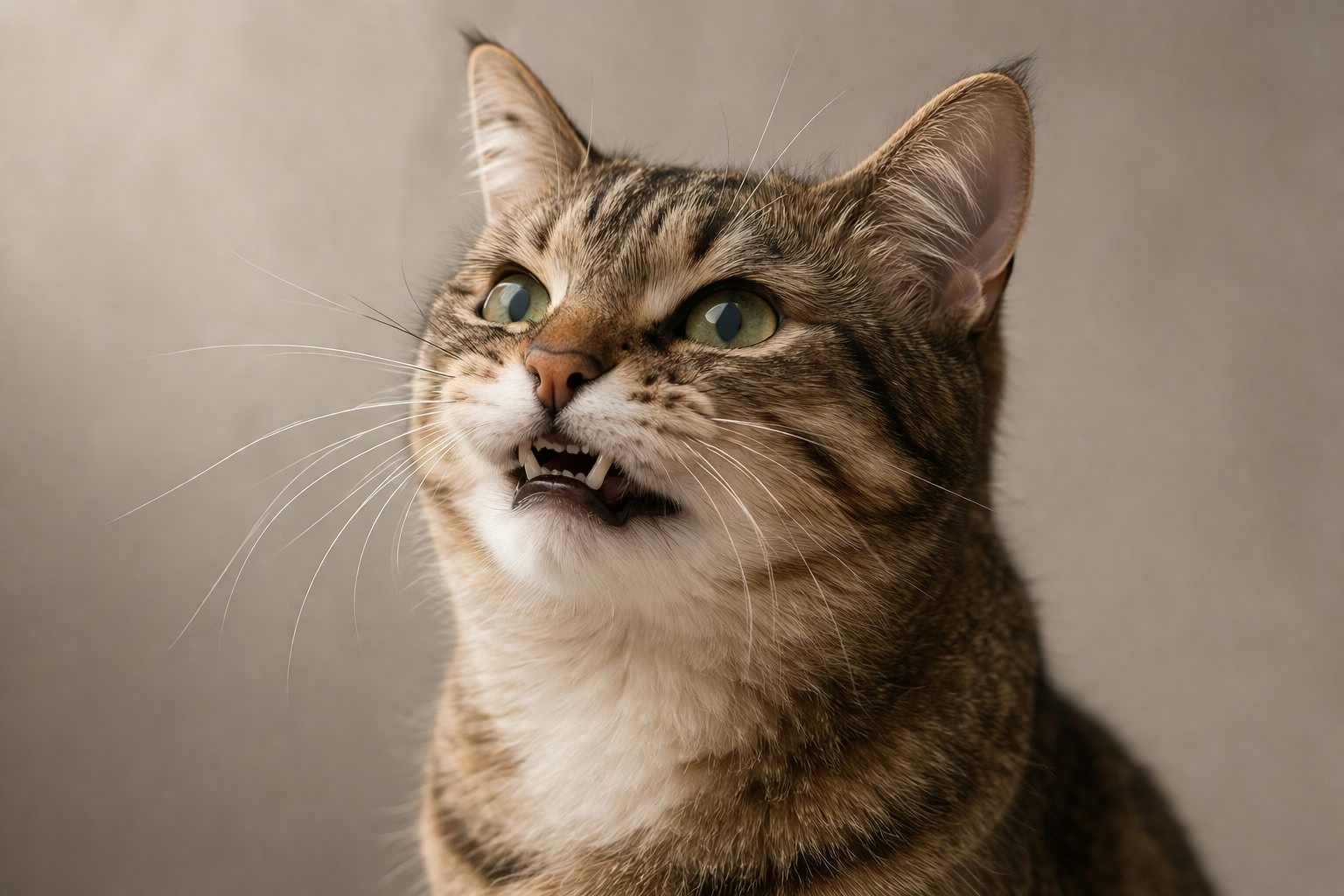
The Flehmen response looks ridiculous: upper lip curled back, mouth hanging open, eyes slightly squinted, entire cat frozen in place for five to ten seconds. But this funny face serves a specific purpose—pulling air across the vomeronasal organ for concentrated pheromone analysis.
You’ll spot this behavior most often when your cat investigates urine marks (either their own or another cat’s), encounters an unfamiliar object with interesting chemical signatures, or smells something that triggers the “I need more information” response. The frozen grimace happens because your cat is literally processing chemical data in real-time.
Face-rubbing extends beyond simple territorial claims. Those facial glands produce different pheromone blends depending on location: cheek glands create “friendly” markers, chin glands signal comfort, forehead glands mark preferred objects. By rubbing these areas strategically, cats build a three-dimensional scent map of their territory.
This same behavior directed at familiar people and animals creates a shared group scent. When your cat rubs on you, deposits scent, then rubs on the other household cat, then comes back to you, they’re essentially blending everyone’s chemical signatures into a “we belong together” profile. This group scent reduces stress and reinforces social bonds.
Sniffing other cats follows a predictable sequence when both parties are friendly. First comes the nose-to-nose greeting (comparable to humans shaking hands). Then each cat sniffs the other’s cheeks and neck area where friendly pheromones concentrate. Finally comes the rear-end investigation—the most informative part, since anal glands produce secretions packed with identifying data.
Aggressive or nervous cats short-circuit this sequence. They might skip straight to stiff-legged posturing, bypass certain steps entirely, or perform the ritual with body language that screams “I’m tolerating this, not enjoying it.”
Food refusal based on why cats smell things happens for multiple reasons beyond detecting spoilage. Temperature matters enormously. Cats prefer food at body temperature (around 100°F) because it mimics fresh prey and releases maximum aromatic compounds. Cold food straight from the refrigerator smells muted and unappetizing. Microwave it for five seconds or add warm water, and suddenly that rejected meal becomes acceptable.
Container material also affects smell. Plastic bowls absorb odors over time, contaminating fresh food with rancid fat traces and bacteria buildup. Stainless steel or ceramic eliminates this problem. Some cats develop food aversions after eating while sick—they permanently associate that food’s smell with nausea, even after recovering completely.
Kneading combined with purring creates a multi-sensory marking experience. Cats have scent glands in their paw pads, so each press deposits pheromones. Add in the rhythmic motion and the purr vibration, and you’ve got a cat broadcasting “I feel safe and happy here” through three channels simultaneously.
How Cat Nose Function Differs from Dogs and Humans
Dogs beat cats in raw scent-tracking power, but the competition is closer than most people think. Here’s how the three species compare:
| Species | Number of Olfactory Receptors | Scent Detection Range | Primary Uses |
|---|---|---|---|
| Domestic Cat | ~200 million | Several hundred yards for strong odors | Evaluating food safety, marking territory, reading pheromones, identifying colony members |
| Dog | 220-300 million (varies by breed) | Several miles for strong odors | Tracking across distance, hunting, detection work (drugs/explosives/diseases), social communication |
| Human | ~5 million | Must be close to source | Evaluating food, detecting immediate threats (smoke/gas leaks), limited social cues |
Dogs evolved alongside humans specifically for tracking and hunting roles that demanded maximum long-distance scent discrimination. Their elongated snouts house extra olfactory tissue, and breeds developed for scent work (bloodhounds carry about 300 million receptors) push the upper limits of mammalian smell capability.
Cats, as ambush predators, needed different skills. They’re less concerned with tracking a deer for three miles and more interested in detecting whether that mouse hiding in the grass is worth the energy expenditure to pounce. They need to know if the bird they caught yesterday and cached under a leaf pile is still safe to eat today. They need to interpret complex territorial disputes through pheromone messages left by competing cats.
The structural differences matter too. Cat nose function revolves around a more compact nasal cavity suited to their shorter faces. Dogs have elongated nasal passages that can filter and process scent more extensively over distance. But cats’ vomeronasal organs are proportionally larger and more active, making them superior pheromone specialists.
Humans lost our vomeronasal organs through evolution (technically we have vestigial remnants, but they don’t function). We’re completely blind to entire categories of chemical communication that cats and dogs perceive constantly. Our olfactory receptors also lack diversity—we distinguish perhaps 10,000 different smells, while cats discriminate between 50,000 or more based on subtle molecular variations.
Common Problems with Feline Scent Detection
Upper respiratory infections wreck the cat olfactory system temporarily—and sometimes permanently. Feline herpesvirus and calicivirus cause nasal inflammation, congestion, and thick mucus production that physically blocks scent molecules from reaching receptors. Cats with chronic URI often develop long-term smell impairment if repeated inflammation scars the delicate nasal tissue.
Bacterial infections compound the damage, creating discharge so thick that even after treatment, residual blockage remains. Young cats from shelters or multi-cat environments face the highest risk, since these viruses spread easily and can establish lifelong carrier states.
Nasal polyps grow from chronic inflammation, usually following repeated infections. These non-cancerous tissue growths gradually obstruct airflow and compress olfactory tissue. Middle-aged to older cats develop them most often. Symptoms progress slowly: sneezing episodes, noisy breathing, reduced appetite (because food doesn’t smell appetizing), and eventual severe respiratory difficulty.
Tumors in the nasal cavity are less common but more serious. Cats with nasal tumors often show asymmetric facial swelling, bloody discharge from one nostril, and progressive smell loss. Diagnosis requires CT imaging and biopsy.
Age-related decline in the cat sense of smell happens gradually as cats pass age twelve or thirteen. Olfactory receptors regenerate more slowly in senior cats, and the olfactory bulb shrinks slightly. Healthy older cats still maintain functional smell, but faint odors that would have triggered immediate interest at age three might go unnoticed at age fifteen.
This contributes to appetite problems in elderly cats. Food needs to smell more intensely aromatic to overcome the diminished detection threshold. Warming food helps. Choosing varieties with stronger natural scents (fish-based rather than chicken-based, for example) also helps.
Environmental irritants inflict cumulative damage through chronic low-level exposure. Cigarette smoke, aerosolized cleaning chemicals, plug-in air fresheners, scented candles, heavily perfumed cat litter: all of these irritate nasal passages and trigger inflammation. Over months or years, this constant irritation reduces scent sensitivity.
Essential oils deserve special mention because many cat owners don’t realize the danger. Cats cannot metabolize phenolic compounds found in tea tree, eucalyptus, pine, wintergreen, and many other essential oils. Even diffusing these oils in the house can cause liver toxicity and direct damage to the cat olfactory system.
Dental disease affects smell through backdoor routes. Severe periodontal infections create constant foul odors in the mouth that overwhelm the cat’s ability to detect food scents accurately. Oral tumors can physically obstruct the narrow duct connecting the vomeronasal organ to the mouth, eliminating pheromone detection entirely.
A cat that cannot smell properly is a cat at risk—loss of scent affects appetite, behavior, and overall wellbeing.
Debra Horwitz
How to Support Your Cat’s Sense of Smell
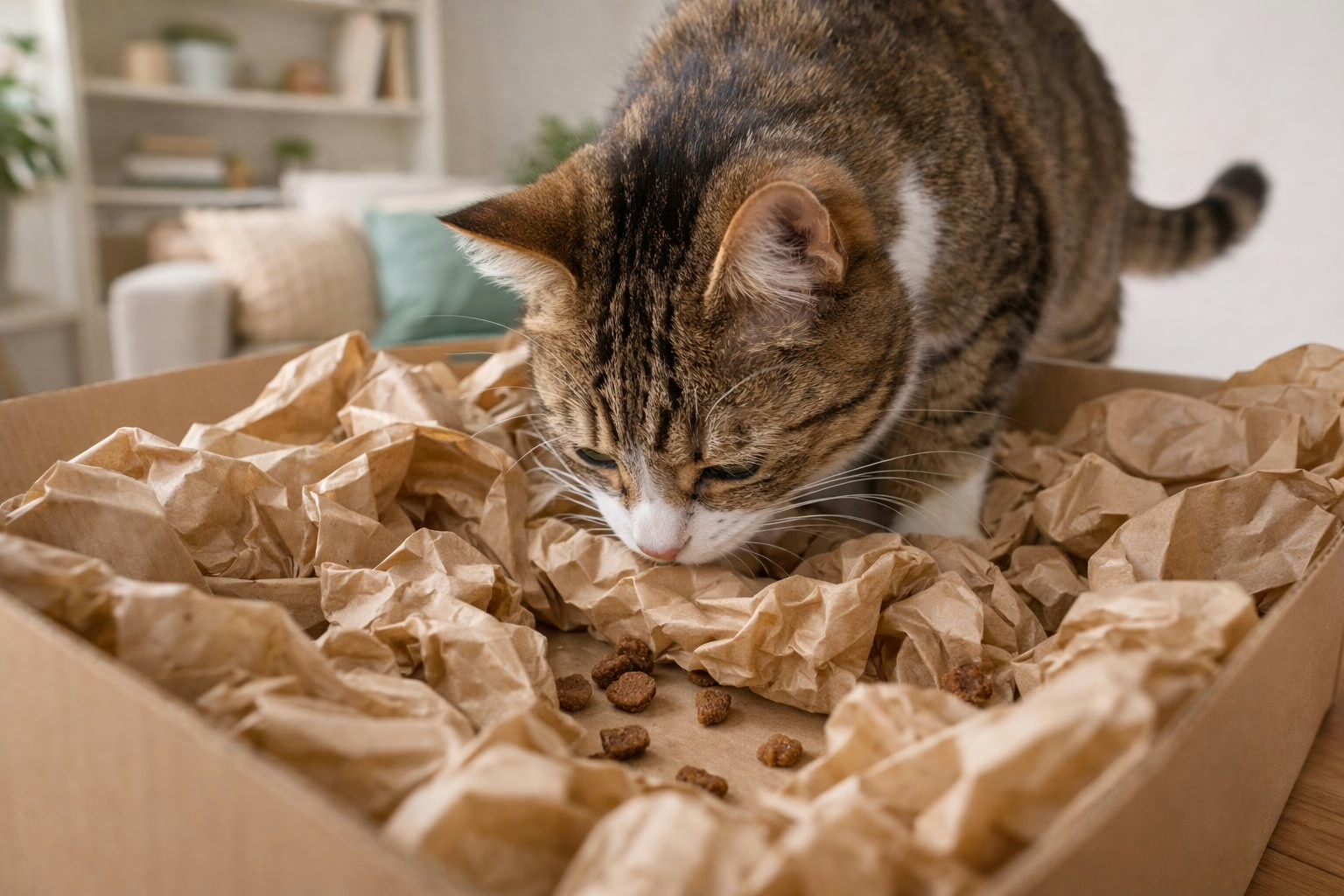
Scent enrichment games tap into hunting instincts while keeping the nose engaged and active. Hide treats in cardboard boxes stuffed with crumpled paper. Your cat has to sniff out the exact location before getting the reward. Rotate toys every week—constant exposure to the same toy makes it scent-saturated and boring.
Bring home new cardboard boxes or paper shopping bags periodically. The manufacturing and shipping process leaves interesting smell signatures that provide mental stimulation. One veterinary behaviorist I know recommends bringing home a small pinecone or interesting leaf from outdoor walks (if it’s safe and hasn’t been treated with chemicals). Indoor cats appreciate novel natural scents.
Catnip, silvervine, and valerian root offer safe scent-based enrichment. About 70% of cats respond to catnip through genetic inheritance. If your cat doesn’t react to catnip, try silvervine (80% response rate) or valerian root (different chemical compound that triggers interest in some catnip-nonresponders).
Avoid strong chemicals anywhere your cat regularly spends time. Switch to unscented litter rather than varieties perfumed with “fresh mountain meadow” or “spring rain” scents. Those fragrances irritate nasal passages and can trigger litter box avoidance.
Choose pet-safe cleaning products—better yet, use diluted white vinegar for most household cleaning. Ventilate thoroughly when you must use stronger products. Never spray aerosols (air freshener, hairspray, cooking spray) anywhere near your cat’s face, food bowls, or litter box. If you’re deep-cleaning with bleach or ammonia-based products, move your cat to a different room until surfaces dry completely and fumes dissipate.
Recognize when smell loss affects appetite, because this signals a veterinary problem needing prompt attention. Cats who suddenly turn picky, lose weight, or show decreased food interest may have compromised cat nose function. Try warming food to body temperature (increases aromatic molecule release). Offer varieties with stronger natural smells—most cats find fish-based foods more aromatic than chicken or beef. Add a tablespoon of low-sodium chicken broth to dry food.
If appetite doesn’t rebound within 24-48 hours, call your veterinarian. Cats can develop serious liver problems (hepatic lipidosis) after just three to four days of not eating.
Maintain good nasal health through environmental management. Run a humidifier during dry winter months when forced-air heating cracks and irritates nasal tissue. Ensure your cat gets core vaccinations on schedule—this reduces (though doesn’t eliminate) the risk of upper respiratory infections.
Address dental problems promptly. Annual veterinary dental cleanings prevent periodontal disease from progressing to the point where it affects smell. Watch for bad breath, drooling, or reluctance to eat hard food—all signs of dental issues requiring attention.
Monitor for early signs of nasal problems: frequent sneezing, discharge from either nostril, pawing at the face, noisy breathing, or head shaking. Caught early, most nasal problems resolve with treatment before permanent damage occurs.
Preserve scent familiarity during stressful transitions. When moving to a new house, bring items saturated with familiar smells: bedding, scratching posts, favorite toys. Set up one room as a safe space with all the familiar-smelling items before allowing access to the whole house.
If you’re introducing a new pet, exchange scent first through bedding. Let each animal investigate the other’s smell for several days before face-to-face meetings. After veterinary visits, give your cat time to re-establish their scent profile on you before expecting normal affectionate behavior. The clinic smell (disinfectant, stressed animals, medications) temporarily masks your familiar scent.
FAQs
Dogs win at long-distance scent tracking because they’ve got 20-100 million more olfactory receptors than cats (the exact number depends on dog breed). But cats excel at pheromone interpretation through their highly developed vomeronasal organs. Cats are also better equipped to analyze complex chemical signals related to social communication and territorial disputes. Bottom line: dogs make better trackers; cats make more sophisticated pheromone analysts.
Your cat is verifying your identity and gathering intelligence about your recent activities. Face-smelling tells your cat where you’ve been, what you ate, whether you petted other animals, and confirms you match the stored scent profile of “safe family member.” Morning face-smelling happens because your scent shifts slightly during sleep (different pheromone concentrations, no recent shower, mouth bacteria buildup), and your cat wants to update their recognition file.
Senior cats experience gradual olfactory decline as receptors regenerate more slowly and the olfactory bulb shrinks with advancing age. Most healthy cats maintain adequate smell function for daily life, though they might miss faint scents that would have caught their attention at age three. Sudden or dramatic smell loss in older cats usually indicates medical problems (infections, polyps, tumors, dental disease) rather than normal aging alone.
Strong food odors (especially fish or meat) can travel several hundred yards under ideal conditions: fresh food, favorable wind direction, minimal competing smells. Indoor cats typically detect food preparation from anywhere in an average-sized house. The actual detection distance depends heavily on the food type—sardines in oil register from much farther away than plain dry kibble—and environmental factors like air circulation, humidity, and whether stronger smells are masking the food odor.
Cats detect chemical changes associated with illness in both other cats and humans. They may notice diabetic ketoacidosis (producing a distinctive fruity smell), certain cancers (which alter body chemistry in detectable ways), infections, and kidney failure (creating uremic breath). Some cats persistently sniff or paw at specific body areas where tumors or infections develop. While this behavior isn’t reliable enough for diagnosis, it’s worth mentioning to your doctor if your cat suddenly shows unusual attention to a particular spot on your body.
Appetite typically crashes because cats depend heavily on food aroma to trigger eating behavior. Affected cats often become anxious or disoriented—they can’t use scent markers to navigate territory confidently anymore. Social behavior changes too, as cats lose the ability to recognize familiar people and animals through smell. They might react fearfully to household members who suddenly “don’t smell right.” Most causes of smell loss—respiratory infections, nasal polyps, environmental irritants—respond to treatment. See your veterinarian promptly if you suspect olfactory impairment.
Your cat operates in a scent-rich reality that humans barely perceive. Those 200 million olfactory receptors plus the specialized vomeronasal organ create a chemical information network that shapes nearly every decision your cat makes daily. Territory boundaries, food safety, social bonds, individual recognition: all of it flows through the nose.
Supporting cat scent behavior means creating an environment that respects this critical sense. Ditch the harsh chemicals and heavy fragrances. Offer scent-based enrichment through novel objects and safe plants like catnip. Watch for behavioral changes (food refusal, decreased grooming, social withdrawal) that signal compromised smell function requiring veterinary care.
Most cat owners underestimate how central smell is to feline wellbeing. We’re visual creatures trying to understand an animal that lives in a scent-based world. Make sure your cat’s vaccinations stay current—this protects against respiratory viruses that can permanently damage the olfactory system. Address dental problems before they affect smell. Choose unscented litter and avoid aerosolized products near your cat’s living areas.
The better you understand feline scent detection, the stronger your bond becomes with your cat. You’ll recognize what those intense sniffing sessions mean. You’ll know why your cat rubs on you after you’ve been away. You’ll understand the frozen open-mouth grimace as sophisticated chemical analysis rather than just a funny face. That awareness deepens the relationship and helps you advocate for your cat’s needs throughout their life.