
- Does Your Cat Really Need This Bath?
- What You Need Before You Start
- Step-by-Step Cat Bath Process
- How to Keep Your Cat Calm During Bath Time
- Common Cat Bathing Mistakes to Avoid
- After the Bath: Drying and Follow-Up Care
- Cat Shampoo Types Comparison
- How often should I bathe my cat?
Healthy cats with normal grooming habits? Never, actually. If bathing becomes necessary, every 4-6 weeks is the maximum for routine cleaning. Hairless breeds like Sphynx cats need washing every week or two because oil builds up on their skin without fur to absorb it. Cats with medical conditions follow whatever schedule their vet prescribes—could be weekly, could be monthly, depends entirely on what’s being treated. Bathing too often strips away the protective oils their skin and coat need, potentially causing dryness and irritation.
What if my cat scratches or bites during the bath?Defensive scratching or biting signals fear, not meanness. Stop immediately if your cat escalates beyond mild complaining to genuine panic. For necessary baths with resistant cats, try desensitization training over several weeks first. Some owners use cat grooming bags that restrain the body while leaving the head free, though these work better for nail trimming than bathing. Professional groomers or vet techs have experience handling difficult cats and can complete necessary baths more safely than most owners. Never punish a cat for defensive behavior during baths—you’ll only increase their fear and make future baths worse.
What should I do with a cat who hates water?Start with alternatives: waterless shampoos, grooming wipes, or professional grooming services handle many situations. If water bathing is medically necessary, try desensitization over weeks—get them comfortable with the bathroom environment, then the empty tub, then small amounts of water gradually. Use minimal water depth (just 3-4 inches), fill the tub before bringing your cat in to eliminate running water noise, and work quickly but calmly. Some cats tolerate sink baths better than tubs because smaller spaces feel more secure. Consider having your vet perform necessary baths, particularly for medicated treatments, if home bathing causes severe stress.
Is it safe to bathe a kitten?Kittens over 8 weeks old can be bathed if truly necessary, though it’s rarely needed. Young kittens struggle with temperature regulation compared to adults, so keep them warm and dry them thoroughly afterward. Use kitten-specific or extremely gentle cat shampoo. Kittens under 8 weeks should only be bathed in emergencies, preferably with vet guidance. Early positive exposure to bathing can help adult tolerance later, but forcing a terrifying experience on a kitten creates lasting fear. Focus on gentle handling, warm water, and quick, efficient bathing if it’s genuinely necessary.
FAQs
FAQs
FAQs
Healthy cats with normal grooming habits? Never, actually. If bathing becomes necessary, every 4-6 weeks is the maximum for routine cleaning. Hairless breeds like Sphynx cats need washing every week or two because oil builds up on their skin without fur to absorb it. Cats with medical conditions follow whatever schedule their vet prescribes—could be weekly, could be monthly, depends entirely on what’s being treated. Bathing too often strips away the protective oils their skin and coat need, potentially causing dryness and irritation.
Defensive scratching or biting signals fear, not meanness. Stop immediately if your cat escalates beyond mild complaining to genuine panic. For necessary baths with resistant cats, try desensitization training over several weeks first. Some owners use cat grooming bags that restrain the body while leaving the head free, though these work better for nail trimming than bathing. Professional groomers or vet techs have experience handling difficult cats and can complete necessary baths more safely than most owners. Never punish a cat for defensive behavior during baths—you’ll only increase their fear and make future baths worse.
Start with alternatives: waterless shampoos, grooming wipes, or professional grooming services handle many situations. If water bathing is medically necessary, try desensitization over weeks—get them comfortable with the bathroom environment, then the empty tub, then small amounts of water gradually. Use minimal water depth (just 3-4 inches), fill the tub before bringing your cat in to eliminate running water noise, and work quickly but calmly. Some cats tolerate sink baths better than tubs because smaller spaces feel more secure. Consider having your vet perform necessary baths, particularly for medicated treatments, if home bathing causes severe stress.
Kittens over 8 weeks old can be bathed if truly necessary, though it’s rarely needed. Young kittens struggle with temperature regulation compared to adults, so keep them warm and dry them thoroughly afterward. Use kitten-specific or extremely gentle cat shampoo. Kittens under 8 weeks should only be bathed in emergencies, preferably with vet guidance. Early positive exposure to bathing can help adult tolerance later, but forcing a terrifying experience on a kitten creates lasting fear. Focus on gentle handling, warm water, and quick, efficient bathing if it’s genuinely necessary.
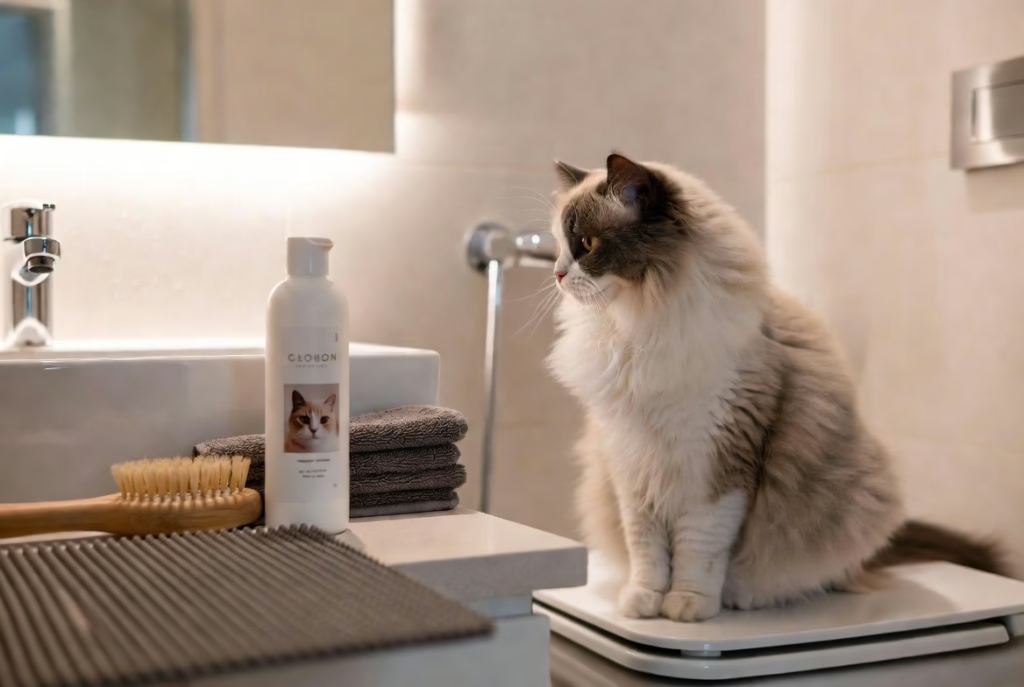
Your cat spends a solid chunk of the day licking every inch of fur they can reach. Yet sometimes—maybe they’ve discovered the joys of rolling in mud, or their vet prescribed a special shampoo, or age has made grooming too difficult—you’ll need to step in with an actual bath. I won’t lie: it’s not always pretty. But skip the dread. When you know what you’re doing and set things up right, cat bath time shifts from potential disaster to something you can both survive (maybe even without too many scratches).
Does Your Cat Really Need This Bath?
Cats handle their own cleaning remarkably well, so before you fill that tub, let’s figure out if a bath is actually necessary.
Health issues create the strongest case. An arthritic cat can’t twist around to clean their back end anymore. Overweight cats face the same problem—they simply can’t reach everywhere. Skin problems change the game entirely: ringworm requires medicated washes, and so do bacterial infections or certain parasite situations. Your vet will tell you specifically what’s needed. Older cats gradually lose interest in grooming, sometimes leaving their coat greasy or matted in spots they used to keep spotless.
What’s happening outside matters too. Did your outdoor cat walk through a puddle of automotive fluid? That needs immediate attention—you can’t let them lick motor oil off their paws. Long-haired breeds like Persians sometimes develop mats so tight that dirt gets trapped against their skin. Meanwhile, hairless cats like the Sphynx need regular washing (weekly or biweekly) because their skin cranks out oils that would normally get absorbed by fur.
Here’s the thing about indoor cats: most never need a proper bath unless something goes wrong. Litter box mishaps happen. Kitchen grease splatters. But if your indoor cat just seems a bit musty without being visibly dirty, try grooming wipes or waterless formulas first. When a cat smells off despite grooming normally, that’s often a sign something’s wrong internally—talk to your vet instead of assuming a bath will fix it.
What You Need Before You Start
Get everything ready before your cat realizes what’s about to happen. Scrambling for supplies mid-bath practically guarantees chaos.
The shampoo question is non-negotiable. Human products are off-limits. Our shampoos contain stuff that’s toxic when cats inevitably lick their fur clean later. Dog shampoo? Also terrible—many contain permethrin, a chemical that can seriously harm cats. Buy cat-specific shampoo from a pet store or get it from your vet. Standard gentle formulas work for routine dirt removal. Skin conditions need whatever your vet prescribed.

Set up your washing station thoughtfully. A sink or tub both work, though smaller spaces often make cats feel more secure. Put down a rubber mat or fold a towel on the bottom—slippery surfaces panic cats fast because their claws can’t grip. Here’s a key move: fill the basin with lukewarm water (around 3-4 inches deep) before you bring your cat anywhere near it. That running water sound triggers fear in many cats, so pre-filling makes a huge difference.
Round up these extras:
– Three big, thirsty towels minimum
– Either a handheld sprayer (gentle pressure) or a large plastic cup
– Cotton balls for keeping water out of ears
– Your slicker brush or comb
– High-value treats for bribery
– A second person if your cat’s particularly squirmy
– Trim those claws the day before (do it during the bath and you’re asking for trouble)
Long sleeves aren’t a bad idea. Keep bandages nearby. Even sweet cats scratch when they’re scared. These preparations prevent most disasters before they start.
Step-by-Step Cat Bath Process
Preparing Your Cat and the Bathing Area
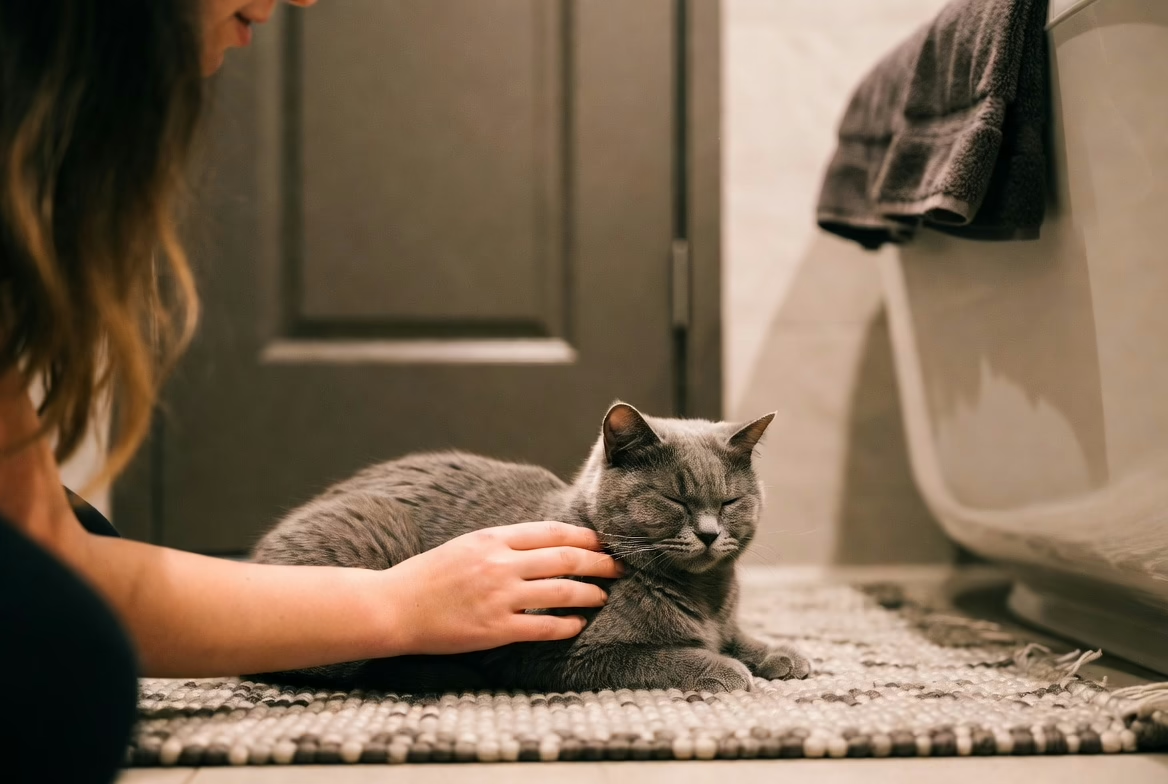
Timing changes everything. Pick a moment when your cat’s already mellowed out—right after they’ve eaten a full meal or played hard for 20 minutes. Trying to bathe a wound-up cat who’s in hunting mode? That’s a recipe for disaster.
Brush thoroughly while they’re still dry. Wet mats turn into impossible tangles that hurt when you try removing them later. You’re also clearing out loose fur that would otherwise clog your drain. While brushing, check their skin—any cuts, weird bumps, or irritated patches? Don’t bathe over those without asking your vet first.
Close that bathroom door and block any escape routes. You’d be amazed at the tiny spaces a panicked wet cat can squeeze through. Everything you need should be within arm’s reach but not where a thrashing cat can knock it into the water. Lay one towel right next to the tub for the immediate post-bath wrap.
Some cats calm down with synthetic pheromone sprays—spray it on a towel about 15 minutes before starting. Results vary wildly by individual cat, but it’s worth trying if you’ve got a really anxious one.
Wetting and Shampooing Technique
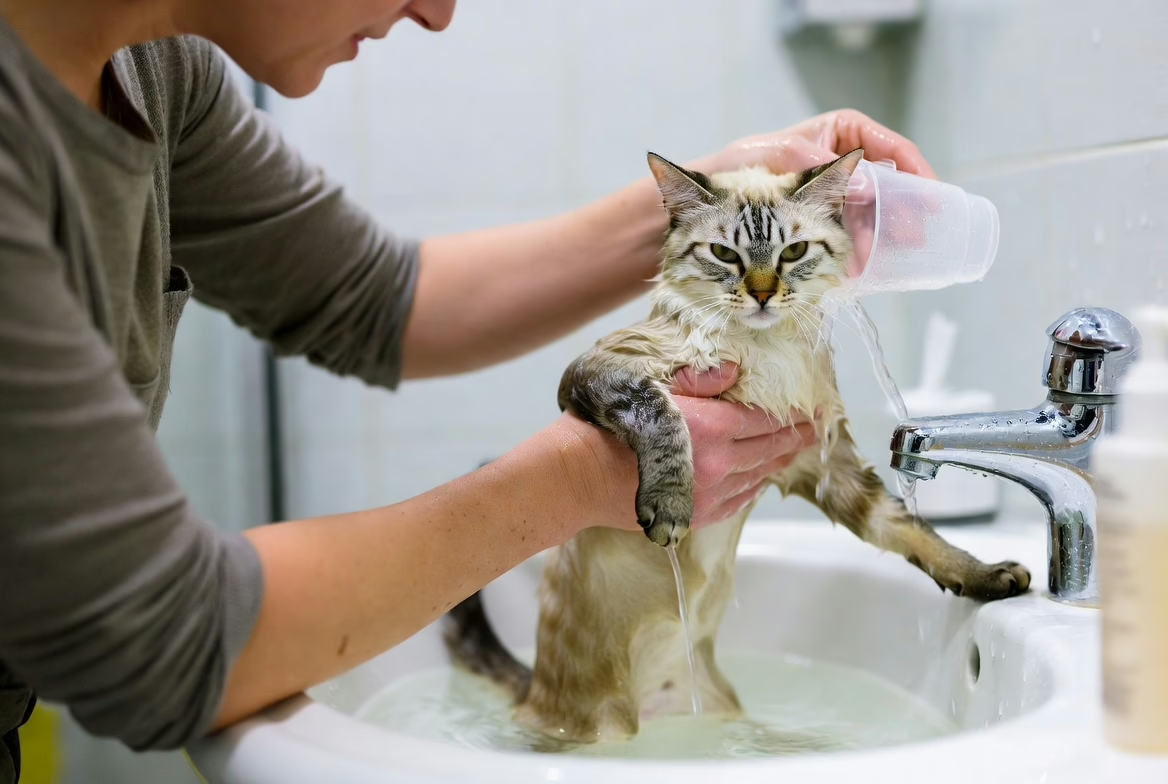
Lower your cat in gently, supporting their chest with one hand and their back end with the other. Keep your voice low and steady—when you sound stressed, they get stressed. One hand stays on them the entire time for both control and reassurance.
Wet the fur slowly. Use your sprayer on the gentlest setting, or just cup water in your hand and pour it on. Start behind their head and work backward toward the tail. Avoid the face completely right now. Most cats tolerate getting their body wet way better than having water near their face. You want them soaked without creating a splashing mess that freaks everyone out.
Squeeze out a quarter-sized dollop of shampoo (slightly more for long-haired cats). Massage it through their coat gently, going with the direction the fur grows. Hit the oily spots—base of the tail, under the chin, between toe pads. Work efficiently but don’t rush so much that you seem frantic.
For the face, dampen a washcloth and wipe carefully around their eyes, nose, and mouth. Skip shampoo unless you’re treating a specific facial skin issue. Never dunk their head underwater or aim the sprayer at their face—that’s how you get water forced into ears and noses, which terrifies cats.
Rinsing and Drying Your Cat
Rinse like you mean it. Leftover shampoo residue makes cats itchy, which leads to scratching, which can damage skin. Use lukewarm water—test it on the inside of your wrist first, baby-bath style. Rinse from neck toward tail until the water runs completely clear. Squeeze excess water from their fur as you go, especially on long-haired breeds where water really gets trapped.
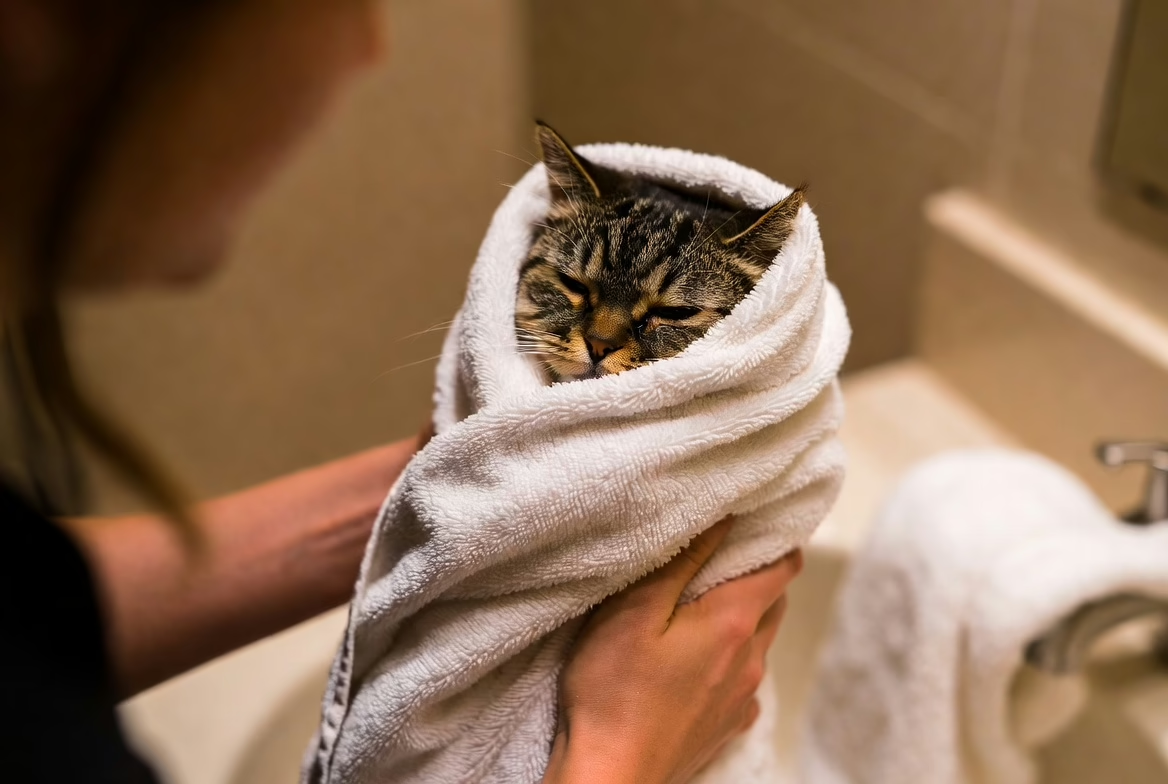
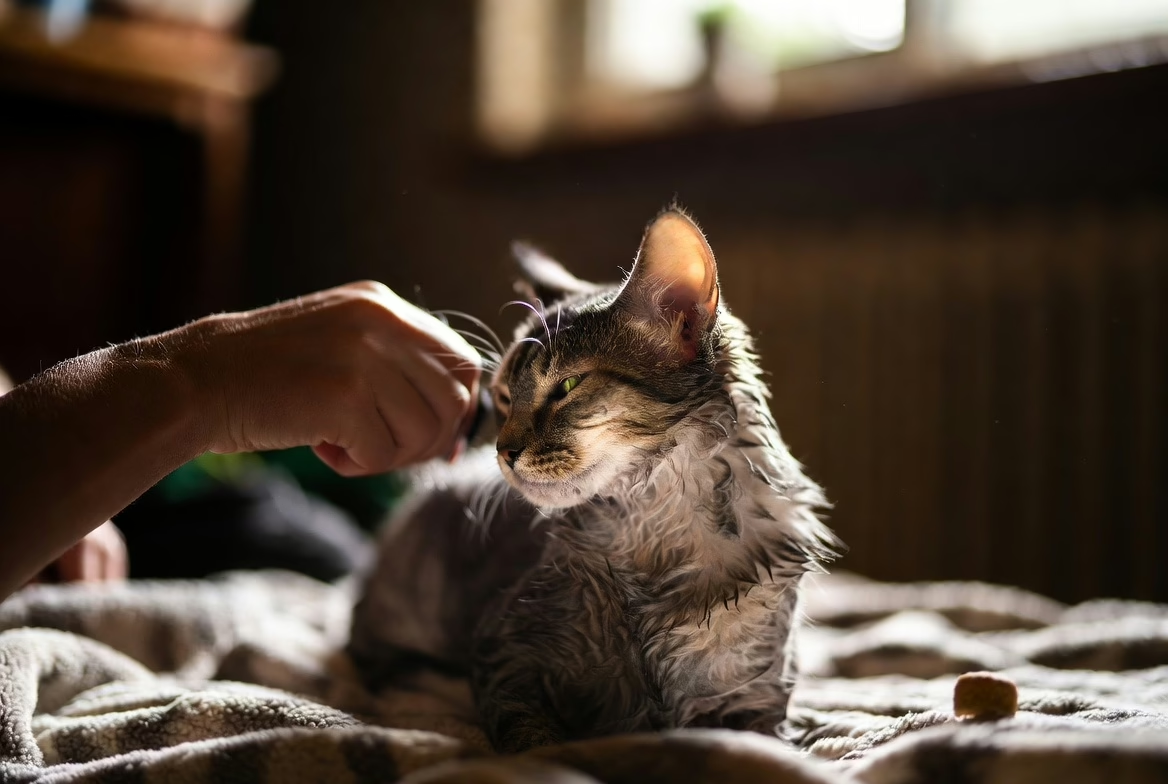
The bath-to-towel transition happens fast. Lift them out and wrap them in that first dry towel before they can shake water everywhere. Pat firmly—rubbing just tangles long fur. Most cats actually like being wrapped burrito-style for a minute because it’s warm and the pressure feels comforting after the stress.
Switch to your second towel once the first is soaked through. Your goal is removing as much water as possible with towels before you even think about heat drying. Cats usually tolerate this part better since the scary washing bit is over.
How to Keep Your Cat Calm During Bath Time
Watch for stress signals so you can adjust before things escalate. Ears pinned flat against their head? Pupils dilated huge? Low growling or a tail whipping back and forth? They’re getting seriously anxious. When you spot these signs, slow way down or pause briefly instead of powering through.
Desensitization helps cats who need regular baths. Start several weeks before the actual bath. Put your cat in the empty tub with treats for a few minutes every day. Next, run water in the sink nearby while they eat their favorite food. Later, introduce damp washcloth wipes during normal grooming sessions. This gradual exposure builds tolerance without overwhelming them.
Two people make everything easier for nervous or large cats. One person handles gentle restraint and reassurance—supporting the chest and hindquarters to prevent sudden jumps while keeping the hold secure but not tight. The other person focuses entirely on efficient washing.
Distraction works on some cats. Those lick mats smeared with wet food and stuck to the tub wall? They keep certain cats occupied during washing. Other cats do better with minimal stimulation—no talking, no eye contact, just calm, efficient handling.
The biggest mistake cat owners make is approaching bath time with dread. Cats are incredibly perceptive and will mirror your anxiety. If you’re tense, they become tense. Treating it as a routine procedure rather than a dreaded event significantly impacts their response.
Dr. Sarah Chen, who’s board-certified in veterinary behavior at Portland’s Feline Behavior Clinic
Skip punishment completely. Never raise your voice. If your cat moves past annoyed into genuinely terrified—not just complaining but truly panicked—stop the bath. A dirty cat beats a traumatized one or an owner with shredded arms. For cats with severe water phobia, ask your vet about sedation options for medically necessary baths.
Common Cat Bathing Mistakes to Avoid
Getting the water temperature wrong happens constantly. Too cold makes them shiver and miserable. Too hot risks burning their sensitive skin. Cats run slightly warmer than humans (101-102°F normally), so what feels warm to you should feel barely lukewarm. Always test on the inside of your wrist before your cat gets anywhere near it.
Product mistakes go beyond just grabbing your own shampoo. Permethrin in dog shampoos poses serious toxicity risks for cats. Essential oils, tea tree oil, and plenty of “natural” products cause bad reactions. Stick with products that explicitly say “for cats” on the label. Keep all shampoo away from eyes, ears, and mouth even when using cat-safe products.
Skipping the pre-bath brushing session creates problems you’ll regret intensely. Mats tighten when wet and pull painfully on skin. They also take forever to dry, creating damp spots where bacteria and yeast love to grow. Ten minutes of brushing beforehand saves you from dealing with painful mat removal afterward.
Forcing the process when your cat is genuinely terrified damages your relationship and makes future baths exponentially harder. Mild protest—some complaining meows and attempts to hop out—differs completely from true panic. Learn where your individual cat’s limit sits. For cats who absolutely cannot handle water, professional groomers experienced with difficult cats or your vet’s staff can handle necessary baths more safely.
Forgetting to secure the environment leads to wet-cat chaos. A soaking wet cat rocketing through your house knocks stuff over, hides in impossible spots while dripping everywhere, and creates a way bigger mess than just staying in the bathroom. Always double-check that door is firmly closed and potential hiding spots are blocked.
After the Bath: Drying and Follow-Up Care
Towel drying stays the safest bet for most cats. Keep them in a warm room without drafts until they’re completely dry. Cats can get chilled when left damp, especially in air-conditioned spaces. Long-haired breeds might take several hours to dry fully.
Blow dryers work only for unusually tolerant cats and require serious caution. Use exclusively the cool or low-heat setting—never hot air. Hold the dryer at least a foot from their skin and keep it moving constantly to prevent heat concentration in one spot. The noise terrifies most cats, so this really only works for remarkably chill individuals. Pet-specific dryers designed for lower noise and adjustable temperature beat human hair dryers significantly for safety.
Brush again once they’re about 80% dry. This prevents tangles from setting and spreads natural oils back through their coat. It’s also a bonding moment—most cats enjoy brushing, so it helps end the bath experience on a positive note.
Monitor their skin over the next day or two. Redness, excessive scratching, or weird behavior might signal a reaction to the shampoo or an underlying skin issue that bathing aggravated. Call your vet if anything seems off.
Reward your cat after every single bath, regardless of how it went. High-value treats, extended playtime, or their absolute favorite meal builds positive associations. Even if the bath was stressful, ending well helps build tolerance for next time.
For cats needing regular bathing due to medical conditions, consistency matters. Same time, same location, same procedure helps cats adapt. They might never love baths, but they can learn to tolerate them as just another part of their routine.
Cat Shampoo Types Comparison
| Shampoo Type | Best For | Pros | Cons | Frequency of Use |
|---|---|---|---|---|
| Standard Cat Shampoo | Routine cleaning of healthy cats | Gentle on skin, budget-friendly, easy to find | Doesn’t treat medical issues | Every 4-6 weeks maximum if needed |
| Medicated Shampoo | Fungal infections, bacterial problems, parasites | Targets specific conditions, vet-recommended for treatment | Needs prescription, can dry out skin, must stay on for specific time | Whatever your vet prescribes |
| Hypoallergenic Shampoo | Sensitive skin, cats with allergies | No fragrance, fewer ingredients, gentler formulation | Costs more, limited scent variety | Whenever bathing is needed |
| Waterless Shampoo | Water-phobic cats, spot cleaning, between baths | No rinsing needed, way less stressful, convenient | Doesn’t deep clean, needs thorough brushing out, can leave residue | Between regular baths or for cats who panic with water |
| Degreasing Shampoo | Exposure to oil, grease, sticky substances | Removes petroleum-based products effectively | Strips natural oils if you overuse it | One-time use for specific incidents only |
FAQs
FAQs
FAQs
How often should I bathe my cat? Healthy cats with normal grooming habits? Never, actually. If bathing becomes necessary, every 4-6 weeks is the maximum for routine cleaning. Hairless breeds like Sphynx cats need washing every week or two because oil builds up on their skin without fur to absorb it. Cats with medical conditions follow whatever schedule their vet prescribes—could be weekly, could be monthly, depends entirely on what’s being treated. Bathing too often strips away the protective oils their skin and coat need, potentially causing dryness and irritation.
What if my cat scratches or bites during the bath? Defensive scratching or biting signals fear, not meanness. Stop immediately if your cat escalates beyond mild complaining to genuine panic. For necessary baths with resistant cats, try desensitization training over several weeks first. Some owners use cat grooming bags that restrain the body while leaving the head free, though these work better for nail trimming than bathing. Professional groomers or vet techs have experience handling difficult cats and can complete necessary baths more safely than most owners. Never punish a cat for defensive behavior during baths—you’ll only increase their fear and make future baths worse.
What should I do with a cat who hates water? Start with alternatives: waterless shampoos, grooming wipes, or professional grooming services handle many situations. If water bathing is medically necessary, try desensitization over weeks—get them comfortable with the bathroom environment, then the empty tub, then small amounts of water gradually. Use minimal water depth (just 3-4 inches), fill the tub before bringing your cat in to eliminate running water noise, and work quickly but calmly. Some cats tolerate sink baths better than tubs because smaller spaces feel more secure. Consider having your vet perform necessary baths, particularly for medicated treatments, if home bathing causes severe stress.
Is it safe to bathe a kitten? Kittens over 8 weeks old can be bathed if truly necessary, though it’s rarely needed. Young kittens struggle with temperature regulation compared to adults, so keep them warm and dry them thoroughly afterward. Use kitten-specific or extremely gentle cat shampoo. Kittens under 8 weeks should only be bathed in emergencies, preferably with vet guidance. Early positive exposure to bathing can help adult tolerance later, but forcing a terrifying experience on a kitten creates lasting fear. Focus on gentle handling, warm water, and quick, efficient bathing if it’s genuinely necessary.
Healthy cats with normal grooming habits? Never, actually. If bathing becomes necessary, every 4-6 weeks is the maximum for routine cleaning. Hairless breeds like Sphynx cats need washing every week or two because oil builds up on their skin without fur to absorb it. Cats with medical conditions follow whatever schedule their vet prescribes—could be weekly, could be monthly, depends entirely on what’s being treated. Bathing too often strips away the protective oils their skin and coat need, potentially causing dryness and irritation.
Defensive scratching or biting signals fear, not meanness. Stop immediately if your cat escalates beyond mild complaining to genuine panic. For necessary baths with resistant cats, try desensitization training over several weeks first. Some owners use cat grooming bags that restrain the body while leaving the head free, though these work better for nail trimming than bathing. Professional groomers or vet techs have experience handling difficult cats and can complete necessary baths more safely than most owners. Never punish a cat for defensive behavior during baths—you’ll only increase their fear and make future baths worse.
Start with alternatives: waterless shampoos, grooming wipes, or professional grooming services handle many situations. If water bathing is medically necessary, try desensitization over weeks—get them comfortable with the bathroom environment, then the empty tub, then small amounts of water gradually. Use minimal water depth (just 3-4 inches), fill the tub before bringing your cat in to eliminate running water noise, and work quickly but calmly. Some cats tolerate sink baths better than tubs because smaller spaces feel more secure. Consider having your vet perform necessary baths, particularly for medicated treatments, if home bathing causes severe stress.
Kittens over 8 weeks old can be bathed if truly necessary, though it’s rarely needed. Young kittens struggle with temperature regulation compared to adults, so keep them warm and dry them thoroughly afterward. Use kitten-specific or extremely gentle cat shampoo. Kittens under 8 weeks should only be bathed in emergencies, preferably with vet guidance. Early positive exposure to bathing can help adult tolerance later, but forcing a terrifying experience on a kitten creates lasting fear. Focus on gentle handling, warm water, and quick, efficient bathing if it’s genuinely necessary.
Successfully bathing a cat boils down to three things: preparation, patience, and understanding your individual cat’s tolerance. Most cats won’t need frequent baths, but knowing proper technique protects everyone when bathing becomes necessary. The right supplies, a calm approach, and attention to stress signals transform a potentially chaotic experience into something manageable.
Every cat reacts differently. What works beautifully for one might fail spectacularly with another. Pay attention to what your specific cat responds to and adjust accordingly. Whether you’re managing a medical condition requiring regular bathing or handling a one-time cleanup after an unfortunate incident, following these guidelines ensures the experience stays as safe and stress-free as possible. With practice, you might find your cat progresses from terrified resistance to grudging tolerance—and honestly, that counts as a major victory in cat care.