

When you adopt a cat, you’re signing up for 15 to 20 years of companionship—and responsibility. Sure, cats don’t need daily walks like dogs do, but don’t mistake independence for self-sufficiency. Your feline friend depends on you for proper feeding, health monitoring, and yes, even entertainment. Miss the mark on any of these, and you might end up with a cranky, overweight cat who pees on your laundry. Get it right, though? You’ll have a purring, playful companion who actually seems to enjoy your company.
What Cats Need to Stay Healthy and Happy
Your cat’s needs go way beyond tossing some kibble in a bowl and calling it a day. Real feline wellness rests on five pillars: proper nutrition, adequate water intake, appropriate shelter, routine medical attention, and mental engagement.
Here’s something most new owners don’t realize: cats evolved as desert hunters, which means they’re hardwired to get most of their moisture from prey. Their thirst drive is naturally weak, making dehydration a sneaky problem that contributes to kidney disease down the road. That’s why the type of food you choose matters more than you’d think.
Shelter means different things to different cats. One might claim your bed as headquarters, while another prefers the back of your closet. What matters is having options—places where your cat feels protected from household chaos or just needs a break from your toddler’s enthusiastic “petting.”
Healthcare shouldn’t wait until something’s wrong. Vaccinations, flea prevention, and teeth cleaning stop problems before they start. Your wallet will thank you later—emergency vet bills for preventable conditions easily run into thousands.
And emotional needs? Real talk: cats get bored, lonely, and depressed. That aloof reputation is overblown. Most cats crave interaction and stimulation; they just express it differently than dogs. Ignore this aspect of cat ownership and you might find yourself dealing with destructive behaviors or litter box rebellion.
Feeding Your Cat the Right Way
Let’s talk about what actually belongs in your cat’s food bowl. Cats are what scientists call obligate carnivores—basically, they need meat to survive, not just prefer it. Their bodies lack the ability to produce certain nutrients like taurine and arginine from plant sources, so animal protein isn’t optional.
Flip over any cat food package and scan those ingredients. You want real meat—chicken, beef, fish, turkey—in the first three positions. Be suspicious of vague terms like “animal digest” or “meat meal” without specifying which animal. And those bags loaded with corn, wheat, or rice? They’re cheap fillers that bulk up the food without providing much your cat can actually use. Some cats do fine with moderate grain content, but many just pack on weight.
Here’s where most owners go wrong: portion sizes. That adorable begging face convinces us to keep refilling the bowl, but an average 10-pound cat needs roughly 200-240 calories daily—that’s about half a cup of dry food or one 5.5-ounce can of wet food. Not both. Activity level matters too. A playful young cat burns more calories than your 12-year-old couch potato.
Forget free-feeding unless you enjoy paying for feline diabetes treatment. Instead, serve two or three measured meals at the same times daily. Your cat’s digestive system will adjust, and you’ll immediately notice if they skip a meal—often the first sign something’s wrong.
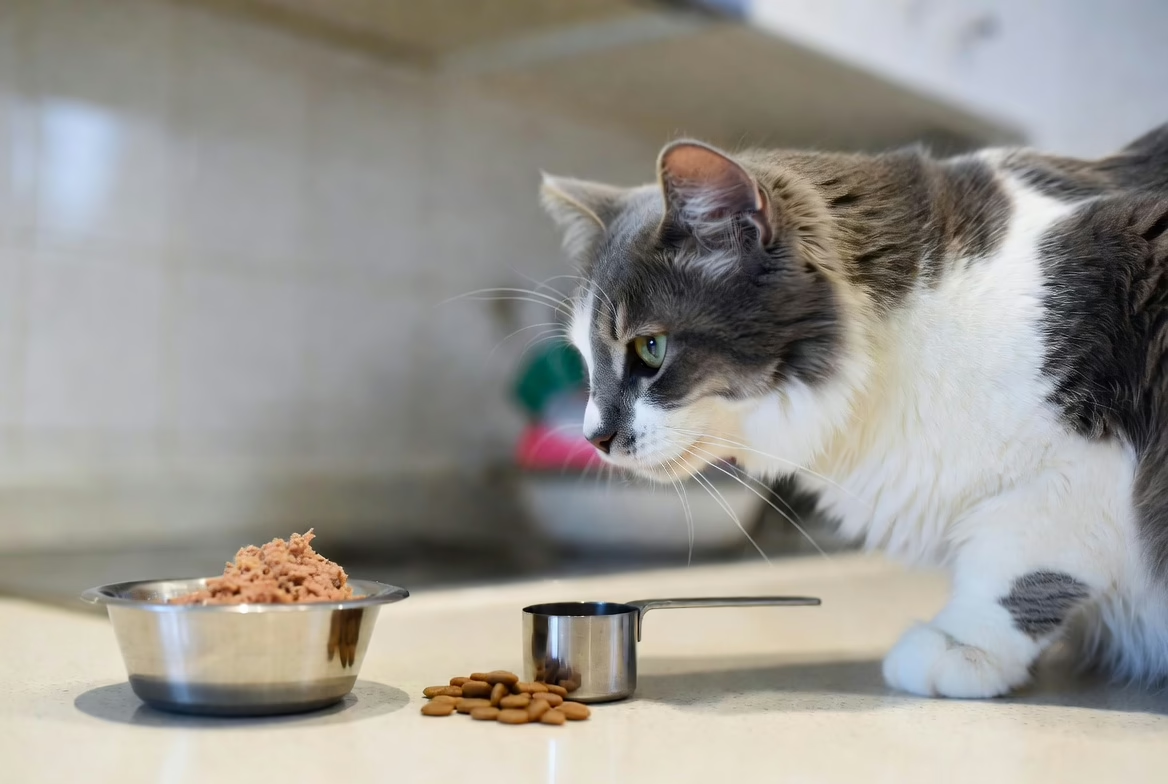
Wet Food vs. Dry Food: What’s Best?
Both options have their place, and many vets suggest mixing them. Here’s how they stack up:
| Factor | Wet Food | Dry Food |
|---|---|---|
| Water Content | Contains 70-80% moisture, excellent for hydration | Only 10% moisture, cat must drink separately |
| Protein Density | Typically higher quality, fewer carbohydrates | Quality varies dramatically by brand |
| Price Point | Costs more per meal | Budget-friendly option |
| Storage | Must refrigerate after opening, spoils quickly | Stays fresh for months, easy to portion |
| Dental Benefits | Doesn’t clean teeth | May help slightly with tartar control |
My recommendation? Use wet food as the foundation—that moisture content is genuinely valuable for kidney and urinary tract health. Add a small dry food portion if it fits your budget and routine. Cats prone to crystals or stones should stick primarily to wet food.
Daily Cat Care Routine Every Owner Should Follow
Cats thrive on predictability. Stick to a consistent schedule and you’ll have a calmer, healthier pet. Deviate randomly and you might trigger stress-related behaviors.
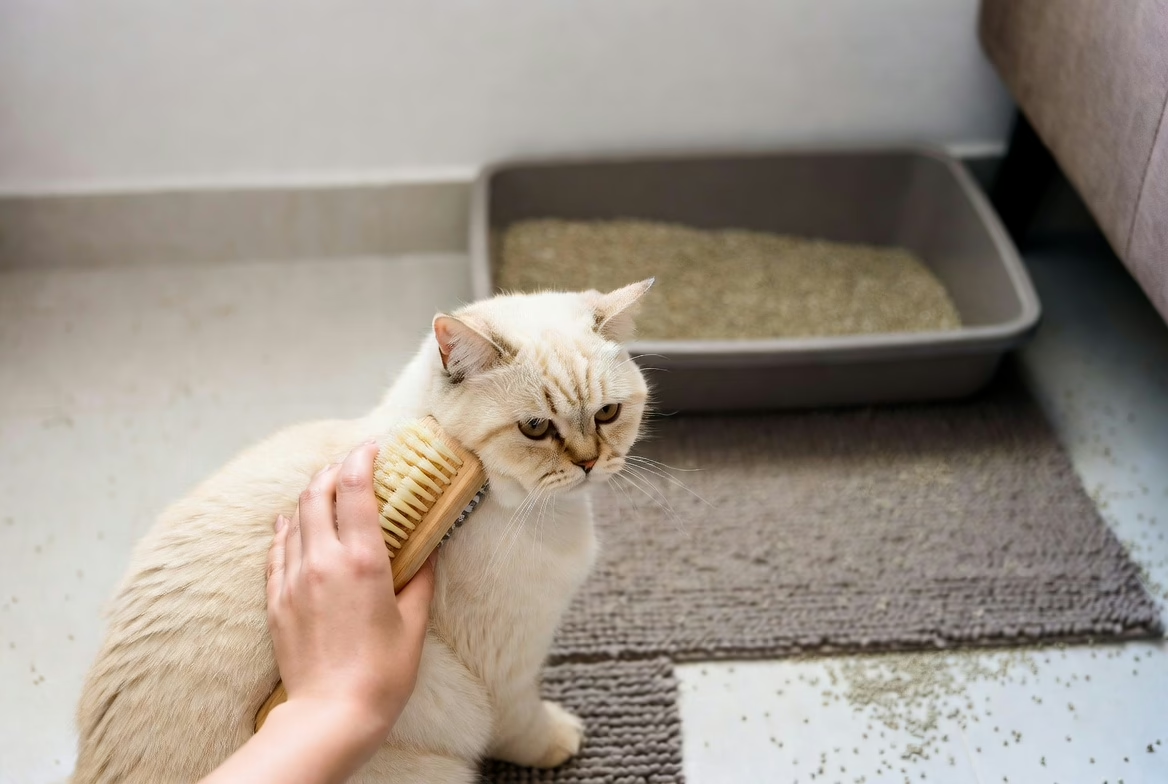
Litter Box Maintenance
Nothing sends a cat to pee on your bed faster than a filthy litter box. These animals are hardwired for cleanliness—in the wild, leaving waste around attracts predators. That instinct doesn’t disappear just because they live in your apartment.
Grab a scoop every single day, no excuses. Got three cats? Scoop morning and night. Once every two weeks, dump all the litter, scrub the box with unscented dish soap (cats hate perfumes), rinse thoroughly, and refill with fresh litter.
Location matters more than most people think. Would you use a bathroom next to your dining table? Didn’t think so. Keep boxes away from food and water. Avoid high-traffic hallways or noisy laundry rooms. The formula for number of boxes is simple: one per cat, plus a bonus. Three cats means four boxes spread throughout your home, not stacked in one room.
Grooming and Brushing
Hair management isn’t just about keeping fur off your couch—it prevents painful hairballs and lets you spot skin problems early. Run your hands over your cat weekly, feeling for lumps, scabs, or tender spots that make them flinch.
Short-haired cats need brushing two to three times weekly. Long-haired breeds like Ragdolls or Himalayans? You’re looking at daily sessions to prevent mats that pull at the skin and create infection-prone areas. Use a metal comb for the undercoat and work in sections, always following hair direction.
Nail trimming tends to freak out new owners, but it’s not complicated. Every two weeks, trim just the clear tip—stay away from the pink quick where blood vessels are. Cat freaking out? Do one paw per day instead of fighting through all four at once. Use actual cat nail clippers; human ones crush instead of cutting cleanly.
Playtime and Mental Stimulation
An under-stimulated cat is a destructive cat. Without an outlet for hunting instincts, your cat might redirect that energy toward attacking your ankles at 3 AM or shredding your curtains.
Commit to two 15-minute play sessions daily—morning and evening work well. Wand toys with feathers or ribbons let you simulate prey movement without sacrificing your hands. Move the toy like an injured bird or scurrying mouse: quick movements followed by pauses. Let your cat actually catch and “kill” the toy sometimes; constant failure frustrates them.
Laser pointers are controversial because the cat never catches anything tangible. If you use one, always end the session by directing the light toward a physical toy your cat can pounce on. This provides the satisfaction of a successful hunt.
Puzzle feeders turn mealtime into mental exercise. Even something as basic as scattering kibble across a muffin tin makes your cat work for food, slowing down speed eaters while engaging their brain.

Veterinary Care and Health Monitoring
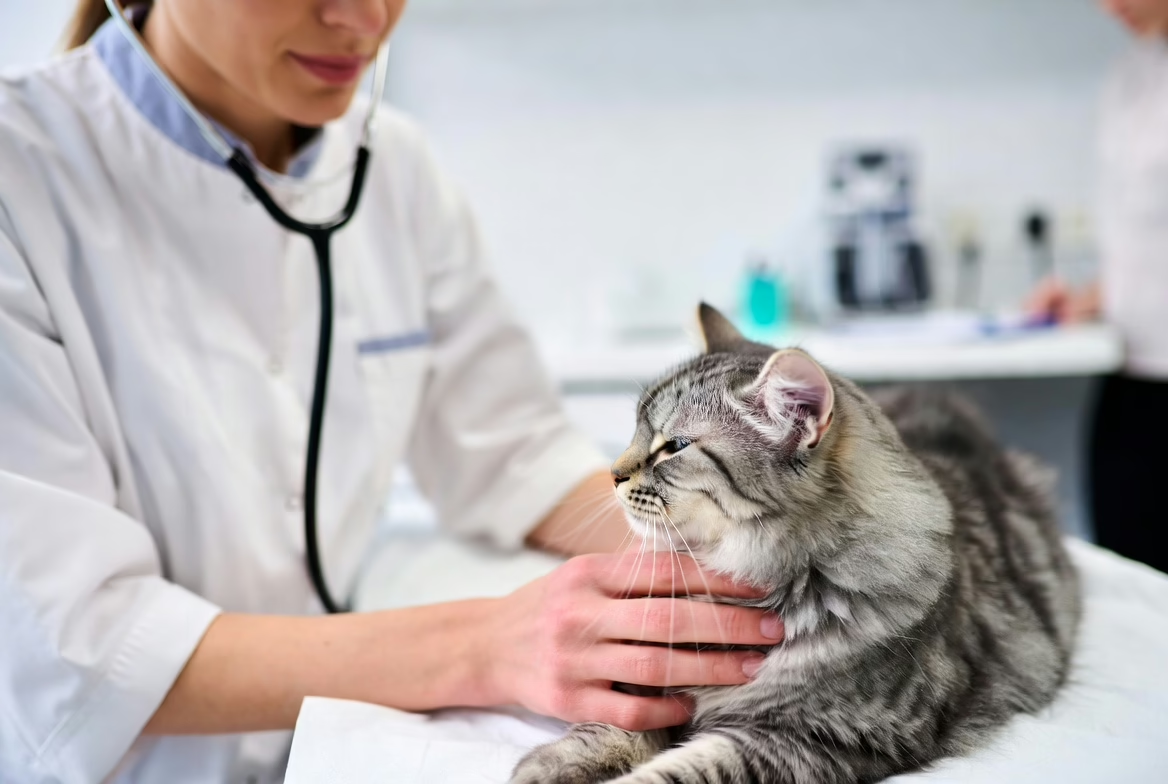
You can’t negotiate with biology—cats need professional medical care whether they act sick or not. Adult cats should see a vet annually. Seniors (seven years plus) need checkups every six months because age-related diseases like kidney failure and hyperthyroidism progress quickly.
Those appointments typically include a full physical exam, weight tracking, teeth inspection, and conversation about any behavior changes you’ve noticed. For cats over eight, your vet will probably recommend bloodwork screening for common age-related conditions. Catching kidney disease at stage two versus stage four can literally add years to your cat’s life.
Vaccinations protect against serious diseases even if your cat never steps outside. Rabies is legally required in most states. Feline panleukopenia, herpesvirus, and calicivirus vaccines are considered core—meaning every cat should have them. You can track viruses indoors on your shoes or clothing, so “indoor-only” doesn’t equal “safe from disease.”
By the time owners notice symptoms, the disease may already be advanced. Cats instinctively hide weakness—showing vulnerability in the wild meant getting picked off by predators. Regular veterinary checkups catch problems while they’re still manageable.
Dr. Emily Richardson, a DVM specializing in feline medicine.
Learn what’s normal for your cat so you’ll recognize abnormal. Sudden appetite changes, increased thirst, litter box issues, or energy shifts deserve investigation. Vomiting once a month is different from vomiting three times a week. Weight changes are serious in small animals—a one-pound loss on an eight-pound cat is proportionally huge.
Don’t skip parasite prevention. Monthly flea/tick treatments work year-round in most climates, and yes, even indoor cats need them. Fleas hitch rides on your clothing. Intestinal worms spread through microscopic eggs you track inside. Annual fecal testing confirms your prevention protocol is working.
Common Cat Care Mistakes to Avoid
Even experienced owners make these errors. Recognizing them now saves you headaches (and vet bills) later.
Overfeeding tops the list. Obesity affects roughly 60% of American pet cats, according to veterinary studies. Those extra pounds aren’t cute—they’re deadly, increasing diabetes and arthritis risk. If you can’t feel your cat’s ribs with light pressure, they’re overweight. Don’t slash calories drastically, though; rapid weight loss causes hepatic lipidosis, a dangerous liver condition. Work with your vet on a gradual plan.
Skipping annual vet visits seems harmless until it isn’t. Cats age roughly four to five years for every human year. Missing one appointment means ignoring months of potential health changes. Preventative care costs a fraction of emergency treatment for advanced disease.
Dismissing behavioral changes as “mood swings” is dangerous. Hiding constantly, aggression, or neglecting grooming signals pain or illness. Cats don’t act out for attention—they lack that social manipulation instinct. Something’s genuinely wrong.
Litter box problems usually trace to owner error, not spite. Scented litter, dirty boxes, inconvenient locations, or boxes that are too small all cause elimination issues. Before assuming your cat’s being vindictive, rule out urinary tract infections, which are painful and surprisingly common.
Using dog products on cats can kill them. Permethrin-based flea treatments formulated for dogs cause seizures and death in cats. Their liver metabolism works differently. Only use products specifically labeled for feline use—never improvise.
Setting Up a Safe Indoor Environment
Making your home cat-friendly goes beyond aesthetics. You’re creating an environment that meets instinctual needs while eliminating genuine hazards.
Cat-proofing starts with toxin removal. All lilies are deadly to cats—even pollen or water from the vase causes kidney failure. Other dangerous plants include sago palms, azaleas, and tulips. Lock up cleaning supplies, especially anything containing phenols (found in pine cleaners). Antifreeze tastes sweet to cats but causes fatal kidney damage. Even sugar-free gum with xylitol is toxic. Secure medications—acetaminophen and ibuprofen destroy cat red blood cells.
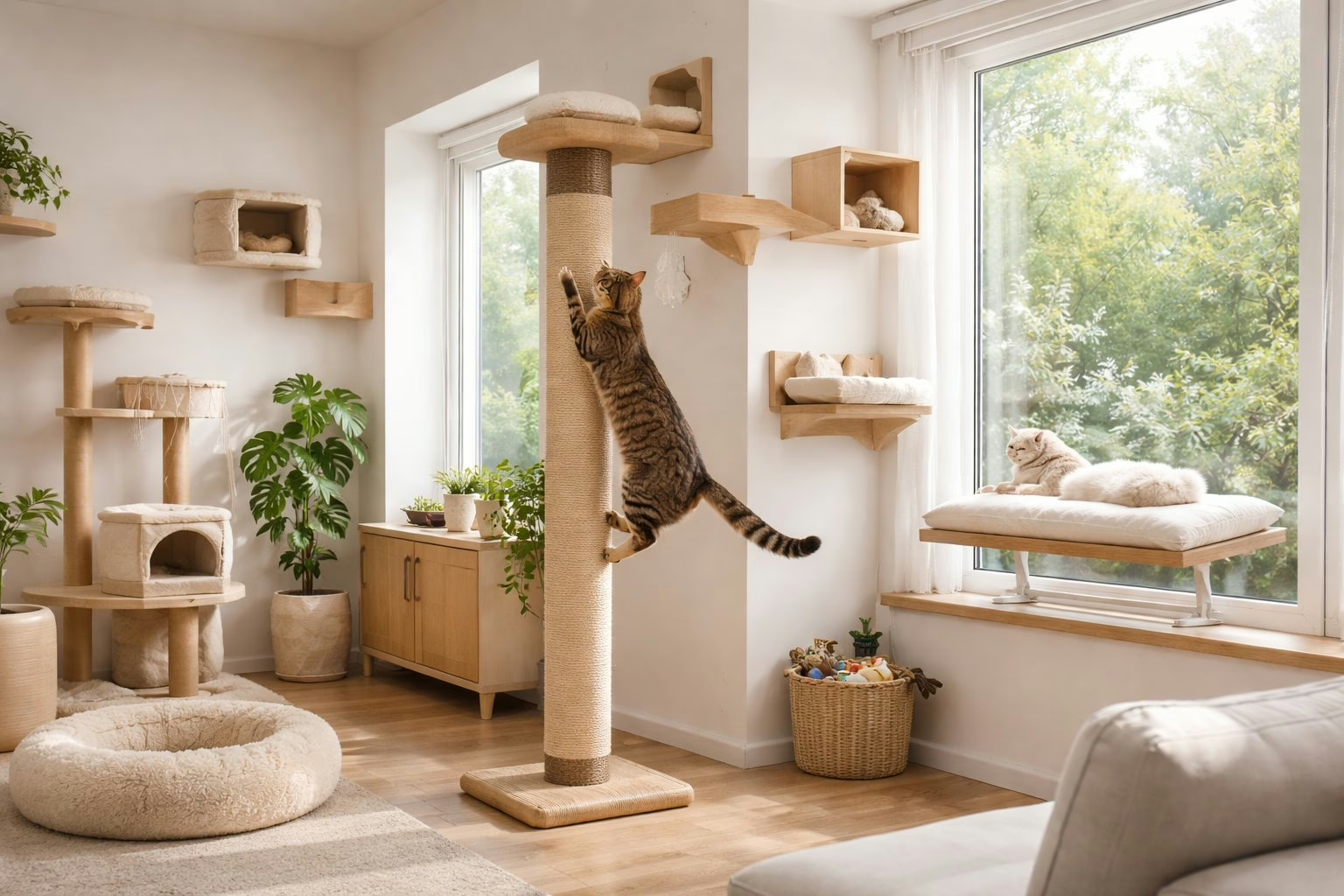
Scratching posts prevent furniture destruction. Cats scratch for multiple reasons: marking territory with scent glands in their paws, stretching shoulder and back muscles, and removing dead outer claw layers. Block this behavior and it redirects to your couch. Place sturdy posts (they can’t wobble) near sleeping areas and doorways. Height matters—the post must be tall enough for a full vertical stretch, usually 30 inches minimum. Sisal rope, corrugated cardboard, and natural wood bark all work; let your cat’s preference guide you.
Toy safety isn’t paranoid—it’s practical. String, yarn, rubber bands, and hair ties cause intestinal blockages requiring emergency surgery. Cats swallow these items because backward-facing tongue barbs make it hard to spit things out once they start swallowing. Avoid toys with small parts that can break off and be swallowed. Inspect toys weekly and toss damaged ones immediately.
Resting areas give your cat control over their environment. Cats sleep 12-16 hours daily and need undisturbed spots to do it. Offer variety: enclosed cave-style beds for security, elevated perches for surveying territory, window seats for entertainment. Multiple options throughout your home let your cat choose based on temperature, household activity, or mood.
Vertical space matters more than square footage. Cat trees, wall-mounted shelves, and tall bookcases let cats move through three-dimensional space, satisfying their climbing instincts. Vertical territory also reduces conflict in multi-cat homes—the high ground goes to the dominant cat without physical confrontation.
FAQs
What is the best diet for an indoor cat? Focus on high-quality animal protein with minimal carbohydrates and fillers. Indoor cats typically need fewer calories than outdoor cats—around 20 calories per pound of body weight daily. Mixing wet food for hydration with small amounts of dry food for convenience works well for most cats.
How often should I clean the litter box? Scoop waste daily without exception. Multi-cat households need twice-daily scooping. Every two weeks, dump all litter, wash the entire box with mild unscented soap, dry completely, and refill with fresh litter. Clean boxes prevent behavioral problems and reduce urinary tract infection risk.
Can I leave my cat alone for a weekend? Healthy adult cats typically handle 48 hours alone if you provide ample food, multiple water sources, and clean litter boxes. Longer absences require a pet sitter or boarding facility. Never leave kittens, senior cats, or cats with medical conditions unsupervised for extended periods.
Proper cat care isn’t complicated, but it does require consistency and attention to detail. You’re not just keeping a pet alive—you’re shaping their quality of life for the next two decades. Focus on the fundamentals: species-appropriate nutrition in controlled portions, daily litter maintenance, regular grooming and play, routine veterinary care, and a stimulating home environment.
Start implementing these practices today. Measure your cat’s food instead of eyeballing it. Add five minutes of interactive play to your evening routine. Schedule that overdue vet appointment. Cat-proof one room at a time. Each small improvement compounds over time.
The relationship you build with your cat reflects the effort you invest. Meet their physical and emotional needs, and you’ll have a confident, affectionate companion who genuinely enjoys your company. That’s not just good pet ownership—it’s the foundation of a genuinely rewarding relationship that benefits both.