
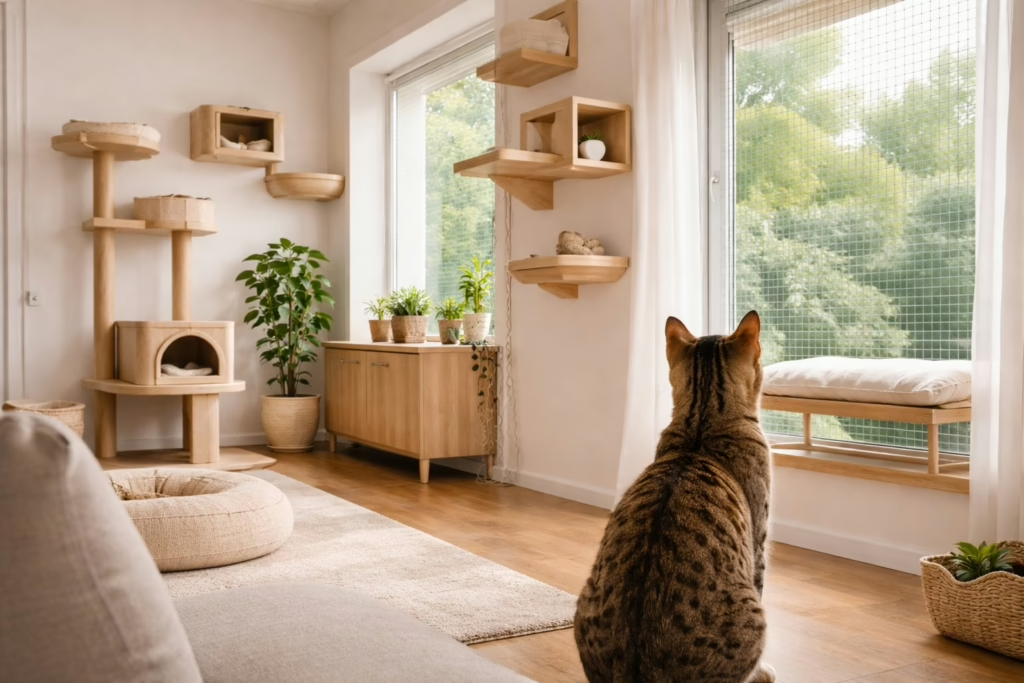
Your cat just knocked your coffee mug off the counter—again. You found her tangled in the window blind cords yesterday. Last week, she somehow opened the cabinet under the sink and dragged out a dish sponge.
If you own a cat, you already know they possess PhD-level skills in finding household dangers. That phone charger? It’s a chew toy. The second-story window with the slightly loose screen? Obviously an exit route. The gap between your dryer and the wall? The perfect hideout that gives you a panic attack when you can’t find her.
Here’s what most cat owners don’t realize: in 2025, vets treated approximately 18 out of every 100 feline emergency cases for injuries that happened inside supposedly safe homes. Foreign object ingestion, poisoning from common household products, and fall trauma dominate these statistics. The kicker? Families consistently report they never imagined their homes contained these risks until their cat ended up in emergency surgery.
Making your home genuinely safe for cats isn’t about bubble-wrapping everything. It’s about understanding what actually attracts cats to danger zones and systematically eliminating those specific threats.
Why Cat Proofing Matters for Indoor Pet Safety
Your indoor cat doesn’t face coyotes or cars, true. But she’s not exactly living a risk-free existence either.
Protecting cat safety home means addressing a different threat category: toxic substance ingestion, electrical shock, high-falls, appliance entrapment, and door-dashing into an environment she can’t navigate. Each of these cat hazards at home happens with disturbing frequency.
Walk through your house right now. That beautiful lily arrangement on your dining table? It causes kidney failure in cats who nibble even one petal. The acetaminophen tablet you dropped this morning and meant to pick up later? A single 500mg dose kills most cats. Your unsecured window screen? It’ll pop right out when your cat lunges at a passing bird, sending her tumbling two stories down. The antifreeze you used last month that left a tiny puddle in the garage? It tastes sweet to cats, and a few licks destroy their kidneys within hours.
Kittens under twelve months old are particularly vulnerable. They’re smaller, which means lower body weight amplifies toxic doses. They chew more aggressively. They haven’t yet learned which exploration behaviors lead to pain. Senior cats—especially those over ten—face different risks. Vision deteriorates. Cognitive decline sets in. A cat who reliably avoided the stove for eight years might suddenly jump onto a hot burner because she’s confused or can’t see well.
Let’s talk money briefly. Emergency vet visits for poisoning start around $800 and easily exceed $3,500 once you factor in hospitalization and follow-up appointments. Surgical removal of intestinal blockages? Figure $2,000 minimum. Compare that to spending maybe $150 total on cabinet locks, cord protectors, and window guards. The math is obvious, and that’s before considering the emotional cost of watching your cat suffer through something you could’ve prevented.
Identifying Common Cat Hazards at Home
Before we dive into room-specific fixes, you need to recognize the hazard categories that appear throughout your entire house.
Toxic plants deserve their spot at the top of this list. Lilies are the notorious killers—Easter lilies, tiger lilies, stargazer lilies, even the pollen causes acute kidney failure. But sago palms, tulips, azaleas, oleander, and dieffenbachia also cause reactions ranging from vomiting and diarrhea to heart arrhythmias and death. Even that “cat grass” from the pet store can be contaminated with pesticides if you buy from sketchy suppliers.
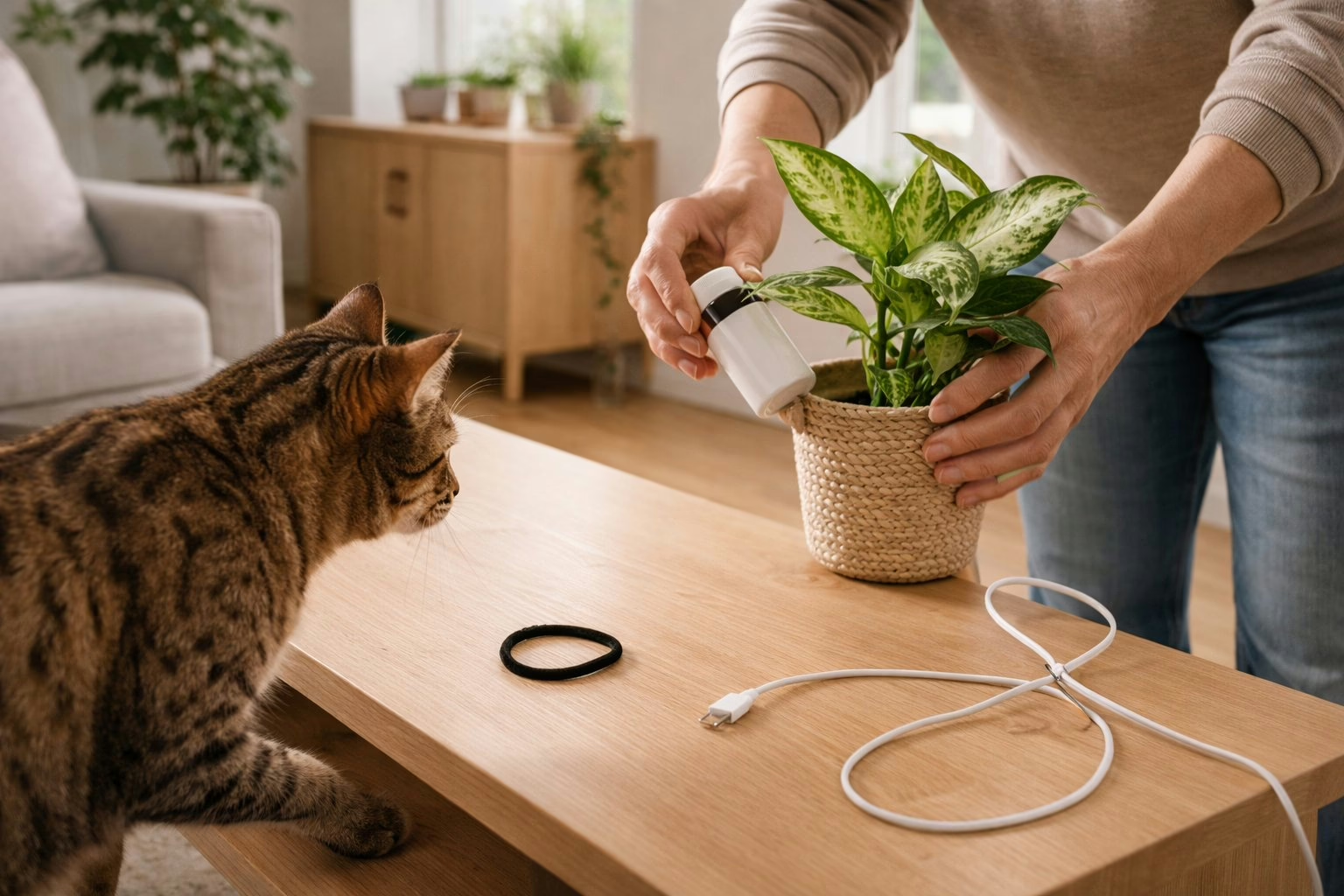
Ingestible objects cause different problems. Hair ties, rubber bands, twist ties, buttons, coins, earring backs, and small children’s toy pieces end up lodged in feline intestines with shocking regularity. Cats don’t think “Can I digest this?” before swallowing something. They bat it around during play, it sticks to their tongue or paw, and down it goes. Linear foreign bodies—things like thread, dental floss, or tinsel—are especially dangerous because they can accordion the intestines as they move through the digestive tract.
Electrical cords attract cats who like chewing the rubber coating. This isn’t a minor hazard. Chewing through a live cord causes mouth burns, cardiac arrest, or fluid accumulation in the lungs. Cats also knock over lamps and electronics while playing, creating fire risks.
Windows and balconies cause what veterinarians term “high-rise syndrome.” Cats misjudge distances constantly. They lose balance while tracking a bird’s flight path. They push against screens that pop out easier than you’d think. The old myth about cats always landing on their feet? Completely false. Second-story falls frequently cause broken jaws, shattered leg bones, and internal bleeding.
Chemicals throughout your house poison cats through three routes: ingestion, skin absorption, and inhalation. Cleaning products, pesticides, automotive fluids, essential oils, and human medications all appear on toxicity lists. Since cats groom themselves obsessively, anything that touches their paws or fur eventually gets licked into their system. Their livers metabolize substances differently than dogs or humans—substances like acetaminophen, ibuprofen, and tea tree oil that might be safe for other species prove lethal to cats.
Appliances create mechanical dangers people forget about. Cats crawl into warm dryers fresh from a previous load. They squeeze behind refrigerators and get stuck. They investigate open dishwashers and washing machines. One moment of distraction before closing an appliance door has killed countless cats.
Kitchen and Bathroom Cat Safety Measures
These two rooms pack more hazards per square foot than anywhere else in your house. They’ve got chemicals, water sources, small objects, food items, and appliances all competing to injure your cat.
Securing Cabinets and Trash Bins
Those regular cabinet doors in your kitchen? They’re not keeping your cat out of anything. She’ll learn to hook her paw under the edge and pull them open within about forty-eight hours of trying.
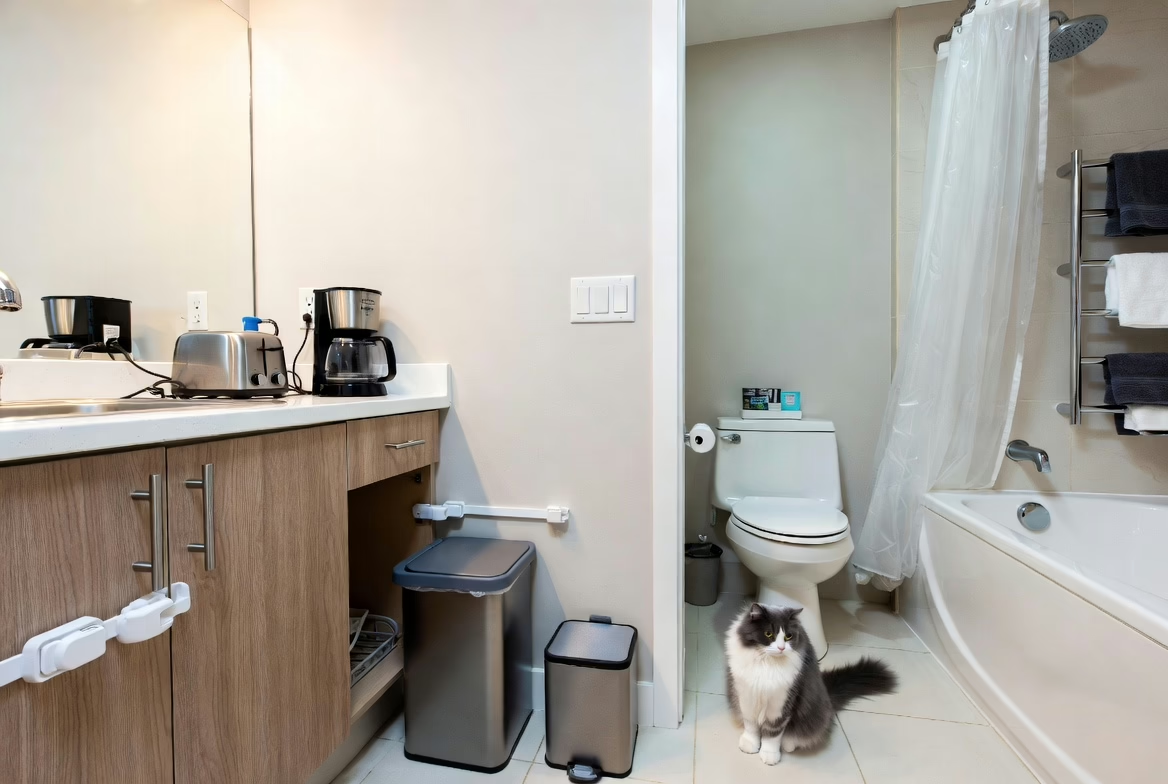
Install childproof latches on every cabinet containing cleaning supplies, dishwasher detergent, medications, and foods cats can’t safely eat—chocolate, anything with xylitol, onions, garlic, grapes, and raisins all belong on this list. Those simple plastic clips you can buy for ninety-nine cents don’t work; cats defeat them in minutes. Spend the extra money on magnetic locks or spring-loaded mechanisms that actually require opposable thumbs to operate.
Your trash bin needs a secure lid or needs to live inside a latched cabinet. Cats dig through garbage hunting for food scraps, then encounter splintered chicken bones, plastic wrap that creates intestinal blockages, or spoiled meat harboring salmonella. Those fancy step-cans with flip lids? Useless. Your cat will either tip the entire bin over or learn to activate the foot pedal herself. Under-sink installations with proper door locks work better, or buy the heaviest bin you can find that’s physically impossible to knock over.
Managing Cords and Small Appliances
Here’s your new kitchen rule: unplug every small appliance the second you finish using it. Toasters, coffee makers, electric kettles, blenders—all of them have cords dangling off counters just begging to be batted at or chewed.
Cord protectors help, though they’re not foolproof. These split tubes made from hard plastic or rubber make cords substantially less appealing as chew toys. Bitter apple spray theoretically deters cats, but it requires reapplication every few days and some cats don’t care about the taste at all. Your better strategy involves routing cords behind appliances or using adhesive clips to pin them flat against walls where paws can’t reach them.
Never walk away from an operating appliance if your cat has shown even remote interest in it. Cats learn by observation, and yours is definitely watching how you use that electric can opener.
Toilet Lids, Cleaning Products, and Medications
Close toilet lids. Every time. No exceptions.
Kittens can and do drown in toilets—their bodies are small enough that they can’t leverage themselves back out if they fall in headfirst. Those automatic toilet bowl cleaners that make your bathroom smell fresh? They’re poisoning your cat if she drinks from the toilet, which plenty of cats do even when they’ve got fresh water bowls elsewhere. Some cats develop compulsive behaviors around water and will actively seek out toilets to drink from.
Medications belong in upper cabinets with childproof latches, never sitting on countertops or tucked into purses you’ve left on the bathroom floor. One extra-strength Tylenol tablet—just one—produces fatal liver failure in cats. Antidepressants, ADHD medications, blood pressure prescriptions, and sleep aids all cause severe toxicity at remarkably small doses. If you take daily medications, develop an ironclad routine: pills go from the bottle directly into your hand and directly into your mouth. They never get set down “just for a second” on any surface.
Relocate all cleaning products to upper cabinets. Floor cleaners, toilet bowl chemicals, and drain openers cause chemical burns when cats walk through residue and then lick their paws during grooming. Even products marketed as “natural” or “eco-friendly” often contain essential oils—pine, citrus, tea tree—that damage cats’ livers.
Living Room and Bedroom Cat Proofing Steps
Your living spaces present fewer chemical hazards but more furniture-related and decorative dangers that cats find irresistible.
Window and Balcony Safety
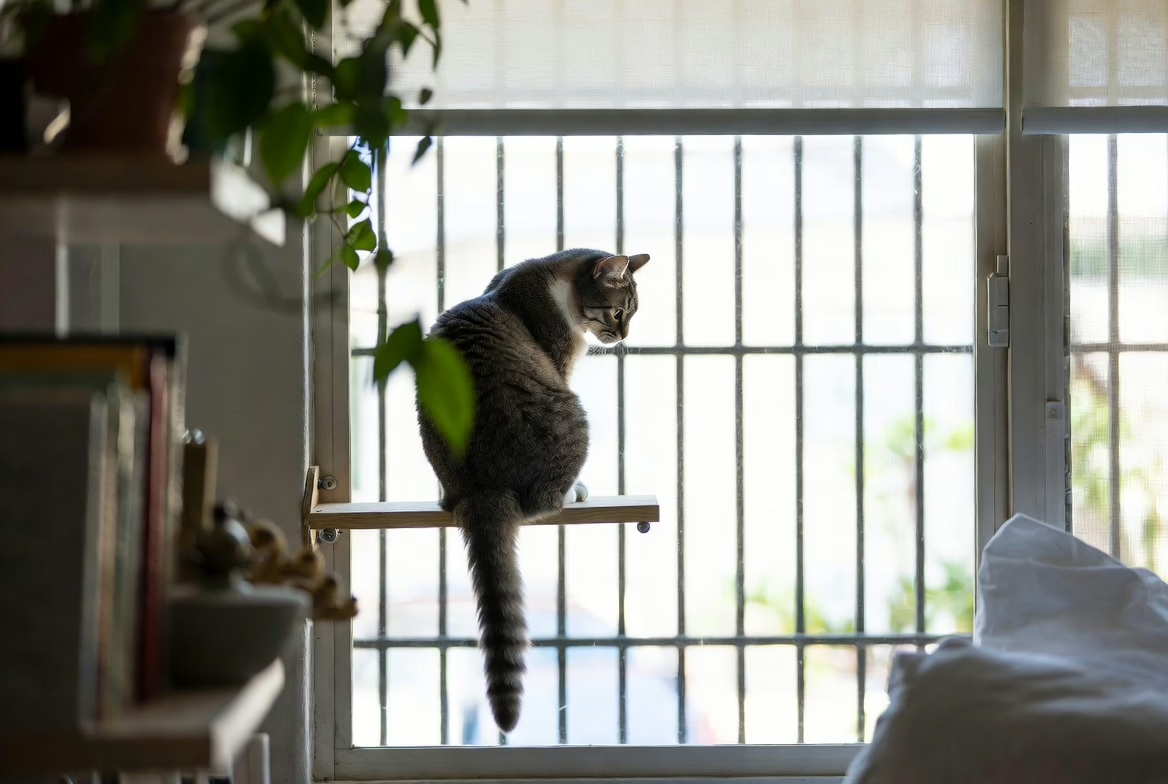
Those screens in your windows? They’re not designed to hold back a ten-pound cat launching herself at a passing bird.
Install heavy-duty screens on every single window, then reinforce them with extra screws or L-brackets at multiple points along the frame. Standard screens pop out when pressed because they’re held in with cheap friction channels. Window guards designed for child safety work well for cats too—just verify the bar spacing measures less than four inches so your cat can’t squeeze through or get her head trapped.
The rule here is non-negotiable: never open a window without a secured, reinforced screen. Not even on the third floor. Not even “just a crack for fresh air.” The assumption that it’s too high for your cat to attempt jumping has sent thousands of cats to emergency rooms. Your cat doesn’t calculate risk factors before making decisions. She sees something interesting outside, she goes for it.
Balconies need cat-proof netting or screening running from floor to ceiling without any gaps larger than one inch. If your balcony has horizontal railings, your cat can climb them like a ladder. Vertical bars are marginally better, but gaps still allow squeezing through. Purpose-made cat balcony enclosures (“catios”) provide the best solution if your apartment building or HOA permits modifications.
Electrical Cords and Blind Cords
Bundle your electrical cords together using velcro ties, then tuck the whole bundle behind furniture so it’s completely out of sight. Visible cords trigger play behavior and chewing. For cords that must remain exposed—floor lamps, for example—invest in cord concealers, which are plastic channels that mount to your baseboards and fully enclose the wires inside.
Window blind cords strangle cats. It happens during play—the cord wraps around a neck, the cat panics, the struggle makes the cord tighter. Cut any looped cords you’ve got, install cord cleats that keep them elevated out of reach, or switch to cordless blinds entirely. This is genuinely life-threatening and happens more often than most people realize.
Furniture Anchoring and Houseplants
That tall bookcase or dresser? It’s tipping over the first time your cat climbs it, which she absolutely will.
Anchor every piece of tall furniture to your walls using L-brackets or furniture straps. Bookcases, dressers, entertainment centers—anything over four feet tall needs to be secured. This risk multiplies exponentially in homes with multiple cats who chase each other vertically up and across furniture.
Remove every toxic houseplant or move them to rooms your cat cannot physically access. If you’re uncertain about a specific plant’s safety, look it up in the ASPCA’s online toxic plant database before deciding it’s probably fine. And understand that “non-toxic” isn’t the same as “harmless”—some plants cause vomiting or diarrhea without being technically life-threatening, which still creates a miserable situation for everyone.
Spider plants, Boston ferns, African violets, and most succulents except jade plants and aloe make genuinely safe alternatives. Hanging planters work only if they’re suspended at heights your cat cannot possibly reach with a running jump, though you’ll be amazed at what heights she can reach when properly motivated.
Setting Up a Cat Friendly Home Environment
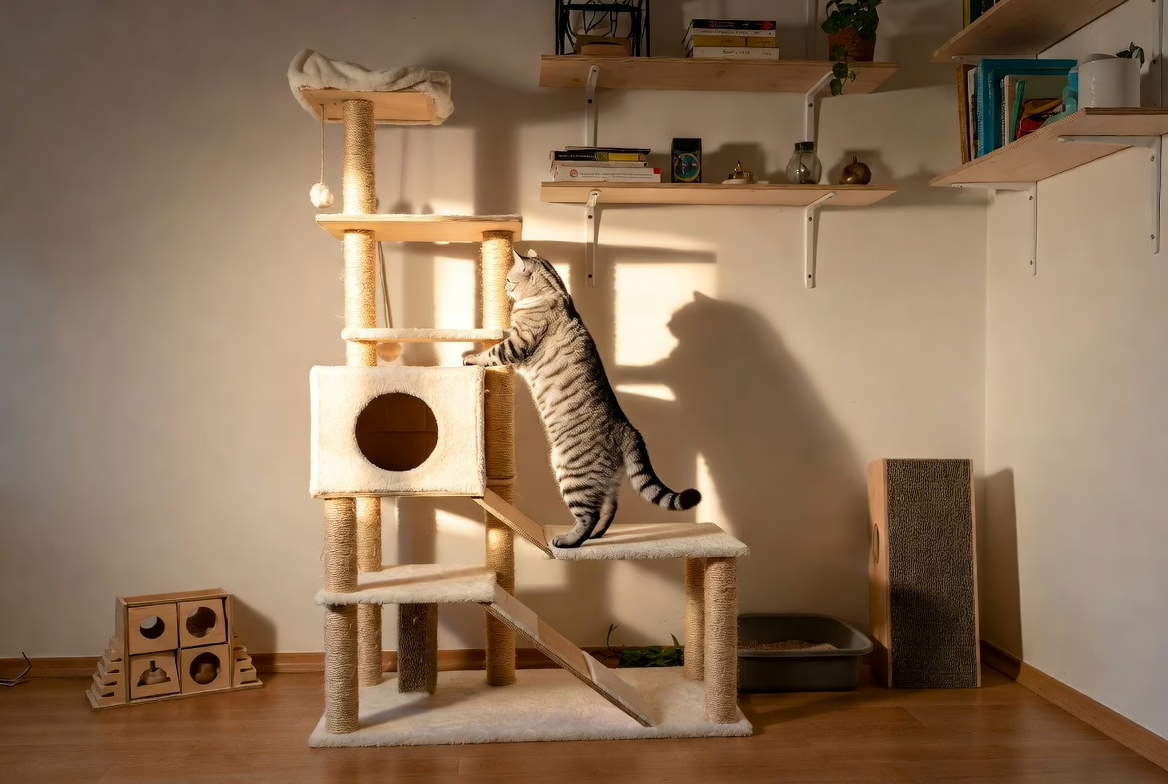
Establishing a safe environment cats can thrive in requires more than just removing dangers. You’ve got to provide appropriate outlets for natural behaviors, or your cat will find inappropriate ones involving your stuff.
Install cat trees, wall-mounted shelves, or cat-specific climbing furniture that gives your cat vertical territory. Cats feel significantly more secure surveying their environment from elevated positions. A cat with access to a window perch and a six-foot climbing structure is dramatically less likely to scale your kitchen cabinets or knock things off your bookshelf while trying to get higher.
Provide multiple hiding spots throughout your home—covered cat beds, cardboard boxes with entry holes, fabric tunnels, or spaces under furniture she can crawl into. Cats require retreat spaces for security and stress relief. Without designated hiding spots you’ve created for her, she’ll pick her own: behind the water heater, inside your box spring mattress, or wedged into the gap between your refrigerator and the wall, all of which make locating her during emergencies nearly impossible.
Designate specific play areas stocked with interactive toys that satisfy hunting instincts. Rotate available toys every week to maintain novelty—leave the same three toys out for two months and she’ll ignore all of them. Bored cats entertain themselves, usually with your belongings. Puzzle feeders and treat-dispensing toys occupy cats both mentally and physically, reducing destructive behavior significantly.
Create scratching opportunities in multiple rooms using scratching posts, horizontal pads, or cardboard scratchers. Your cat needs to scratch things—it maintains her claws, marks her territory through scent glands in her paws, and stretches her shoulder and back muscles. Providing approved scratching surfaces protects your furniture while giving your cat an outlet for an instinct she literally cannot suppress.
Position litter boxes in quiet, accessible spots away from feeding areas. The standard recommendation is one box per cat plus one additional box. Inadequate litter box setups cause elimination problems and stress, which manifest as destructive behavior, aggression, or increased escape attempts.
Garage, Laundry Room, and Outdoor Access Points
These transitional spaces between indoors and outdoors contain your most dangerous household items and require careful attention.
Garages store automotive fluids, pesticides, fertilizers, paints, solvents, and power tools. Antifreeze containing ethylene glycol tastes sweet to cats and causes irreversible kidney failure—veterinarians estimate that less than one teaspoon proves fatal to an average-sized cat. Clean up every spill immediately using absorbent materials, then wash the area with soap and water. Consider switching to propylene glycol-based antifreeze, which is less toxic, though still not safe for consumption.
Store every chemical product on high shelves in containers with tight-fitting lids. Keep your garage door closed, or install cat-proof barriers if you need airflow. Cats slip through garage doors more easily than regular doors because people focus on maneuvering their vehicles, not on watching for small animals near ground level.
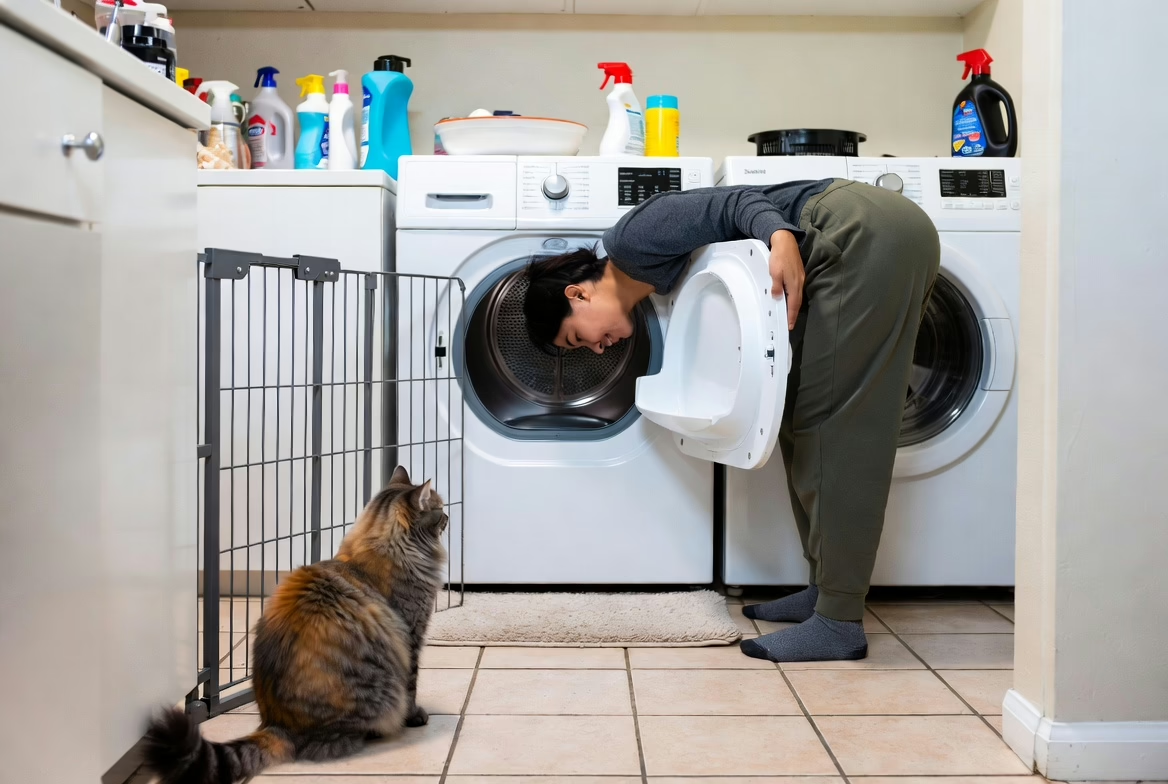
Laundry rooms pose unique risks. Check inside your washer and dryer before every single use. Knock on the door. Shake the drum. Visually verify the space is empty. Cats seek out warm, enclosed spaces, and a dryer that ran twenty minutes ago fits that description perfectly. Dozens of cats die every year in dryers because their owners didn’t realize they’d climbed inside during the brief window the door stood open while laundry was being transferred.
Store laundry detergent, fabric softener, and stain removers in sealed containers on high shelves. Liquid detergent pods are particularly dangerous—their concentrated formula and bright colors attract curious cats. Dryer sheets contain cationic detergents and softening agents that cause gastrointestinal upset and respiratory problems if chewed or swallowed.
For doors leading outside, install spring-loaded door closers that prevent doors from being left ajar accidentally. Train family members and visitors to check for cats lurking near doorways before opening or closing exterior doors. Some cat owners install baby gates in hallways leading to exterior doors, creating a double-barrier system that prevents direct access to exit points.
Screen doors need secure latches and reinforced screening material. Cats learn to open poorly secured screen doors within days, and they tear through weak screening in seconds. Inspect your screens monthly for damage and repair small tears before they enlarge into cat-sized holes.
Consider installing microchip-activated pet doors if you’ve built a catio or enclosed outdoor space. These doors open only when they detect your cat’s specific microchip, preventing unauthorized escape by other pets and blocking entry of wildlife.
Common Household Items Toxic to Cats
| Item or Substance | Toxicity Level | Signs You’ll Notice | What to Do Right Now |
|---|---|---|---|
| Lilies (any part of the plant) | Severe | Vomiting, lethargy, complete kidney shutdown | Get to emergency vet within 6 hours; after that survival drops dramatically |
| Acetaminophen (Tylenol) | Severe | Gums turn brown, labored breathing, face swells | Emergency vet immediately—no waiting |
| Essential oils: tea tree, citrus, pine | Moderate to Severe | Excessive drooling, vomiting, tremors, liver damage | Wash residue off skin with mild soap; vet within 2 hours |
| Chocolate | Moderate | Vomiting, diarrhea, racing heartbeat, seizures in severe cases | Call vet immediately; may need to induce vomiting if ingestion was recent |
| Antifreeze with ethylene glycol | Severe | Appears drunk, vomiting, seizures, then coma | Emergency vet within 3 hours is critical for any survival chance |
| Xylitol (sugar substitute) | Moderate to Severe | Sudden weakness, seizures, liver failure develops quickly | Emergency vet within 60 minutes |
| Onions, garlic, chives | Moderate | Anemia, weakness, dark red urine (symptoms may not appear for days) | Vet visit for blood work; monitor for 72 hours minimum |
| Grapes and raisins | Moderate | Vomiting, lethargy, kidney problems | Vet visit within 6 hours; bring the package if possible |
I see preventable cat emergencies every single shift I work. The owners always say the same things: ‘I didn’t know that was dangerous,’ or ‘I didn’t think my cat could reach that.’ Here’s what you need to understand—cats are resourceful problem-solvers with zero sense of self-preservation. If there’s any possible way to access something, they’ll figure it out. You cat-proof before bringing a cat home, not after she’s in the emergency room. Dr. Jennifer Martinez, DVM, DABVP (Feline Practice), Emergency Veterinary Clinic of Portland
FAQs
What are the most dangerous items in a home for cats?Lilies and antifreeze compete for the top spot because both are extremely toxic at tiny doses and commonly found in homes. A cat who chews one lily petal or licks up a teaspoon of antifreeze faces potential death within hours. Human medications—particularly acetaminophen, ibuprofen, and prescription drugs—cause frequent emergencies because cats metabolize these substances completely differently than humans do. Household cleaners and essential oils round out the list. The specific “most dangerous” item varies by household, but these categories dominate emergency vet statistics.
Do I need to cat proof if my cat seems well-behaved?Absolutely. Behavior changes based on age, health status, stress, and environmental factors. A cat who’s ignored your kitchen counters for three years might suddenly start jumping up after you adopt a second cat and she’s seeking escape routes. Senior cats develop cognitive dysfunction leading to confusion and unusual behaviors. Illness or medication side effects alter behavior patterns. Even the calmest cat will investigate a novel item—a dropped pill, a new plant, a visiting child’s toy—left within reach. Cat proofing protects against the unexpected, not just predictable behavior.
How can I prevent my cat from escaping through doors?Establish a buffer zone using baby gates or closed interior doors between your cat and exterior exits. Train every family member to automatically check for cats before opening any door that leads outside—make this as automatic as locking the door behind you. Install spring-loaded door closers so exterior doors never remain open accidentally. Use door alarms that beep when exterior doors open, alerting you to check for escape attempts in progress. For persistent door-dashers, set up a “safe room” where you confine your cat temporarily before accepting deliveries or during parties when doors will be opening frequently. Never punish escape attempts—this creates fear without reducing the behavior. Instead, increase indoor enrichment to decrease her motivation to explore outside.
Should I cat proof differently for kittens versus adult cats?Kittens demand more intensive safety measures. They’re smaller, meaning they fit into tighter spaces and toxic doses are lower relative to body weight. They’re more energetic and impulsive. They chew everything as part of exploration and teething. They lack experience judging what’s dangerous. Secure spaces under and behind appliances where kittens can become trapped or stuck. Clear all small objects from floors and surfaces below three feet. Use cord protectors on every single cord—kittens chew far more aggressively than adults. Block access to vertical spaces over four feet until kittens develop better coordination around 4-5 months old. Adult cats need standard cat proofing, but senior cats over ten years old may require modifications: add ramps to high perches they can no longer jump to, increase lighting in rooms for failing vision, and ensure litter boxes have low entries for arthritic joints.
Transforming your home from a hazard zone into a genuinely safe space for your cat requires effort up front and consistent vigilance afterward. But it prevents emergencies that devastate families emotionally and financially—emergencies that often prove fatal despite aggressive veterinary treatment.
Start by tackling high-risk areas first. Remove toxic plants and household chemicals from accessible areas. Reinforce windows and balcony access. Protect electrical cords. Develop the habit of checking appliances before closing doors and starting cycles. Then expand to comprehensive room-by-room improvements, simultaneously adding enrichment elements—climbing structures, scratching posts, hiding spots, interactive toys—that satisfy your cat’s behavioral needs in appropriate ways.
Add new preventive measures as new items enter your home. Reassess safety measures as your cat ages and her behavior changes. Remember that cat proofing isn’t a weekend project you complete once and forget about. It’s an ongoing process requiring consistent attention.
You’re not trying to create a sterile, boring environment stripped of everything your cat might find interesting. You’re systematically eliminating genuine life-threatening dangers while providing appropriate alternatives for natural behaviors. A properly protected home lets you relax knowing your cat can explore, play, climb, and nap without encountering risks that could send her to the emergency room.
Your cat won’t thank you for this work. Cats rarely express gratitude. But the peace of mind knowing you’ve done everything possible to protect her—and the potential years of companionship you’re preserving—make every precaution worth the effort.