
Your cat licks herself constantly—maybe you’ve watched her twist into impossible yoga positions to reach that one spot behind her ear. But here’s what most people don’t realize: all that self-cleaning doesn’t replace what you need to do. Her sandpaper tongue can’t clip overgrown claws that curve into her paw pads. It won’t spot the weird lump developing under her fur. And it definitely makes hairball problems worse by pushing loose fur straight into her stomach.
Think of yourself as the finishing crew. She handles daily maintenance; you tackle everything else.
Why Regular Grooming Matters for Your Cat
Here’s something that surprised me when I first learned it: brushing your cat just three times each week cuts hairball incidents by more than half. The math makes sense once you think about it—every hair you remove with a brush is one less hair she swallows during her own grooming sessions.
For breeds with longer coats, this isn’t just about convenience. It prevents genuine medical emergencies. I know someone whose Ragdoll needed surgery for an intestinal blockage caused by compacted hair. The vet bill? Over $3,000.
But grooming does something else that’s harder to measure. Your fingers running through fur become an early warning system. You’ll notice things: a new bump near her shoulder, skin that feels warmer than usual, crusty patches you can’t see under all that fluff. My neighbor found a tick on her tabby during a regular Tuesday night brushing session. She grabbed tweezers immediately, pulled it out completely intact, and avoided the whole Lyme disease nightmare.
The cat hygiene guide experts talk about stress reduction, and honestly, they’re right. Cats that get regular gentle handling from their owners act calmer overall. Lower stress hormones show up in their bloodwork. They tolerate the vet better. They’re easier to medicate when sick. Those ten minutes you spend with a brush now save you from wrestling matches later.
And older cats? They need you more than you’d think. Watch a twelve-year-old cat try to clean her backside—arthritis makes those yoga poses painful or impossible. Without your help, urine residue sits on fur and burns the skin. Fecal matter builds up and causes infections. Feline grooming basics include understanding that senior cats physically can’t do what they used to do.
Essential Tools and Supplies for Cat Grooming
Pet stores want to sell you everything. Don’t fall for it. You need maybe five items total, and which five depends entirely on your cat’s fur type and personality.
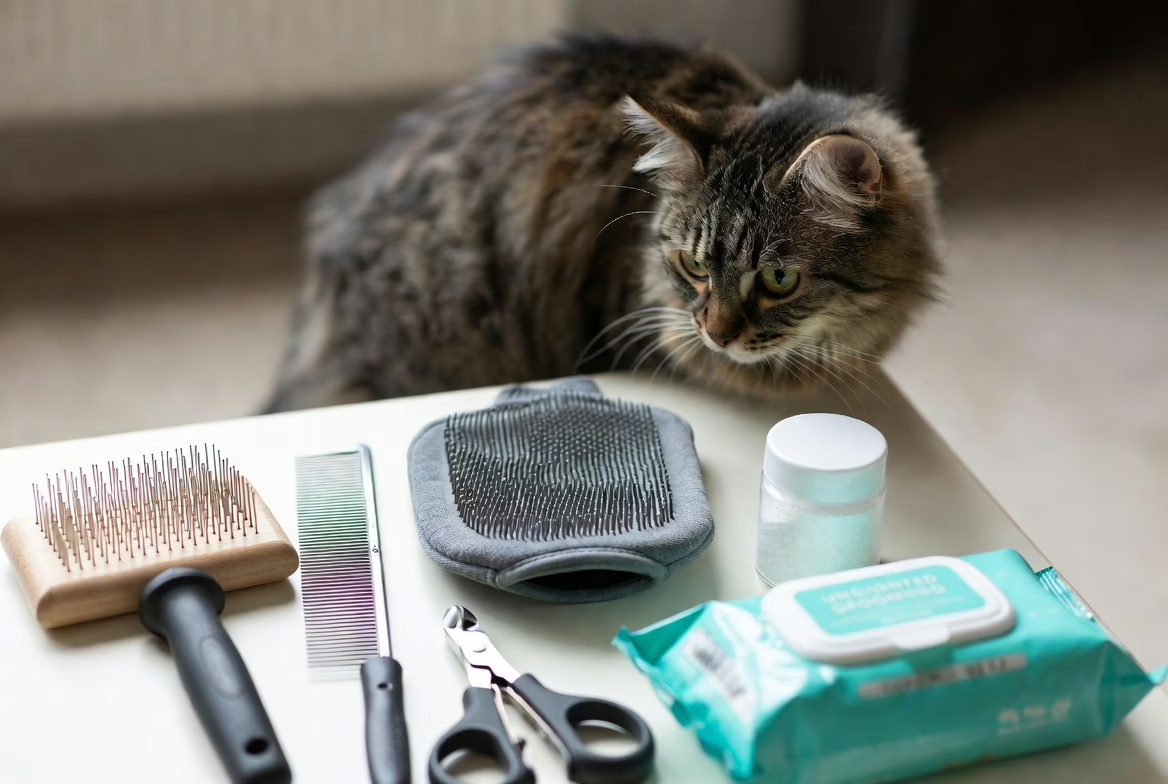
Grooming Tools Comparison by Cat Coat Type
| Tool Type | Works Best For | How Often to Use | What You’ll Pay |
|---|---|---|---|
| Slicker brush | Medium-long fur, detangling knots | 3-4x each week | $8-$25 |
| Metal comb (fine teeth) | Every coat type, finding fleas | After every brush session | $6-$15 |
| Bristle brush | Short smooth coats, spreading natural oils | 2-3x weekly | $7-$18 |
| Deshedding rake | Heavy shedders, pulling out undercoat | 1-2x weekly in spring/fall | $15-$45 |
| Rubber mitt | Anxious cats, short fur | Daily (feels like petting) | $5-$12 |
| Mat splitter | Long-haired cats with tangles | Whenever you find mats | $10-$20 |
Start gentle—that’s the cat grooming tips veterans always emphasize. A rubber grooming mitt feels identical to your hand petting her. She won’t even realize you’re grooming her. Build that positive association first, then introduce bristle brushes, then move to slicker brushes if her coat needs them.
I learned this the hard way with my first cat. Went straight for a wire slicker brush because it looked professional. She hated it, scratched me, and hid under the bed for six hours.
Beyond brushes, grab these: nail clippers made specifically for cats (the guillotine style that actually cuts instead of crushing), styptic powder in case you clip too close, unscented baby wipes for quick spot-cleaning, and a metal comb for double-checking your work. Cat coat care means getting down to actual skin level, not just making the surface look fluffy.
Skip the fancy grooming table. Most cats prefer getting brushed on familiar territory—your lap works great, or wherever they usually hang out. Adding a weird elevated platform just stresses them out unnecessarily.
Step-by-Step Guide to Brushing Your Cat
Preparing Your Cat for Brushing
Timing is everything. Ever tried grooming a cat who’s watching squirrels through the window? You’ll get shredded. Same goes for right before dinner when she’s hungry and cranky, or right after dinner when she wants a nap.
The sweet spot? About thirty minutes after she eats. She’s satisfied, slightly drowsy, and actually receptive to attention.
Keep your first sessions stupidly short—like two minutes max. You’re not trying to fully groom her. You’re just teaching her that brushes aren’t scary. Put treats within easy reach and hand one over every thirty seconds or so. Her brain will start connecting brush + cooperation = food.
Let her investigate the brush first. Some cats need to sniff it, rub their cheeks on it, maybe bat it around a bit before they’ll tolerate it touching their fur. My rescue needed four full days of just playing with the brush before she’d let me actually use it. Now she purrs through fifteen-minute sessions. Patience pays off.
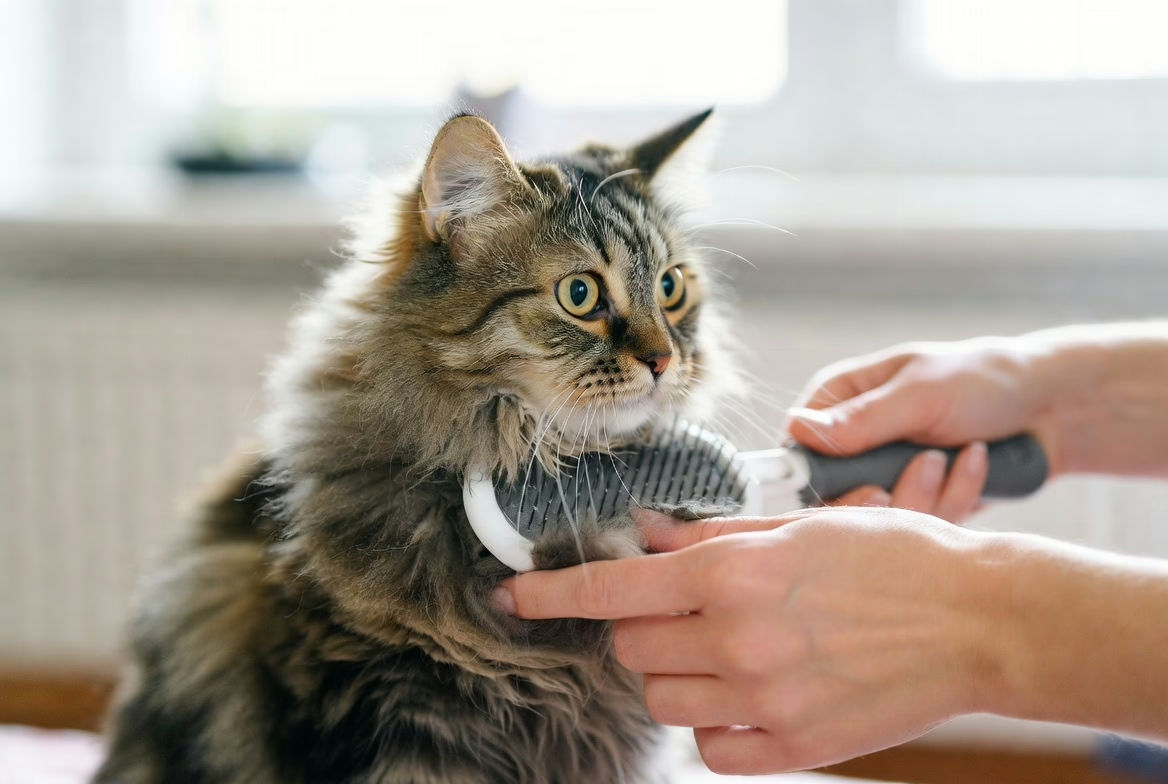
Proper Brushing Techniques by Coat Type
Short-haired cats (like American Shorthairs, Siamese, Bengals): Go with a rubber mitt or soft bristles. Stroke following the natural hair direction—head to tail, never backwards. Don’t scrub hard; you’re just collecting loose surface hairs. The base of the tail and rear end need extra attention because that’s where oil glands concentrate. Two passes over each section does the job.
Medium-haired cats (Maine Coons, Ragdolls, Turkish Angoras): Start with your slicker brush and work in chunks about the size of your palm. Use your free hand to hold the skin tight so you’re not yanking. After the slicker, run your metal comb through the same areas to grab anything you missed and verify you actually reached the undercoat. These breeds mat quickly behind the ears and where their front legs meet their body—check those spots every single time.
Long-haired cats (Persians, Himalayans): This is how to brush cat fur that tangles if you look at it wrong. Work in tiny sections, maybe two inches square. Always start at the skin and brush outward toward the tip. Going tip-to-root just compacts tangles tighter. Hit resistance? Stop. Use your fingers to gently pull the mat apart before trying the brush again. For stubborn knots, a mat splitter slices through them, but cut parallel to her skin, not across it.
Double-coated breeds need an undercoat rake during shedding season—spring and fall usually. Make long smooth strokes from neck to tail base. You’ll pull out ridiculous amounts of fluff. I’m talking enough to literally stuff a small pillow. But removing it prevents the massive hairballs that land cats in emergency rooms.
How Often to Brush Based on Hair Length
Short-haired cats stay healthy with twice-weekly brushing most of the year. Bump that to every other day during spring and fall shedding season.
Medium-haired breeds need three to four sessions weekly, no exceptions, all year long. Their fur length creates mat risk without quite requiring daily maintenance.
Long-haired cats? Daily. Non-negotiable. Skip three days and you’ll spend an hour cutting out mats that five minutes daily would have prevented. I watched someone bring their Persian back from a week-long vacation—the boarding place hadn’t brushed her once. The mats were so bad she needed sedation and a complete shave-down at the vet. Cost them $200 and six months of weird looks while her fur grew back.
Kittens get brushed daily regardless of coat type, but you’re not really grooming them—kitten fluff rarely mats. You’re training them. Daily handling now means a cooperative adult cat later. Skip this step and you’ll fight grooming battles for the next fifteen years.
How to Handle Nail Trimming and Ear Cleaning
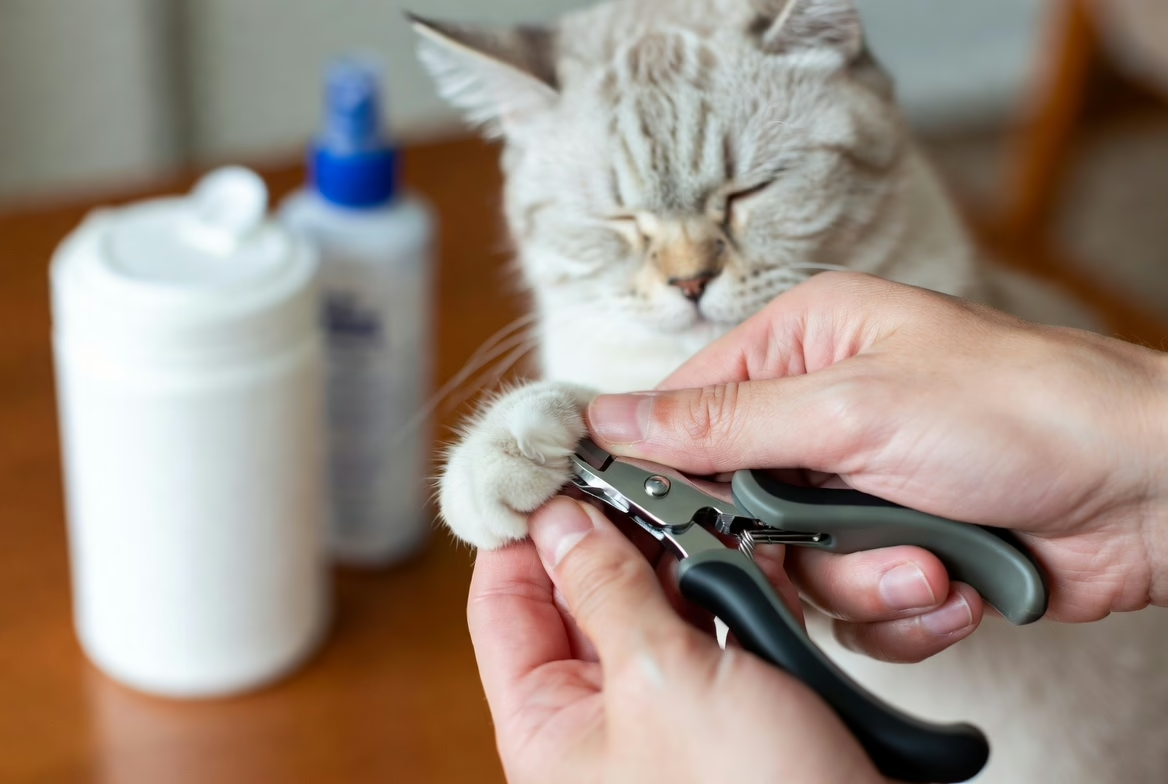
Most people avoid nail trimming because they’re terrified of hurting their cat. Understandable. But overgrown nails curl around and puncture paw pads, causing infections and constant pain.
Indoor cats need trims every three to four weeks. They don’t have concrete or tree bark wearing down their claws naturally.
Squeeze the paw pad gently—her claw extends out. Look for the pink area inside the clear part of the nail. That’s the quick, full of blood vessels and nerves. You want to clip 2-3mm before that pink part starts, cutting at a slight angle. White nails make this easy. Black nails? You’re guessing. Just trim the very tip if you can’t see through the nail.
Keep styptic powder right next to you. Even professionals occasionally clip too close and hit the quick. If blood appears, jam powder against the nail and hold firm pressure for thirty seconds. Bleeding stops fast, but your cat will remember this happened, so immediately shove treats at her to override the bad memory.
Cat hygiene guide experts suggest trimming just one or two nails per session if your cat gets anxious. You make progress without pushing her past her limits.
Ears need attention monthly for most cats, weekly for breeds with huge ear canals like Scottish Folds. Normal ears look pale pink inside with very little wax buildup. Dark crumbly stuff? Probably ear mites. Redness, puffiness, or nasty smell? Infection requiring vet attention.
Dampen a cotton ball with cat ear cleaner—never use cotton swabs, which shove debris deeper and can rupture eardrums. Clean only what you can see without digging into the canal. If she shakes her head like crazy after you clean, you used too much liquid.
Common Cat Grooming Mistakes to Avoid
Stop bathing your cat unless she got into actual poison or has a medical condition affecting her grooming ability. “But I bathe my dog every month” doesn’t apply here. Cat skin chemistry differs completely from dogs and humans. Frequent bathing strips essential oils and causes dry, irritated skin. Most cats live their entire lives without a single bath. Cat grooming tips from vets consistently emphasize this.
Wrong brush types create discomfort cats never forget. Slicker brushes on short-haired cats scratch skin without removing much fur. Bristle brushes on Persians barely touch the undercoat, leaving mats completely intact underneath a smooth surface. Match your tool to the actual coat, not what looks impressive.
Forcing the process destroys trust faster than anything else you could do. Watch for her signals: ears flattening back, tail whipping side to side, growling or hissing. These mean STOP RIGHT NOW. You can try again in an hour or tomorrow. Pushing through resistance teaches her that grooming equals something to escape from. Someone I know ignored all the warning signs and got bitten hard enough to need antibiotics. Her cat hid under the bed every time she saw any brush for six months.
Ignoring small mats because “I’ll get it next time” turns a minor tangle into a pelt requiring professional help. Deal with mats the second you feel them. A two-minute detangling session beats a $75 professional grooming appointment or sedated shaving at the vet clinic.
Regular home grooming isn’t cosmetic—it’s preventive medicine. I’ve diagnosed everything from skin cancer to diabetes during routine wellness exams where owners mentioned changes they noticed while grooming. Those few minutes of hands-on contact weekly can literally save your cat’s life by catching problems early.
Dr. Sarah Mitchell, DVM, a board-certified feline specialist with 18 years of experience
Skipping the final comb-through means you’re missing the verification step. Your brush might glide smoothly across the top layer while mats hide underneath. Always finish by running a metal comb completely through her coat. Comb snags? You’re not actually done brushing yet.
Building a Consistent Cat Grooming Routine
Consistency beats perfection every time. Cats thrive on predictable patterns—same time, same place, same routine. Their brains relax when they know what’s coming next.
Sample weekly schedule for a medium-haired cat:
– Monday, Wednesday, Friday: 10-minute brush session after her dinner
– Sunday: Check nails (trim if needed), inspect ears
– Daily: Quick visual scan during normal petting for lumps, mats, skin weirdness
Short-haired cats might need only Tuesday/Thursday brushing plus nail checks every two weeks. Long-haired breeds require daily brushing without compromise, plus a thorough weekly inspection of every inch of skin.
Making this stress-free means reading what she’s telling you. Slow blinks, purring, relaxed body? Keep going. Skin rippling, ears twitching, tail moving? You’re approaching her limit. Stop before she reaches it, even if you haven’t finished. Better to do 70% calmly than fight through 100% and ruin the whole experience.
Different cats want different rewards. Treats work for some. Others prefer play breaks—brush for three minutes, toss a feather toy, brush for three more. Some just want verbal praise and head scratches. Experiment. My current cat tolerates way longer grooming sessions when positioned where she can watch the bird feeder outside. Distraction works.
Be flexible about location. If she jumps off your lap mid-session, let her. She might settle on the couch arm or window sill, basically saying “I’ll continue, but over here instead.” Following her lead instead of forcing your preferred spot reduces stress significantly for her.
Feline grooming basics include understanding that young cats tolerate marathon sessions while seniors can’t. A fifteen-year-old with arthritis might handle only five minutes before getting uncomfortable. Split her grooming into two shorter sessions instead of one long ordeal.
FAQs
Depends completely on fur length. Short coats need brushing twice weekly outside of shedding season. Medium coats require three to four sessions each week. Long coats demand daily attention—no exceptions. For nails, trim every three to four weeks. Ears get cleaned monthly unless your cat’s breed has large ear canals, which need weekly attention. Spring and fall bring heavier shedding, so increase brushing frequency regardless of coat type during those months.
Absolutely yes. Indoor cats shed continuously year-round in climate-controlled homes instead of seasonally like outdoor cats. Without regular brushing, that loose fur forms mats, gets swallowed during self-grooming (hello, hairballs), and hides developing skin problems. Indoor cats also lack natural nail wear from walking on concrete or climbing trees, making regular trimming essential to prevent overgrowth and injuries to paw pads.
Get professional help for severe matting you can’t remove safely with home tools, especially mats close to skin or in sensitive areas like armpits and groin. Cats who become extremely aggressive or fearful during grooming need veterinary grooming services where they can be sedated safely. Long-haired breeds benefit from professional grooming every eight to twelve weeks even with consistent home care—groomers have specialized tools and training for thorough undercoat removal. First-time owners with long-haired breeds should schedule one professional grooming session initially to learn proper techniques by watching before attempting maintenance grooming at home.
Visible clumps of fur that stay clumped when you touch them indicate mats forming. Run your fingers through her coat all the way down to skin level—if you feel tight knots or areas where your fingers won’t penetrate, mats have developed. Cats with mats often lick or bite excessively at affected areas. Severe matting makes the skin underneath appear red or irritated because it’s constantly pulling. Long-haired cats develop mats most commonly behind ears, under front legs, in the groin area, and along hindquarters where movement creates friction. Check these specific spots weekly even when the rest of her coat looks fine.
Home cat grooming routine shifts from optional chore to essential healthcare once you understand what you’re actually preventing and how to do it correctly. Your cat genuinely depends on you for maintenance tasks her tongue can’t handle—removing mats, trimming overgrown nails, checking for health issues buried under fur.
Start small if this is new territory for you. Five minutes of brushing twice each week beats zero grooming while you wait for enough time to establish some perfect routine. Match your tools to her actual coat type, respect when she signals she’s had enough, and stick with consistent timing. The cat squirming through today’s session might purr through next month’s once she learns brushes predict treats and attention instead of discomfort.
Regular grooming catches health problems before they become emergencies, reduces hairball incidents, prevents painful mats, and strengthens the bond between you two. These benefits stack up over her lifetime, potentially adding comfortable years to her senior phase when flexibility decreases and self-grooming becomes challenging. Those ten minutes you invest several times weekly pay dividends in avoided vet bills and maintained quality of life.
Your hands become her health monitoring system during grooming sessions. Trust what you feel and see—lumps that weren’t there last week, skin irritation in a new location, behavior changes during handling all warrant discussing with your vet. Home grooming isn’t about achieving show-cat perfection; it’s about maintaining health, comfort, and the close relationship that makes living with cats rewarding.