
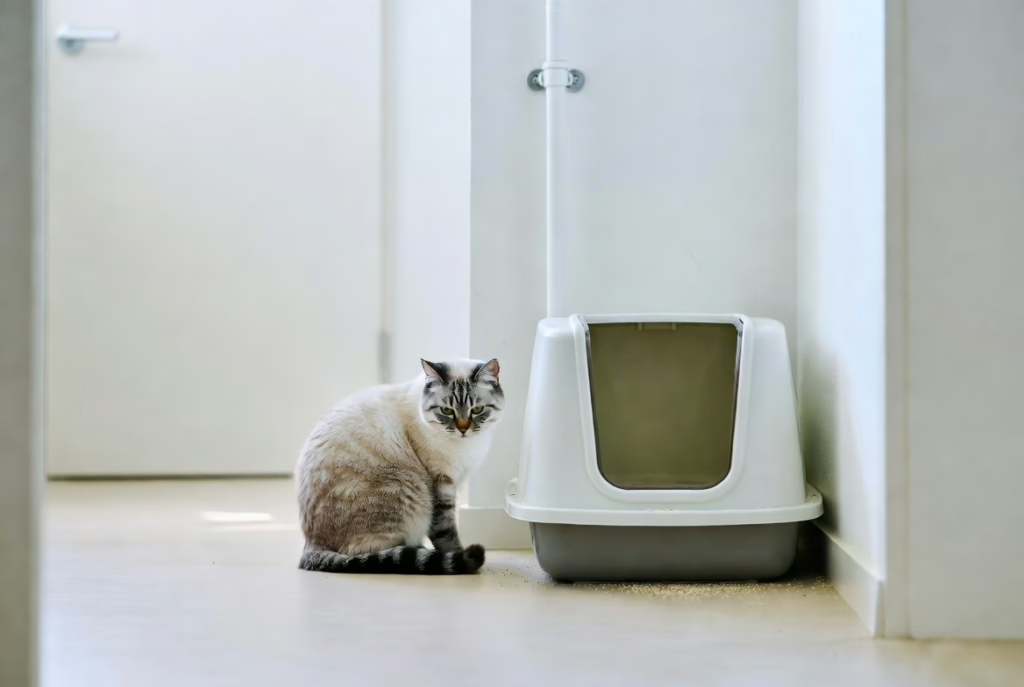
Most cats possess a built-in instinct to dig and bury their waste, giving you a head start that dog owners can only dream about. Yet this natural tendency doesn’t mean your new furry roommate will automatically figure everything out. I’ve watched plenty of confused cats circle their litter boxes like they’re examining an alien artifact. Whether you’ve just brought home a tiny kitten or adopted an adult cat from the shelter, understanding the training process saves you from scrubbing carpets at midnight.
Why Litter Box Training Matters for Cats
Cats in the wild seek out loose sand or soil for bathroom duties—a survival tactic that prevented predators from tracking them down through scent trails. That ancient programming still runs strong in your domestic feline, though you’ll need to guide them toward using their indoor facilities rather than your potted plants.
Getting this right protects your cat’s health in ways you might not expect. Cats who don’t establish reliable bathroom patterns sometimes hold their urine too long, creating conditions ripe for bladder infections or crystal formation. Plus, you’ll notice changes in their bathroom behavior before almost any other symptom appears—increased trips to the box might mean diabetes, while straining could signal a urinary blockage.
Your household benefits just as much. Nobody wants ammonia fumes wafting through their living room or permanent stains on hardwood floors. A cat who understands where to go respects boundaries, and you both live more happily together. Let’s face it: nothing ruins a home’s atmosphere faster than that unmistakable smell of cat urine.
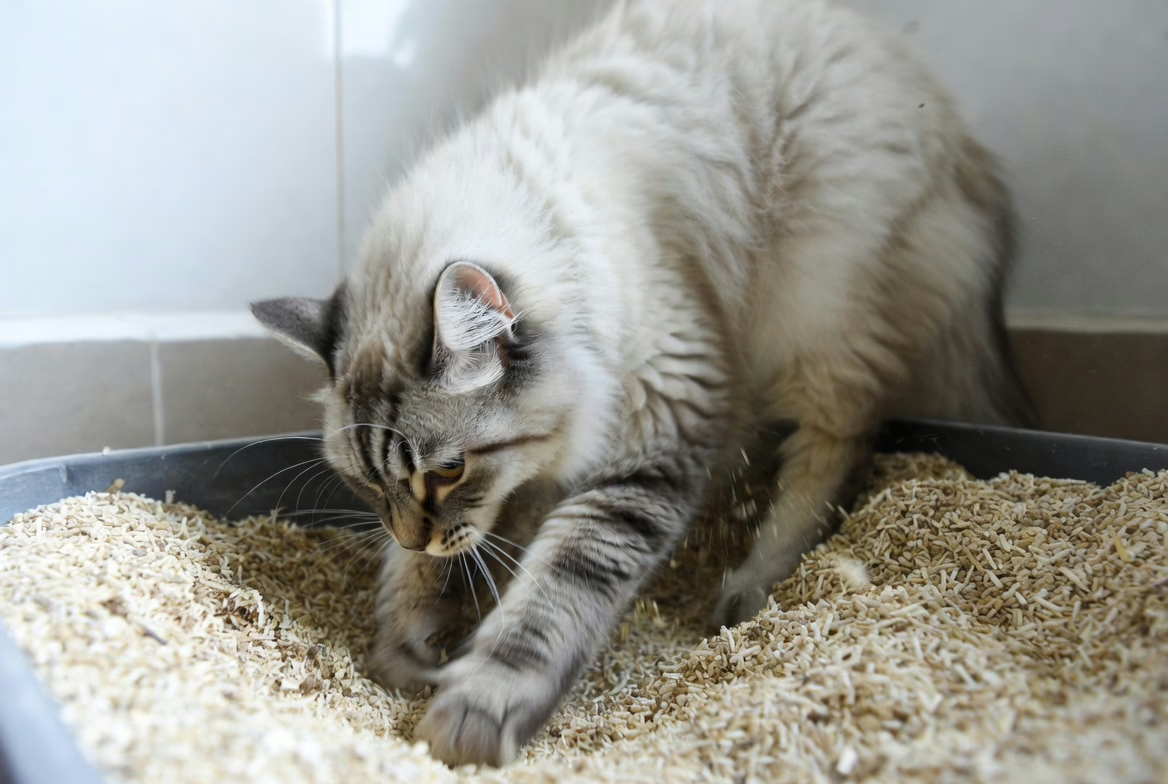
What You Need Before You Start Training
Smart preparation shortens your training timeline dramatically. The right supplies and thoughtful placement prevent most problems before they start.
Choosing the Right Litter Box
Size matters more than first-time cat owners realize. Measure your cat from nose to tail base, then multiply by 1.5—that’s your minimum box length. Those “standard” boxes at big-box stores? They’re frankly too small for the average adult cat, which explains why some cats perch on the edge or hang their rear end over the side.
Kittens under twelve weeks need boxes with walls no higher than three or four inches. You can buy specialty kitten boxes, but honestly? A cheap plastic storage container with low sides works perfectly and costs about three dollars. Save your money for higher-quality litter.
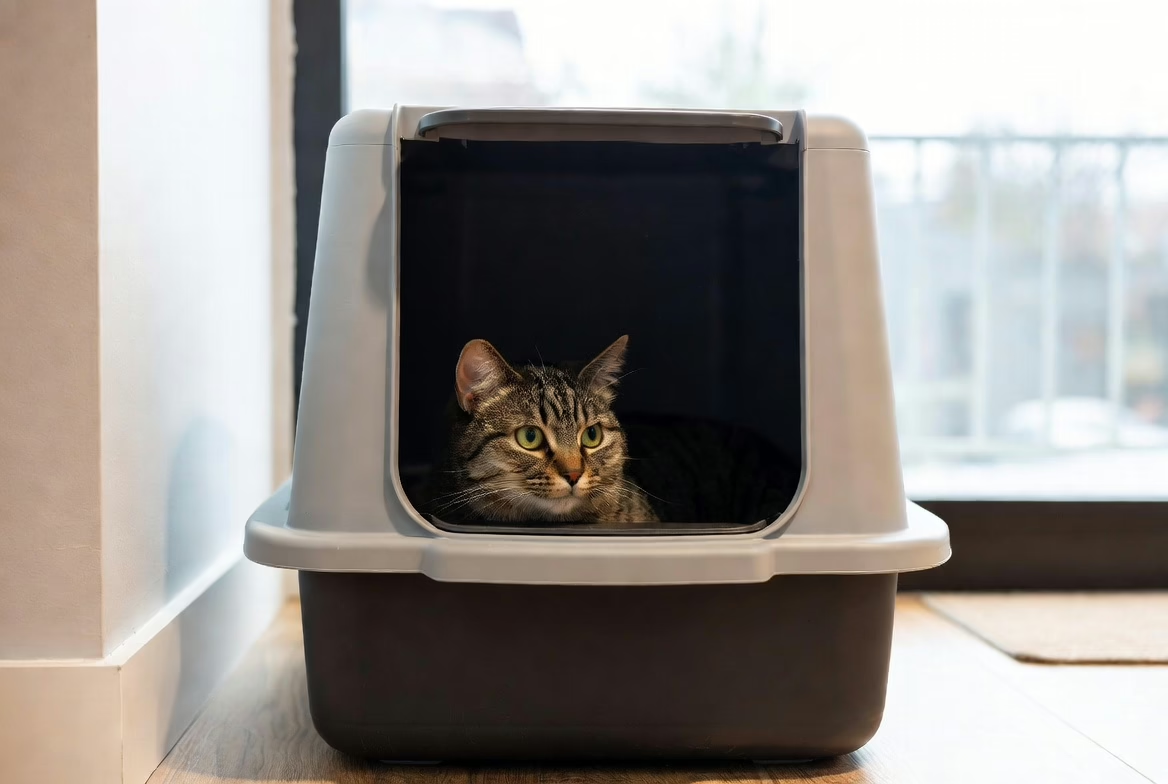
Covered versus uncovered creates ongoing debate among cat owners. Hooded boxes trap smells inside, which sounds great until you realize your cat experiences those concentrated odors at nose level. Imagine using a porta-potty in August—that’s your cat’s perspective. Open boxes let odors dissipate but scatter litter across your floor. Older cats with arthritis struggle to step over the tall entrance thresholds that most covered boxes require.
Selecting Cat Litter Your Cat Will Use
Your cat’s preferences matter significantly, regardless of what packaging claims smells like “ocean breeze” or “lavender fields.” Unscented clumping clay remains the safest bet because its texture mimics outdoor dirt. Clumping also makes your daily cleaning routine faster, and you’re more likely to maintain the consistency that training demands.
Skip scented products initially. Your nose might enjoy those artificial fragrances, but cats have fourteen times more scent receptors than humans do. What smells lightly perfumed to you might overwhelm them like standing next to someone who bathed in cologne. Similarly, those trendy crystal beads or compressed wood pellets feel uncomfortable on sensitive paw pads—especially kitten paws.
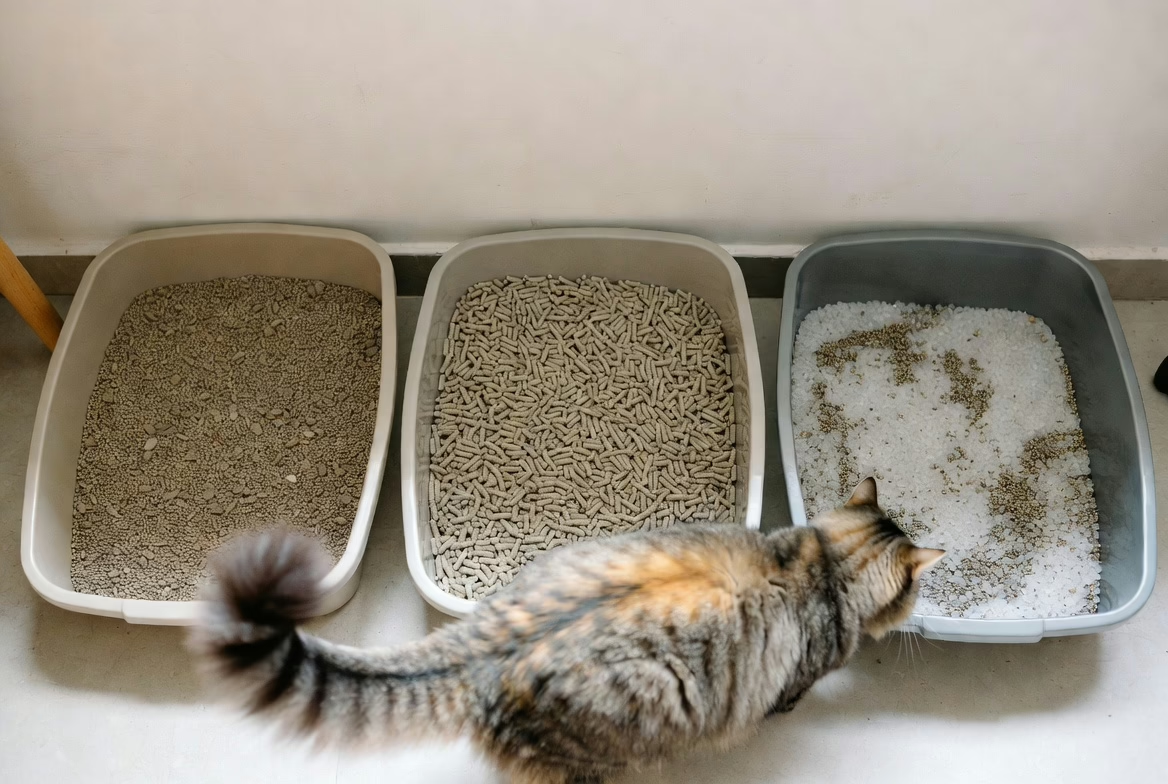
Uncertain about preferences? Buy three small bags of different unscented litters. Set up separate boxes with each type and watch which one gets used most. This simple test prevents weeks of frustration.
You’ll need one box per cat, plus one extra. Three cats means four boxes minimum. Cats get territorial about bathroom resources, and having backup options prevents conflicts. Spread boxes across different floors if you have a multi-level home—expecting your cat to sprint downstairs when nature calls urgently sets everyone up for failure.
| Type | Pros | Cons | Best Suited For | Price Range |
|---|---|---|---|---|
| Standard Open Box | Easy entry, good airflow, you can see when cleaning’s needed | Litter flies everywhere, zero privacy, smells spread through room | Kittens learning the ropes, senior cats with mobility issues, first-time training | $8–$25 |
| Hooded/Covered Box | Keeps odors somewhat contained, reduces mess, gives cats privacy | Smells concentrate inside, harder to scoop daily, some cats feel trapped | Adult cats comfortable with enclosed spaces, homes needing better odor management | $20–$60 |
| Self-Cleaning Automatic | Minimal daily work required, stays cleaner between scoops | Expensive upfront, motor noises scare many cats, needs nearby outlet | Busy households, cats who don’t startle easily | $150–$600 |
| Top-Entry Style | Litter stays contained remarkably well, dogs can’t access it, offers seclusion | Young and old cats struggle entering, scooping takes more effort, some cats reject the design entirely | Healthy younger adults, homes with nosy dogs | $25–$50 |
How to Litter Train a Kitten Step by Step
Mother cats start demonstrating proper bathroom technique when kittens hit about three weeks old. By the time you adopt at eight to twelve weeks, their brains already grasp the basic concept—you’re just pointing them toward the right location.
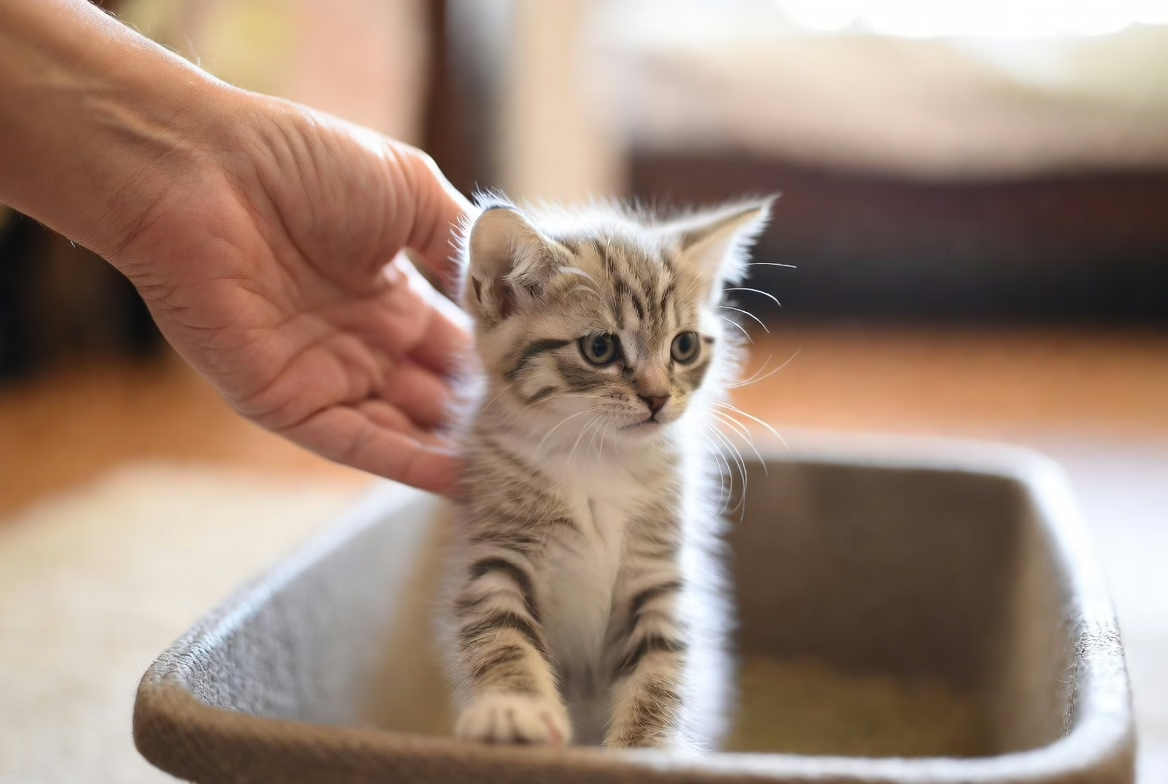
Show your kitten the box within an hour of arriving home. Don’t grab their paws and force digging motions—that’s unnecessary and stresses them out. Just let them sniff and explore. Bring them back after meals, naps, and play sessions. Those three situations trigger elimination reflexes in young kittens.
Watch for pre-bathroom signals: intense sniffing along the floor, walking tight circles, scratching at carpet, or suddenly stopping mid-play to look distracted. When you spot these signs, pick up your kitten calmly and place them in the box. Stay nearby but don’t hover or stare intensely. Most kittens will go within ninety seconds if they actually need to.
Never punish accidents. Rubbing a kitten’s nose in urine or yelling creates fear around the entire bathroom process, making your job ten times harder. Clean up accidents thoroughly with enzymatic cleaners—regular household products leave scent molecules that encourage repeat performances in the same spots.
When your kitten successfully uses the box, offer quiet praise or a tiny treat immediately after they step out. Some cats respond better to gentle petting than food rewards. Experiment to discover what motivates your particular kitten.
Most kittens achieve reliable results within two to four weeks if you stay consistent. Temporary backsliding during stressful events (vet visits, new pets arriving, moving homes) is normal and usually resolves within days once routines stabilize.
How to Litter Train an Adult Cat
Adult cats without prior box experience present different challenges, though the core approach remains similar with key adjustments.
Rescued cats from purely outdoor backgrounds might not recognize what a litter box even represents. These cats benefit from starting with an extra-large, shallow container filled with a mixture of sand and potting soil—substrates that feel familiar from their outdoor life. Gradually introduce standard litter by mixing increasing amounts into the sand over two to three weeks.
Cats from previous homes usually understand the concept but may have developed strong preferences about specific textures or container styles. If your newly adopted adult refuses your current setup, contact their previous owners or shelter to learn what they used before. Temporarily matching that familiar arrangement, then slowly transitioning to your preferred system, prevents behavioral setbacks.
Retraining adult cats with established avoidance patterns requires identifying what caused their original rejection. Medical problems top the suspect list—bladder infections, kidney decline, diabetes, and arthritis all contribute to box avoidance. Schedule a thorough vet exam before assuming the issue stems purely from behavior.
For cats with behavioral resistance, create a completely fresh start. Buy a brand-new box and place it somewhere entirely different from the rejected one. Try an unfamiliar litter variety. Deep-clean all previous accident spots with enzymatic cleaners. You’re building a wholly new bathroom experience without connections to whatever negative element caused the original refusal.
Adult cat training typically takes three to six weeks, though cats with deeply ingrained aversions might need two to three months of patient, steady effort before achieving reliability.
Building Healthy Litter Box Habits
Training doesn’t end once your cat uses the box reliably. Maintaining solid habits requires ongoing attention to cleanliness and environmental factors.
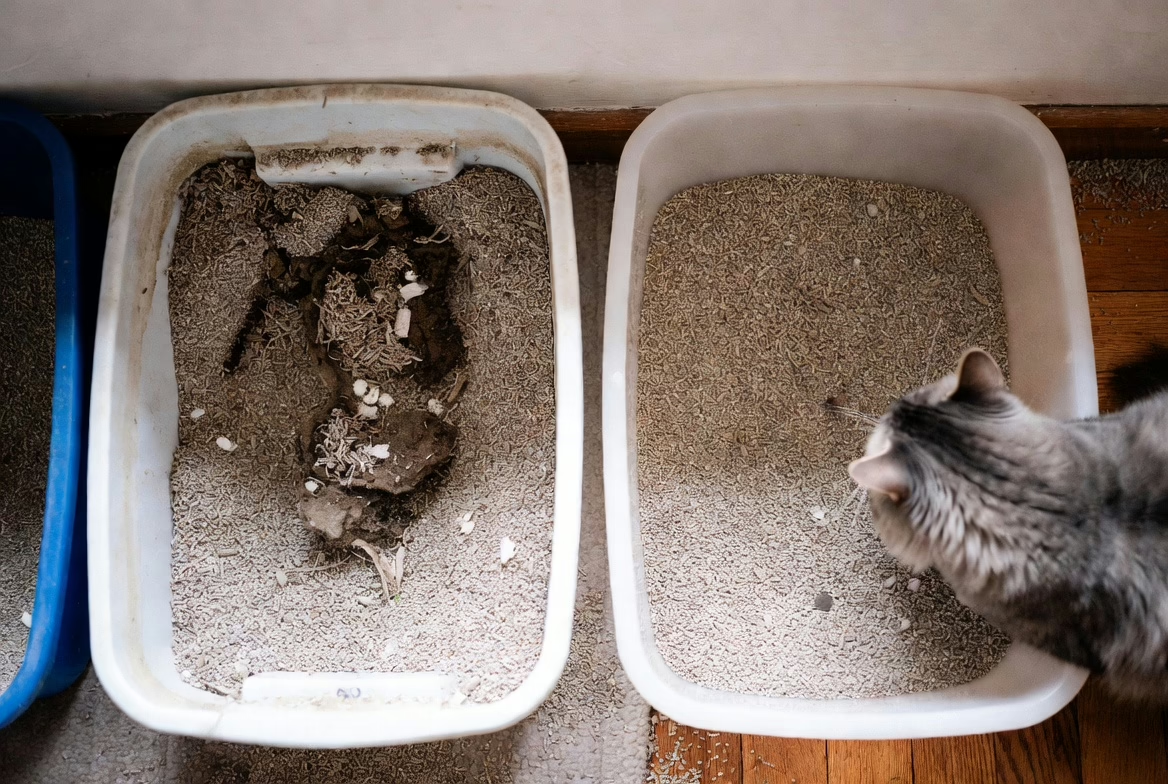
Scoop every single day without exception. Cats have extraordinarily powerful noses, and a box that seems acceptable to you might smell absolutely revolting to them. Many cats refuse boxes containing even one clump of soiled litter. Set a phone alarm if this task tends to slip your mind—I’m not judging, life gets busy.
Empty the entire box, wash it thoroughly, and add fresh litter every two to four weeks. Use mild dish soap and hot water—harsh chemicals leave residues that repel cats. Replace the plastic container itself every six to twelve months because the material gradually absorbs odors that washing can’t remove.
Think carefully about placement. Boxes in high-traffic areas like kitchens stress cats who value privacy during vulnerable moments. Conversely, boxes tucked into dark basement corners may trigger safety concerns, especially in multi-pet homes where a cat might feel cornered.
Homes with multiple cats need extra vigilance around bathroom resources. Some cats guard litter boxes, physically blocking subordinate cats from accessing them. If you notice one cat consistently hanging around the box or blocking the entrance, add more boxes in separate areas. Resource monopolization creates significant stress and frequently causes inappropriate elimination.
Watch for changes in bathroom patterns—they’re often the first sign of developing illness. Dramatically increased bathroom trips suggest diabetes or kidney problems. Visible straining or crying during elimination indicates potential urinary blockage, which becomes a genuine life-threatening emergency in male cats. Diarrhea lasting beyond twenty-four hours warrants immediate veterinary consultation.
Common Litter Box Training Mistakes to Avoid
Even experienced cat owners make errors that sabotage their training efforts. Understanding these common pitfalls helps you avoid them entirely.
Placing boxes next to noisy appliances—washing machines, furnaces, water heaters—startles cats mid-bathroom and creates negative associations with the box itself. If your only available space sits near a loud appliance, position the box as far from it as possible, or consider a hooded model to buffer external sounds.
Undersized boxes rank among the most frequent mistakes. Cats need enough space to turn around completely and dig without hitting the sides. Large breeds like Maine Coons and Ragdolls require extra-large or jumbo containers that you’ll probably need to order online because most pet stores don’t stock them.
Sudden litter changes confuse cats and may trigger outright refusal. If you must switch litters, blend twenty-five percent new with seventy-five percent old for three days, advance to fifty-fifty for three days, then seventy-five percent new for three days before completing the transition.
Punishing cats for accidents proves counterproductive and frankly cruel. Cats lack the mental framework to connect punishment with events that occurred even seconds earlier. Yelling or physical discipline teaches cats to fear you personally, not to modify their bathroom location. They may start eliminating in hidden spots to avoid your anger, dramatically worsening the underlying problem.
Inadequate cleaning of accident locations virtually guarantees repeat incidents. Standard cleaning products don’t break down the uric acid crystals in cat urine. Only enzymatic cleaners specifically designed for pet waste completely eliminate the odor signature that magnetically pulls cats back to previously soiled locations.
Troubleshooting Litter Box Problems
When a previously reliable cat abandons their box, systematic troubleshooting identifies the underlying cause.
Medical issues demand investigation first. Bladder infections, urinary stones, kidney decline, hyperthyroidism, diabetes, inflammatory bowel disease, and arthritis all trigger box avoidance. Schedule a vet exam before implementing behavioral strategies. Addressing behavioral problems while an undiagnosed medical condition persists wastes time and allows the health issue to worsen.
After ruling out health concerns, examine environmental variables. Has anything changed recently? New household members (human or animal), furniture rearrangement, construction noise, different litter brand, new cleaning products used near the box? Cats are profoundly habitual creatures, and seemingly minor modifications can spark stress reactions.
Box aversion develops when cats mentally associate the container with negative experiences—pain during elimination from a bladder infection, being frightened by unexpected loud noise, being ambushed by another household pet while using the box. Resolving aversion requires creating an entirely fresh, positive bathroom experience in a different location using different supplies.
Territorial marking operates differently from standard litter box problems. Marking involves small amounts of urine sprayed onto vertical surfaces like walls or furniture legs, rather than puddles on horizontal surfaces. Intact males mark most frequently, but spayed females and neutered males also mark when stressed or detecting other cats’ presence. Marking requires distinct interventions beyond standard training—primarily addressing whatever triggered the behavior and potentially using pheromone diffusers or anti-anxiety medications your vet prescribes.
Some cats develop strong preferences for inappropriate locations—they genuinely favor your bed linens, bathroom rugs, or houseplant soil over litter. Block access to preferred inappropriate spots while simultaneously making the litter box more appealing. Add a second container with a different litter texture. Keep boxes in absolutely pristine condition. Consider whether the inappropriate location offers something the litter box lacks—better privacy, preferable temperature, softer surface texture.
Senior cats battling arthritis may experience genuine pain during box entry, particularly with high-walled containers. Switching to a low-entry box or even a shallow storage container with one side trimmed down to three inches frequently resolves the problem immediately.
The foundation of successful training and lasting positive habits rests entirely on appropriate litter box setup and diligent maintenance. The vast majority of litter box cases I encounter in clinical practice trace back to well-intentioned owners who inadvertently established environments failing to satisfy their cats’ biological requirements. Straightforward modifications to box dimensions, litter texture, or container placement resolve most cases without requiring medication or elaborate behavior modification programs.
Dr. Rebecca Martinez, DVM, DACVB, a board-certified veterinary behaviorist at the Animal Behavior Clinic of Portland
FAQs
How long does it take to litter train a kitten?Most kittens grasp the fundamentals within two to four weeks given consistent daily routines. Kittens who observed their mothers using boxes properly often train within just days. Orphaned kittens or those separated from mom exceptionally early may need the full four weeks or slightly longer. Complete reliability—zero accidents even during excitement or stressful situations—usually develops around four to six months as bladder control physically matures.
How many litter boxes do I need for multiple cats?Here’s the formula: take your number of cats and add one. Two cats need three boxes total; four cats require five boxes. This arrangement prevents territorial conflicts and ensures clean boxes stay constantly available. Spread boxes throughout different rooms rather than grouping them together in one spot—from a cat’s perspective, three boxes side-by-side function as one large box. Households exceeding this minimum guideline rarely face litter box troubles, while those maintaining fewer boxes frequently struggle with inappropriate elimination.
What type of litter is best for training?Unscented, clumping clay litter delivers optimal results for most cats during initial training since the fine texture mimics natural dirt and clumping makes daily maintenance simpler. Avoid scented litters, crystal varieties, and large pellets during training—these textures can feel uncomfortable or smell overwhelming to sensitive cats. Once your cat shows reliable box usage, you can experiment with alternative litter types if needed, but introduce changes gradually by mixing familiar and new litters across seven to ten days.
Should I use a covered or uncovered litter box?Open boxes work better for initial training because they provide unrestricted access, better ventilation, and let you monitor your cat’s progress directly. Covered boxes can trap odors internally, reducing their appeal to cats despite containing smells from a human perspective. However, some cats genuinely prefer the privacy that covered boxes provide once training concludes, and they prove valuable in households with dogs who might otherwise bother the cat. Start with an open container, then consider transitioning to a covered model if desired after your cat demonstrates consistent usage for at least four weeks.
Effective training reaches far beyond those initial learning weeks. The patterns you establish during this formative period create behavioral templates lasting your cat’s entire lifespan. Maintaining consistency with cleaning schedules, respecting your cat’s demonstrated preferences, and responding promptly to any bathroom behavior changes protects both your cat’s health and your home’s sanitary conditions.
Remember that litter box difficulties rarely appear without underlying causes. When problems surface, tackle them systematically—eliminate medical explanations first through veterinary examination, then investigate environmental variables, and only then consider behavioral intervention strategies. Most complications resolve through simple adjustments to box dimensions, litter texture, placement location, or cleaning frequency rather than complex retraining protocols.
The investment you make in proper training delivers returns across fifteen to twenty years. A well-trained cat maintaining excellent bathroom habits contributes enormously to household harmony where both humans and felines coexist comfortably and contentedly.