

- Why Feline Dental Hygiene Matters for Your Cat’s Health
- Signs Your Cat Has Dental Problems
- How to Clean Cat Teeth Safely and Effectively
- Cat Gum Health and What to Watch For
- Professional Cat Teeth Cleaning vs. Home Care
- Alternative Dental Care Products for Cats
- Common Cat Dental Care Mistakes to Avoid
- Expert Insight on Preventive Care
Most cat owners don’t realize that 70% of cats show signs of dental disease by age three. Unlike dogs, cats hide pain exceptionally well, making it easy to miss serious oral health issues until they’ve progressed significantly. Your cat’s mouth health directly affects their kidneys, heart, and liver—organs that can be damaged when bacteria from diseased teeth enter the bloodstream.
Proper dental care extends beyond fresh breath. It prevents painful infections, preserves your cat’s ability to eat comfortably, and can add years to their life. Yet many pet parents feel overwhelmed by the prospect of brushing their cat’s teeth or unsure where to start with preventive care.
This guide breaks down everything you need to know about maintaining your cat’s oral health, from recognizing early warning signs to mastering at-home cleaning techniques that actually work.
Why Feline Dental Hygiene Matters for Your Cat’s Health
Dental disease in cats starts with plaque—a sticky film of bacteria that forms on teeth within hours of eating. Without removal, plaque hardens into tartar within 24-48 hours. This calcified buildup irritates gums, creating pockets where bacteria thrive and multiply.
The progression follows a predictable pattern. First comes gingivitis: reversible gum inflammation that causes redness and mild swelling. Left untreated, it advances to periodontitis, where infection destroys the tissues and bone supporting teeth. Cats with periodontitis experience loose teeth, bone loss, and chronic pain that makes eating difficult.
The consequences extend far beyond the mouth. Bacteria from infected gums enter the bloodstream every time your cat chews, potentially seeding infections in vital organs. Research shows cats with severe dental disease face higher risks of kidney disease, heart valve problems, and liver complications. These systemic effects explain why feline dental hygiene ranks among the most important aspects of preventive cat care.
Tooth resorption—a condition where the tooth structure breaks down and is absorbed by the body—affects up to 75% of cats over five years old. Unlike cavities in humans, these lesions occur at or below the gum line, making them invisible without professional examination. Cats with resorptive lesions often drop food, drool excessively, or avoid hard kibble entirely.
Stomatitis, a severe inflammatory condition affecting the entire mouth, causes debilitating pain that prevents some cats from eating altogether. While its exact cause remains unclear, poor dental hygiene worsens the condition significantly.
Signs Your Cat Has Dental Problems
Cats instinctively conceal vulnerability, so obvious signs of dental pain typically appear only after problems have advanced. Bad breath—often described as fishy or rotten—is usually the first noticeable symptom. While “cat breath” carries a slight odor naturally, a strong, unpleasant smell indicates bacterial overgrowth.
Watch for changes in eating habits. A cat with dental pain may approach their food bowl enthusiastically but eat slowly, chew on one side, or drop kibble repeatedly. Some cats switch preferences from dry to wet food or stop eating hard treats they previously enjoyed. Weight loss often follows when eating becomes too uncomfortable.
Excessive drooling, especially if tinged with blood, signals gum disease or oral lesions. You might notice wet fur around your cat’s chin or small spots of saliva on surfaces where they rest. Pawing at the mouth or rubbing the face against furniture suggests localized pain.
Behavioral changes provide important clues. Cats with dental problems may become irritable when touched around the head, withdraw from social interaction, or groom less frequently. Some develop a head tilt or prefer to sleep with one side of their face pressed against surfaces—positioning that relieves pressure on painful areas.
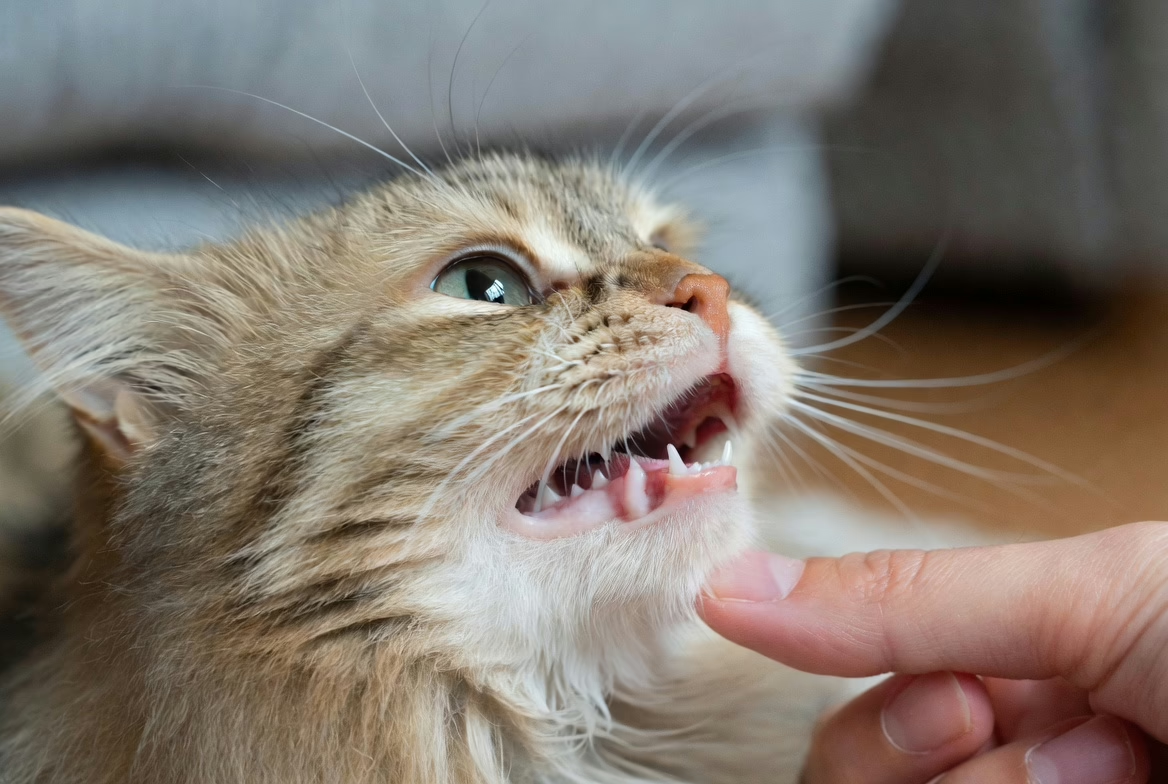
Visible symptoms require lifting your cat’s lip to examine their mouth. Healthy gums appear pale pink and firm. Red, swollen, or bleeding gums indicate inflammation. A visible yellow-brown crust along the gum line is tartar buildup. Missing teeth, loose teeth, or visible pus around tooth roots demand immediate veterinary attention.
How to Clean Cat Teeth Safely and Effectively
Success with at-home cat teeth cleaning depends heavily on gradual introduction and positive reinforcement. Cats forced into tooth brushing often become aggressive or fearful around the process, making future attempts nearly impossible.
Choosing the Right Toothbrush and Toothpaste
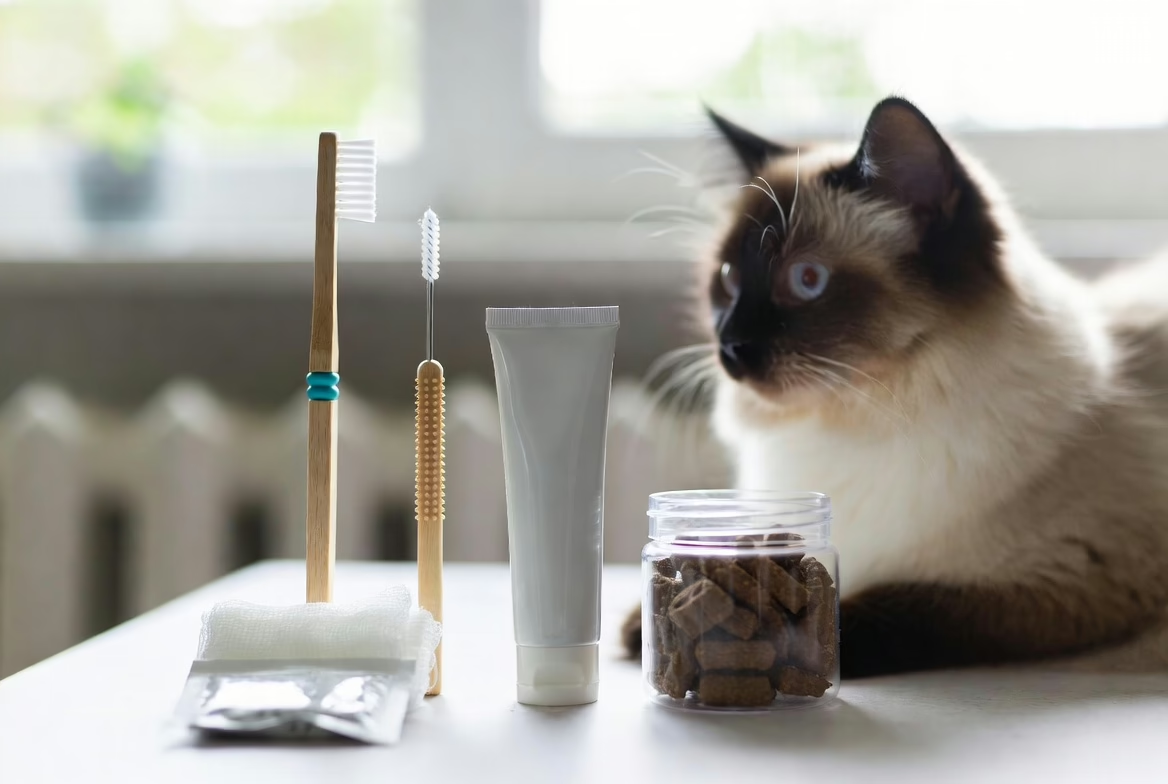
Never use human toothpaste on cats. The fluoride and foaming agents in products designed for people are toxic when swallowed, and cats can’t rinse and spit. Veterinary toothpastes come in flavors like poultry, seafood, and malt that appeal to cats. These enzymatic formulas break down plaque chemically, providing benefits even if your brushing technique isn’t perfect.
Finger brushes—soft rubber caps that fit over your fingertip—work well for cats who tolerate direct contact. They give you better control and sensitivity to your cat’s reactions. Traditional pet toothbrushes with small, soft bristles reach back molars more effectively once your cat accepts the process. Some owners find children’s extra-soft toothbrushes work equally well at a lower cost.
Gauze wrapped around your finger offers a starting point for cats who resist brushes entirely. While less effective at reaching between teeth, it removes surface plaque and gets your cat accustomed to mouth handling.
Step-by-Step Tooth Brushing Technique
Start desensitization weeks before attempting actual brushing. Choose a calm time when your cat is relaxed—after play sessions works well for many cats. Sit with your cat in a comfortable position, ideally with their back against your body so they feel secure.
Week one: Simply touch your cat’s face and lips while offering treats and praise. Keep sessions under 30 seconds. The goal is building positive associations with mouth handling.
Week two: Gently lift the lip to expose teeth for a few seconds. Reward immediately. Gradually increase duration as your cat remains calm.
Week three: Introduce the toothpaste. Let your cat lick a small amount from your finger. Most cats enjoy the flavor once they try it. Apply a small dab to their front teeth with your finger—no brushing yet.
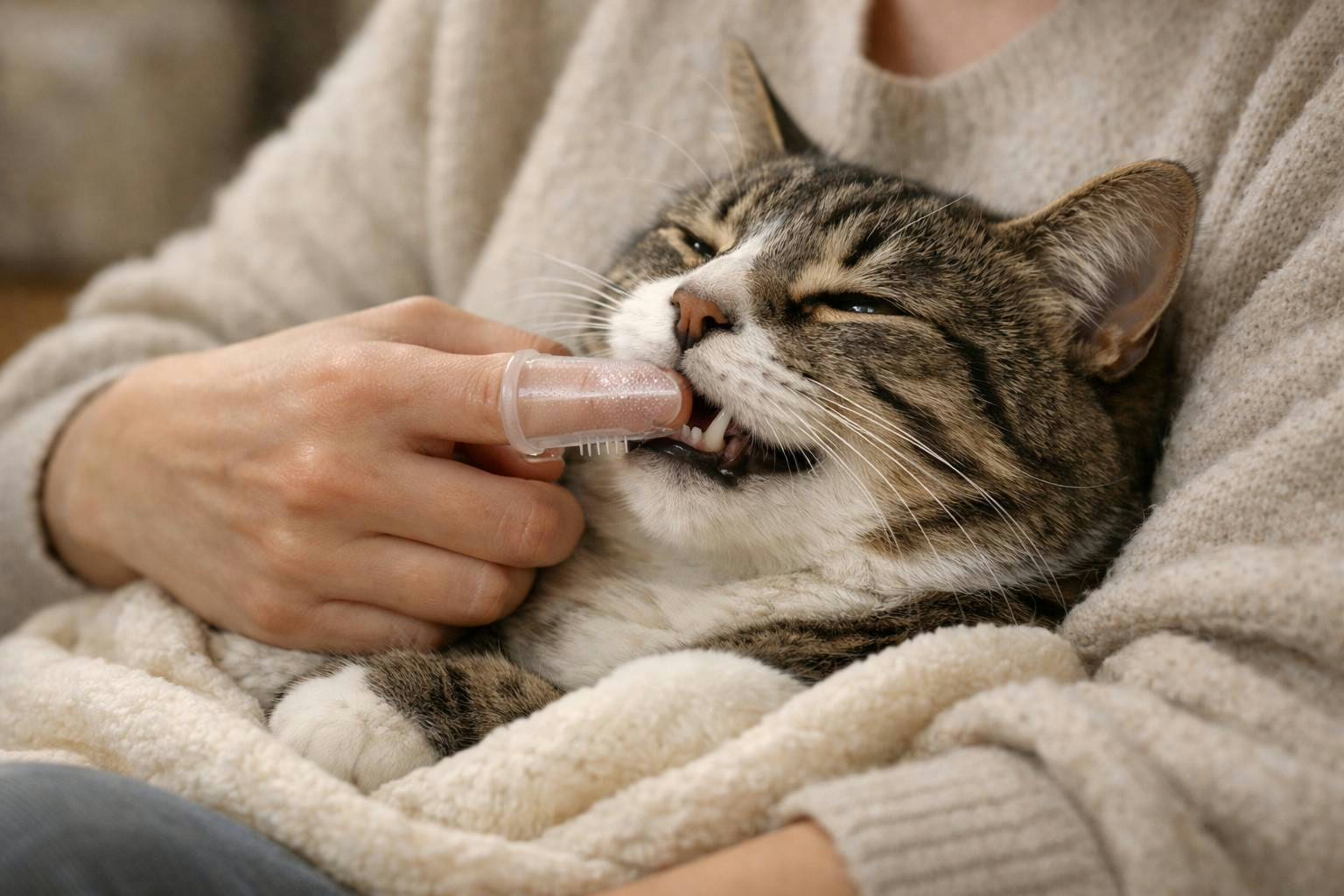
Week four: Begin using the brush or gauze. Focus only on the outer surfaces of the canine teeth and large molars. Use gentle circular motions along the gum line, where plaque accumulates most. You don’t need to brush inner tooth surfaces—your cat’s tongue handles those reasonably well.
The entire brushing session should last 30-60 seconds once your cat accepts it. Prioritize the back molars and canines, where tartar builds up fastest. End on a positive note with treats or playtime, reinforcing that tooth brushing leads to good things.
If your cat becomes agitated, stop immediately and return to an earlier desensitization step. Forcing the issue damages trust and makes future attempts harder.
How Often to Brush Your Cat’s Teeth
Daily brushing provides the best results, preventing plaque from hardening into tartar. However, even three times weekly offers significant benefits compared to no brushing at all. Consistency matters more than perfection—regular brief sessions outperform sporadic lengthy ones.
Morning brushing fits many schedules better than evening, when both cats and owners are tired. Establishing a routine helps your cat anticipate and accept the process. Some cats respond better to brushing before meals, when they’re motivated by the prospect of food rewards.
Cat Gum Health and What to Watch For
Healthy cat gums appear pale pink—similar to the color inside your own mouth. They should feel firm when gently pressed and show no bleeding when touched. The tissue fits snugly around each tooth without gaps or pockets.
Gingivitis causes gums to redden, particularly along the margins where teeth meet tissue. You might notice a thin red line bordering each tooth. Gums may appear puffy or swollen rather than firm. Light bleeding during eating or tooth brushing indicates inflammation.
Gingivitis remains reversible with improved dental care. Professional cleaning removes existing tartar, while consistent home brushing prevents new buildup. Most cats show improvement within weeks once proper feline dental hygiene begins.
Periodontitis represents advanced disease where infection has damaged supporting structures. Gums recede, exposing tooth roots. Deep pockets form between teeth and gums, harboring bacteria beyond the reach of brushing. Teeth may appear longer than normal due to gum recession, or they may loosen as bone deteriorates.
Cats with periodontitis need immediate veterinary care. Antibiotics address active infection, but professional cleaning under anesthesia remains necessary to remove tartar below the gum line. Severely damaged teeth often require extraction—a procedure that, while sounding drastic, typically brings immediate relief and allows cats to eat comfortably again.
The color and appearance of gums provide early warning signs when checked regularly. Make it habit to lift your cat’s lip weekly during petting sessions. Catching changes early prevents progression to painful, expensive conditions.
Professional Cat Teeth Cleaning vs. Home Care
Veterinary dental cleanings involve general anesthesia, which concerns many cat owners but serves important purposes. Anesthesia allows thorough examination of every tooth, including those at the back of the mouth that conscious cats won’t tolerate touching. It enables safe removal of tartar below the gum line—the area where disease actually progresses.
The procedure typically includes full-mouth dental radiographs that reveal problems invisible to the naked eye: tooth resorption, root abscesses, and bone loss. Many cats have painful conditions affecting teeth that appear normal externally. Your veterinarian scales away tartar using ultrasonic equipment, polishes teeth to smooth surfaces that resist plaque adhesion, and extracts any teeth too damaged to save.
Modern anesthesia protocols designed specifically for cats minimize risks. Pre-anesthetic bloodwork identifies potential complications. Monitoring equipment tracks heart rate, blood pressure, oxygen levels, and body temperature throughout the procedure. Most cats go home the same day and recover fully within 24-48 hours.
Costs vary significantly by region and the extent of disease present. Basic cleanings for cats with minimal tartar typically range from $300-$500. Cases requiring extractions, advanced imaging, or treatment of infections can reach $1,000-$2,000. Pet insurance often covers a portion of dental procedures when medically necessary.
Frequency recommendations depend on individual cats. Those with good home care may need professional cleanings every 2-3 years. Cats prone to dental disease might require annual cleanings despite regular brushing. Breeds like Persians and Himalayans, with compressed facial structures, often need more frequent professional attention.
“Anesthesia-free” dental cleanings offered by some groomers or mobile services cannot replace proper veterinary care. These procedures remove only visible tartar above the gum line—the cosmetic portion—while leaving disease-causing deposits below gums untouched. Without anesthesia, thorough examination and treatment of painful conditions becomes impossible.
Home care and professional cleanings serve different but complementary roles. Think of daily brushing like brushing your own teeth, while veterinary cleanings resemble the deep cleanings your dentist performs. Both are necessary for optimal oral health.
Alternative Dental Care Products for Cats
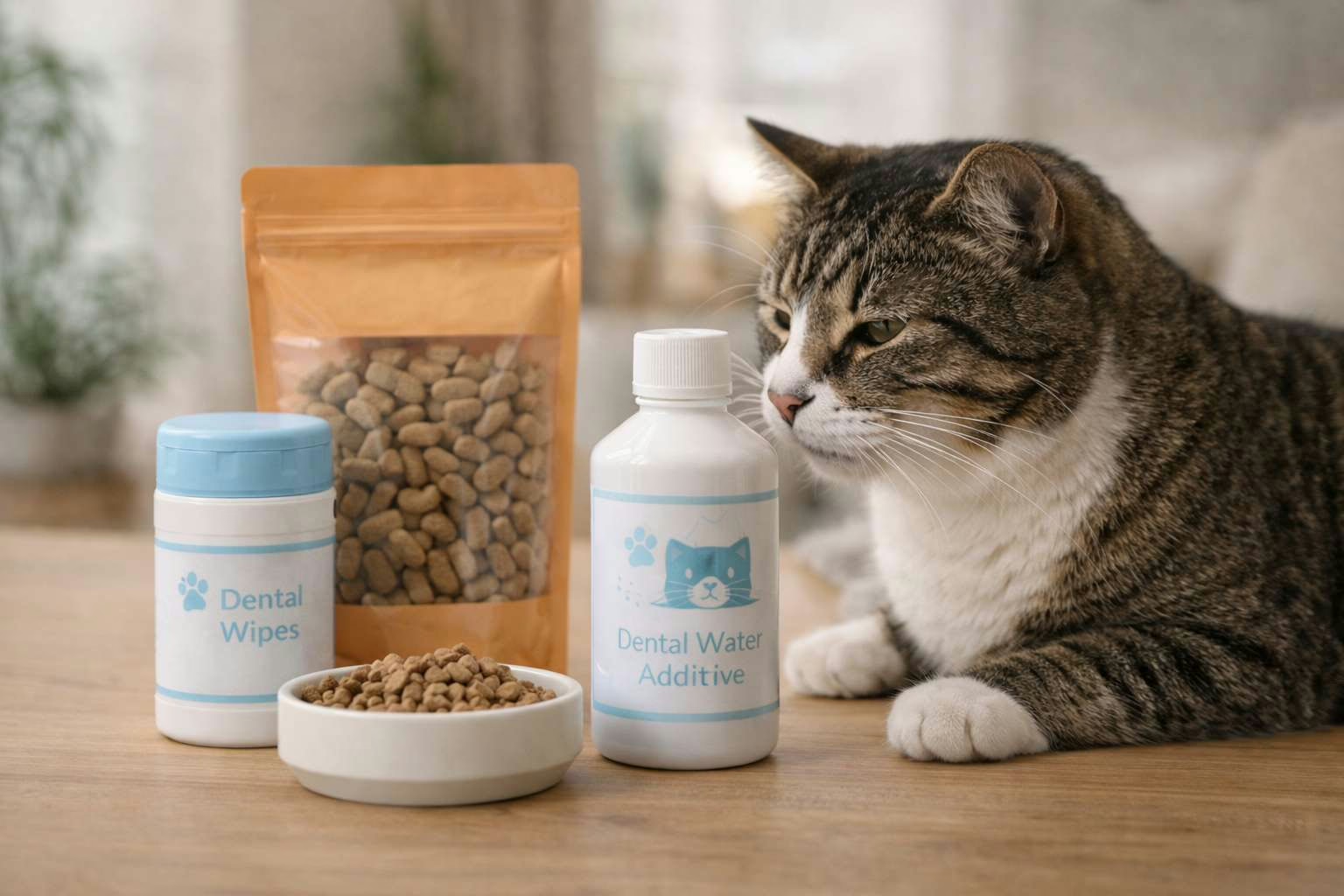
When daily brushing proves impossible, alternative products offer some benefit, though none match the effectiveness of proper tooth brushing.
Dental treats designed for cats contain textures that provide mild abrasive action as your cat chews. The Veterinary Oral Health Council (VOHC) awards a seal of approval to products meeting specific plaque and tartar reduction standards. Look for this seal when selecting treats. Feed dental treats daily according to package directions—usually 1-2 treats per day for average-sized cats. Remember these are supplemental; adjust regular food portions to prevent weight gain.
Water additives containing enzymes or chlorhexidine reduce bacterial growth in your cat’s mouth. Add the recommended amount to fresh water daily. Effectiveness varies—some cats show measurable plaque reduction, while others see minimal benefit. These products work best as part of a comprehensive approach rather than as standalone solutions. Some cats dislike the taste and may drink less, so monitor water intake carefully.
Dental wipes pre-moistened with cleaning solutions let you manually remove plaque from tooth surfaces. They’re easier to use than toothbrushes for cats who resist bristles but still require holding your cat still and manipulating their mouth. Wipes don’t reach between teeth or below the gum line effectively.
Dental chew toys made from rubber or nylon theoretically clean teeth through chewing action. In practice, most cats show little interest in chewing these toys the way dogs do. Cats are obligate carnivores with hunting instincts—they prefer toys that mimic prey movement over stationary chew objects.
Raw bones remain controversial. Proponents argue they provide natural cleaning action. However, veterinary dentists warn that bones can fracture teeth, cause intestinal blockages if swallowed in chunks, and carry bacterial contamination risks. The potential dangers generally outweigh benefits.
Prescription dental diets feature specially designed kibble that encourages chewing and provides mechanical cleaning. These work reasonably well for cats who eat dry food readily but shouldn’t replace brushing when possible.
| Method | Effectiveness Rating | Ease of Use | Monthly Cost | Best For |
|---|---|---|---|---|
| Toothbrushing | Excellent (9/10) | Moderate | $5-$10 | Cats accepting gradual training; owners committed to daily routine |
| Dental Treats | Fair (5/10) | Very Easy | $15-$25 | Supplementing brushing; cats who won’t tolerate handling |
| Water Additives | Fair (4/10) | Very Easy | $10-$20 | Multi-cat households; cats sensitive to mouth handling |
| Dental Wipes | Moderate (6/10) | Moderate | $8-$15 | Cats tolerating brief handling but resisting brushes |
| Prescription Diets | Moderate (6/10) | Easy | $40-$60 | Cats needing dental support who eat dry food readily |
Common Cat Dental Care Mistakes to Avoid
Using human toothpaste tops the list of dangerous mistakes. Even small amounts of fluoride cause stomach upset in cats, while larger quantities lead to serious toxicity. The foaming agents in human toothpaste also upset feline digestive systems. Always use products specifically formulated for cats.
Forcing the tooth brushing process backfires consistently. A cat who learns that brushing involves restraint and discomfort will resist increasingly over time, sometimes becoming aggressive. The desensitization process takes patience, but cats trained gradually usually accept—and some even enjoy—tooth brushing sessions.
Ignoring warning signs of dental disease allows problems to progress until they require extensive (and expensive) treatment. That slight redness along the gum line or occasional dropped kibble signals early disease that responds well to improved home care. Waiting until your cat stops eating entirely means advanced infection requiring emergency intervention.
Delaying veterinary visits when problems arise is equally problematic. Dental disease causes genuine pain that diminishes your cat’s quality of life daily. Cats don’t “get used to it”—they simply hide suffering instinctively. Tooth infections can spread to vital organs, creating life-threatening complications.
Assuming that dry food alone keeps teeth clean is a persistent myth. While some dental diets help, regular kibble doesn’t provide significant cleaning action. Many cats swallow small kibble pieces whole without chewing. Even cats who chew develop tartar and dental disease without proper preventive care.
Neglecting dental care in senior cats because “they’re too old for anesthesia” denies them relief from painful conditions. Modern anesthesia protocols are remarkably safe for healthy senior cats. The greater risk often lies in leaving painful infections untreated, which stresses the body and contributes to organ damage.
Starting dental care only after problems develop misses the preventive window when intervention is easiest and most effective. Kittens should experience gentle mouth handling from the beginning, making adult dental care routine rather than traumatic.
Expert Insight on Preventive Care
In my 15 years specializing in veterinary dentistry, I’ve seen countless cats whose quality of life improved dramatically after addressing chronic dental disease. Owners often report that their ‘old’ cat suddenly acts years younger once painful teeth are treated. The tragedy is that most of this suffering is preventable. Cats whose owners implement regular tooth brushing from kittenhood rarely develop severe dental disease. We’re not just preventing bad breath—we’re preventing chronic pain and potentially adding years to their lives by reducing the bacterial load that damages internal organs.
Dr. Sarah Mitchell, DVM, DAVDC (Diplomate, American Veterinary Dental College)
FAQs
Never use human toothpaste on cats. It contains fluoride and foaming agents that are toxic when swallowed. Cats can’t rinse and spit like humans, so they ingest whatever you put in their mouth. Human toothpaste causes stomach upset at minimum and serious toxicity in larger amounts. Always use toothpaste specifically formulated for cats, which comes in pet-friendly flavors and uses safe, edible ingredients.
Professional dental cleanings typically cost $300-$500 for routine cases with minimal disease. Prices increase significantly when extractions, advanced imaging, or treatment of infections become necessary—potentially reaching $1,000-$2,000 or more. Geographic location affects pricing substantially, with urban areas generally charging more than rural clinics. The cost includes anesthesia, monitoring, dental radiographs, scaling, polishing, and any medications needed. Many veterinary clinics offer payment plans or work with pet financing companies to make dental care more accessible.
Many cats resist tooth brushing initially but accept it after proper desensitization. The key is proceeding slowly—over weeks, not days—and never forcing the process. Start by simply touching your cat’s face during calm moments, then gradually progress to lifting lips, introducing toothpaste flavor, and finally using a brush. Keep sessions brief (under 30 seconds) and end with rewards. If your cat truly won’t accept brushing after patient training, focus on alternatives like dental treats, water additives, and regular professional cleanings. Some benefit is always better than none.
Seek immediate veterinary care if your cat stops eating entirely, drools excessively with blood in the saliva, shows facial swelling, develops a visible lump near the jaw, or exhibits extreme sensitivity when you touch their head. A cat who suddenly becomes lethargic, runs a fever, or shows signs of systemic illness alongside dental symptoms needs emergency attention—infection may have spread beyond the mouth. While most dental problems develop gradually, abscessed teeth and severe infections can become life-threatening quickly. When in doubt, call your veterinarian for guidance rather than waiting to see if symptoms resolve.
Your cat’s dental health directly impacts their comfort, longevity, and overall wellbeing. The connection between oral disease and systemic illness means that neglecting dental care affects far more than just teeth and gums.
Start where you are. If you’ve never addressed your cat’s dental health, schedule a veterinary examination to establish a baseline. Cats showing signs of existing problems need professional cleaning before home care becomes effective. For cats with healthy mouths, begin desensitization training today—even five minutes of gentle mouth handling this week sets the foundation for successful tooth brushing next month.
The investment of time learning proper technique and building your cat’s comfort pays dividends for years. Cats whose owners maintain consistent dental care avoid the pain of advanced periodontal disease, keep their teeth longer, and face fewer health complications as they age.
Remember that perfect shouldn’t be the enemy of good. Brushing three times weekly beats never brushing at all. Using dental treats and water additives while working toward accepting a toothbrush still provides benefits. Every positive step you take improves your cat’s oral health and strengthens the bond between you.
Your cat depends on you to recognize problems they instinctively hide and to provide preventive care they can’t perform themselves. With the knowledge and techniques outlined here, you’re equipped to give your cat the dental care they need for a longer, healthier, more comfortable life.