
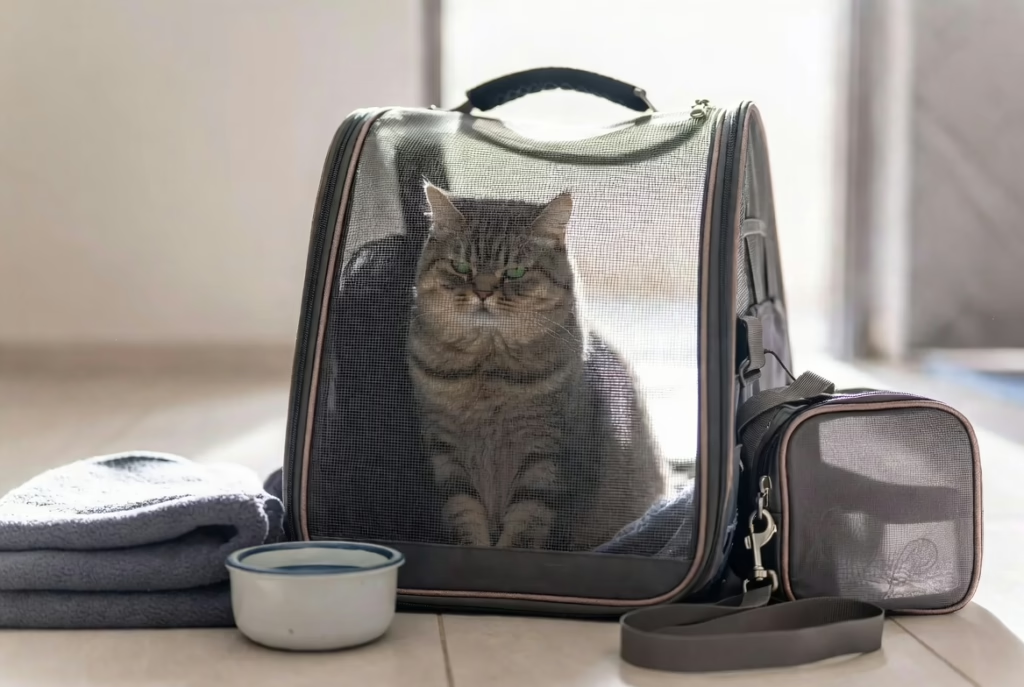
Planning a road trip with Mr. Whiskers in tow? Maybe you’ve landed a job three states away, or your family reunion isn’t negotiable this year. Here’s the thing about cats and travel: most would rather stay home. They’re wired to love familiar territory, and disrupting that triggers stress responses you’ll both regret. But here’s what actually works—preparation that starts well before you book anything, equipment choices that matter more than you’d think, and strategies that keep panic attacks (yours and theirs) to a minimum.
Preparing Your Cat for Travel Before the Trip
You’ll want to start this process about a month out, not the night before. First stop: your vet’s office, ideally three weeks ahead of your departure date. This visit isn’t just box-checking. Your veterinarian needs to evaluate whether your cat’s healthy enough for the trip, whether that’s a two-hour drive or an international flight. You’ll walk out with updated vaccination records and—if you’re flying or crossing state lines—a health certificate that’s typically valid for 10-30 days depending on your destination.
Here’s something many cat owners skip: microchipping. Get it done if you haven’t already. I’ve seen perfectly docile cats transform into escape artists when they’re terrified. A microchip costs $45-75 and could mean the difference between losing your cat permanently or getting a call from a shelter 50 miles away. Update the contact info to include your cell number and wherever you’re headed.
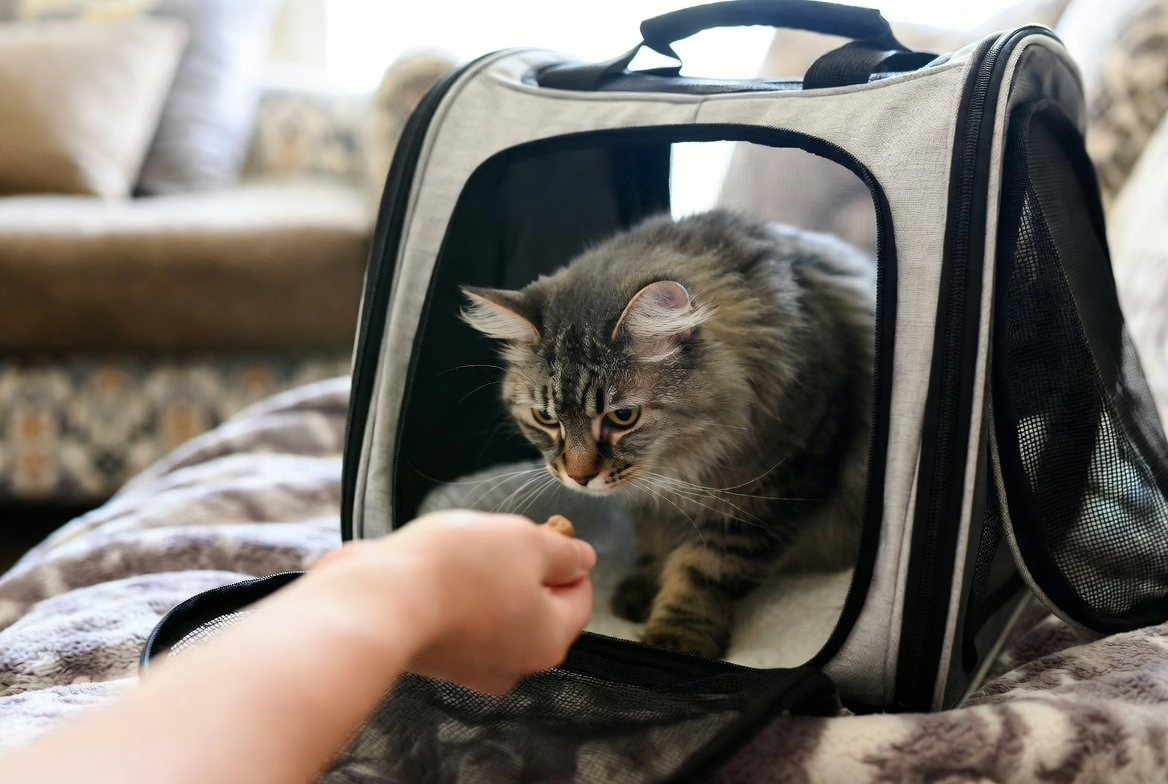
Now for the part that requires actual commitment: carrier desensitization. Take that plastic box out of the basement and make it part of your living room furniture. Remove the door completely. Toss in your cat’s favorite fleece blanket, scatter some treats inside, and just… leave it there. Feed your cat’s dinner right next to the carrier for the first few days, then start placing the bowl inside. You’re building positive associations, erasing the “carrier equals vet trip” panic response most cats develop.
After a week of this, start closing the door while your cat eats—just for 30 seconds at first. Gradually extend that time over several days. Then comes the weird part: walk around your house carrying the closed carrier with your cat inside. Take it upstairs, back down, into different rooms. You’re teaching them that being carried doesn’t automatically mean something terrible is happening. Finally, do a few practice drives around the block. Five minutes, then ten, then twenty. By the time you’re loading up for the real trip, the carrier feels routine instead of threatening.
If you’re driving, there’s one more trick worth trying. Play recordings of highway noise—you can find hours of this on YouTube—during your cat’s meal times. Start at barely audible volume, then increase it gradually over two weeks. This conditions your cat to associate engine sounds and road noise with eating, not danger.
Choosing the Right Cat Carrier for Your Journey
Walk into any pet store and you’ll face two dozen carrier options. Here’s how to actually choose. Measure your cat from nose to the base of their tail (not the tip—that doesn’t count). Add four inches to that length, and that’s your minimum carrier interior dimension. Your cat needs enough space to stand without hunching, turn around without contortions, and lie flat on their side. Too small creates panic. Too large lets them slide around during stops, which is equally stressful.
For car trips, hard-sided carriers with top-loading doors give you the best crash protection. The Sleepypod Mobile Pet Bed has actual crash test ratings at 30 mph—most carriers offer zero protection if you hit a deer at highway speed. Look for reinforced construction and dedicated slots for threading seatbelts through. These usually run $80-150, but we’re talking about protecting a family member in an accident.
Flying changes the equation entirely. Airlines impose strict weight limits—usually 18-20 pounds total for cat plus carrier on domestic flights. Soft-sided carriers that can compress slightly to fit under seats become your only option if you want cabin travel. But check your specific airline’s under-seat dimensions before buying anything. American Airlines allows 19″ × 13″ × 9″ on most aircraft, while United caps it at 18″ × 11″ × 11″. One inch over means your cat goes in cargo, and that’s a completely different (and riskier) experience.
Ventilation requirements shift with climate. Three-sided mesh panels prevent overheating in July but create drafts in January. The better carriers include adjustable vent covers you can open or close based on conditions. Never buy carriers with only front-facing ventilation—your cat needs airflow from multiple angles to feel secure and breathe comfortably.
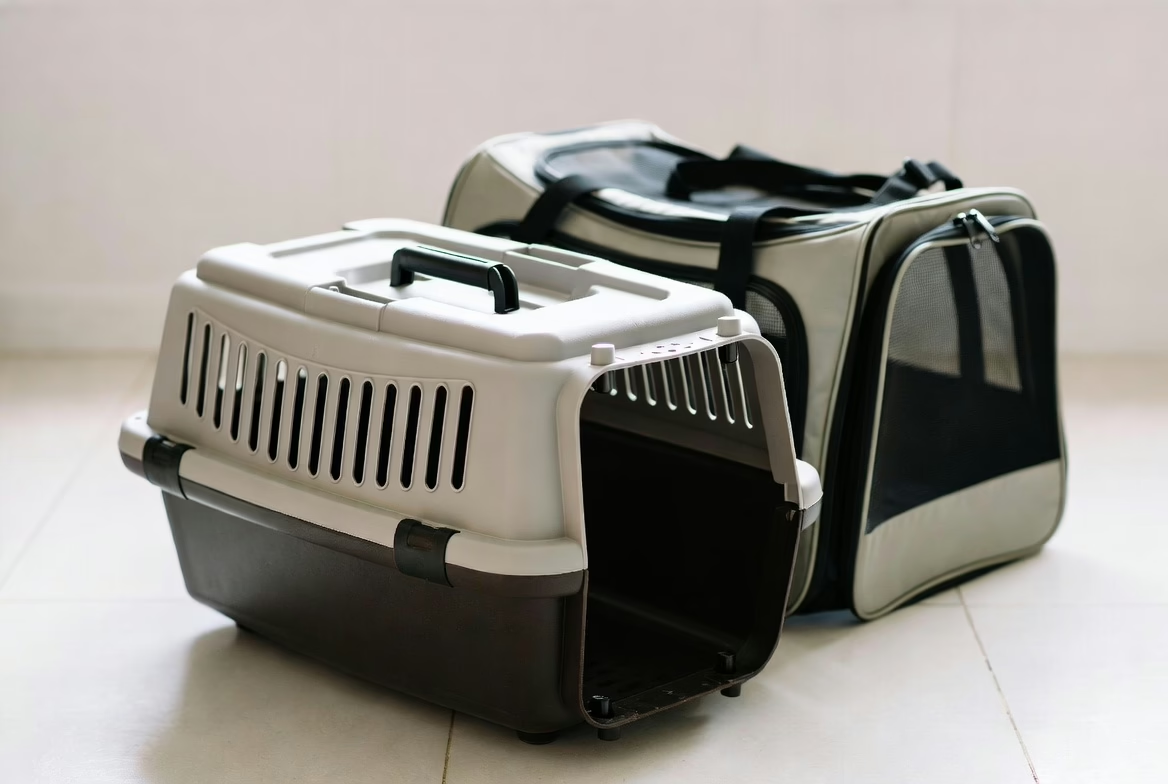
The soft versus hard debate boils down to safety versus practicality. Hard carriers protect during impacts but weigh 6-8 pounds empty and don’t squeeze into tight spaces. Soft carriers compress to fit under airplane seats and weigh 2-3 pounds but offer basically no crash protection. Choose based on your primary travel mode. Flying frequently? Go soft and airline-approved. Road tripping? Invest in crash-tested hard-sided protection.
Traveling by Car with Your Cat
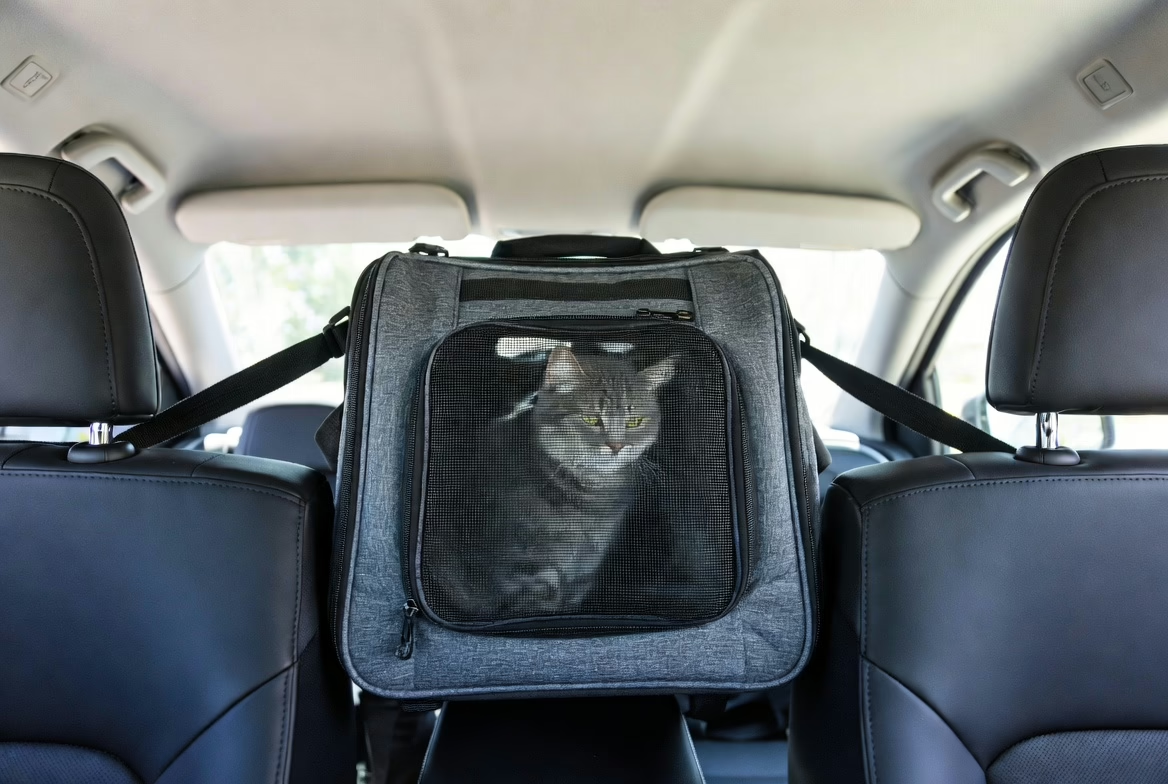
Here’s where most people get it wrong from the start. That carrier needs to go on the back seat floor, specifically behind the front passenger seat—it’s the safest position in collisions. Thread your seatbelt through the carrier’s handle straps or use dedicated cargo straps rated for pet carriers. An unsecured 10-pound carrier becomes a 300-pound projectile at just 30 mph. Physics doesn’t care how short your drive is.
Temperature management requires constant attention. Your cat’s wearing a fur coat in a confined box—they overheat faster than you do. If you’re comfortable, they’re probably too warm. Run the AC even on 65-degree days, but don’t blast cold air directly at the carrier. Adjust vents to circulate air without creating a wind tunnel. Winter brings the opposite problem. Warm up your car for 5-10 minutes before loading your cat. Sudden exposure to cold air stresses their respiratory system unnecessarily.
For trips over four hours, plan stops every 2-3 hours. Find shaded parking, crack windows (not enough for escape—two inches maximum), and offer water in a shallow dish. Most cats won’t use a litter box during short trips, but if you’re driving an SUV, keeping a small disposable box in the cargo area gives you options if your cat seems desperate.
Timing meals matters more than most people realize. Feed a light meal—about half their normal portion—4-6 hours before leaving for longer trips. This prevents hunger-induced stress without filling their stomach right before motion starts. For trips under three hours, skip feeding entirely. An empty stomach reduces motion sickness dramatically. Water’s different—offer it freely up until you leave, but don’t force them to drink if they’re not interested.
Covering three sides of the carrier with a lightweight blanket creates a den-like space that reduces visual overstimulation. Leave the front open for airflow and so your cat can see you. Resist the urge to constantly check on them or talk to them. Your nervous chatter actually increases their anxiety. Classical music or white noise works better than silence for masking sudden traffic sounds that trigger startle responses.
Don’t let your cat loose in the car. I know—they prefer your lap, or they like looking out the window, or they’ve always been fine before. Until they’re not. Unrestrained cats hide under brake pedals, slip behind dashboards, or bolt through cracked windows at rest stops. One hard brake can send them into the windshield. This isn’t overprotective paranoia; it’s basic safety.
Common Mistakes During Car Travel with Cats
Opening the carrier mid-trip to “check if they’re okay” tops every vet’s list of what-not-to-do. Terrified cats can squeeze through six-inch gaps and end up trapped in your dashboard vents or under the hood. I’ve known people who had to disassemble parts of their car to retrieve a panicked cat. If you absolutely must check on your cat, pull into a parking lot, bring the entire carrier into a bathroom or other enclosed room, and do it there. Never open a carrier in an open car, even with doors closed—they’ll find a way to hide where you can’t reach.
Skipping carrier restraints seems harmless until your first hard stop. That carrier slides forward, flips over, or slams into the back of your seat. Even gentle stops send unsecured carriers tumbling. Your cat experiences that as a terrifying loss of control, spiking their stress through the roof.
Leaving cats in parked vehicles kills them. Interior temperatures hit 120°F within 20 minutes when it’s only 80°F outside. Cracking windows doesn’t help—the greenhouse effect still occurs. Heatstroke causes organ failure in under 15 minutes. If you’re stopping somewhere that doesn’t allow your cat inside, don’t make that stop. Plan your route around this limitation.
Retractable leashes during rest stops are disasters waiting to happen. When your cat panics, they pull with surprising force, and those retractable mechanisms fail more often than you’d think. Use a fixed 4-6 foot leash attached to a properly fitted harness—not a collar, which cats slip out of with minimal effort.
Flying with Your Cat: Cabin and Cargo Guidelines
Airlines categorize pets as either carry-on items or checked cargo. In-cabin travel runs $95-200 each way domestically and counts as your personal item—meaning you lose that under-seat storage space. You’re limited to one pet per passenger, and most airlines cap total cabin pets at 4-6 per flight. During holiday travel, those spots book weeks in advance, so reserve early.
Your carrier has to fit entirely under the seat ahead of you. Dimensions vary by aircraft type. Typical limits hover around 18″ L × 11″ W × 11″ H, but Southwest flies different planes than Delta, and each aircraft has different under-seat clearances. Airlines publish these specifications online—check before buying a carrier. Anything oversized forces cargo transport, which is an entirely different situation.
Cargo transport costs $200-500 each way and carries real risks you need to understand. Yes, cargo holds are temperature-controlled, maintaining 45-85°F. But ground delays happen, exposing pets to tarmac temperatures that can hit 130°F in summer or drop below freezing in winter. Most major airlines now restrict cargo pet transport to specific months, refusing bookings when ground temperatures exceed 85°F or fall below 45°F at any point in the journey—origin, destination, or connection cities.
You can’t book pet travel online with most airlines. You’ll need to call their customer service line, ideally when you’re booking your own ticket. Policies change constantly, and what worked last year might not apply now. You’ll need that veterinary health certificate issued within 10 days of your flight (some states require it within 30 days for entry). International flights multiply the paperwork: import permits, rabies titer tests, quarantine arrangements that vary wildly by country.
TSA screening creates a moment of high escape risk. You must remove your cat from the carrier while the carrier goes through the X-ray machine. Request a private screening room before you start—this minimizes your cat’s exposure to crowds and reduces escape opportunities. Bring a harness and leash, keeping your cat secured throughout the process. Some airports have pet relief areas past security checkpoints. Use them if your cat tolerates being walked on a harness.
Sedation sounds logical but creates more problems than it solves. The American Veterinary Medical Association specifically warns against it—sedatives impair your cat’s ability to regulate body temperature and maintain balance. Altitude changes affect sedated animals unpredictably, sometimes causing respiratory depression. Most airlines explicitly prohibit transporting sedated pets in cargo holds. Natural calming aids like Feliway spray pose fewer risks without the dangerous side effects.
Managing Anxiety and Comfort During Cat Travel
Feliway and similar pheromone sprays contain synthetic versions of the facial pheromones cats deposit when they rub their faces on furniture. Spray your carrier bedding 30 minutes before travel—the alcohol carrier needs time to evaporate. Reapply every 4-6 hours on longer trips. This signals “safe territory” to your cat’s brain, reducing stress responses.
Pack items that smell like home. Your cat’s regular blanket (don’t wash it first—those home scents matter), a t-shirt you’ve worn for a full day, their favorite ratty toy. This isn’t the time to introduce brand-new beds or exciting new toys. Familiar = safe. Novel = threatening.
L-theanine supplements, chamomile, and valerian root formulations work for some cats when given two hours pre-travel. Brands like Composure or Solliquin have veterinary research backing them, but test them during a practice run first. About 10% of cats react paradoxically, becoming more agitated instead of calmer. And obviously, never give your cat human anti-anxiety medications unless your vet specifically prescribed them with exact dosing instructions.
For trips exceeding six hours, you’ll need litter box access. Disposable cardboard boxes with pre-filled litter fit in SUV cargo areas or hotel bathrooms. Most cats won’t eliminate during trips under six hours, but anxious cats break this rule. Puppy pads lining the carrier bottom provide backup absorption if accidents happen.
Watch for stress signals that mean you need to intervene. Continuous vocalization, open-mouth panting, excessive drooling, pupils dilated to full black circles, or aggressive swatting when you approach. If your cat pants steadily for more than 10 minutes, pull over immediately. Check ventilation, make sure they’re not overheating, and offer water. Persistent panting signals either dangerous overheating or severe anxiety that needs veterinary attention.
“The single most effective intervention for reducing feline travel stress is carrier habituation starting at least three weeks before the trip. Cats who view their carrier as a safe space rather than a trap show 60–70% lower cortisol levels during transport. Pair this with pheromone therapy, and you’ve addressed the two biggest stressors: confinement anxiety and environmental novelty.” — Dr. Sarah Chen, DVM, DACVB, Board-Certified Veterinary Behaviorist
What to Pack in Your Cat Travel Kit
Assemble everything in one dedicated bag you can grab quickly:
- Food and water: Three days’ worth of their regular food in sealed containers; collapsible silicone bowls that pack flat
- Medications: Their entire supply plus three extra days; keep pharmacy labels visible for border crossings
- Health documents: Vaccination records, health certificates, your vet’s contact information including after-hours emergency number
- Identification: Recent photo clearly showing distinctive markings; microchip number written down separately from the registration
- Cleaning supplies: Paper towels, enzymatic cleaner (regular cleaners don’t eliminate odors cats can smell), disposable gloves, heavy-duty trash bags
- Comfort items: That familiar blanket, pheromone spray, calming treats they actually like
- Safety gear: Properly fitted harness (collars slip off too easily), 6-foot fixed-length leash, spare carrier clips in case originals break
- Litter supplies: Disposable litter box, small bag of their regular litter (switching types causes stress), collapsible scooper, waste bags
- First aid basics: Gauze pads, antiseptic wipes, tweezers for removing splinters or ticks, emergency vet contact info at your destination
Keep this kit accessible—not buried in checked luggage where you can’t reach it. Flying? Pack medications and three days of food in your carry-on. Checked bags get lost or delayed, and you don’t want to be scrambling for prescription medications in an unfamiliar city.
Car Travel vs. Air Travel for Cats: Comparison
| Factor | Car Travel | Air Travel |
|---|---|---|
| Preparation Time | 2-3 weeks for carrier training and practice runs | 4-6 weeks for documentation, bookings, and carrier training |
| Typical Cost | Fuel plus pet-friendly lodging ($200-$600 depending on distance) | $95-$500 per flight segment, not counting carrier purchase |
| Stress Level | Moderate (you control environment and schedule) | High (noise, strangers, pressure changes, rigid schedules) |
| Carrier Requirements | Crash-tested preferred but not legally required; size flexible | Strict dimension limits; airline-approved mandatory |
| Ideal Trip Length | Drives under 12 hours total | Cross-country or international distances |
| Pros | Flexible timing; controlled temperature and breaks; no weight restrictions | Covers long distances quickly; avoids days of continuous travel stress |
| Cons | Time-consuming; requires pet-friendly lodging research; driver fatigue | Rigid airline schedules; delays beyond your control; temperature exposure during boarding |
Final Thoughts
Nobody’s claiming your cat will enjoy traveling. That’s not a realistic goal. What you’re aiming for is minimizing stress to manageable levels and keeping your cat safe throughout the journey. Success comes down to preparation that starts weeks early, equipment choices appropriate for your specific travel mode, and prioritizing safety over convenience every single time.
The difference between a manageable trip and a traumatic experience often hinges on details that seem small: securing the carrier with actual restraints instead of just setting it on the seat, maintaining comfortable temperatures instead of assuming they’re fine, recognizing early stress signals instead of waiting for a full panic attack.
If this is your first time traveling with a cat, run a trial before the real trip. Do a 30-minute drive to a park or friend’s house—complete setup with carrier restraints, temperature management, the whole process. This reveals issues like motion sickness, excessive vocalization, or escape attempts when the stakes are low and you’re close to home. Then tweak your approach based on what actually happened instead of what you assumed would happen.
Whether you’re driving to the next state or flying internationally, your preparation determines whether you both arrive safely and relatively calm or traumatized and never wanting to travel again. Invest time in carrier training early, pack more thoroughly than seems necessary, and stay calm throughout—cats read human stress levels and amplify them. Start your prep work a month out, and you’ll both handle whatever comes up during the actual journey.