
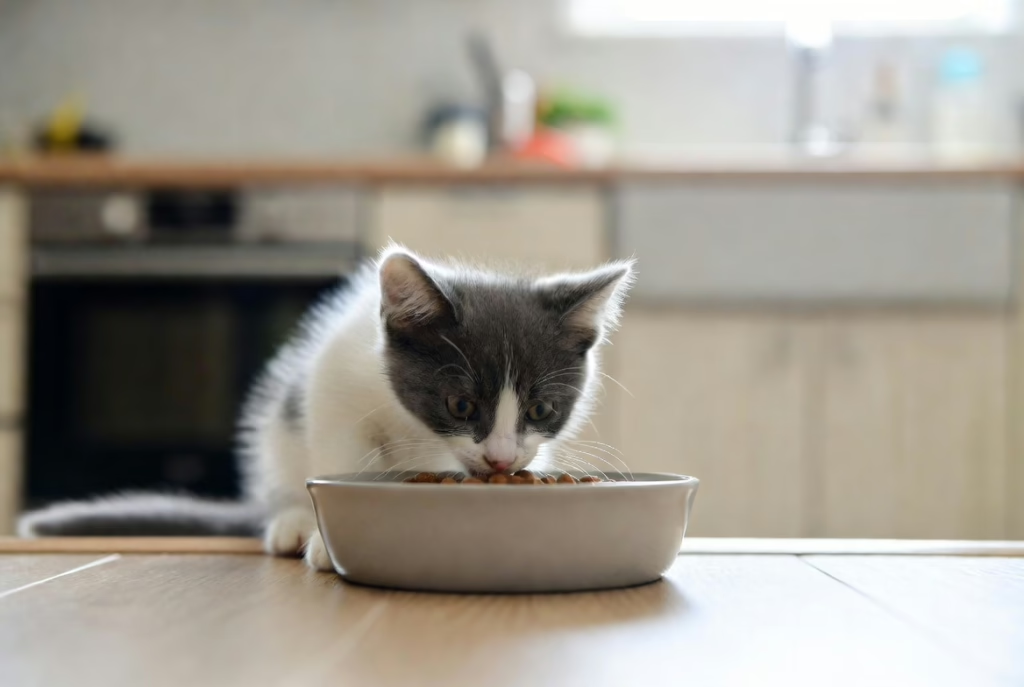
Bringing home a kitten means taking on the responsibility of nurturing a growing feline through one of the most critical developmental periods of their life. Proper nutrition during the first six months shapes everything from bone density to immune function, yet many new kitten owners struggle with conflicting advice about portion sizes, food types, and feeding frequency.
The stakes are higher than most people realize. Kittens grow at an astonishing rate—some breeds gain up to their birth weight every week during the first month. This rapid development demands precise nutritional support. Feed too little, and you risk stunted growth and weakened immunity. Overfeed, and you may create lifelong weight management problems or digestive distress.
This guide breaks down exactly what your kitten needs at each stage, from their first days through the crucial six-month mark when their adult diet begins to take shape.
Understanding Kitten Nutrition Basics
Kittens aren’t simply small cats. Their bodies operate like high-performance engines, requiring fuel that’s fundamentally different from what sustains adult felines. While an adult cat needs roughly 200-250 calories per day, a three-month-old kitten of the same size may need 250-280 calories to support their explosive growth rate.
Protein stands at the foundation of kitten nutrition basics. Young cats require a minimum of 30% protein in their diet—significantly higher than the 26% minimum for adults. This protein must come primarily from animal sources. Chicken, turkey, fish, and beef provide complete amino acid profiles that plant proteins cannot match. Taurine, an amino acid found exclusively in animal tissue, proves especially critical. Without adequate taurine, kittens develop heart problems and vision impairment.
Fat content should hover around 18-22% for optimal development. These fats supply concentrated energy and carry fat-soluble vitamins A, D, E, and K throughout the body. DHA, an omega-3 fatty acid, supports brain and eye development during those crucial early months.
Calcium and phosphorus work in tandem to build strong bones and teeth. The ideal ratio sits at approximately 1.2:1 (calcium to phosphorus). Too much calcium can actually harm growing bones, while too little leads to skeletal abnormalities. This delicate balance is why veterinarians strongly discourage homemade kitten diets unless formulated by a veterinary nutritionist.
Caloric needs scale with both age and weight. A general rule: kittens need about 100 calories per pound of body weight daily until four months, then this gradually decreases to around 80 calories per pound by six months. A two-pound, eight-week-old kitten therefore needs roughly 200 calories spread throughout the day.
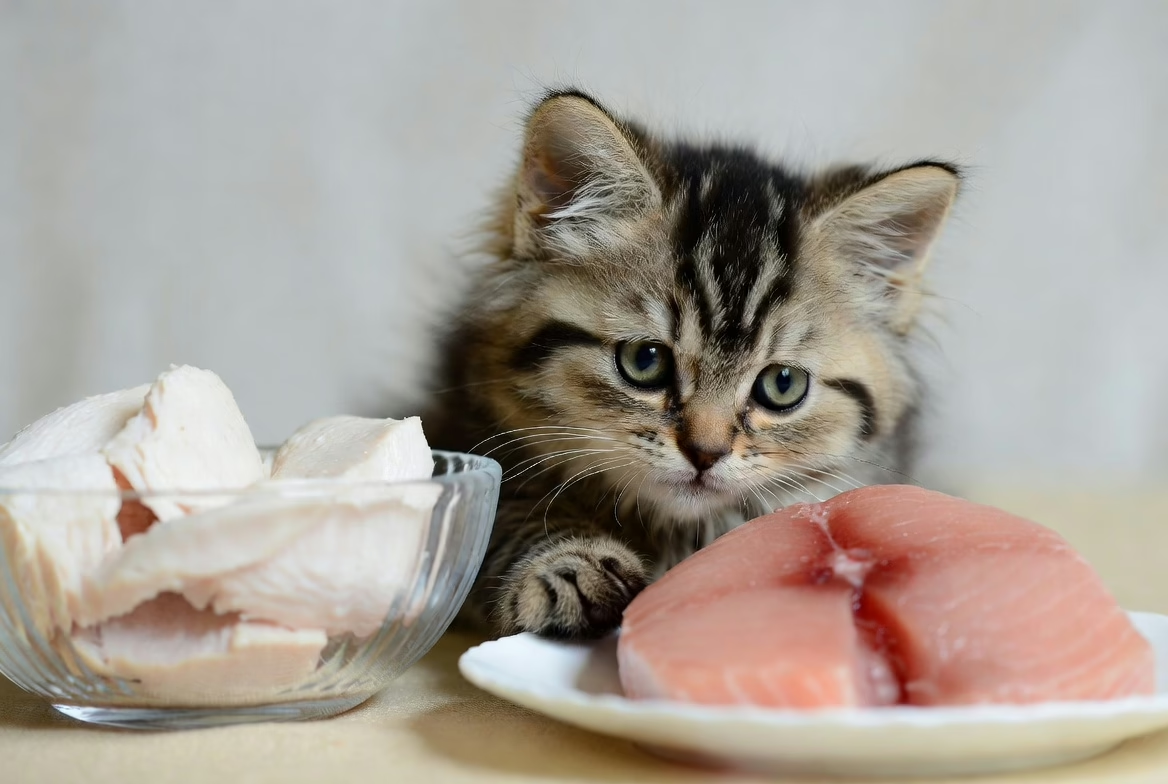
What to Feed Kittens at Different Life Stages
The first six months of a kitten’s life divide into distinct nutritional phases, each with specific dietary requirements.
Birth to 4 Weeks
Newborn kittens should receive mother’s milk exclusively. Queen’s milk contains the perfect blend of antibodies, proteins, and fats for this vulnerable stage. The colostrum produced in the first 24-72 hours delivers essential antibodies that protect against common infections.
When mother’s milk isn’t available—due to orphaning, rejection, or insufficient milk production—kitten milk replacer (KMR) becomes necessary. Never use cow’s milk or other substitutes. Cow’s milk lacks adequate protein and fat while containing lactose levels that cause severe diarrhea in kittens.
Feed newborns every 2-3 hours around the clock using a bottle designed for kittens. They’ll consume approximately 8cc of formula per ounce of body weight daily, divided across these frequent feedings. A three-ounce kitten needs about 24cc total per day, or roughly 3cc per feeding if fed eight times daily.
4 to 8 Weeks (Weaning Period)
Around week four, kittens begin showing interest in solid food. Their baby teeth emerge, signaling readiness for the weaning transition. Start by offering a gruel made from high-quality kitten wet food mixed with kitten formula or water until it reaches the consistency of oatmeal.
Place small amounts in a shallow dish and let kittens explore. Expect mess—they’ll walk through it, get it on their faces, and need frequent cleanings. Over 7-10 days, gradually thicken the mixture by reducing the liquid until they’re eating wet food at normal consistency.
Continue offering bottle feedings alongside solid food during this transition. By week seven or eight, most kittens have fully weaned and eat only solid food. Some kittens wean faster; others need the full eight weeks. Watch their individual progress rather than forcing a timeline.
8 Weeks to 6 Months
This stage represents peak growth velocity. Kittens need nutrient-dense food formulated specifically for their age group. Both wet and dry kitten food work well, and many veterinarians recommend a combination approach.
Wet food provides several advantages: higher moisture content (important since kittens often don’t drink enough water), stronger aroma that appeals to picky eaters, and easier chewing for kittens still developing jaw strength. The high water content also supports kidney and urinary tract health from an early age.
Dry kibble offers convenience, helps keep teeth cleaner through mechanical action, and won’t spoil if left out during free-feeding. However, it’s more calorie-dense, making portion control crucial.
Look for foods labeled “complete and balanced for growth” or specifically formulated for kittens. These meet AAFCO (Association of American Feed Control Officials) standards for kitten nutrition. Avoid “all life stages” foods during this critical period—they’re formulated to meet minimum requirements for adult cats, which may shortchange growing kittens.
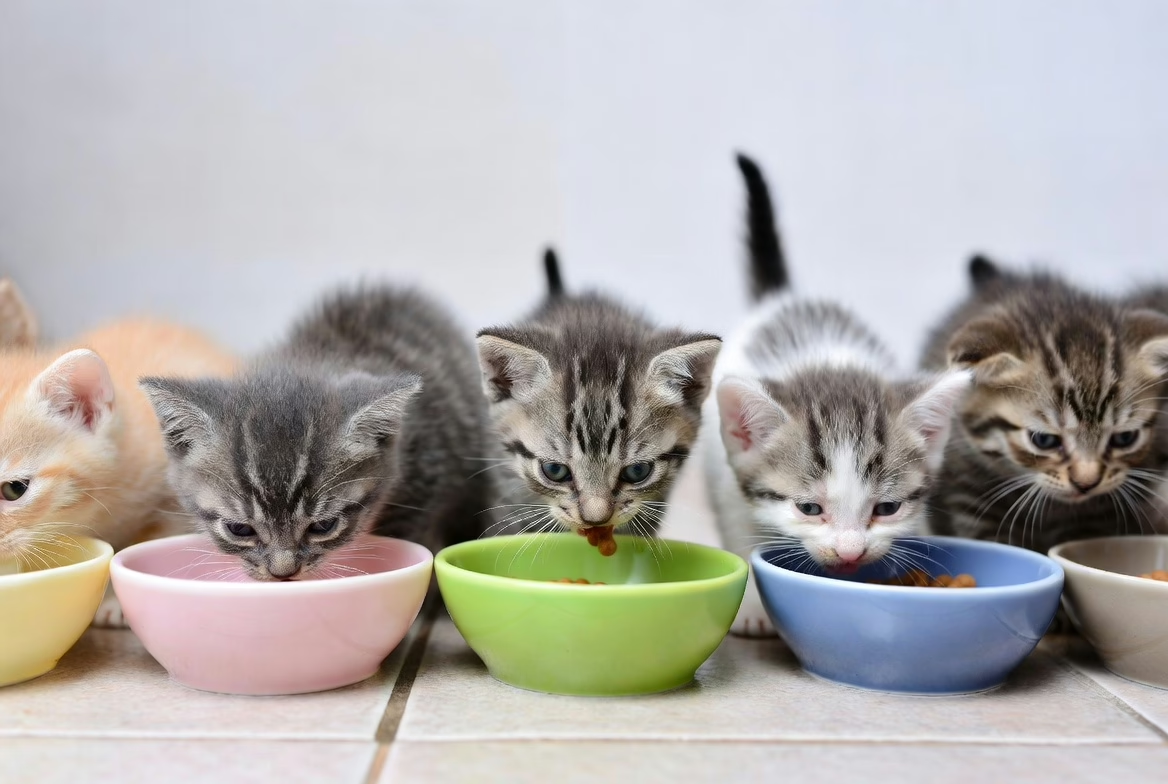
Kitten Feeding Schedule by Age
Frequency matters as much as food quality. A kitten’s small stomach can’t hold enough food for three square meals like an adult cat.
| Age Range | Feedings Per Day | Portion Size Per Feeding | Food Type |
|---|---|---|---|
| Birth-3 weeks | 8-10 | 2-4cc formula per oz body weight | Kitten milk replacer only |
| 3-4 weeks | 6-8 | 4-6cc formula per oz body weight | Primarily formula, introduce gruel |
| 4-8 weeks | 4-6 | 1-2 tablespoons gruel/wet food | Transition from formula to solid food |
| 8-12 weeks | 4 | ¼ cup per feeding | Kitten wet/dry food combination |
| 3-6 months | 3 | ⅓ cup per feeding | Kitten wet/dry food combination |
| 6-12 months | 2 | ½ cup per feeding | Kitten formula, transition to adult food at 12 months |
These portions represent starting points. Individual kittens vary based on breed, activity level, and metabolism. A Bengal kitten burns more calories than a Ragdoll of the same age due to higher activity levels.
Hunger cues help fine-tune your kitten meal routine. Healthy kittens approach food eagerly, finish meals within 20-30 minutes, and maintain steady weight gain. Kittens who constantly cry, seem lethargic, or fail to gain weight need more food or a veterinary evaluation. Conversely, kittens who leave significant food uneaten at multiple meals may need smaller, more frequent portions.
Free-feeding—leaving dry food available all day—works for some kittens but creates problems for others. Food-motivated kittens may overeat, while multi-cat households can’t monitor individual intake. Scheduled meals give you better control and help you notice appetite changes that signal illness.
The first six months of a kitten’s life represent a narrow window where proper nutrition has outsized impact. We see adult cats in our practice every day dealing with obesity, diabetes, and kidney disease that often trace back to poor nutritional starts. Investing in high-quality kitten food and proper feeding practices during this critical period isn’t an expense—it’s preventive medicine that pays returns for the cat’s entire lifetime.
Dr. Jennifer Morrison
Creating a Balanced Kitten Diet Plan
Reading pet food labels feels like deciphering a foreign language, but a few key elements reveal quality quickly.
The ingredient list appears in descending order by weight. The first three ingredients should be recognizable animal proteins—chicken, turkey, salmon, or beef. Avoid foods listing corn, wheat, or soy as primary ingredients. These fillers provide calories but lack the essential amino acids kittens need.
The guaranteed analysis shows minimum protein and fat percentages along with maximum fiber and moisture. For kitten food, look for minimum 30% protein and 9% fat on a dry matter basis (for dry food). Wet food percentages appear lower due to moisture content—a wet food showing 10% protein actually contains about 40% protein on a dry matter basis.
The AAFCO statement indicates whether the food meets nutritional standards. The phrase “formulated to meet AAFCO nutrient profiles for growth” means the recipe theoretically contains appropriate nutrients. Better yet is “animal feeding tests using AAFCO procedures substantiate that this food provides complete and balanced nutrition for growth”—this means actual kittens thrived on the diet during testing.
Avoid these ingredients in kitten food:
– Onions and garlic (even in small amounts, toxic to cats)
– Artificial colors (Red 40, Yellow 5, Blue 2—no nutritional value)
– Excessive carbohydrates (corn gluten meal, wheat flour as primary ingredients)
– Generic meat terms (“meat by-products” without specifying the animal)
Most kittens eating high-quality commercial kitten food don’t need supplements. In fact, supplementing can create dangerous imbalances. Excess calcium interferes with proper bone development. Too much vitamin A causes bone abnormalities and joint pain. Only add supplements under veterinary guidance for specific deficiencies.
Common Kitten Feeding Mistakes to Avoid

Even well-intentioned kitten owners make feeding errors that compromise health.
Switching to adult food too early. Some owners transition kittens to adult cat food at six months to save money or because the kitten seems full-grown. Most cats continue developing until 12 months (18 months for large breeds like Maine Coons). Premature switching robs them of crucial nutrients during final growth phases.
Feeding dog food in a pinch. Dog food lacks taurine and contains inadequate protein for cats. Even a few days on dog food can cause problems. If you run out of kitten food, canned tuna in water or plain cooked chicken tide them over until you can buy proper food.
Believing the milk myth. Television and children’s books perpetuate the image of cats lapping up saucers of milk. Adult cats and weaned kittens lack sufficient lactase enzyme to digest lactose. Milk causes diarrhea, vomiting, and stomach pain. Water is the only beverage kittens need besides mother’s milk or formula.
Overfeeding treats. Those pleading eyes are hard to resist, but treats should never exceed 10% of daily caloric intake. A kitten eating 250 calories daily should get no more than 25 calories from treats—about two small commercial cat treats. Excess treats displace nutritionally complete food and create picky eaters.
Inconsistent feeding times. Kittens thrive on routine. Feeding at random times throughout the day causes digestive upset and anxiety. Establish set meal times and stick to them within a 30-minute window.
Ignoring water intake. Kittens eating primarily dry food need constant access to fresh water. Dehydration develops quickly in young cats. Some kittens prefer running water—a cat fountain may encourage drinking. Check water bowls multiple times daily, especially in warm weather.
Free-feeding in multi-cat homes. When multiple cats share space, you can’t monitor individual food intake. A dominant cat may eat more than their share while a timid kitten goes hungry. Separate feeding stations or scheduled meals solve this problem.
FAQs
No. Despite popular belief, cow’s milk causes digestive problems in kittens. After weaning, cats lose much of their ability to digest lactose, the sugar in milk. Even small amounts can trigger diarrhea, gas, and stomach cramping. If you want to offer a liquid treat, use lactose-free cat milk products sold at pet stores, but water remains the best choice for hydration.
An eight-week-old kitten typically weighs 1.5-2 pounds and needs approximately 150-200 calories daily, divided into four meals. This translates to about one-quarter cup of dry kitten food or one 3-ounce can of wet food per day, total. Monitor body condition rather than rigidly following measurements—you should feel ribs easily but not see them prominently. Adjust portions if your kitten seems too thin or is developing a potbelly.
Kittens can begin trying solid food around four weeks of age, though they’ll continue nursing alongside solids. Start with wet kitten food mixed with formula or water to create a soupy consistency. Gradually thicken it over two to three weeks. Most kittens fully transition to solid food by seven to eight weeks old. Attempting solids before four weeks often fails because kittens lack the coordination and teeth to manage it.
A combination approach offers the most benefits. Wet food provides essential moisture and tends to be more palatable, while dry food offers convenience and dental benefits. Many veterinarians recommend feeding wet food for two meals daily and leaving a small amount of dry food available for snacking. This strategy keeps kittens hydrated while preventing the boredom that sometimes comes with eating the same texture at every meal. Whichever you choose, ensure it’s formulated specifically for kittens.
Healthy kittens gain weight steadily—typically 1-2 ounces per week during the first few months. Weekly weigh-ins on a kitchen scale help track progress. Beyond the scale, look for energy and playfulness, a soft coat with good shine, and normal litter box habits. Ribs should be palpable but not visible. If your kitten seems lethargic, cries excessively, shows a dull coat, or fails to gain weight for more than a few days, consult your veterinarian. These signs may indicate inadequate nutrition or underlying health problems.
Several common human foods pose serious risks to kittens. Onions and garlic damage red blood cells, causing anemia even in small doses. Chocolate contains theobromine, which cats cannot metabolize—it causes seizures and heart problems. Grapes and raisins trigger kidney failure. Raw eggs and raw fish contain enzymes that destroy thiamine, leading to neurological issues. Xylitol, an artificial sweetener in many products, causes liver failure and seizures. Alcohol, caffeine, and anything containing these substances are extremely toxic. When in doubt, stick to kitten food and veterinarian-approved treats.
Feeding a kitten properly requires attention to detail, but the investment pays dividends in the form of a healthy, thriving cat. The first six months establish foundations that last a lifetime—strong bones, robust immune systems, and healthy relationships with food.
Track your kitten’s weight weekly during the first few months. Keep a simple log noting weight, food amounts, and any changes in appetite or energy. This record becomes invaluable if health issues arise, giving your veterinarian concrete data to assess growth patterns.
Schedule regular veterinary checkups throughout the first year. Your vet can assess body condition, adjust feeding recommendations based on your specific kitten’s needs, and catch potential problems early. The kitten stage passes quickly—by one year, your tiny furball will have reached approximately 75-80% of their adult size.
Remember that individual variation is normal. Some kittens eat voraciously and still stay lean due to high metabolism. Others seem to gain weight easily and need careful portion control. Breed, genetics, activity level, and even personality influence nutritional needs. A confident, playful kitten burns more calories than a shy, sedentary one.
The effort you put into proper nutrition now shapes the next 15-20 years of your cat’s life. Kittens fed appropriate diets during growth develop stronger immune systems, better muscle tone, healthier organs, and fewer chronic diseases as they age. You’re not just feeding a kitten—you’re building a foundation for a long, healthy life together.