
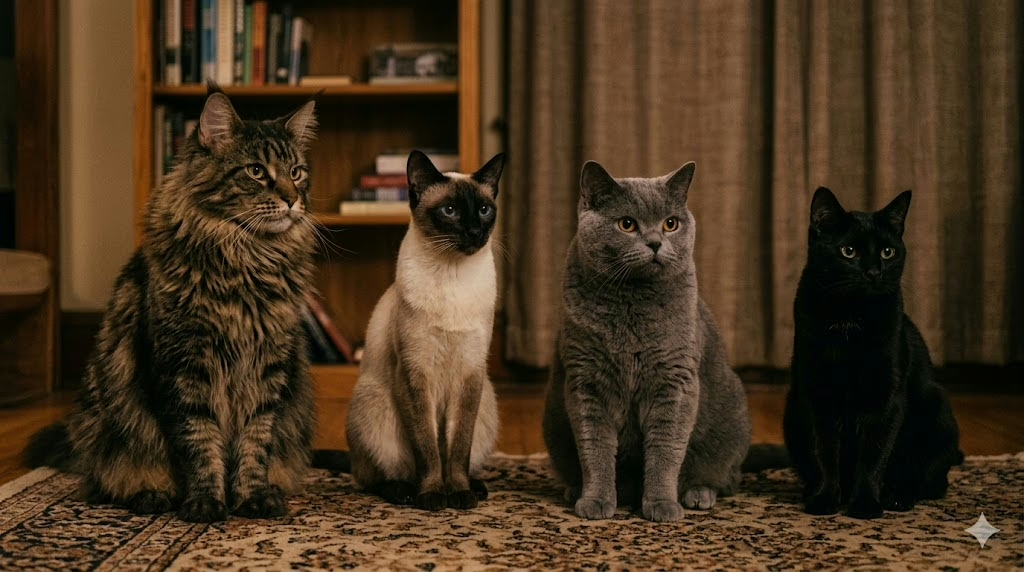
Looking for a cat? You’ll quickly discover there’s no simple answer to “what kind should I get?” Between purebred varieties that top 70 distinct breeds (depending on who’s counting) and the wonderful mutts at your local shelter, the options can feel overwhelming. Here’s the thing: every cat category comes with its own quirks, care demands, and personality tendencies that’ll shape your next 15-20 years together.
Understanding Cat Classification Systems
Here’s where it gets messy—no two major cat organizations use identical classification methods. CFA (Cat Fanciers’ Association) keeps their list at 45 recognized breeds. Meanwhile, TICA (The International Cat Association) pushes past 70 by including experimental breeds still under development. Other worldwide registries? They’ve got their own opinions entirely.
So how do these groups actually sort cats? Several ways, actually:
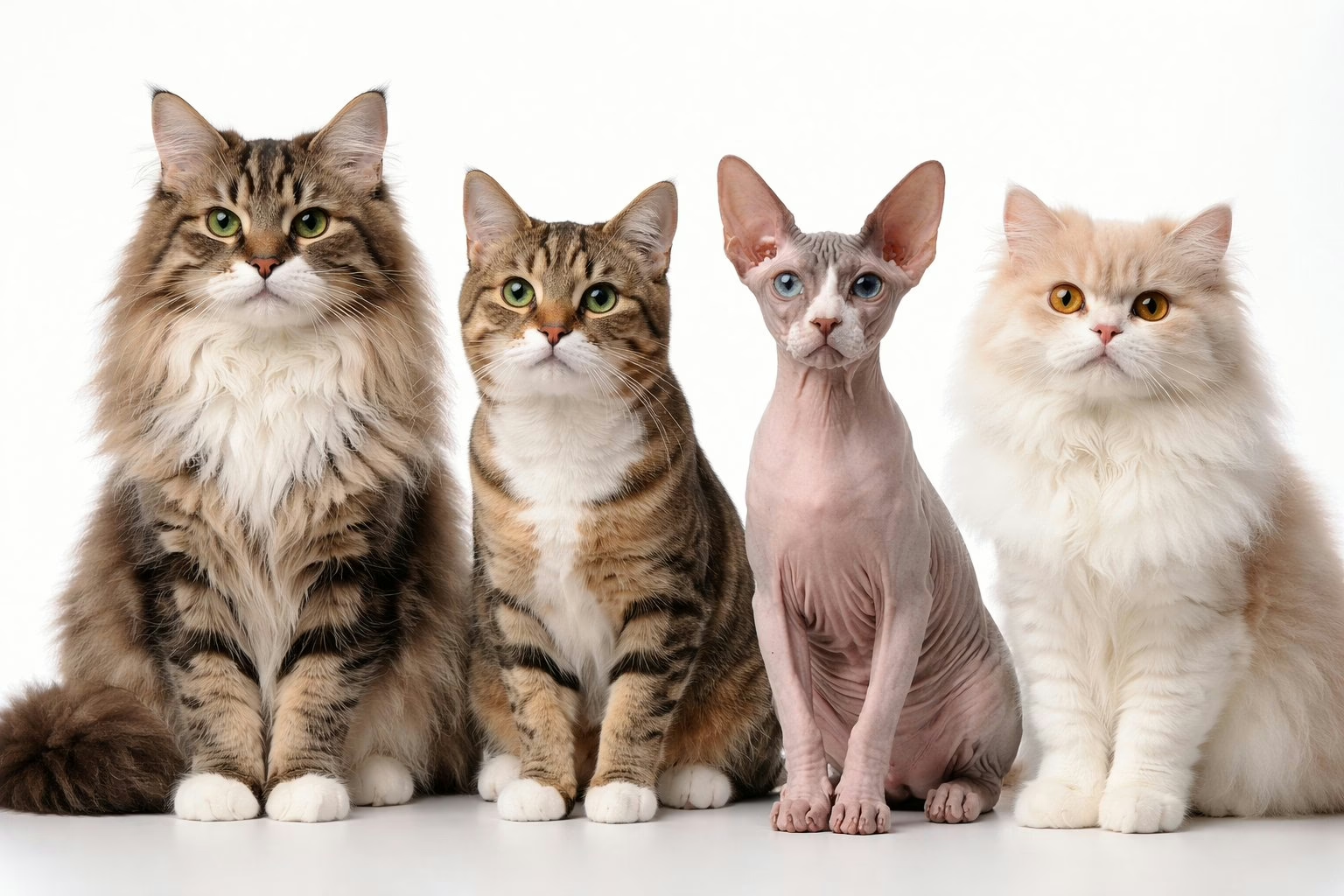
By coat characteristics: The most obvious split separates longhaired from shorthaired from hairless breeds. Sounds simple until you realize a Persian’s high-maintenance fluff has nothing in common with a Maine Coon’s wash-and-wear coat, even though both fall under “longhair.”
By body structure: This gets technical. Cats fall into roughly five build categories. Cobby breeds pack muscle into compact frames (think British Shorthair’s chunky build). Muscular types like American Shorthairs show athletic proportions. Semi-foreign breeds—American Curls, for instance—hit a balanced middle ground. Foreign-type cats (Abyssinians) stretch longer and leaner. Oriental breeds like Siamese take that elongation to extremes, creating angular, almost whippet-like silhouettes.
By where they originated: Some breeds wear their geography in their names. Turkish Angoras? Turkey. Norwegian Forest Cats? Scandinavia. Korats? Thailand. These ancestral climates shaped practical traits—Norwegian Forest Cats developed weatherproof double coats for harsh winters, while Abyssinians from warmer regions sport thin, cooling coats.
Registries also track unusual features: folded ears (Scottish Fold), curled ears (American Curl), bobbed tails (Manx, Japanese Bobtail), even extra toes (polydactyl Hemingway cats). Understanding this terminology helps decode breed descriptions when you’re researching.
Major Domestic Cat Breeds by Physical Characteristics
Physical traits aren’t just about looks—they predict how much time you’ll spend grooming, whether your cat tolerates heat or cold, and which health issues to watch for.
Longhair Cat Breeds
Longhaired cats carry a recessive gene producing extended fur. Daily maintenance isn’t optional for most.
Persians sport the most extreme coat—dense, double-layered fur that tangles into mats within days without brushing. Their flattened faces (the technical term is brachycephalic) compound care demands since their tear ducts overflow easily, staining that pale fur.
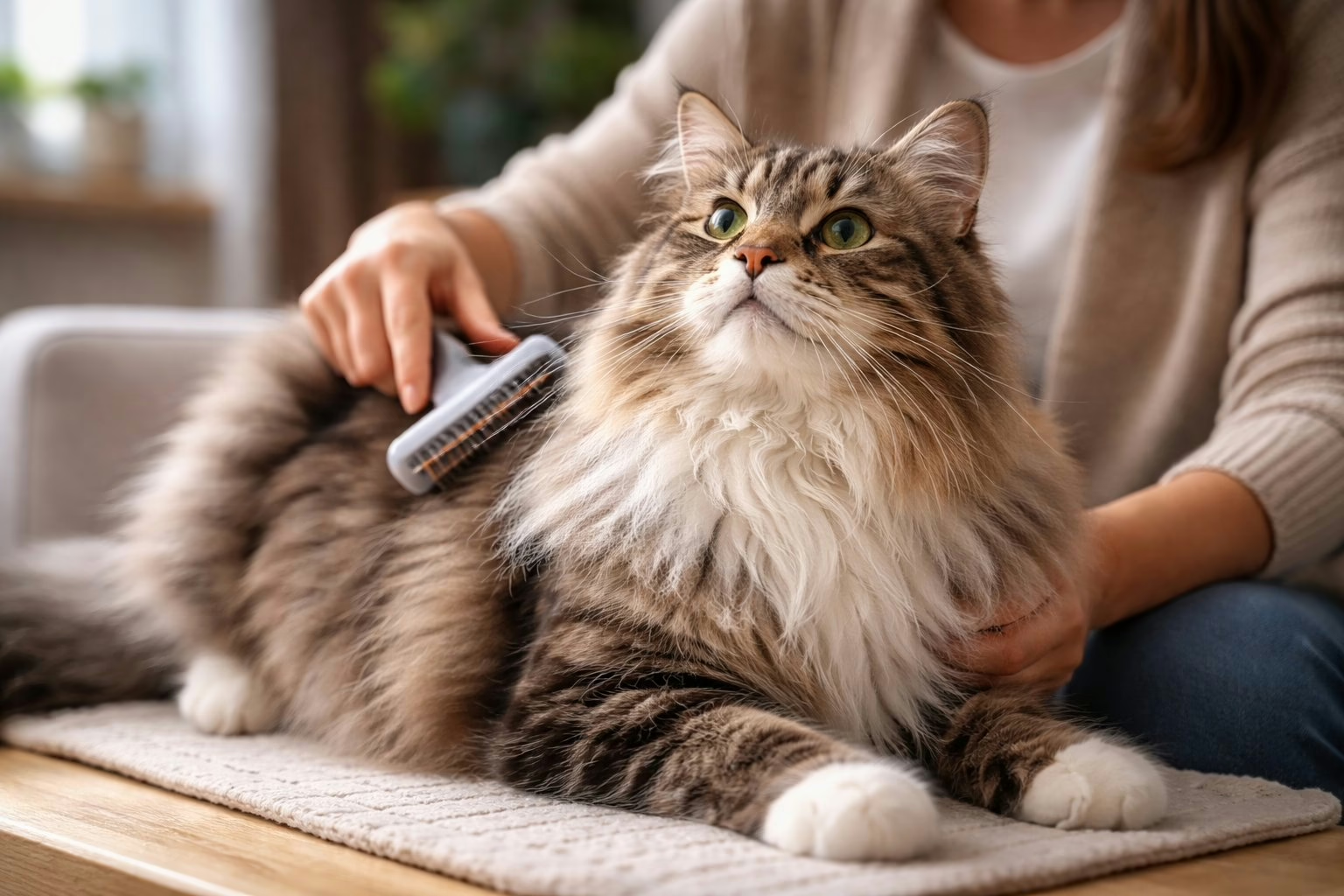
Maine Coons grow substantial coats, but with a crucial difference: their fur resists tangling better than Persian fluff. Three weekly brushing sessions usually suffice. Males sometimes hit 18-20 pounds—you’re basically grooming a small dog. These cats take 4-5 years to finish growing, staying kitten-goofy much longer than average.
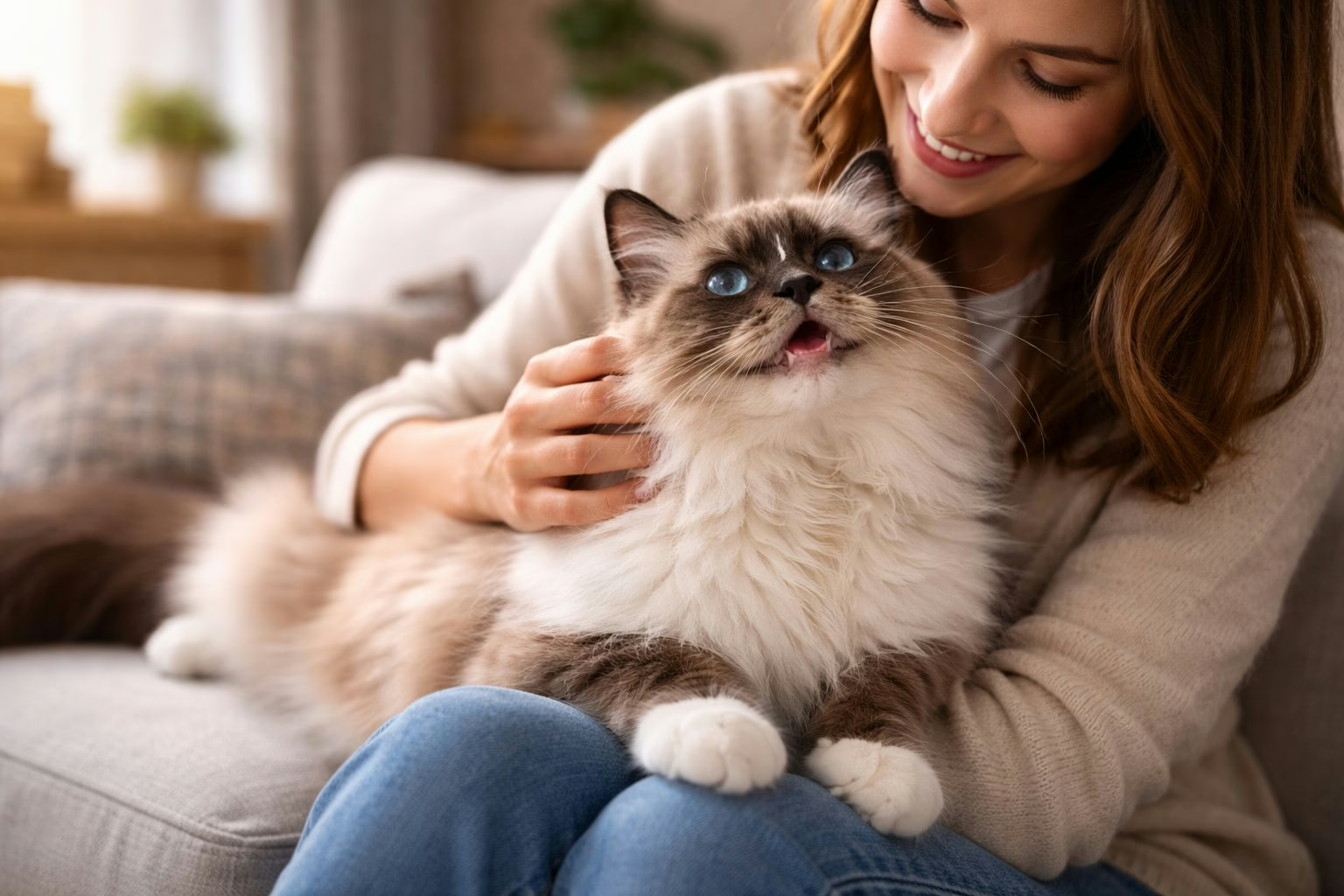
Ragdolls have semi-long, silky fur with minimal undercoat. Less undercoat means fewer mats. They earned their name from going completely limp when you pick them up—a weird trait that actually makes grooming sessions dramatically easier. Females typically weigh 10-15 pounds, males 15-20 pounds, and those blue eyes catch attention everywhere.
Norwegian Forest Cats evolved for Scandinavian winters with waterproof topcoats over woolly undercoats. Gorgeous year-round, but twice annually they shed catastrophically. Hope you like vacuuming.
Shorthair Cat Breeds
Shorthaired breeds dominate the domestic population since most need just weekly brushing.
American Shorthairs have dense, even coats lying flat against solid, muscular bodies. Weekly brushing works fine except spring shedding season, when daily might be necessary.
Siamese cats wear extremely short, fine coats with zero undercoat. Their color-point pattern—darker faces, ears, paws, and tails—comes from temperature-sensitive pigmentation genes. They feel noticeably warm when you pet them.
British Shorthairs look like teddy bears with their plush double coats standing away from cobby bodies. Their round faces create permanently surprised expressions.
Abyssinians show off “ticked” coats where each individual hair carries multiple color bands, creating shimmering, iridescent effects in sunlight. Their short, fine fur needs minimal care but sheds constantly.
Hairless and Rex Varieties
Spontaneous genetic mutations created these unusual breeds.
Sphynx cats aren’t actually bald—they’re covered in fine peach fuzz. Without fur absorbing skin oils, they need weekly baths or they get greasy and grimy. They radiate heat and constantly seek warm spots (your lap, sunny windows, under blankets).
Devon Rex and Cornish Rex breeds both have curly, sparse coats from different genetic mutations. Devon Rex cats sport pixie-like faces with comically oversized ears. Cornish Rex cats show elegant, whippet-inspired builds. Both need protection from temperature extremes and direct sun.
Popular Cat Breeds in the United States
Registration numbers and shelter adoption data reveal which breeds Americans consistently favor:
Ragdoll cats dominate recent popularity rankings for good reason—they’re absurdly people-focused. They follow you everywhere (bathroom included), tolerate being carried around like stuffed animals, and generally act more like dogs than typical cats. Lifespan runs 10-15 years with proper veterinary care.
Maine Coon cats earn their “gentle giant” nickname by combining impressive size with patient, family-friendly temperaments. Kids can be rough? Maine Coons usually tolerate it. They make chirping sounds instead of standard meows, have lynx-like ear tufts, and sport magnificent bushy tails.
British Shorthairs appeal to people wanting calm, undemanding cats. They handle alone time without developing separation anxiety—perfect for working professionals. Their round faces and copper eyes create adorable expressions.
Persian cats remain perpetually popular despite needing serious coat maintenance. Modern breeding created two distinct types: “doll-face” Persians with moderate features, and “peke-face” Persians with extremely flattened profiles that cause breathing difficulties. Their quiet, couch-potato personalities suit apartment living perfectly.
Siamese cats attract owners wanting maximum interaction. These cats “talk” constantly in loud, varied vocalizations—literally holding conversations with you. They form intense, sometimes obsessive bonds with specific people and demand constant attention. Smart enough to train, which also means smart enough to cause trouble when bored.
Abyssinian cats fit active households. They climb everything, need vertical territory, and demand interactive play sessions. Unlike lap cats, Abyssinians prefer hanging out nearby rather than on you.
Exotic Shorthairs deliver Persian temperament without Persian grooming—basically short-coated Persians. They kept the flat face, unfortunately, so respiratory and dental issues remain concerns.
Scottish Fold cats became Instagram famous for their folded ears (caused by a cartilage mutation). Not every kitten develops the fold—straight-eared littermates are called Scottish Straights. The fold gene sometimes causes joint problems, so ethical breeders screen carefully.
Bengal cats bring leopard-like spotted or marbled coats into domestic settings through Asian Leopard Cat ancestry. Their wild appearance and athletic builds turn heads, but they need extensive daily play and enrichment. Early-generation Bengals (F1-F3 crosses) can show challenging, semi-wild behaviors.
Russian Blue cats have gorgeous silvery-blue double coats and brilliant emerald eyes. They’re reserved around strangers but deeply affectionate with family members. Their quiet voices and moderate activity levels adapt to various living situations.
| Breed | Coat Type | Weight Range | Personality Traits | Grooming Time | Family-Friendly Rating |
|---|---|---|---|---|---|
| Ragdoll | Longhaired | 10-20 pounds | Extremely docile, follows owners everywhere | 3× weekly brushing | Excellent choice |
| Maine Coon | Longhaired | 10-18 pounds | Patient, playful, tolerant | 3× weekly brushing | Excellent choice |
| British Shorthair | Shorthaired | 9-17 pounds | Independent, calm, handles solitude well | Weekly brushing | Good choice |
| Persian | Longhaired | 7-12 pounds | Sedentary, quiet, prefers calm environments | Daily brushing required | Works for calm households |
| Siamese | Shorthaired | 6-12 pounds | Extremely vocal, demands constant attention | Weekly brushing | Good for attentive owners |
| Abyssinian | Shorthaired | 6-10 pounds | High-energy, curious, climbs everything | Weekly brushing | Works for active families |
| Sphynx | Hairless (peach fuzz) | 6-12 pounds | Social, energetic, heat-seeking | Weekly bathing | Good choice |
| Bengal | Shorthaired | 8-15 pounds | Highly intelligent, needs stimulation | Weekly brushing | Moderate (requires commitment) |
Cat Breed Differences in Temperament and Behavior
Physical appearance gets the initial attention, but day-to-day personality determines whether you’ll be happy together.
Energy levels vary wildly. Bengals, Abyssinians, and Ocicats need multiple daily play sessions—we’re talking cat wheels, extensive climbing structures, and serious interactive time. Persians, Ragdolls, and British Shorthairs prefer lounging with occasional gentle play. Mismatch your energy levels and you’ll end up with shredded furniture (under-stimulated active breeds) or stressed, hiding cats (over-handled sedentary breeds).
How much cats vocalize ranges from nearly silent to never-shutting-up. Siamese, Oriental Shorthairs, and Tonkinese cats hold loud, elaborate “conversations”—they’ll tell you about their day, demand dinner, and comment on your phone call. Russian Blues, British Shorthairs, and Persians rarely vocalize beyond quiet requests. Can’t stand constant meowing? Avoid talkative breeds entirely.
Social requirements determine how clingy cats become. Ragdolls, Birmans, and Tonkinese genuinely suffer when left alone for extended periods—they’re wired for constant companionship. Norwegian Forest Cats, Maine Coons, and American Shorthairs enjoy company but handle solitude reasonably well. Truly independent breeds like Russian Blues or British Shorthairs may actually prefer less handling.
Intelligence and problem-solving ability affect your enrichment workload. Abyssinians, Bengals, and Siamese learn tricks quickly, solve puzzle feeders in minutes, and sometimes figure out door handles or cabinet latches. Without proper outlets, this intelligence creates problems. Less clever breeds like Persians or Exotic Shorthairs are frankly easier to live with, though less interactive.
Compatibility with kids and other pets depends on tolerance thresholds. Maine Coons, Ragdolls, and Birmans typically endure children’s clumsy attention gracefully. Siamese and Abyssinians might play too roughly for toddlers. Persians and Exotic Shorthairs prefer peaceful environments without chaos. Multi-pet households work better with naturally social breeds—some cats genuinely enjoy other animals while others stay solitary their entire lives.
The biggest mistake people make is choosing a cat based purely on appearance without considering whether the breed’s energy level and social needs match their lifestyle. A beautiful Bengal becomes a destructive nightmare in a sedentary household, while an active family will find a Persian frustratingly inactive. Breed research prevents heartbreak for both owner and cat.
Dr. Jennifer Martinez
How to Choose the Right Cat Type for Your Home
Matching cat characteristics to your actual situation (not your ideal fantasy) prevents common adoption disasters.
Apartment living demands: Pick moderate-to-low energy breeds comfortable in limited space. British Shorthairs, Ragdolls, and Russian Blues adapt beautifully to apartments. High-energy breeds like Bengals or Abyssinians? Terrible choices unless you install substantial vertical territory and commit to intensive daily play. Also consider vocalization—thin walls make Siamese cats neighborhood problems.
Families with young children need: Patient, tolerant breeds. Maine Coons and Ragdolls typically handle grabby toddlers better than nervous or territorial breeds. Avoid delicate breeds like Singapuras or temperamental breeds like certain Siamese bloodlines. Always teach children proper handling regardless of breed reputation.
Allergy sufferers should know: Zero cats are truly hypoallergenic, but some produce less Fel d 1 protein (the primary allergen in cat saliva and skin secretions). Siberian, Balinese, and Russian Blue cats reportedly trigger fewer reactions in some people—though individual responses vary wildly. Sphynx cats lack fur to trap dander but still produce allergens. Spend extended time with your specific breed before committing.
First-time owners benefit from: Forgiving, adaptable breeds. American Shorthairs, Maine Coons, and Ragdolls tolerate beginner mistakes better than high-maintenance or temperamental breeds. Avoid Persians (grooming demands), Bengals (behavioral challenges), or Siamese (intensity) until you’ve gained experience. Mixed-breed shelter cats—especially adults with established personalities—often make excellent starter cats.
Multi-pet households work better with: Social breeds like Maine Coons, Ragdolls, and Abyssinians that typically accept other animals. Territorial breeds like Russian Blues or independent British Shorthairs often prefer being solo cats. Proper introductions matter more than breed, but starting with naturally sociable tendencies helps tremendously.
Working professionals need: Independent breeds comfortable with solitude. British Shorthairs, Russian Blues, and American Shorthairs handle 8-10 hour absences without developing anxiety. Avoid clingy breeds like Ragdolls or Birmans that develop separation issues. Consider adopting two cats so they entertain each other during workdays.
Budget considerations matter: Longhair breeds require professional grooming every 6-8 weeks at $50-80 per session if you can’t maintain their coats yourself. Flat-faced breeds (Persians, Exotic Shorthairs) rack up higher veterinary bills due to breathing complications, dental crowding, and tear duct issues. Healthy, low-maintenance shorthairs minimize ongoing expenses significantly.
Energy matching requires honesty: Active young adults might genuinely enjoy a Bengal’s demands, while retirees may prefer a Persian’s calm presence. Assess your actual activity level—not your aspirational one. Cats live 15-20 years. Choose for your real lifestyle, not the person you imagine becoming.
FAQs
That depends entirely on which registry you ask. CFA (Cat Fanciers’ Association) officially recognizes 45 pedigreed breeds in their show system. TICA (The International Cat Association) pushes past 70 by including experimental breeds still under development. Other international registries maintain different lists, and new breeds continue emerging from selective breeding programs. Mixed-breed cats—which vastly outnumber purebreds—don’t fit these classifications but frequently make outstanding pets.
Ragdoll cats consistently top registration numbers for pedigreed breeds, with Maine Coons and British Shorthairs close behind. However, mixed-breed domestic shorthairs and domestic longhairs actually represent the vast majority of cats in American homes. Popularity shifts regionally too—certain breeds dominate specific areas based on local breeder availability and regional preferences.
Mixed-breed cats show much wider temperament variation since they lack generations of selective breeding for specific traits. This unpredictability cuts both ways—you might discover a uniquely wonderful personality, or face surprises as your kitten matures. Purebreds offer more predictable adult temperaments, sizes, and care requirements, though individual variation always exists within breeds. Many veterinarians argue mixed-breeds benefit from hybrid vigor, potentially reducing inherited health problems concentrated in purebred lines.
American Shorthairs, Maine Coons, and Ragdolls make forgiving starter cats with straightforward care needs, stable temperaments, and generally good health. Steer clear of high-maintenance breeds (Persians, Sphynx), behaviorally challenging breeds (Bengals, certain Siamese lines), or breeds with significant inherited health issues (Scottish Folds, Munchkins) until you’ve gained experience. Adult mixed-breed shelter cats with established, observable personalities often make outstanding first cats.
A breed means a specific, recognized group with documented ancestry, consistent physical characteristics, and predictable temperaments maintained through careful selective breeding. Examples include Persian, Siamese, or Maine Coon. A type describes a broader category based on general characteristics without pedigree documentation. “Domestic shorthair” is a type, not a breed—it describes any mixed-breed cat with short fur regardless of ancestry. “Tabby” refers to a coat pattern, not a breed or type at all. This distinction matters when researching care requirements and health concerns.
For purebred cats with distinctive features—sometimes. Flat-faced longhaired cat? Almost certainly Persian or Exotic Shorthair. Folded ears? Scottish Fold. However, many breeds share similar appearances, and mixed-breed cats frequently resemble purebreds. A gray cat isn’t automatically a Russian Blue—it might just be a domestic shorthair with similar coloring. Without pedigree documentation tracing parentage, you’re making educated guesses at best. DNA tests exist for cats but remain less comprehensive than dog tests, primarily identifying breed ancestry percentages rather than confirming single breeds definitively.
Understanding different cat types empowers you to make informed choices benefiting both you and your future feline companion. Physical characteristics predict care requirements and grooming schedules. Temperament determines whether you’ll enjoy living together or constantly clash. Popular breeds offer predictability, while mixed-breed cats provide equally rewarding relationships with added genetic diversity.
The right cat for your specific situation depends on honest assessment of your lifestyle, living environment, and realistic expectations. Mismatches lead to frustration for everyone—you and the cat. Research breeds thoroughly, spend time with cats before committing, and seriously consider adopting adult cats whose personalities have already developed. Whether you ultimately choose a pedigreed show cat or a shelter mixed-breed, understanding cat classification helps you provide appropriate care and build lasting bonds with your new companion.