
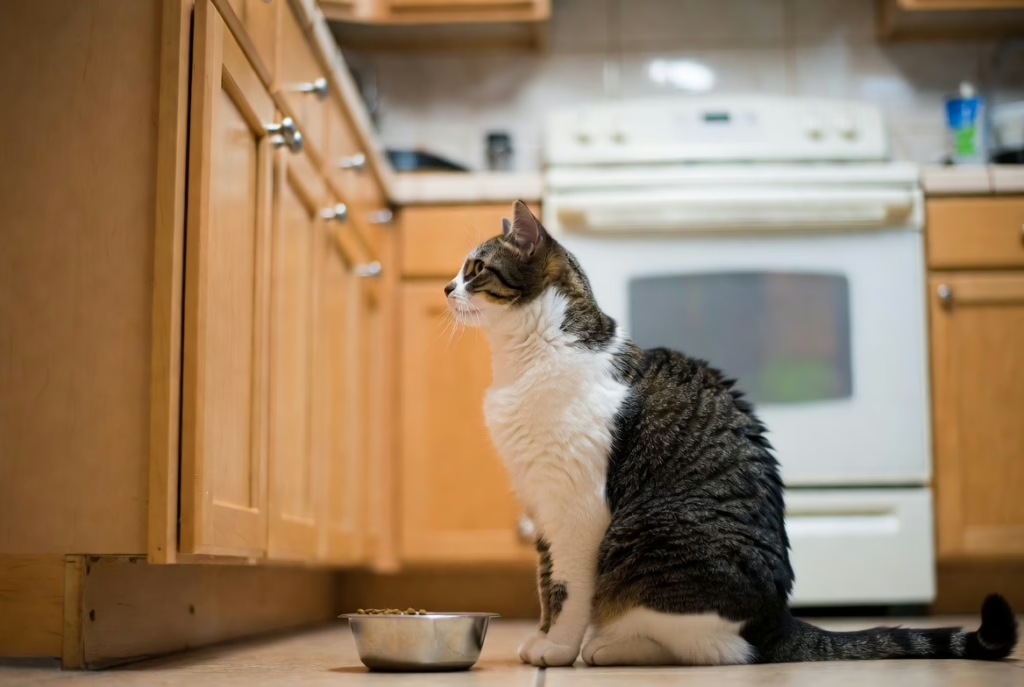
Cats prowl your kitchen counter at dinnertime, meow insistently near their empty bowls, and turn up their noses at food they devoured yesterday. Understanding what cats eat—and what they need to thrive—requires looking beyond the marketing on pet food packaging. These obligate carnivores have specific nutritional requirements shaped by thousands of years of evolution, and meeting those needs directly impacts their energy, coat quality, organ function, and lifespan.
What Cats Eat in the Wild vs. as Pets
A feral cat hunting in an alley doesn’t debate between chicken or salmon flavor. She catches a mouse, consumes nearly the entire carcass—muscle meat, organs, small bones, and even partially digested stomach contents—then moves on. This feline diet overview reveals that wild cats obtain moisture, protein, fat, vitamins, and minerals from whole prey. The typical mouse provides roughly 55% protein, 23% fat, and 3% carbohydrates on a dry-matter basis, with significant water content from tissues and blood.
Domesticated cats living in homes rarely hunt for survival, yet their digestive systems remain identical to their wild counterparts. The shift from whole prey to commercial cat food introduced convenience but also challenges. Kibble often contains 30–50% carbohydrates from grains or starches used as binding agents—far exceeding what a cat would encounter naturally. Wet food formulations more closely mirror prey composition in moisture and macronutrient ratios, though processing affects nutrient bioavailability.
The contrast highlights a fundamental truth: cats didn’t evolve to eat from bags and cans. Their short digestive tracts, lack of salivary amylase, and limited ability to taste sweetness all point to carnivorous specialization. Recognizing this gap between ancestral diet and modern feeding practices helps cat owners make informed decisions rather than defaulting to whatever sits on the supermarket shelf.
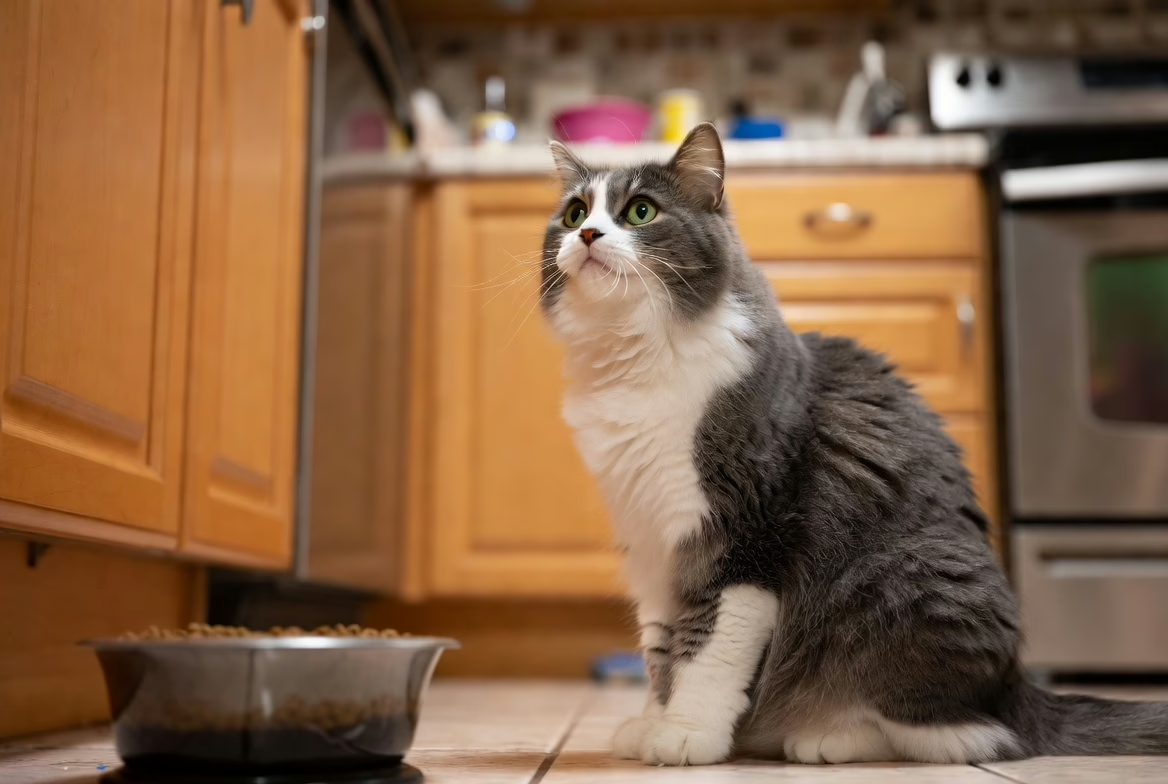
Essential Nutrients Cats Need Daily
Cat nutrition basics start with a simple fact: cats cannot survive on dog food, human meals, or plant-based diets without suffering severe deficiencies. Their bodies require specific amino acids, fatty acids, and vitamins that exist primarily or exclusively in animal tissues.
Why Protein Matters Most
Protein serves as the primary energy source for cats, unlike omnivores who efficiently burn carbohydrates. A healthy adult cat needs at least 26% protein on a dry-matter basis, though many veterinary nutritionists recommend 35–45% for optimal health. Kittens and pregnant cats require even more—around 30–35% minimum—to support rapid growth and development.
Beyond quantity, protein quality determines nutritional value. Animal-based proteins contain complete amino acid profiles that plant proteins lack. A cat eating exclusively corn gluten or soy protein would develop muscle wasting, poor coat condition, and immune dysfunction even if total protein percentages looked adequate on paper. The digestibility coefficient matters too: chicken meal at 80% digestibility delivers more usable nutrition than wheat gluten at 60%.
Nutrients Cats Cannot Produce Themselves
Taurine deficiency causes dilated cardiomyopathy and blindness in cats, yet their bodies synthesize insufficient amounts from other amino acids. They must obtain taurine from animal tissue—particularly heart, liver, and dark poultry meat. Dog food manufacturers don’t always add taurine because dogs produce their own, making dog food dangerous for cats long-term.
Arachidonic acid, an omega-6 fatty acid found in animal fat, supports skin health, reproduction, and inflammatory response. Cats lack the enzyme to convert linoleic acid into arachidonic acid, so they need direct dietary sources. Vitamin A presents a similar issue: cats cannot convert beta-carotene from plants into active vitamin A, requiring preformed retinol from liver and fish oils.
Niacin (vitamin B3) synthesis requires the enzyme that converts tryptophan, which cats possess in limited quantities. Arginine deficiency can cause ammonia toxicity within hours of eating an arginine-free meal, leading to vomiting, neurological symptoms, and potentially death. These metabolic peculiarities explain why cats are obligate carnivores—not by preference but by biological necessity.
Types of Cat Food and How They Compare
Walk down the pet food aisle and you’ll face dozens of brands offering dry kibble, wet food in cans or pouches, freeze-dried medallions, and raw frozen patties. Each cat food type presents distinct advantages and drawbacks affecting cost, convenience, and nutritional delivery.
| Food Type | Cost per Serving | Convenience | Shelf Life | Moisture Content | Dental Benefits | Palatability |
|---|---|---|---|---|---|---|
| Dry Kibble | $0.30–$1.20 | High (measure and pour) | 12–18 months unopened | 6–10% | Minimal (common misconception) | Moderate |
| Wet/Canned | $0.80–$2.50 | Moderate (refrigerate after opening) | 2–5 years unopened; 2–3 days opened | 75–85% | None | High |
| Raw (frozen) | $1.50–$4.00 | Low (thaw, handle safely) | 6–12 months frozen; 2–3 days thawed | 70–75% | Possible (chewing chunks) | Very high |
| Freeze-Dried | $2.00–$5.00 | High (rehydrate or serve dry) | 1–2 years | 3–7% (before rehydration) | Minimal | High |
Dry kibble dominates the market due to affordability and ease of storage. Owners can leave it in bowls for free-feeding without spoilage concerns. However, the low moisture content contributes to chronic dehydration in cats who evolved getting most water from prey. Many cats drinking from bowls still don’t consume enough water to offset kibble’s dryness, increasing risks of urinary crystals and kidney disease.
Wet food addresses hydration but costs significantly more and requires refrigeration once opened. A cat eating exclusively wet food receives 3–4 times more water per meal than one eating kibble, reducing urinary tract problems. The texture and aroma also appeal to picky eaters and senior cats with diminished appetite.
Raw diets attempt to replicate ancestral feeding patterns, using ground meat, organs, and bone. Proponents cite improved coat quality, smaller stools, and better dental health. Risks include bacterial contamination (Salmonella, E. coli), nutritional imbalances if not properly formulated, and the challenge of safe handling. Commercial raw brands undergo high-pressure processing to reduce pathogens while maintaining raw food benefits.
Freeze-dried options offer raw food advantages with better safety profiles and shelf stability. The freeze-drying process preserves nutrients while eliminating moisture that bacteria need to multiply. Rehydrating with warm water before serving increases moisture intake, though some cats prefer crunching the dry pieces.
Many veterinarians recommend combining food types—wet food for hydration and nutrition, with limited kibble for dental activity or convenience. This mixed approach balances practical constraints with feline nutritional needs.
What Should Cats Eat at Different Life Stages
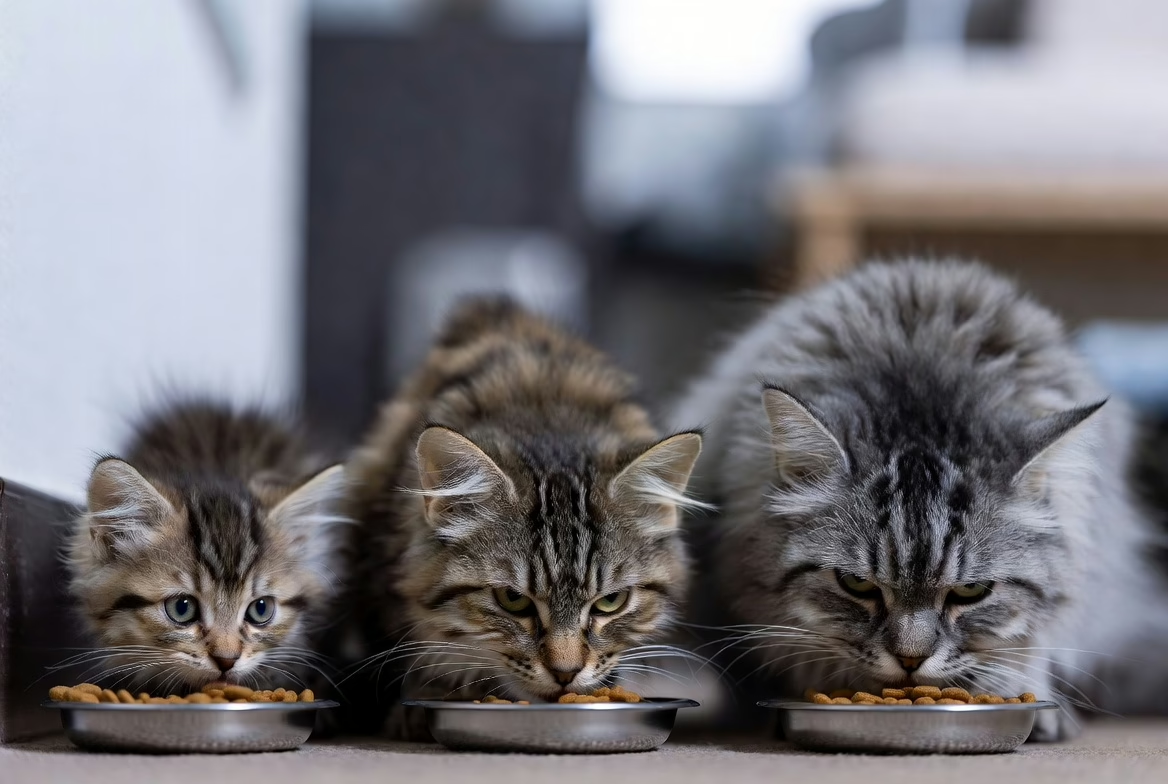
A three-week-old kitten nursing from her mother has vastly different nutritional requirements than a twelve-year-old cat managing kidney disease. This cat feeding guide breaks down age-specific needs to prevent underfeeding, overfeeding, and nutrient deficiencies.
Kittens (birth to 12 months) experience explosive growth, requiring calorie-dense food with elevated protein (30–35% minimum) and fat (15–20%) levels. They need roughly twice the calories per pound of body weight compared to adults. Feeding kitten-specific formulas ensures adequate calcium and phosphorus for bone development without creating dangerous imbalances. Free-feeding works during early growth phases since most kittens self-regulate, though transitioning to scheduled meals around six months prevents obesity.
Adult cats (1–7 years) maintain stable weight and activity on moderate-calorie diets. A typical 10-pound indoor cat needs 180–200 calories daily, though individual metabolism varies. Portion control becomes critical since indoor cats burn fewer calories than outdoor hunters. Measuring food rather than eyeballing prevents gradual weight creep—a common problem when owners add “just a little extra” each day.
Senior cats (7+ years) face declining kidney function, reduced muscle mass, and lower activity levels. Protein requirements actually increase rather than decrease, contrary to outdated advice about restricting protein for aging kidneys. High-quality, easily digestible protein helps preserve lean muscle. Phosphorus restriction matters for cats with diagnosed kidney disease, but healthy seniors benefit from protein-rich diets. Smaller, more frequent meals accommodate reduced appetite and slower digestion.
Pregnant and nursing cats need kitten-formula food throughout gestation and lactation, with calories increasing 25–50% above maintenance levels. A queen nursing four kittens may eat three times her normal intake without gaining excess weight.
The single most important factor in feline nutrition is recognizing that cats are not small dogs or furry humans. Their unique metabolism demands animal-based protein and specific nutrients that only carnivorous diets provide. Feeding cats according to their evolutionary design rather than our convenience prevents the majority of diet-related diseases we see in practice.
Dr. Lisa Pierson
Foods Cats Should Never Eat
Your cat begs for a bite of your tuna sandwich, stares longingly at your morning yogurt, and investigates every grocery bag. While some human foods pose no risk, others cause toxicity ranging from mild gastrointestinal upset to organ failure and death.
Onions and garlic contain compounds that damage red blood cells, causing hemolytic anemia. Even small amounts—a quarter teaspoon of garlic powder—can harm cats over time through cumulative exposure. Baby food marketed for infants sometimes contains onion powder as flavoring, making it dangerous despite seeming bland and safe.
Chocolate contains theobromine, which cats metabolize slowly. Dark chocolate and baking chocolate pose the highest risk, with just half an ounce potentially causing heart arrhythmias and seizures in an average cat. White chocolate contains minimal theobromine but offers no nutritional value and high sugar content.
Grapes and raisins cause acute kidney failure in some cats, though the toxic mechanism remains unknown. No safe threshold exists—individual sensitivity varies dramatically. A cat might eat several grapes without apparent harm, then develop kidney damage from a single raisin weeks later.
Xylitol, an artificial sweetener in sugar-free gum, candy, and some peanut butters, triggers insulin release leading to hypoglycemia. Dogs show greater sensitivity, but cats risk liver damage and blood sugar crashes. Always check ingredient lists before sharing human food.
Raw dough containing yeast expands in warm, moist stomachs, causing painful bloating and potentially life-threatening gastric dilatation. The fermentation process also produces ethanol, leading to alcohol poisoning. Even small amounts of bread dough require emergency veterinary care.
Cooked bones—especially poultry bones—splinter into sharp fragments that perforate intestines or lodge in throats. Raw bones pose fewer splintering risks but still present choking hazards. The “cats eat bones in the wild” argument ignores that wild cats consume small, whole bones from mice and birds, not leftover chicken drumsticks.
Alcohol, caffeine, raw eggs (biotin deficiency risk), raw fish (thiamine deficiency), and products containing macadamia nuts round out the prohibited list. When unsure, assume human food is inappropriate and stick to species-appropriate cat food.
How to Choose the Right Diet for Your Cat

Pet food labels read like ingredient puzzles designed to confuse rather than inform. Understanding cat diet basics means learning to decode marketing language, identify quality markers, and recognize red flags that signal inferior nutrition.
The ingredient list appears in descending order by weight before cooking. “Chicken” listed first sounds impressive until you realize it includes water weight. After processing removes moisture, that chicken might constitute less protein than the subsequent chicken meal—a concentrated protein source with water already removed. Look for named animal proteins (chicken meal, turkey meal, salmon meal) in the top three ingredients rather than vague terms like “poultry by-product meal” or “meat meal.”
Guaranteed analysis percentages printed on labels don’t tell the complete story. A wet food showing 10% protein looks inferior to dry kibble at 30% protein until you calculate dry-matter basis. Removing moisture from the equation reveals that 10% protein wet food (at 80% moisture) actually contains 50% protein on a dry-matter basis—significantly higher than the 30% kibble (at 10% moisture) which equals 33% dry-matter protein.
AAFCO (Association of American Feed Control Officials) statements indicate whether food meets minimum nutritional standards through formulation or feeding trials. “Formulated to meet AAFCO standards” means the recipe theoretically contains required nutrients. “Animal feeding tests using AAFCO procedures substantiate that [food] provides complete and balanced nutrition” demonstrates actual testing on cats. Feeding trials offer stronger evidence but cost more, so many quality brands use formulation statements.
Avoid foods listing corn, wheat, or soy as primary ingredients. While not toxic, these plant-based proteins and carbohydrates provide poor nutritional value for obligate carnivores. Cats derive minimal benefit from grain-heavy formulas designed to reduce manufacturing costs rather than optimize feline health.
Consulting a veterinarian becomes essential for cats with medical conditions—diabetes, kidney disease, food allergies, inflammatory bowel disease, or urinary tract problems. Prescription diets address specific health issues through controlled nutrient profiles. A diabetic cat benefits from high-protein, low-carbohydrate food that minimizes blood sugar spikes. Cats with struvite crystals need food that acidifies urine, while those with calcium oxalate stones require different pH management.
Budget constraints force difficult decisions, but compromising on cat food often costs more long-term through veterinary bills. A mid-tier brand with quality animal proteins beats premium kibble loaded with corn fillers. Mixing affordable wet food with better-quality kibble stretches budgets while improving nutrition compared to cheap kibble alone.
FAQs
No. Cats cannot survive on plant-based diets without developing fatal deficiencies in taurine, arachidonic acid, vitamin A, and other essential nutrients found exclusively in animal tissue. Synthetic supplements added to vegan cat food provide inadequate bioavailability and fail to meet obligate carnivore requirements. Feeding cats vegan diets constitutes animal neglect regardless of personal ethical beliefs about meat consumption.
An average 10-pound adult indoor cat needs 180–250 calories daily depending on activity level and metabolism. Check food packaging for calorie content per cup or can, then calculate portions accordingly. Most cats do well with two measured meals rather than free-feeding, which contributes to obesity. Kittens need more frequent feeding—three to four times daily—while seniors may prefer smaller, more frequent portions. Adjust amounts based on body condition: you should feel ribs easily without seeing them prominently.
Occasional small amounts of plain cooked chicken, turkey, or fish pose no harm and can serve as treats or appetite stimulants. Avoid seasoning, sauces, and cooking oils. Human food shouldn’t exceed 10% of daily caloric intake to prevent nutritional imbalances. Never feed toxic items like onions, garlic, grapes, chocolate, or xylitol-containing products. Most cats thrive on species-appropriate cat food without needing human food supplements.
Wet food provides superior hydration and typically contains higher-quality protein with fewer carbohydrates. Cats eating exclusively wet food show lower rates of urinary tract disease, obesity, and diabetes. Dry food offers convenience and lower cost but contributes to chronic dehydration. Many veterinarians recommend primarily wet food with limited kibble, or rotating between both types. Individual cats have preferences—some refuse wet food entirely while others turn up their noses at kibble.
Adult cats thrive on two meals spaced 8–12 hours apart, mimicking natural hunting patterns. Some cats do well with three smaller meals, particularly seniors or those with medical conditions. Free-feeding dry kibble works for self-regulating cats but promotes obesity in food-motivated individuals. Kittens under six months need three to four meals daily to fuel rapid growth. Consistency matters more than exact timing—cats develop circadian food anticipation and become stressed by erratic feeding schedules.
Indoor cats burn 20–30% fewer calories than outdoor cats, requiring portion control to prevent obesity. Outdoor cats hunting actively may need 10–20% more calories than feeding guidelines suggest. Both need identical nutritional profiles—the difference lies in quantity rather than food type. Outdoor cats face higher parasite exposure, making regular deworming important regardless of diet quality. Indoor cats benefit from food that promotes healthy weight and urinary tract function since they exercise less and may drink inadequate water.
Choosing what cats eat shapes their quality of life more than most owners realize. The cat sleeping on your couch descended from desert hunters who obtained every nutrient from fresh prey. While few owners can or want to replicate that feeding model exactly, understanding these ancestral needs informs better decisions about commercial foods, portion sizes, and feeding practices.
Quality protein from named animal sources, adequate moisture, minimal carbohydrates, and life-stage-appropriate formulations form the foundation of feline nutrition. Whether you choose wet food, kibble, raw, or a combination depends on your cat’s preferences, your budget, and practical constraints—but the goal remains consistent: meeting the biological requirements of an obligate carnivore.
Cats cannot advocate for themselves when fed inappropriate diets. They adapt, survive on suboptimal nutrition for years, then develop preventable diseases that shorten their lives. Reading labels carefully, measuring portions accurately, avoiding toxic foods, and consulting veterinarians for medical concerns demonstrates the commitment these remarkable animals deserve. Your cat’s bright eyes, glossy coat, healthy weight, and energetic personality reflect the care you invest in answering one fundamental question: what do cats eat for optimal health?