
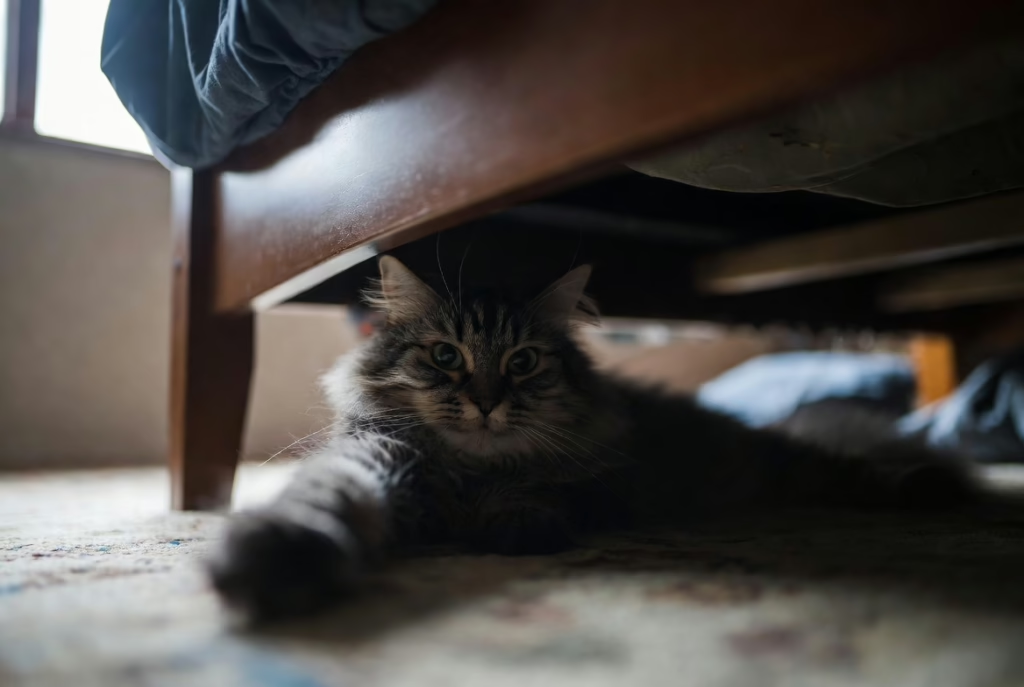
Cats disappear into closets, squeeze behind furniture, and vanish under beds with a stealth that can leave owners puzzled or worried. This behavior isn’t random—it’s deeply rooted in feline biology and psychology. Understanding why cats hide helps you distinguish between normal instincts and signs that your pet needs help.
Common Reasons Cats Choose to Hide
Hiding reasons cats exhibit span from pure instinct to environmental responses. In the wild, cats are both predators and prey, making concealment a survival skill passed down through generations. Domestic cats retain this drive even in safe homes.
Instinctual triggers include the need for undisturbed rest. Cats sleep 12-16 hours daily, and many prefer secluded spots where they won’t be startled awake. A cat tucked behind the couch isn’t necessarily scared—she might simply want uninterrupted sleep.
Environmental factors play an equally significant role. New furniture rearrangement, houseguests, construction noise from neighbors, or even a different brand of litter can prompt cat hiding behavior. Cats thrive on predictability, and sudden changes disrupt their sense of control.
Territorial comfort also matters. Multi-cat households see more hiding because cats establish vertical and horizontal territories. A cat might claim the space under the guest bed as her zone, retreating there when another cat encroaches on shared areas.
Temperature regulation is an overlooked reason. Cats seek cool tile floors under bathroom vanities in summer or warm laundry piles in winter. If your cat suddenly favors the basement in July, she’s likely just managing her body temperature.
Kittens and newly adopted cats hide while acclimating. This adjustment period typically lasts three days to two weeks, depending on the cat’s background and temperament.
How Fear and Anxiety Cause Hiding Behavior
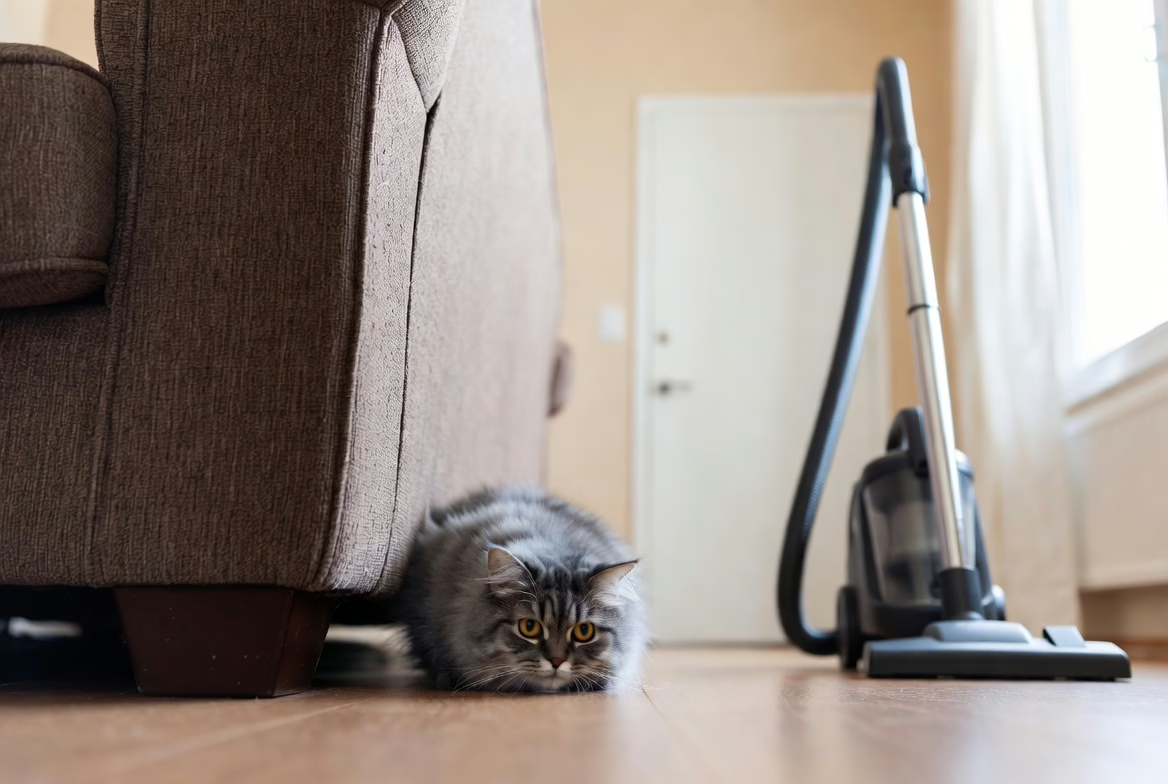
Cat fear behavior manifests most visibly through hiding. The feline stress response—fight, flight, or freeze—often defaults to flight in domestic settings. Since cats can’t flee outdoors, they flee inward to the nearest secure spot.
Loud noises rank among the top stressors. Thunderstorms, fireworks, vacuum cleaners, and blenders send cats scrambling. Their hearing range extends to 64,000 Hz (humans max out around 20,000 Hz), meaning sounds we find merely annoying can feel overwhelming to them.
New people or pets trigger cat anxiety signs because they represent unknown variables. A visiting toddler who chases the cat, a new dog sniffing aggressively, or even a well-meaning friend who approaches too quickly can send a cat into hiding for hours.
Routine disruptions create low-grade chronic stress. Owners who switch from day shifts to night shifts, families preparing for moves, or households with new babies all introduce unpredictability. Cats may hide more frequently during these transitions, not from a single scary event but from accumulated uncertainty.
Past trauma leaves lasting impressions. Shelter cats who experienced rough handling or street cats who faced threats often hide reflexively, even years after adoption. These cats need patience—their cat stress behavior stems from learned associations, not current danger.
Medical procedures also cause temporary hiding increases. Cats returning from vet visits often hide for 6-24 hours, processing the stress of car rides, unfamiliar smells, and physical examinations.
Hiding is a cat’s primary coping mechanism when they feel their control over their environment is threatened. It’s not stubbornness or aloofness—it’s a sophisticated stress-management strategy honed over millennia. Respecting this need for retreat actually strengthens the human-cat bond.
Dr. Sarah Ellis
Why Cats Hide Under Beds and in Small Spaces
Why cats hide under bed spaces specifically comes down to architecture and instinct. Beds offer multiple advantages: elevation (predators can’t approach from above), limited entry points (only the sides are accessible), darkness (reduced visual stimulation), and the comforting scent of their owners.
Enclosed spaces trigger a calming response. Boxes, closets, and the gaps behind appliances create what behaviorists call “micro-territories”—small, defensible areas where cats feel in complete control. The physical pressure of walls or fabric against their bodies also provides tactile comfort similar to swaddling in human infants.
Elevated hiding spots like closet shelves or tops of wardrobes combine height advantage with enclosure. Cats feel safest when they can observe their surroundings from above while remaining concealed. This explains why some cats prefer the space between bedroom furniture and the wall rather than completely open floor areas.
Temperature and texture influence location choice. Cats gravitate toward hiding spots with appealing surfaces—soft blankets, cool tile, or sun-warmed carpet. A cat who normally hides in the bedroom closet but switches to the bathroom cabinet might be seeking cooler temperatures.
Scent concentration matters more than most owners realize. Cats have 200 million scent receptors (humans have 5 million), and they’re drawn to areas saturated with familiar smells. Under beds accumulate owner scent from dropped clothing, skin cells, and general proximity to where humans sleep.
Predictable escape routes make certain spots more attractive. Cats prefer hiding places with clear exit paths. A cat might avoid hiding in a corner blocked by storage boxes but readily use the space under a bed with open sides.
Recognizing Signs Your Cat Is Stressed or Anxious
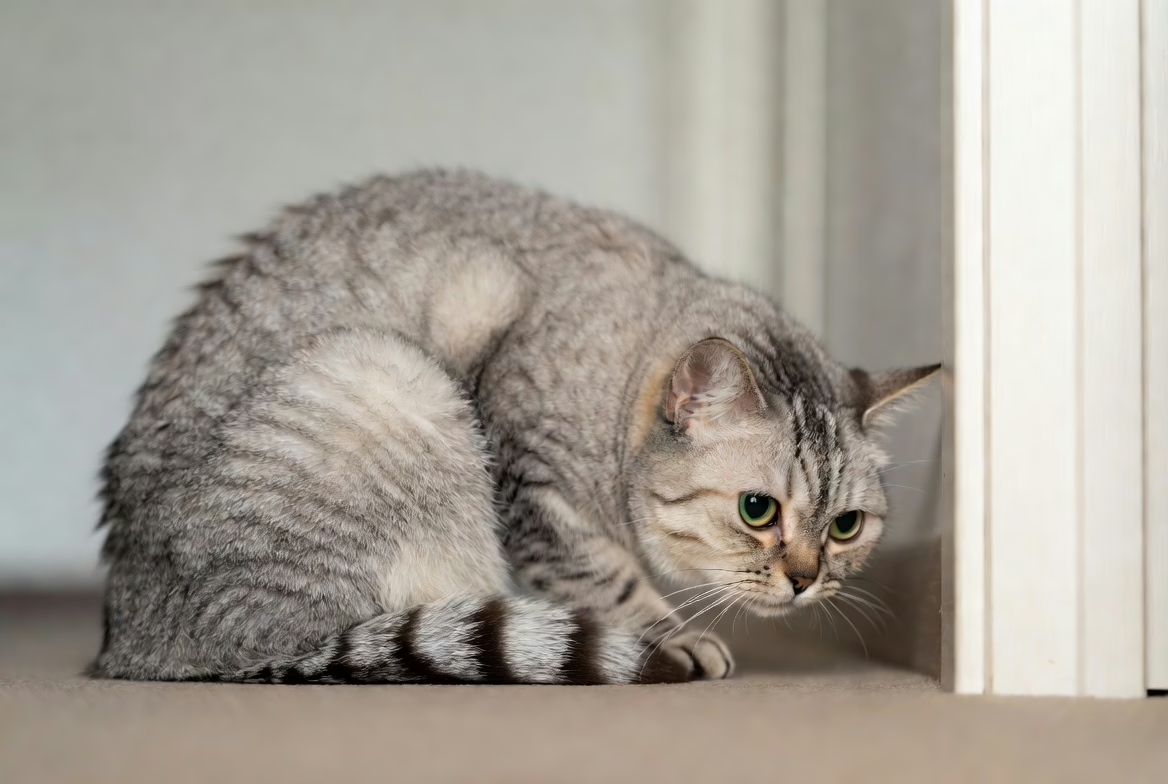
Cat anxiety signs extend well beyond hiding. Observant owners can spot stress through multiple behavioral channels before hiding becomes excessive.
Appetite changes appear early in stress responses. Some cats stop eating when anxious; others stress-eat. A cat who hides and refuses meals for more than 24 hours needs attention. Conversely, a cat who hides briefly then emerges ravenous might be managing mild stress through food-seeking behavior.
Grooming patterns shift noticeably. Over-grooming creates bald patches, typically on the belly, inner thighs, or forelegs. Under-grooming results in matted fur, especially in long-haired breeds. Both extremes indicate cat stress behavior—the cat is either self-soothing compulsively or too distressed to maintain normal hygiene.
Litter box issues frequently accompany anxiety. Cats might urinate outside the box, defecate in unusual locations, or visit the box repeatedly without producing waste. These behaviors often coincide with increased hiding.
Vocalization changes vary by individual. Some anxious cats become unusually quiet; others yowl or meow more frequently. A typically chatty cat who goes silent while hiding warrants more concern than a naturally quiet cat doing the same.
Aggression or hypervigilance manifests as dilated pupils, flattened ears, swatting at perceived threats, or startling at minor sounds. A hiding cat who hisses when approached shows fear-based aggression—she’s warning you that she feels cornered.
Body language tells stories. Look for tense posture, tucked tail, whiskers pulled back, and crouched positioning. A relaxed cat hiding for comfort sprawls or curls loosely; a stressed cat hiding from fear compresses her body into the smallest possible shape.
Sleep disruption shows up as reduced sleep quality or location changes. A cat who previously slept openly on the couch but now only sleeps in hidden spots may be developing anxiety.
When Cat Hiding Becomes a Concern
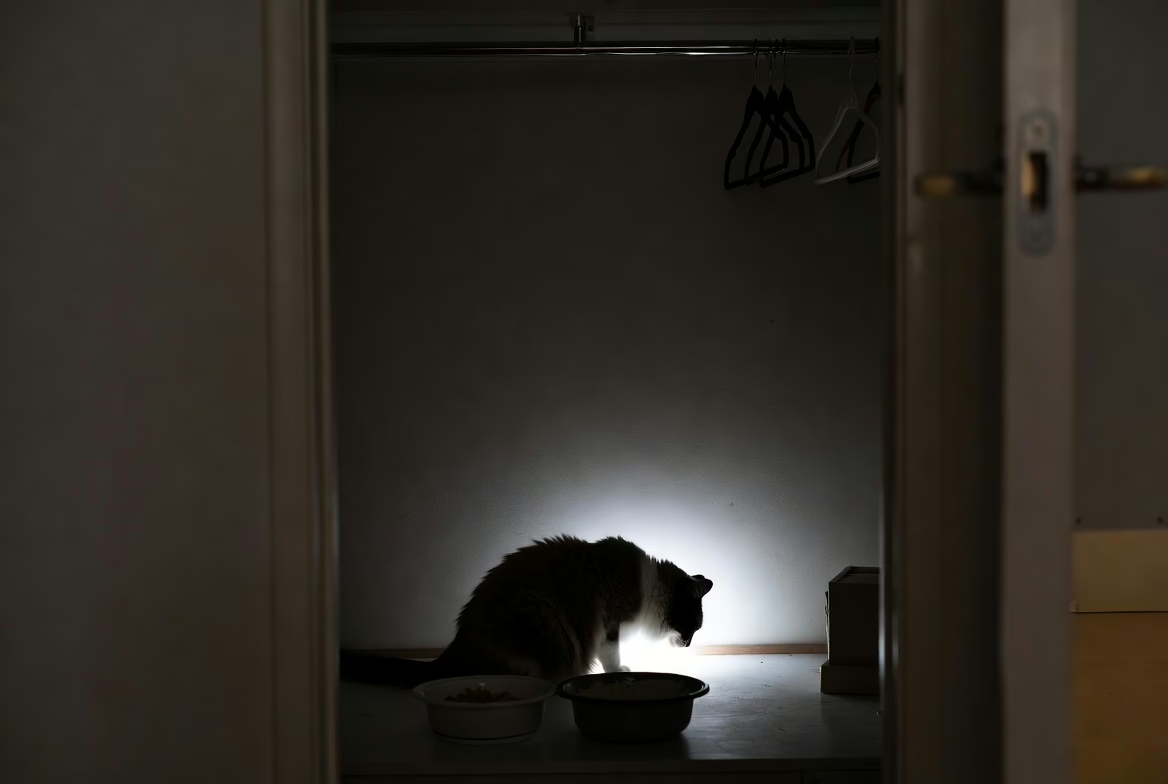
Distinguishing normal from problematic cat hiding behavior requires attention to patterns, not isolated incidents.
Duration matters most. A cat hiding for a few hours after a loud noise is normal. A cat hiding for 48+ hours straight without emerging for food, water, or litter box use needs veterinary evaluation. The rule of thumb: if hiding prevents basic life functions, it’s concerning.
Frequency patterns reveal chronic issues. Daily hiding during specific triggers (like when children return from school) differs from sudden, constant hiding without clear cause. The former suggests manageable environmental stress; the latter might indicate illness or severe anxiety.
Accompanying symptoms change the picture entirely. Hiding combined with vomiting, diarrhea, lethargy, labored breathing, or visible injury requires immediate veterinary care. Cats instinctively hide when sick or injured—it’s a vulnerability response.
Behavioral regression in previously social cats raises red flags. A cat who enjoyed lap time and suddenly refuses all interaction while hiding excessively may be experiencing pain, cognitive decline (in senior cats), or significant psychological distress.
Age considerations affect interpretation. Kittens hide frequently as they explore and establish comfort zones—this typically resolves with time. Senior cats (11+ years) who suddenly increase hiding may have arthritis, dental pain, or age-related conditions making them feel vulnerable.
| Normal Hiding Behavior | Concerning Hiding Behavior |
|---|---|
| Lasts a few hours | Persists beyond 48 hours continuously |
| Cat emerges for meals and litter box | Cat refuses food/water or eliminates in hiding spot |
| Triggered by identifiable stressor (guests, noise) | No apparent trigger or constant despite calm environment |
| Cat appears relaxed when hiding (loose body, normal grooming) | Cat shows tension (crouched, dilated pupils, poor grooming) |
| Resumes normal activity once stressor passes | Remains withdrawn even after stressor removed |
| No physical symptoms | Accompanied by vomiting, limping, breathing issues, or other illness signs |
| Responds to gentle coaxing with treats or play | Completely unresponsive or aggressive when approached |
Medical red flags include hiding combined with: difficulty urinating (medical emergency), seizures, sudden blindness, severe lethargy, refusal to bear weight on a limb, or any trauma. These situations require same-day veterinary attention.
How to Help a Hiding Cat Feel Safe Again
Addressing cat fear behavior and cat anxiety signs requires patience and strategic environmental management.
Create designated safe zones by setting up hiding options you control. Place cardboard boxes with entry holes in quiet rooms, install cat trees with enclosed cubbies, or drape blankets over chairs to create cave-like spaces. When cats have acceptable hiding spots, they’re less likely to wedge themselves into inaccessible or unsafe areas.
Reduce environmental stressors systematically. Identify patterns—does your cat hide when the neighbor’s dog barks? When your partner works from home? When the washing machine runs? Once you’ve mapped triggers, work to minimize them. Use white noise machines to buffer external sounds, establish quiet hours, or relocate the cat’s resources to calmer rooms.
Maintain routine consistency around feeding, play, and sleep schedules. Cats find predictability soothing. Feed at the same times daily, engage in play sessions before meals, and avoid rearranging furniture unnecessarily.
Use pheromone diffusers in rooms where your cat hides most. Synthetic feline facial pheromones (available as plug-in diffusers or sprays) can reduce anxiety in some cats. These work best as part of a broader strategy, not as standalone solutions.
Practice gradual desensitization for specific fears. If your cat hides during vacuuming, start by leaving the vacuum in the room unplugged for days, then run it in distant rooms while offering treats, slowly moving closer over weeks. This requires commitment but effectively reduces fear-based hiding.
Respect the hiding rather than forcing interaction. Dragging a cat from her hiding spot intensifies fear and damages trust. Instead, sit near the hiding spot and read aloud, toss treats toward (not at) the opening, or engage in quiet activities that demonstrate you’re not a threat.
Increase environmental enrichment when hiding stems from boredom or understimulation. Rotate toys weekly, install bird feeders outside windows, use puzzle feeders for meals, or adopt a second cat if your pet shows signs of loneliness (consult a behaviorist first).
Consult professionals when DIY efforts plateau. Veterinary behaviorists can prescribe anti-anxiety medications for severe cases. Certified cat behavior consultants offer personalized modification plans. Don’t wait until hiding becomes extreme—early intervention prevents escalation.
Monitor progress by keeping a simple log. Note hiding duration, frequency, and triggers. This data helps you assess whether interventions work and provides valuable information if you eventually consult a vet.
FAQs
Yes, if the hiding is brief and the cat emerges regularly for meals, social interaction, and litter box use. Many cats retreat to favorite spots for naps or quiet time as part of their daily routine. Concern arises when daily hiding increases in duration, the cat stops engaging in normal activities, or hiding replaces all social behavior. A cat who spends 2-3 hours daily in a closet but otherwise interacts normally differs significantly from one who remains hidden 20+ hours daily.
For adult cats in stable environments, 24 hours of continuous hiding warrants a check-in. Approach the hiding spot calmly, offer favorite treats or toys, and observe body language. If the cat appears alert and emerges when enticed, monitor for another 24 hours. If hiding continues beyond 48 hours, or if the cat refuses food and water, schedule a veterinary visit. For newly adopted cats, allow up to two weeks of frequent hiding while they acclimate, provided they’re eating and using the litter box.
Absolutely. Hiding when ill is an instinctive survival behavior—sick or injured cats become easy prey in the wild, so they conceal themselves. Cats are exceptional at masking pain, making hiding one of the few visible signs. Sudden hiding increases in previously social cats, especially when combined with appetite loss, lethargy, vocalizing when touched, or changes in litter box habits, strongly suggest medical issues. Senior cats with arthritis often hide more because movement hurts. Never assume hiding is purely behavioral until a vet rules out medical causes.
No. Forcing a cat from hiding escalates fear, damages trust, and can provoke defensive aggression. Cats hide because they feel unsafe—removing their refuge without addressing the underlying cause worsens anxiety. Instead, make the environment less threatening and let the cat emerge voluntarily. Place food, water, and even a small litter box near the hiding spot if needed. Sit nearby and engage in calm activities. Use treats or interactive toys to encourage emergence, but accept refusal without pushing. Emergency exceptions exist (house fires, medical crises requiring immediate transport), but routine hiding should never be forcibly interrupted.
Yes, particularly for cats from shelters or stressful backgrounds. New cats face overwhelming sensory input—unfamiliar smells, sounds, spaces, and people. Hiding for 3-10 days while adjusting is common. Set up a small “base camp” room with food, water, litter, and hiding spots. Visit regularly but briefly, speaking softly and offering treats. Gradually increase interaction as the cat shows interest. Some cats adjust in days; others need weeks. The key is ensuring the cat eats, drinks, and uses the litter box. If a new cat refuses food for 24 hours or shows illness signs, consult the vet who handled the adoption.
Understanding why cats hide transforms how you interpret and respond to this common behavior. Most hiding reflects normal feline instincts—the need for secure rest spaces, temperature regulation, or temporary stress relief. The challenge lies in recognizing when hiding shifts from adaptive behavior to a distress signal requiring intervention.
Pay attention to patterns rather than isolated incidents. A cat who hides during thunderstorms but resumes normal activity afterward differs vastly from one who withdraws for days without eating. Context, duration, and accompanying symptoms distinguish routine hiding from medical emergencies or severe anxiety.
Respect your cat’s need for retreat while creating an environment that minimizes excessive hiding. Provide appropriate hiding spots, maintain predictable routines, reduce identifiable stressors, and never force interaction. When hiding persists despite these efforts, or when combined with physical symptoms, professional veterinary evaluation becomes essential.
Cats hide because they’re hardwired for survival, not because they’re antisocial or rejecting you. By honoring this instinct while remaining observant for concerning changes, you support your cat’s emotional well-being and strengthen the trust that encourages her to emerge on her own terms.