
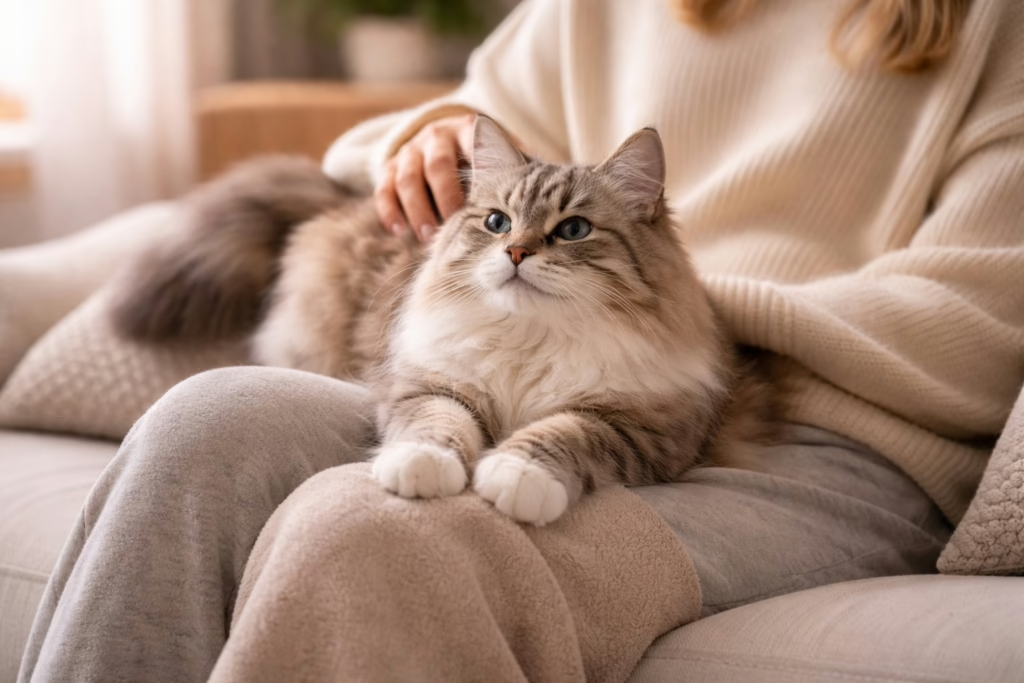
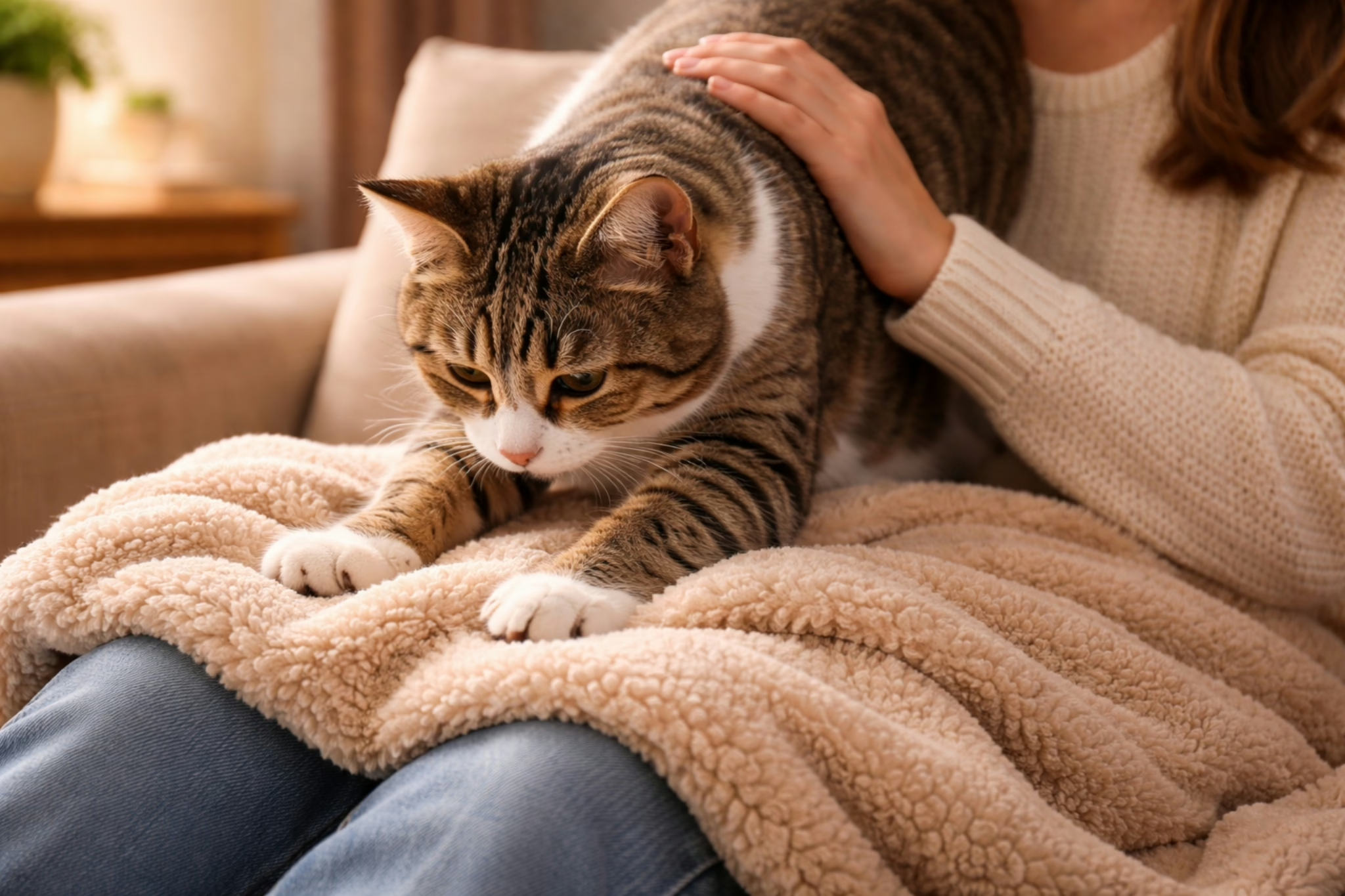
Picture this: you’re relaxing on the couch when your cat jumps up, settles on your lap, and starts pushing their paws against you like tiny pistons. Push, release, push, release—sometimes those claws dig in just enough to make you wince. What’s going on here? This peculiar paw-pressing habit shows up in almost every domestic cat, and it’s telling you something important about how your feline friend experiences the world.
What Is Cat Kneading Behavior
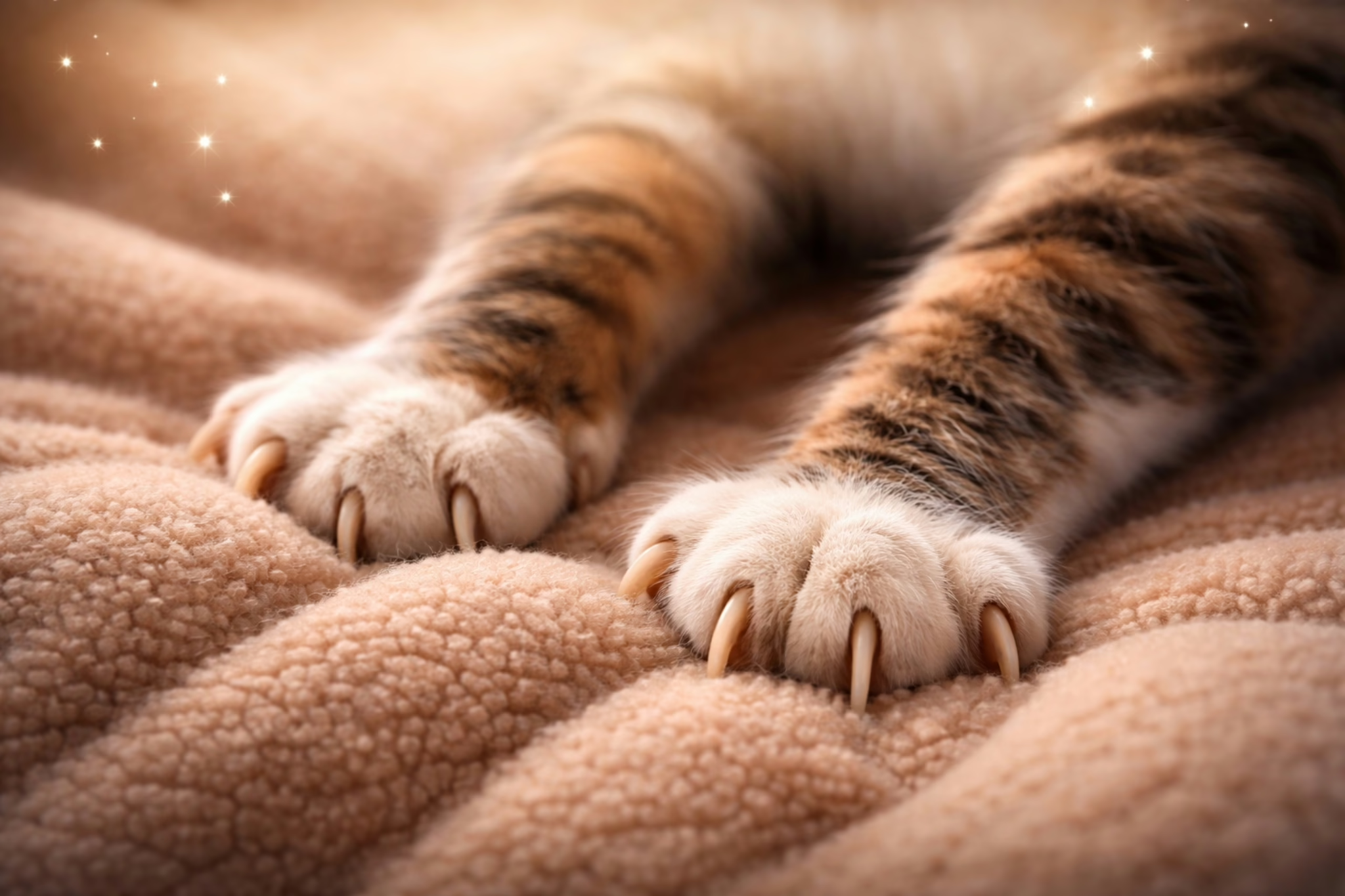
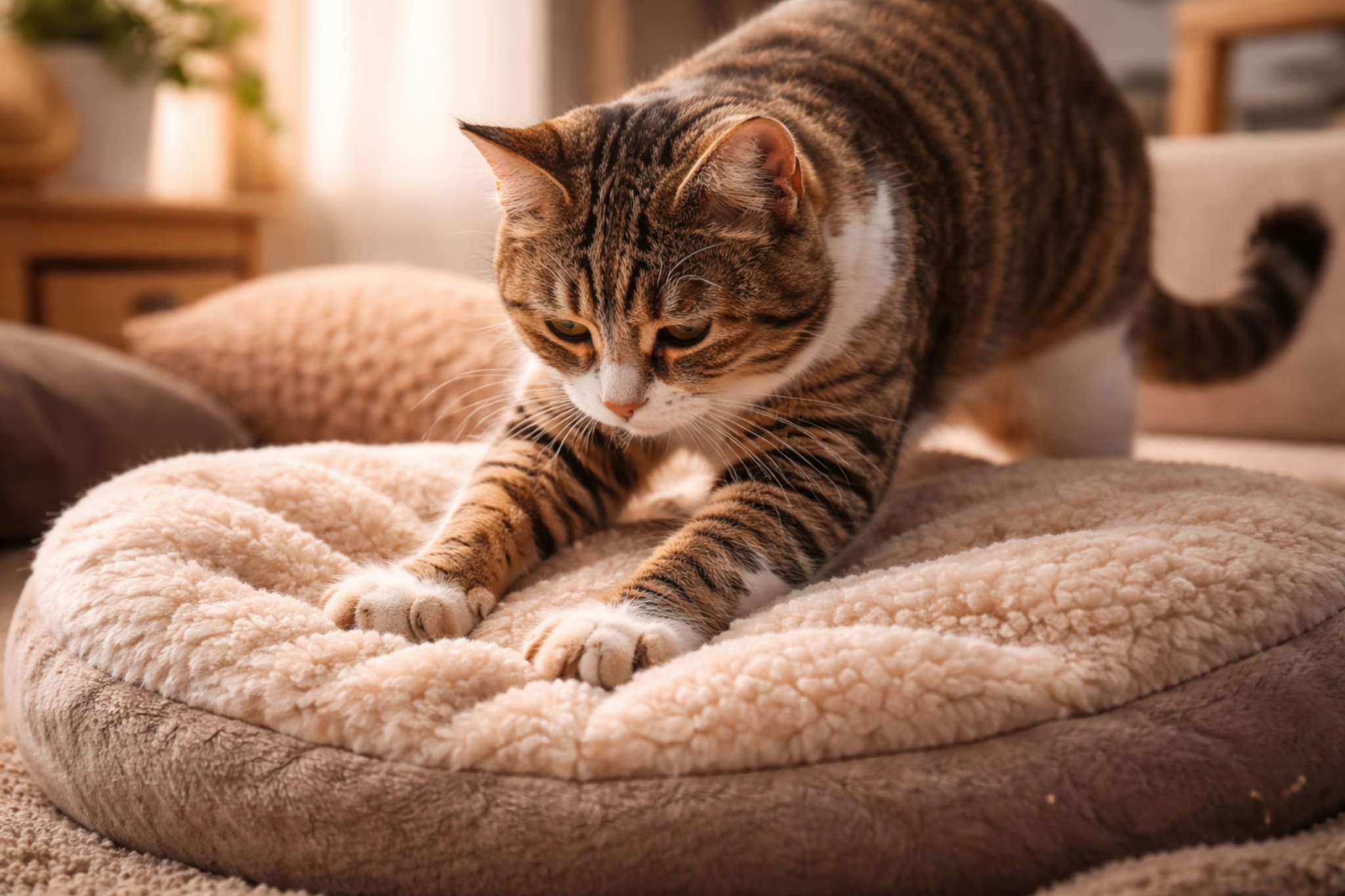
Watch closely next time your cat does this paw-pushing routine. They’ll press one front paw down while lifting the other, switching back and forth in steady rhythm. Cat lovers call it “making biscuits” because it looks exactly like someone working bread dough on a counter.
During this repetitive motion, most cats will push their claws out and pull them back in—which explains why it sometimes feels uncomfortable when they’re doing it on your thighs. The session might last fifteen seconds or stretch on for five minutes, depending on your cat’s mood.
Where do cats prefer to knead? Your softest blankets usually win, along with couch cushions, bed pillows, and yes, human bodies. Pay attention to what else happens during these episodes. Many cats will purr loudly. Some close their eyes halfway, getting that blissed-out expression. A few even drool a little (more on that later).
The feline kneading meaning runs deeper than just an odd physical quirk. Think of it as a decoder ring for your cat’s emotional state. Is your cat kneading their bed before curling up? Kneading your stomach while staring into your eyes? The surrounding circumstances tell you whether they’re marking territory, seeking comfort, or simply making their sleeping spot just right.
Instinctive Reasons Cats Knead
Kitten Nursing Instincts
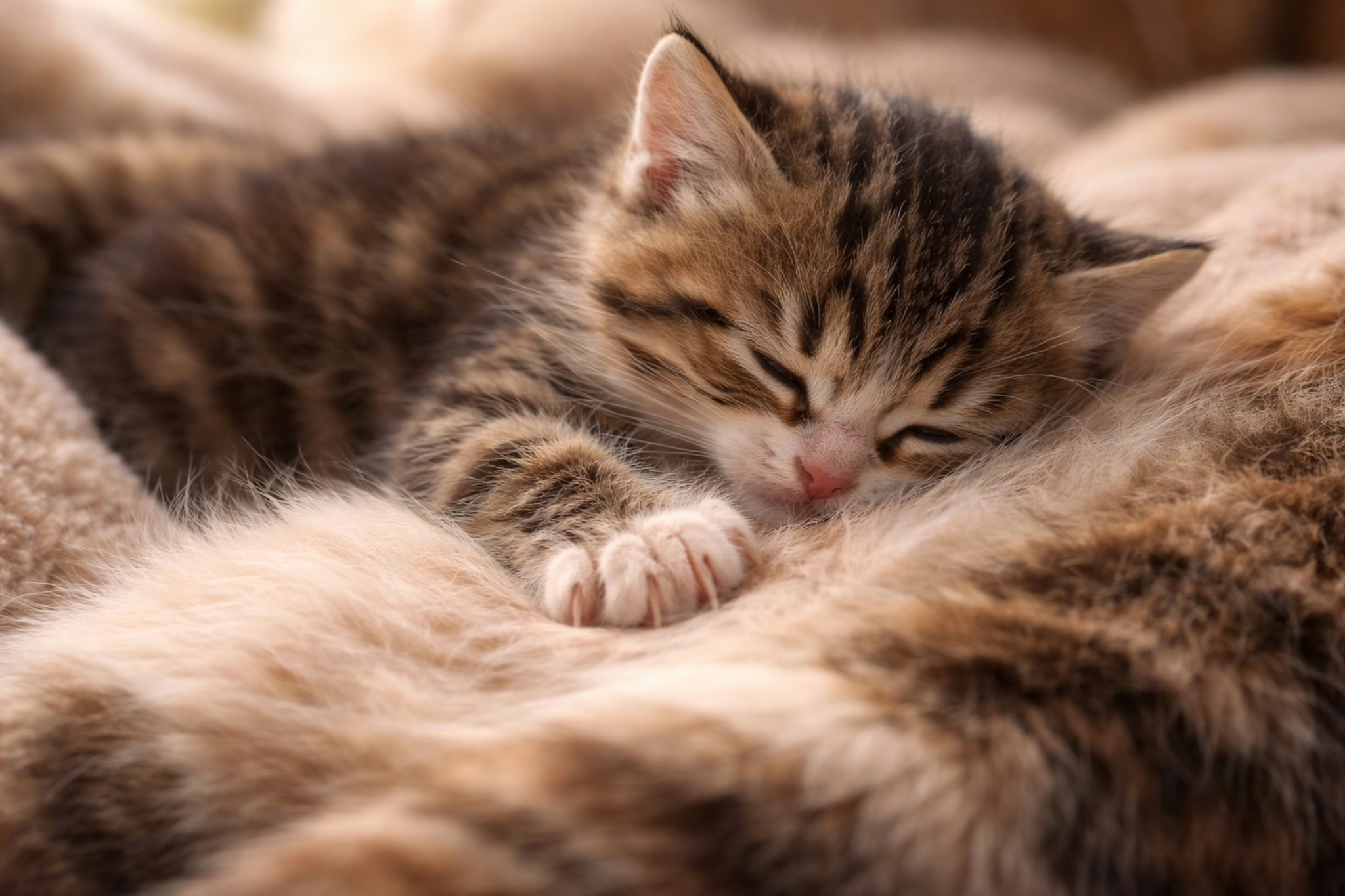
Here’s where the behavior starts: tiny kittens, just days old, will press their paws against their mother’s belly while nursing. This isn’t random—the pushing actually helps milk flow from the mammary glands. More pressing equals more milk, which means better-fed kittens.
Fast forward to adulthood. Your full-grown cat hasn’t nursed in years, yet this pattern stuck around. Why? Because those early weeks create powerful neural pathways. A cat who’s kneading your favorite sweater might be mentally transported back to those first secure moments with mom. Kneading instincts cats develop so early become hardwired.
Veterinarians notice something interesting: cats taken from their mothers before eight weeks often knead more intensely or more frequently as adults. It’s as though they’re trying to recapture something they missed out on. The behavior becomes a self-soothing mechanism that replaces those abbreviated nursing sessions.
Territorial Marking Through Scent Glands
Your cat’s paw pads hide a secret weapon: scent glands. Every time those paws press down during a kneading session, they’re leaving behind pheromones—chemical signatures that announce “this spot is mine.”
This cat behavior kneading serves as a gentler territorial claim compared to spraying or scratching. When your cat kneads that spot on the sofa where they always nap, they’re essentially hanging an invisible “reserved” sign. Other cats who investigate that area later will pick up the scent message.
Got multiple cats? Watch where each one kneads. You’ll often see them stake out different territories this way, or sometimes compete for prime real estate. The cat who dominates the sunniest window seat might knead it more frequently to reinforce their claim.
Preparing a Resting Spot
Think back thousands of years. Wild cats needed safe places to sleep where predators couldn’t easily spot them. Before settling down, they’d press and push at tall grass or piles of leaves, flattening everything into a more comfortable surface. This served triple duty: creating a cushioned nest, checking for hidden scorpions or snakes, and forming a slight depression that trapped body heat.
Your pampered house cat doesn’t face these dangers. They’ve got a heated home and soft beds everywhere. Yet watch them knead a blanket before lying down—they’re running through that ancient checklist their DNA handed them. The preparation ritual makes them feel safe even when there’s zero actual danger.
Emotional and Comfort-Related Causes
Cat comfort behavior like kneading acts as a window into their feelings. A kneading cat is usually a content cat. The rhythmic motion actually triggers endorphin release in their brain—natural feel-good chemicals that create a positive feedback loop. Kneading feels good, which encourages more kneading, which releases more endorphins.
When your cat chooses your lap for this behavior, take it as a serious compliment. You’ve achieved the ultimate status: mother-substitute. Your cat experiences the same sense of security with you that they once felt nursing as a kitten. Some cats are selective about this, kneading only their primary person. Others will knead any available lap, though they might reserve the most intense sessions for their favorite human.
Stress management is another piece of the puzzle. Cats dealing with low-level anxiety—maybe you’ve rearranged furniture, or they’re adjusting to a new pet—will sometimes knead more often than usual. The repetitive motion combined with those feel-good endorphins helps them regulate their emotions. It’s their version of a stress ball or meditation app.
Kneading is a self-soothing behavior that cats use to calm themselves and express contentment. The rhythmic motion combined with the release of familiar scent from their paw pads creates a multisensory experience that reinforces feelings of security and well-being.
Dr. Karen Becker
Why Your Cat Kneads Blankets and Soft Surfaces
Why cats knead blankets specifically comes down to sensory memory. Soft, yielding fabric mimics what a mother cat’s belly feels like to a nursing kitten. Fleece blankets are particularly popular—they’ve got the right texture for claw-gripping plus that plush softness. Wool and microfiber fabrics also rank high on the feline favorites list.
Nesting behavior drives some of this too. Female cats especially might knead blankets while simultaneously bunching them up into nest-like piles. This happens regardless of whether they’re spayed or could actually get pregnant. Male cats nest as well, just typically with less intensity and drama.
The maternal comfort connection never really fades. An adult cat kneading while half-asleep and purring is essentially pressing “replay” on their earliest comfort memories. There’s zero harm in this, and actually, letting them do it supports their emotional health. Consider setting up a few designated cozy spots with soft blankets where kneading is always welcome.
You might notice your cat plays favorites with certain blankets. They’ll ignore the new throw you just bought but seek out that ratty old fleece you’ve had for years. The reason? Scent layering. That old blanket carries their pheromones from dozens of previous kneading sessions, making it even more appealing. It smells like them, which signals safety.
When Cat Kneading May Signal a Problem
While kneading usually means good things, excessive behavior warrants attention. A cat who kneads so constantly that it interferes with eating, grooming, or sleeping might be struggling with anxiety or developing obsessive-compulsive behaviors. This level of compulsion needs veterinary evaluation—there could be medical causes or your cat might benefit from behavioral intervention.
Aggression mixed with kneading creates another concern. Most kneading stays gentle, but some cats will suddenly switch from purring contentment to biting or scratching without obvious warning. Behaviorists call this “petting-induced aggression.” The cat’s arousal level climbs past their tolerance point, and they lash out. It’s confusing and frustrating when you’re just sitting there enjoying cuddle time.
Red flags to watch for include:
- Kneading that creates actual sores or raw spots on paw pads
- Excessive meowing or distressed vocalizations during kneading
- Your cat seems unable to settle without kneading for extended periods
- Kneading replaces normal activities like playing or exploring
- Sudden dramatic increase in kneading frequency in a previously moderate kneader
Pattern changes matter too. A cat who suddenly stops kneading altogether might have developed arthritis or injured their paw pads. On the flip side, a cat who starts kneading frantically out of nowhere could be self-soothing due to illness, pain, or major environmental stress like a move or new family member.
How to Respond When Your Cat Kneads You
Let’s address the elephant in the room: those claws hurt. When your cat’s kneading enthusiastically on your bare legs, it’s not exactly pleasant. Keeping their nails trimmed helps tremendously. Clip just the sharp tips every two to three weeks. If you’re nervous about doing it yourself, your vet or a groomer can show you the technique—it’s easier than you think.
The thick blanket trick works wonders. Keep a dedicated “kneading blanket” folded over the arm of your couch or chair. When your cat approaches for lap time, spread it across your legs first. Most cats don’t care—they might even prefer the extra cushioning and texture. Win-win.
Let the behavior continue rather than punishing it. This is crucial. Yelling, shoving your cat away, or any physical punishment will backfire spectacularly. Your cat won’t understand why you’re rejecting them. They just know you’ve suddenly become unpredictable and unsafe, which damages the trust you’ve built.
Things to absolutely avoid:
- Declawing to solve the discomfort issue—this surgery causes permanent damage and psychological trauma
- Abruptly standing up or pushing your cat off mid-knead, which can trigger defensive aggression
- Ignoring escalation signals like tail thrashing, flattened ears, or twitching skin along their back
- Removing all soft surfaces from your home trying to eliminate the behavior entirely
Try this instead: gently massage your cat’s paws while they knead. Light pressure on the paw pads can encourage them to retract their claws slightly, reducing the puncture risk while maintaining that bonding moment. This works best with cats already comfortable having their feet handled, so don’t start this technique with a cat who’s sensitive about their paws.
| Kneading Context | Likely Reason | What It Signals | How to Respond |
|---|---|---|---|
| Pressing paws on your lap while purring loudly | Bonding and expressing contentment | Deep trust and affection toward you | Let it continue, use a protective blanket layer, appreciate the moment |
| Working blankets with paws before settling down to sleep | Preparing a comfortable nest | Following instinct to create a secure resting area | Offer soft bedding in quiet corners, don’t disturb the ritual |
| Kneading while drool drips from mouth | Extreme relaxation triggering nursing memories | Complete comfort and happiness | This is normal, keep a towel nearby, watch that drool doesn’t become excessive |
| Kneading that suddenly ends with biting | Overstimulation threshold crossed | Arousal built too high too fast | Learn to spot warning signs earlier, end the session before biting starts |
| Near-constant kneading with anxious meowing | Compulsive behavior or high anxiety | Possible stress response or medical concern | Schedule a vet visit, assess environmental stressors or changes |
| Kneading unfamiliar objects or newly accessible areas | Claiming territory with scent marking | Feeling confident enough to expand their claimed space | Normal healthy behavior showing your cat feels secure at home |
FAQs
Not every single cat kneads, though most do. Personality differences, early life circumstances, and even breed characteristics influence whether and how much a cat kneads. Kittens who got weaned too young sometimes knead with particular intensity as adults, compensating for lost nursing time. Meanwhile, cats who experienced abrupt separation from their mothers might knead less or not at all. Neither pattern indicates anything wrong. Some breeds—Siamese and related Oriental breeds especially—tend toward more frequent kneading, but individual cats break these trends constantly.
Completely normal, yes. For some cats, kneading triggers such powerful nursing associations that their salivary glands kick in automatically. You’ll typically see small amounts of clear drool. As long as the drool stays clear, appears only during kneading, and doesn’t come with other symptoms like refusing food or acting lethargic, you’re witnessing a harmless throwback to kittenhood. However, if drool becomes excessive, changes to yellow or bloody color, or appears alongside illness signs, get your cat checked for dental disease or other health issues.
Your cat has chosen you as their primary attachment figure—congratulations! They associate you most strongly with food, safety, and comfort. This selective kneading mirrors how kittens focus nursing behavior exclusively on their mother rather than other nearby adult cats. Some cats will knead other family members occasionally, but reserve the most intense sessions for their chosen person. Take it as the compliment it is: your cat feels vulnerable enough around you to display this deeply comfort-seeking behavior.
You shouldn’t eliminate kneading completely—it fulfills genuine emotional needs your cat has. What you can do is redirect the behavior toward appropriate locations. Encourage kneading on designated surfaces by placing treats or sprinkling catnip on specific blankets or cat beds. When kneading on your lap becomes uncomfortable, lift your cat gently and place them on an approved kneading surface nearby. Consistency matters more than speed—this redirection takes patience and repetition. Positive reinforcement beats punishment every time, since punishment creates anxiety and damages your relationship.
Under normal circumstances, no. Paw pads are remarkably tough—they’re designed to handle rough terrain and pressure. However, obsessive kneading on harsh surfaces like concrete or rough carpet can cause pad abrasions or inflammation. Check your cat’s paw pads periodically for cuts, cracks, swelling, or excessive redness. If you spot damage, provide softer kneading alternatives and consult your veterinarian if the compulsive behavior doesn’t decrease. Healthy cats naturally moderate their kneading intensity to avoid hurting themselves.
Air kneading—where cats make the kneading motion without actually touching anything—happens during deep relaxation or while drifting off to sleep. Your cat feels so completely content that the kneading reflex activates even without physical contact with a surface. Some cats air-knead while lying on their backs, others while sitting upright. You might also notice it during dreams if you watch your cat sleep closely. This behavior is entirely harmless and actually indicates your cat feels exceptionally safe in their environment.
The rhythmic paw-pressing you see when your cat kneads connects to evolutionary history, early development, and current emotional states all at once. Whether they’re marking territory through those paw pad scent glands, recreating the comfort of nursing, or preparing a sleeping spot according to ancient instinct, kneading serves real purposes for your cat’s well-being.
Context matters when interpreting the behavior. A cat kneading your lap while purring is showing trust and affection. A cat working a blanket before lying down is following instinctive preparation routines. A cat kneading obsessively or aggressively needs veterinary attention to rule out anxiety or medical problems.
Instead of viewing kneading as an annoying habit that needs correction, recognize what your cat is actually communicating. Yes, those claws might poke uncomfortably. But that minor discomfort pales next to the trust and affection your cat demonstrates through this vulnerable, instinct-driven behavior. Keep nails trimmed, use protective blankets, respond with patience—and you’ll support your cat’s emotional needs while strengthening the unique bond between you.
The next time your cat settles into your lap and starts making biscuits, remember: you’ve achieved trusted-companion status. That rhythmic paw-pressing isn’t just a quirk. It’s your cat saying “you make me feel safe.”