
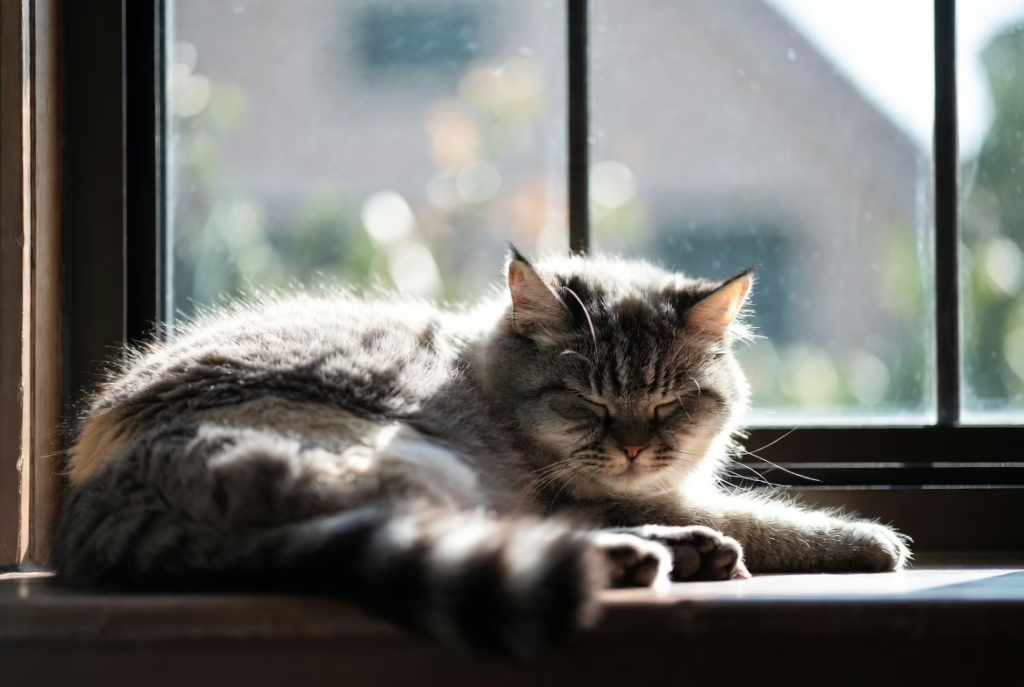
If you share your home with a cat, you’ve probably noticed they spend most of their day curled up in a sunny spot, tucked into a drawer, or sprawled across your keyboard. While it might seem like laziness, your cat’s marathon sleep sessions are perfectly normal and rooted in biology, evolution, and instinct.
Cats aren’t just being unproductive—they’re following ancient programming that helped their wild ancestors survive. Understanding why your feline friend sleeps 12 to 16 hours daily can help you distinguish between healthy rest and potential health concerns.
How Long Cats Sleep on Average
Most adult cats sleep between 12 and 16 hours per day, though some can rack up 20 hours depending on their age, health, and lifestyle. This might sound excessive compared to humans, but it’s completely typical for felines.
Kittens are the champion nappers of the cat world. Newborns and young kittens sleep up to 20 hours daily because their bodies are channeling energy into rapid growth and development. Their waking hours are brief bursts of play followed by immediate crashes into deep sleep.
Adult cats typically settle into a 12-to-16-hour range. Active, outdoor cats may sleep slightly less—around 12 to 14 hours—because they expend more energy hunting, patrolling territory, and navigating their environment. Indoor cats often hit the higher end of the spectrum since they don’t face the same physical demands.
Senior cats, generally considered those over 11 years old, tend to sleep more as their metabolism slows and joint discomfort makes activity less appealing. Fifteen to 18 hours isn’t unusual for an elderly cat, though sudden increases in sleep should prompt a veterinary check.
Compared to other animals, cats are serious sleepers. Dogs average 12 to 14 hours, while humans need only 7 to 9. Even among predators, cats stand out—lions sleep up to 20 hours, but domestic dogs and wolves are more active. The difference lies in hunting strategy and energy management.
| Life Stage/Type | Average Daily Sleep | Notes |
|---|---|---|
| Kittens (0-6 months) | 18-20 hours | Growth demands high energy; frequent deep sleep cycles |
| Adult cats (1-10 years) | 12-16 hours | Varies by activity level and environment |
| Senior cats (11+ years) | 15-18 hours | Increased rest due to lower energy and potential arthritis |
| Indoor cats | 14-16 hours | Less environmental stimulation; more opportunity to rest |
| Outdoor cats | 12-14 hours | Higher activity levels from hunting and territorial behavior |
The Science Behind Feline Sleep Behavior
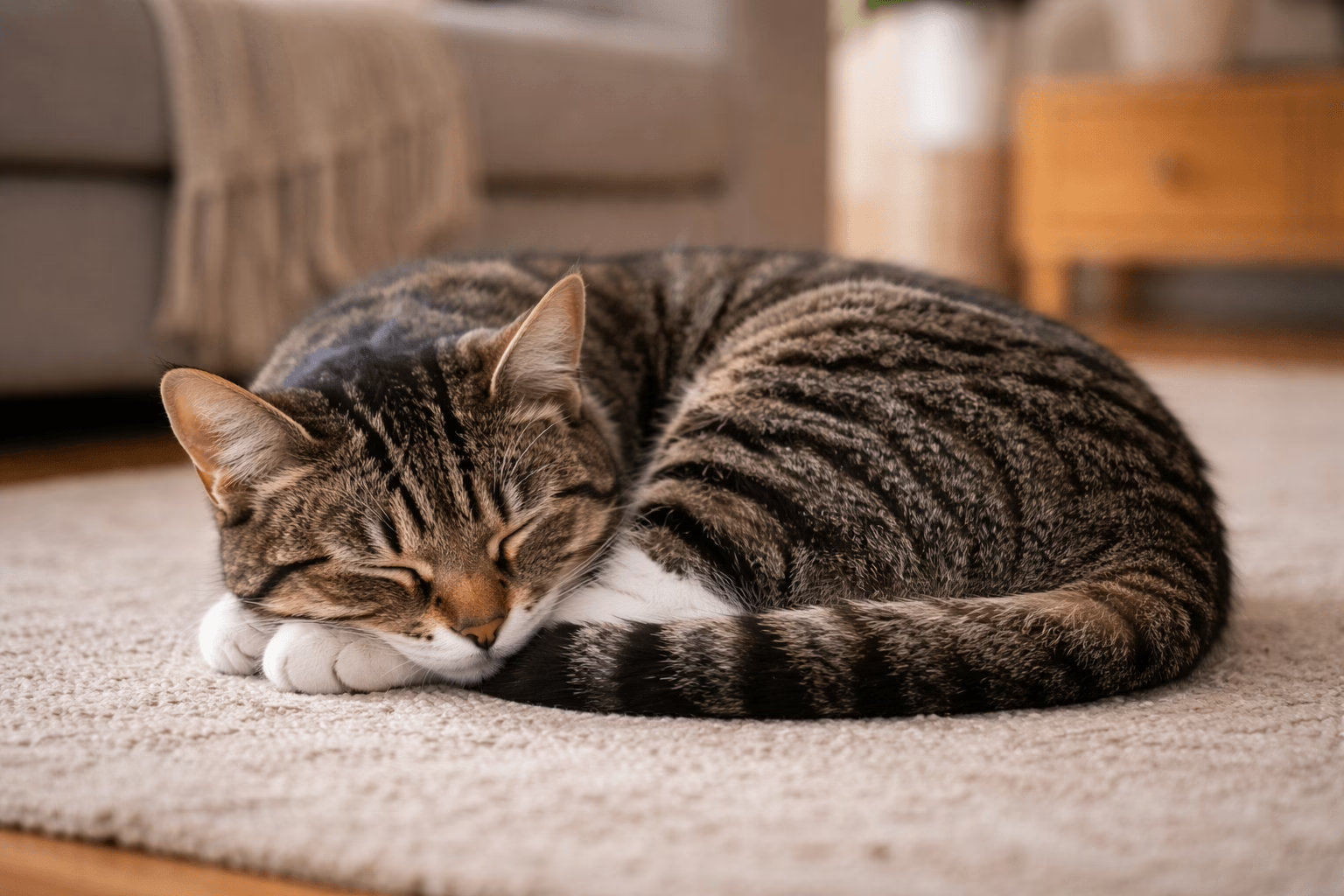
Cats evolved as solitary hunters who rely on short, explosive bursts of energy to catch prey. Unlike endurance hunters that chase prey for miles, cats are ambush predators. They stalk, wait, then explode into action for seconds or minutes before the hunt ends—successfully or not.
This hunting style is metabolically expensive. A failed hunt means wasted energy, so cats conserve resources by sleeping when they’re not actively hunting or eating. Wild cats might hunt multiple times per day, with long rest periods in between to recharge.
Your domestic cat has inherited this biological blueprint even though their “prey” comes from a can. The instinct to conserve energy remains hardwired. After a play session with a feather toy, your cat isn’t being dramatic when they collapse into sleep—they’re following millions of years of evolutionary programming.
Cats are crepuscular, meaning they’re naturally most active during dawn and dusk when their prey (rodents, birds) is also active. This explains why your cat zooms around at 5 a.m. or becomes suddenly playful at twilight. The rest of the day and night, they’re in low-power mode, dozing and conserving energy for those peak hunting windows.
Even well-fed house cats maintain this rhythm. Their internal clock doesn’t care that food appears magically in a bowl—the biological imperative to be alert at dawn and dusk persists. This is why your cat sleeps through your entire workday but starts pawing your face at sunrise.
Body temperature regulation also plays a role. Cats have higher resting body temperatures than humans (around 101-102°F), and maintaining that warmth requires energy. Sleeping reduces metabolic demands and helps cats stay warm with less effort, which is why they seek out sunny patches and warm laundry.
Cat Sleep Cycles and Rest Patterns Explained
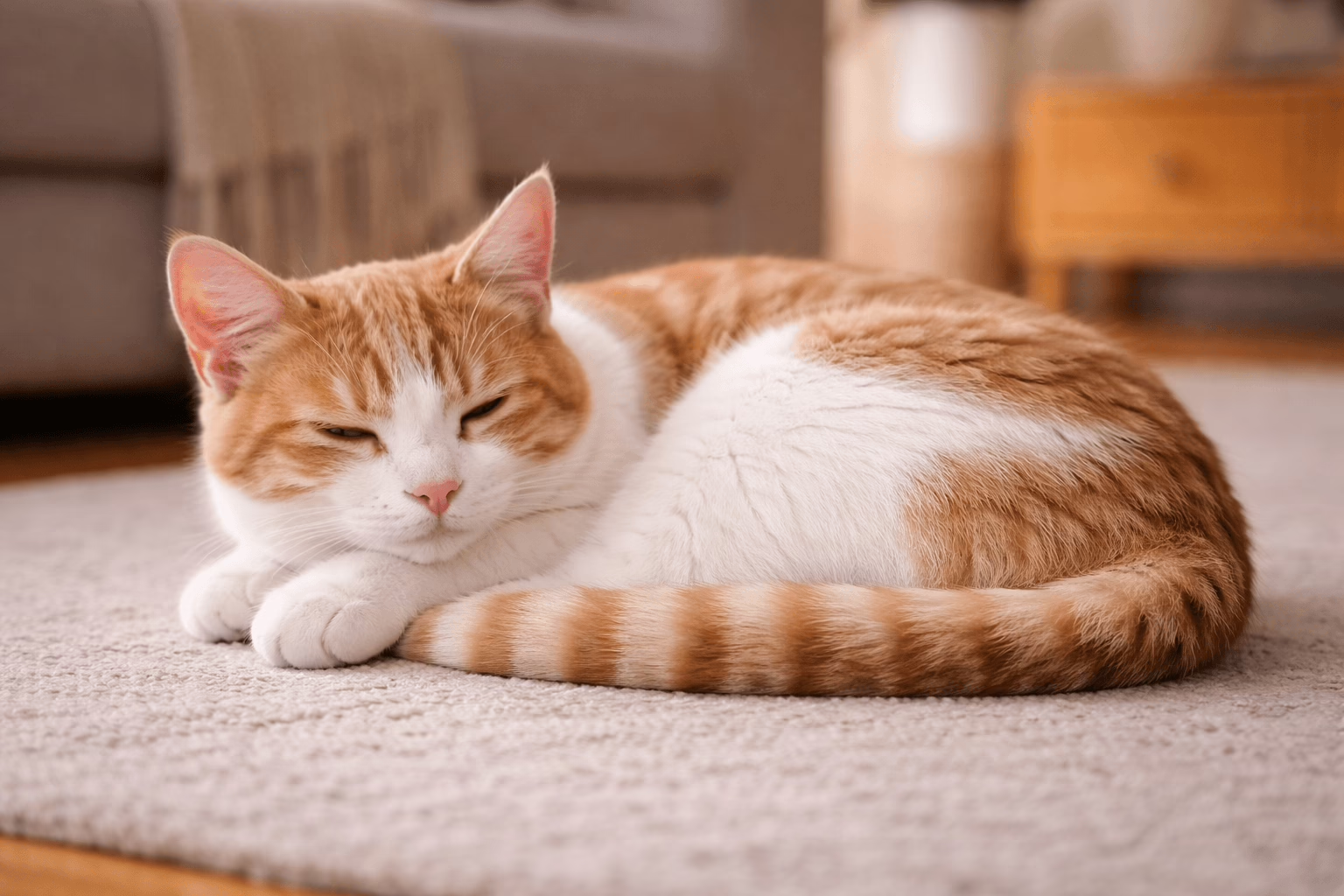
Cats are polyphasic sleepers, meaning they sleep in multiple short sessions rather than one long stretch. Instead of an eight-hour night like humans prefer, cats take numerous 15-minute to two-hour naps throughout the day and night.
This pattern makes sense for an animal that needs to remain semi-alert for threats. In the wild, a cat that sleeps too deeply for too long becomes vulnerable to larger predators or misses hunting opportunities. Short sleep cycles allow cats to rest while staying relatively responsive to their environment.
Feline sleep cycles include both light sleep and REM (rapid eye movement) sleep, though the proportions differ from humans. Cats spend about 75% of their sleep time in light, non-REM sleep and only 25% in deep REM sleep. During light sleep, their muscles stay somewhat tense, their ears swivel toward sounds, and they can wake almost instantly.
You can usually tell when your cat is in light sleep—they’re resting with eyes closed, but their ears are moving, whiskers might twitch, and they’ll react if you walk past. They’re not fully unconscious; think of it as a standby mode where the system is ready to boot up immediately if needed.
REM sleep is when cats—and humans—dream. During these phases, you might see your cat’s paws twitching, whiskers moving rapidly, or eyes darting beneath closed lids. Their body becomes more relaxed, and they’re harder to wake. These deep sleep periods typically last only 5 to 7 minutes at a time, cycling through several times during a longer rest session.
How Cat Napping Differs from Deep Sleep
Cat naps are those quick 15-to-30-minute rest periods where your cat seems to be sleeping but springs up at the sound of a treat bag. These are almost entirely light sleep—your cat is resting and lowering their energy expenditure but remains alert enough to respond to interesting stimuli.
True deep sleep happens less frequently and for shorter durations. After several light naps, your cat will eventually slip into a deeper REM phase where actual restorative sleep and dreaming occur. You’ll notice their body goes completely limp, breathing becomes very regular, and they don’t react to minor noises.
Kittens experience more REM sleep than adults because their brains are still developing. This deep sleep is crucial for processing new experiences and building neural connections. Adult cats need less REM time, but it remains essential for memory consolidation and overall neurological health.
Most cats prefer elevated or enclosed spaces for deep sleep because these locations offer security. A cat sleeping in the open is usually in light nap mode, ready to bolt. A cat wedged into a box or curled up on top of the refrigerator feels safe enough to truly sleep deeply.
Factors That Influence Cat Sleeping Habits
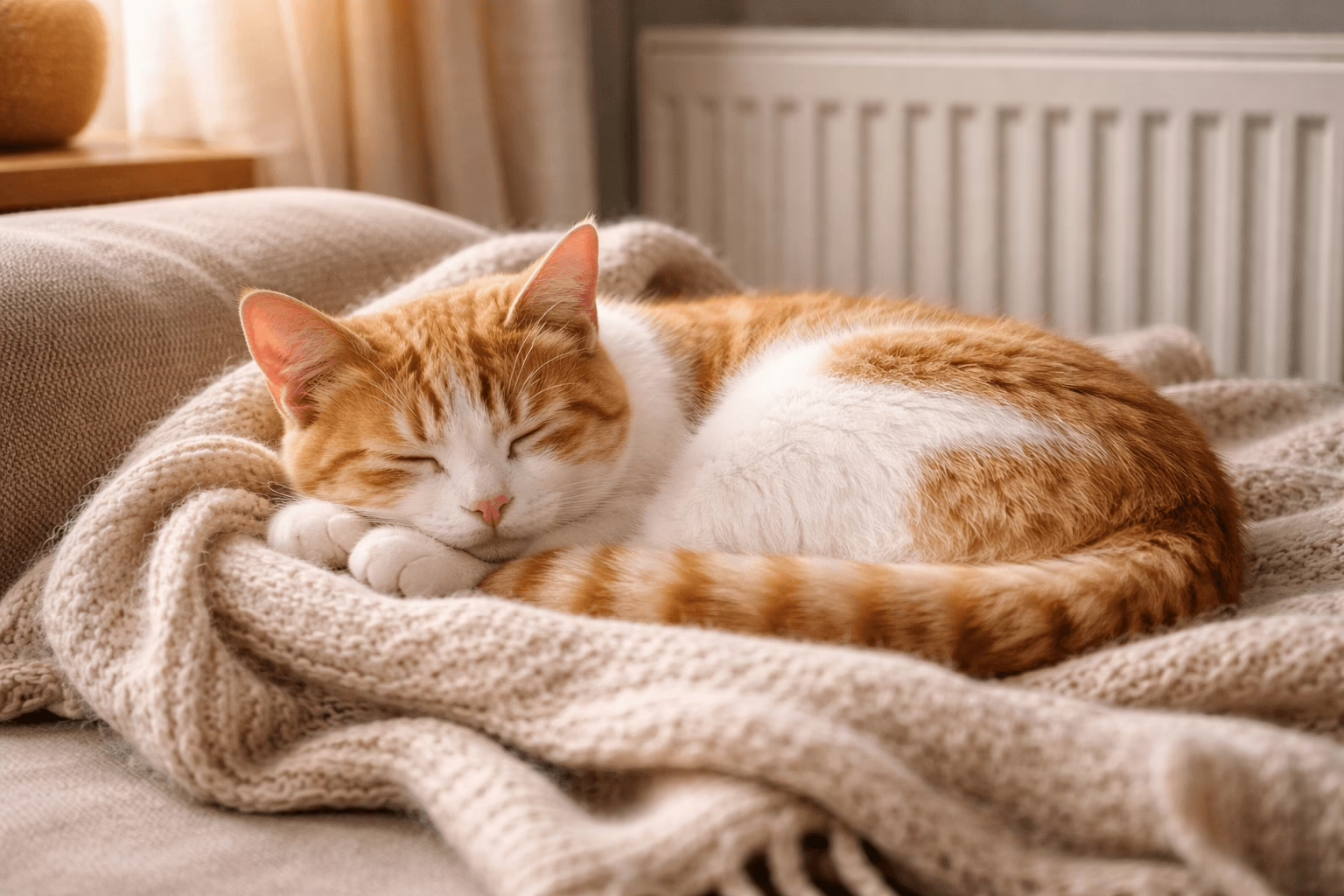
Age is the most obvious factor. Kittens and seniors sleep more than prime-age adults, but individual variation exists even within age groups. A two-year-old cat might sleep 12 hours while their littermate sleeps 15, and both can be perfectly healthy.
Activity level directly impacts sleep needs. Cats with regular play sessions, access to stimulating environments, or outdoor time tend to sleep less than cats in unstimulating environments. A bored cat may sleep out of sheer lack of alternatives, not because they’re genuinely tired.
Health conditions affect sleep significantly. Hyperthyroidism can make cats restless and reduce sleep, while conditions causing pain (arthritis, dental disease) might increase sleep as the cat tries to escape discomfort. Obesity often leads to more sleep because excess weight makes movement harder and less appealing.
Diet timing and composition matter more than many owners realize. Cats naturally eat small meals throughout the day—a pattern that matches their polyphasic sleep. Feeding one large meal can lead to post-meal lethargy followed by hunger-driven wakefulness. Multiple small meals better support their natural rhythm.
Environmental factors like temperature, noise, and household activity influence when and where cats sleep. Cats seek warmth, so winter often means more sleep and summer might mean longer naps during the hottest parts of the day. A chaotic household might cause a cat to sleep more lightly or seek isolated sleeping spots.
Weather affects even indoor cats. Rainy or overcast days often trigger longer sleep sessions, possibly because the low light mimics nighttime conditions or because barometric pressure changes influence their system. Many cat owners notice their pets sleep more before storms.
Indoor cats generally sleep more than outdoor cats because they face fewer stimuli and challenges. An outdoor cat must remain alert for territorial disputes, potential threats, and hunting opportunities. An indoor cat’s biggest daily challenge might be deciding which windowsill offers the best sunbeam.
Boredom is a real issue for under-stimulated cats. A cat who sleeps 18 hours daily might not need that much rest—they might simply have nothing better to do. Enrichment through play, puzzle feeders, cat TV (windows with bird views), and interactive toys can reduce excessive sleep caused by boredom.
When Excessive Sleep Might Signal a Problem
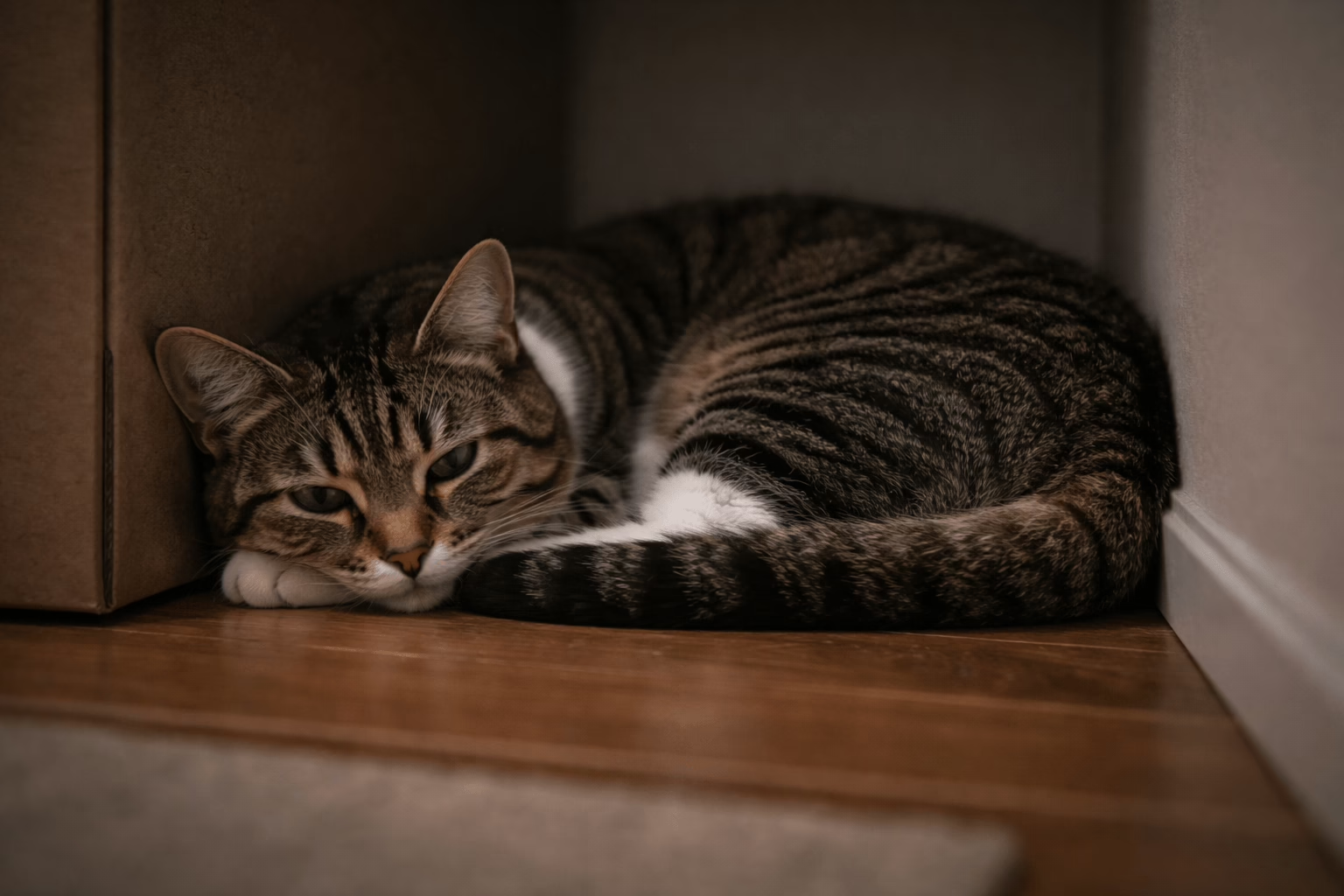
While cats naturally sleep extensively, sudden changes in sleep patterns warrant attention. A cat who normally sleeps 14 hours and suddenly sleeps 20 might be ill, depressed, or in pain.
Warning signs include sleeping significantly more than usual, difficulty waking, lethargy when awake, sleeping in unusual locations (especially hiding), or sleeping in unusual positions that suggest pain avoidance. A cat who stops engaging in normal activities even when awake needs veterinary evaluation.
Medical conditions that increase sleep include infections, anemia, diabetes, kidney disease, heart disease, and cancer. Many of these conditions make cats feel weak or unwell, leading them to sleep more as their body attempts to conserve energy for healing or simply because they lack the energy for activity.
Depression and anxiety can also manifest as excessive sleep. Cats can experience depression following major changes (moving, loss of a companion, owner schedule changes) or from chronic stress. A depressed cat might sleep more, show less interest in play, and seem emotionally withdrawn.
Conversely, sleeping significantly less than normal can indicate hyperthyroidism, pain that prevents comfortable rest, cognitive dysfunction in senior cats, or anxiety. A cat who seems exhausted but can’t settle into sleep needs veterinary attention.
Pay attention to sleep quality, not just quantity. A cat who sleeps 16 hours but wakes frequently, seems restless, or never appears to reach deep sleep might be experiencing discomfort or illness. Quality rest should leave a cat alert and responsive during waking hours.
If your cat’s sleep patterns change noticeably—either more or less than their normal baseline—and the change persists for more than a few days, consult your veterinarian. Bring details about when the change started, any other behavioral changes, appetite shifts, and litter box habits.
Most cat owners worry their cat sleeps too much, but we rarely see cases of true excessive sleep in otherwise healthy cats. What we do see frequently are sudden increases in sleep that signal underlying illness. Knowing your cat’s normal patterns is the key to catching problems early.
Dr. Jennifer Coates
FAQs
Yes, 16 hours falls well within the normal range for adult cats. Some healthy cats sleep up to 20 hours daily, particularly if they’re indoor cats without much environmental stimulation. As long as your cat is alert, playful, and eating normally during waking hours, 16 hours of sleep is perfectly healthy. The concern arises when sleep patterns suddenly change or when your cat seems lethargic even when awake.
Generally, yes. Indoor cats typically sleep 14 to 16 hours daily, while outdoor cats average 12 to 14 hours. The difference stems from environmental demands—outdoor cats must remain more alert for territorial defense, hunting, and avoiding threats. Indoor cats face fewer challenges and have more opportunity for uninterrupted rest. This doesn’t mean indoor cats are unhealthy; it simply reflects their lower energy expenditure.
Your cat is following their crepuscular nature—being most active at dawn and dusk. Cats evolved to hunt when their prey is active, which means twilight hours. If your cat sleeps all day and becomes active at night, they’re likely responding to the quiet, dim environment that mimics their natural hunting conditions. You can shift this pattern somewhat by engaging in active play sessions before your bedtime and feeding a meal afterward, which encourages post-meal sleep during your sleeping hours.
Yes, cats dream during REM sleep phases. Research shows cats experience REM sleep with brain activity patterns similar to dreaming humans. During these periods, you might see paw twitching, whisker movement, tail flicking, or soft vocalizations. Scientists believe cats likely dream about their daily activities—hunting, playing, and interacting with their environment. These dream periods are brief, usually 5 to 7 minutes, but occur multiple times during longer sleep sessions.
Watch for changes rather than absolute numbers. If your normally active cat suddenly sleeps significantly more, seems difficult to wake, or appears lethargic during waking hours, something may be wrong. Other red flags include sleeping in unusual locations (especially hiding), loss of interest in food or play, and sleeping in positions that suggest pain avoidance. A healthy cat who sleeps extensively should still be alert, responsive, and engaged during their waking periods.
Cats benefit from having multiple sleep options rather than one designated spot. They instinctively seek different locations based on temperature, security needs, and sleep depth. For light naps, cats often choose open areas where they can monitor their environment. For deep sleep, they prefer enclosed, elevated, or secluded spots that feel secure. Providing cat beds in various locations—some enclosed, some elevated, some in quiet areas—lets your cat choose based on their current needs.
Cats sleep extensively because evolution designed them as energy-conserving ambush predators who rest between intense hunting bursts. Their 12-to-16-hour sleep marathons aren’t laziness—they’re biological efficiency. Understanding your cat’s normal sleep patterns, recognizing the difference between healthy rest and concerning lethargy, and providing an enriching environment helps ensure those long naps remain a sign of a content, healthy feline. When in doubt about sleep changes, your veterinarian can help distinguish between normal variation and potential health issues.